
Last Updated on November 21, 2026
Fuel injector replacement should come after identifying the actual problem. Otherwise, you could pay for a new injector and still have the same misfire.
Here are seven things to check before approving the repair, along with ways to determine whether cleaning, electrical repair, or replacement makes sense.
THE SHORT ANSWERBefore replacing a fuel injector, check fuel quality, fuel pressure, spark plugs and ignition coils, intake leaks, injector wiring, injector flow and leakage, and engine compression. A proper diagnosis may include injector electrical tests, fuel-pressure measurements, or cylinder-specific balance testing. Replace the injector only when the evidence confirms it has failed.
What Are the Signs You Might Need Fuel Injector Replacement?
Fuel injectors deliver carefully controlled amounts of fuel into the engine. When an injector becomes restricted, leaks, or stops operating, combustion can suffer.
Common warning signs include:
- Rough idle: The engine shakes or runs unevenly while stopped.
- Misfires: One or more cylinders fail to burn fuel properly.
- Hesitation: Acceleration feels weak, delayed, or jerky.
- Hard starting: The engine cranks longer than usual.
- Poor fuel economy: Fuel consumption increases unexpectedly.
- Black exhaust smoke: Excess fuel may cause rich running.
- Fuel smell: A leaking injector or another fuel-system fault may be responsible.
- Check engine light: Codes such as P0200–P0208 or P0300–P0308 may appear.
These symptoms are shared by several engine problems. Our guide to bad fuel injector symptoms explains how restricted, leaking, and electrically faulty injectors behave differently.
7 Problems to Check Before Fuel Injector Replacement
Start by examining the conditions under which the problem began. A misfire immediately after refueling suggests a different diagnostic direction from a single-cylinder misfire caused by damaged wiring.
1. Contaminated Fuel or Poor Fuel Quality
Did the engine begin running badly shortly after filling the tank?
Water contamination, incorrect fuel, or debris in the fuel system can cause poor combustion and injector-related complaints.
Contaminated fuel may affect several cylinders rather than one specific injector. Symptoms can include rough running, hesitation, hard starting, and loss of power.
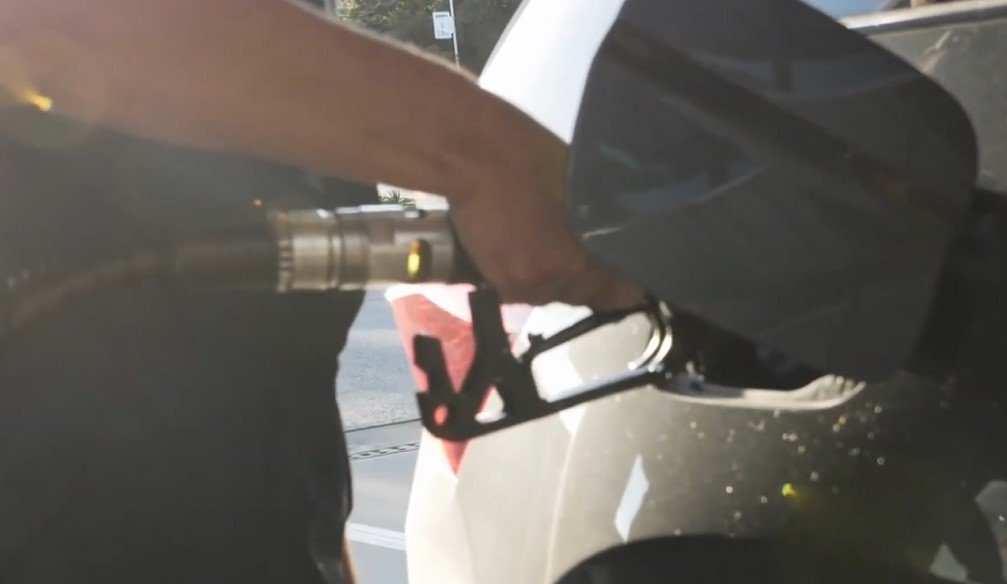
A fuel sample and appropriate testing may help identify contamination. In serious cases, the correct repair involves removing contaminated fuel and servicing affected components.
Pouring an additive into the tank isn’t a reliable solution for significant water contamination or incorrect fuel.
What makes sense: Investigate suspected fuel contamination before purchasing individual injectors.
2. Low Fuel Pressure or Fuel Supply Problems
An injector cannot deliver the correct amount of fuel if the supply system isn’t providing the required pressure and volume.
A weak fuel pump, restricted filter or strainer, or faulty pressure regulator may cause hesitation and misfires, particularly during acceleration.
The engine might idle reasonably well but struggle when climbing a hill or merging onto a highway.
Fuel-pressure testing helps determine whether the supply system meets the manufacturer’s specifications. Some faults require checking delivery volume or pressure while the engine is under load.
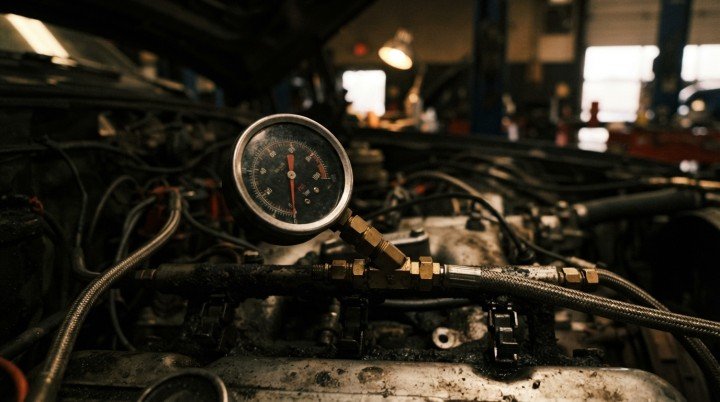
Gasoline direct-injection engines have separate low-pressure and high-pressure fuel circuits, so their diagnostic procedures differ from conventional port-injection systems.
A shared fuel-pressure problem may affect multiple cylinders. Replacing several injectors won’t correct a pump that cannot supply enough fuel.
What makes sense: Repair confirmed fuel supply problems before approving injector replacement.
3. Worn Spark Plugs or Faulty Ignition Coils
A cylinder needs both fuel and a reliable spark. When combustion fails, the computer detects a misfire but may not know which component caused it.
For example, P0302 means cylinder two is misfiring. It does not specifically identify injector two as defective.
Worn spark plugs, excessive plug gap, damaged coil boots, or failing ignition coils can create similar symptoms.
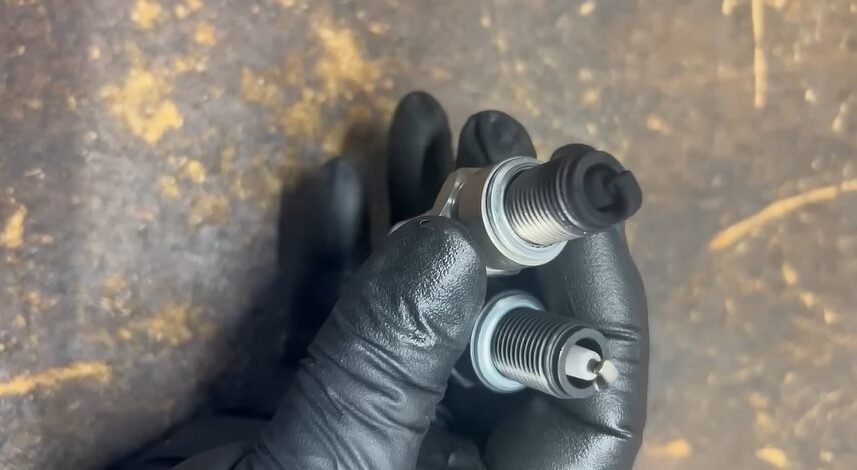
A valid coil-swap test on a compatible engine can help isolate an ignition coil fault. Spark plug inspection may reveal damaged electrodes, fouling, or incorrect specifications.
If the misfire follows a suspect ignition coil to another cylinder, the injector becomes a less likely cause.
What makes sense: Confirm proper ignition operation before spending money on fuel injectors.
4. Vacuum Leaks or Incorrect Airflow Readings
A cracked intake hose, leaking manifold gasket, or PCV system fault can introduce unmetered air into the engine.
This may create a lean mixture and unstable combustion, especially at idle.
Incorrect MAF or MAP sensor readings can also affect the engine computer’s fuel calculations.
Fuel-trim information may help identify the problem. Strongly positive trims that improve as airflow increases can suggest certain intake leaks, although other faults can create similar patterns.
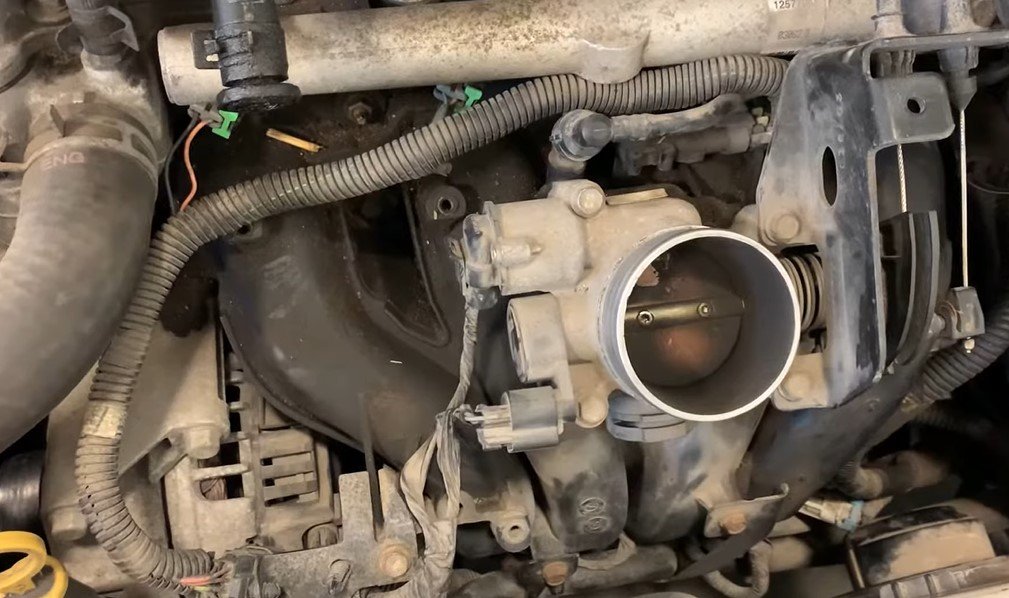
A professional smoke test is often useful for finding hidden air leaks.
For a broader explanation of how air, fuel, and ignition problems overlap, see our engine misfire troubleshooting guide.
What makes sense: Correct confirmed air leaks or airflow measurement faults before replacing the injector.
5. Injector Wiring, Connector, or Control Circuit Faults
A fuel injector may be mechanically healthy but unable to operate because its electrical circuit is damaged.
Loose connectors, corroded terminals, broken wires, and control-signal problems can interrupt injector operation.
Codes such as P0201 or P0202 identify injector circuit faults. They do not necessarily mean the injector nozzle is clogged.
A technician may test injector supply voltage, control signals, wiring continuity, and circuit operation according to the vehicle’s service information.
Some injectors use different electrical control strategies, including high-voltage or current-controlled operation. Testing them with inappropriate equipment can damage components.

An injector making a clicking sound doesn’t prove that it delivers the correct fuel quantity, either.
What makes sense: Repair the wiring or control circuit when testing shows the injector itself is functioning correctly.
6. Clogged, Restricted, Stuck, or Leaking Injectors
This is where the injector itself becomes the primary suspect.
Deposits may restrict fuel flow or affect the spray pattern. An internally damaged injector may become stuck open, stuck closed, or leak fuel after it should have stopped injecting.
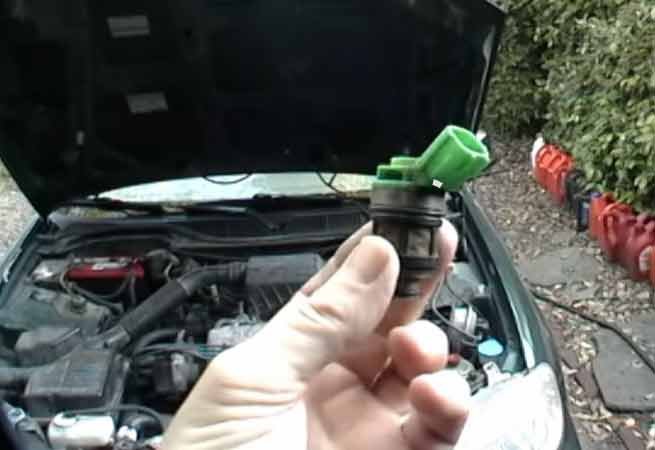
These failures aren’t interchangeable.
- Restricted injector: Delivers too little fuel and may cause a lean cylinder or misfire.
- Leaking injector: Delivers unwanted fuel, potentially causing rich running, hard starting, or oil dilution.
- Stuck injector: May fail to open or close correctly.
- Electrical failure: Prevents normal operation even when fuel pressure is correct.
Professional injector balance or flow testing can help determine whether delivery differs between cylinders.
Appropriate cleaning may restore performance when removable deposits are confirmed. However, cleaning cannot fix an internally damaged solenoid, cracked injector body, or non-serviceable internal leak.
What makes sense: Consider cleaning when suitable. Replace injectors with confirmed internal failures that cannot be safely repaired.
7. Low Compression or Engine Mechanical Problems
A cylinder can receive the correct spark and fuel yet still misfire because it cannot compress the mixture adequately.
Leaking valves, damaged piston rings, head gasket problems, or incorrect valve timing may cause persistent misfires.
Compression and leak-down testing help identify these faults.
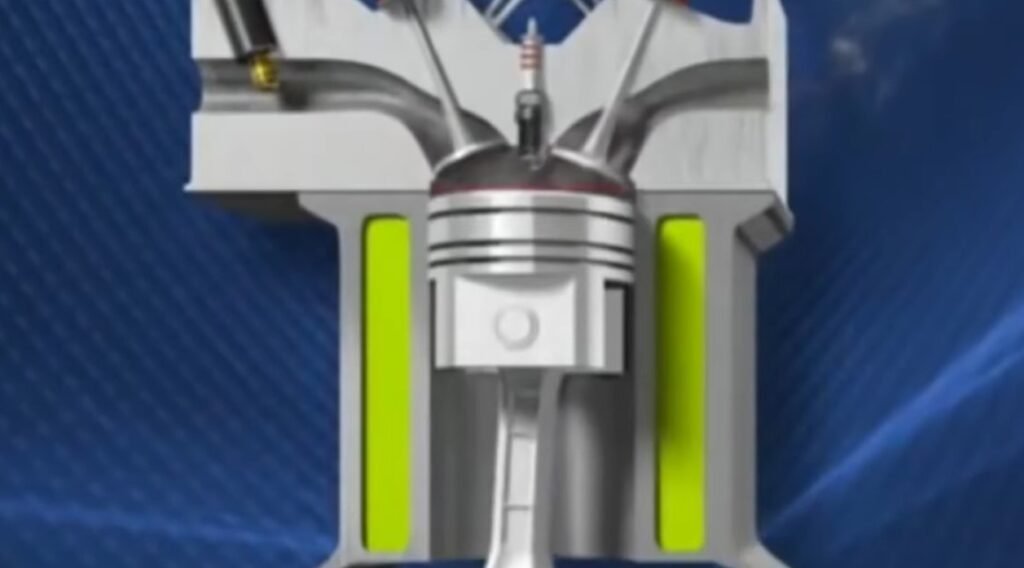
On some direct-injection engines, deposits on intake valves can also disturb airflow and contribute to drivability problems without the injector itself being defective.
If the same cylinder continues misfiring despite verified ignition and fuel delivery, mechanical testing becomes important.
What makes sense: Diagnose compression and timing problems before replacing more fuel-system components.
What Do Fuel Injector Trouble Codes Actually Mean?
A scan-tool code points toward a system or cylinder that requires investigation. It isn’t an instruction to buy a replacement part.
| Code | General Meaning | Diagnostic Direction |
|---|---|---|
| P0200 | Injector circuit malfunction | Electrical control circuit |
| P0201 | Cylinder 1 injector circuit fault | Injector 1 and its circuit |
| P0202 | Cylinder 2 injector circuit fault | Injector 2 and its circuit |
| P0203–P0208 | Corresponding injector circuit fault | Specified injector circuit |
| P0300 | Random or multiple misfires | Ignition, fuel, air, or mechanical faults |
| P0301–P0308 | Cylinder-specific misfire | Diagnose the indicated cylinder |
Exact diagnostic criteria vary by manufacturer. A P0202 circuit code and a P0302 misfire code require related but different investigations.
How to Confirm Which Fuel Injector Is Actually Bad
Before approving fuel injector replacement, ask what test identified the faulty unit.
The technician should consider stored codes, freeze-frame information, misfire counters, and the conditions under which the complaint occurs.
Possible tests include injector electrical checks, injector balance testing, fuel-pressure measurements, and cylinder contribution analysis.
Comparing results between cylinders can help locate abnormal fuel delivery, but testing must follow manufacturer specifications.
An injector swap may provide useful evidence on certain engines. However, unlike moving an ignition coil, removing fuel injectors involves pressurized fuel, seals, and sometimes coding requirements.
On direct-injection engines, swapping injectors should not be treated as a casual DIY test.
Dirty, Clogged, or Leaking Injector: Clean or Replace?
Not every injector problem requires the same repair.
| Confirmed Finding | Recommended Direction |
|---|---|
| Mild removable deposits | Approved cleaning and retesting |
| Restricted fuel flow | Professional cleaning or replacement |
| Internal electrical failure | Replace defective injector |
| Internal fuel leakage | Replace when confirmed non-serviceable |
| External injector seal leak | Repair seal or injector as specified |
| Damaged connector or wiring | Repair electrical circuit |
| Incorrect fuel pressure | Repair supply system |
Fuel injector cleaner may help some deposit-related problems, but it cannot repair an electrical failure or a physically damaged injector.
Port Injection vs Direct Injection: Why Replacement Is Different
Port fuel injectors deliver fuel into the intake port. Gasoline direct injectors deliver fuel directly into the combustion chamber.
Direct-injection systems operate at much higher fuel pressures and may require special tools, new sealing components, and precise installation procedures.
Some applications also require injector coding or calibration.
Never loosen high-pressure fuel connections without the manufacturer’s depressurization procedure. Pressurized fuel can cause serious injury or fire.
This guide primarily concerns gasoline engines. Diesel common-rail injectors have additional testing and service requirements.
When Does Fuel Injector Replacement Actually Make Sense?
Fuel injector replacement is justified when testing confirms that the injector itself has failed.
Examples include an internal electrical fault, non-serviceable leakage, a stuck injector, physical damage, or incorrect fuel flow that cannot be restored through appropriate servicing.
One injector failing doesn’t automatically mean every injector needs replacement.
Before approving the repair, request the diagnosis and confirm whether the injector is defective or another problem is preventing normal operation.
Should You Replace One Fuel Injector or All of Them?
If only one injector has a confirmed fault and the others operate correctly, replacing that injector may be sufficient.
Replacing the entire set becomes more reasonable when multiple failures are confirmed, contamination affects several units, or the manufacturer specifies broader replacement.
Labor access also matters. If removing an intake assembly involves substantial work, a mechanic may discuss servicing additional injectors while access is available.
However, preventive replacement should be presented as a choice, not as a requirement without evidence.
How Much Does Fuel Injector Replacement Cost in 2026?
Fuel injector replacement costs vary widely depending on the vehicle, injector type, engine design, and number of injectors being replaced.
RepairPal’s national US estimate, updated September 3, 2026, puts the average replacement service at approximately $768–$953.
| Cost Component | Estimated US Cost |
|---|---|
| Parts | $464–$507 |
| Labor | $304–$446 |
| Total | $768–$953 |
This is a national service estimate, not a universal price for one injector or a complete set. Taxes, diagnostic fees, location differences, and related repairs may add to the bill.
Direct-injection systems and difficult-to-access engines can cost more. Ask whether the estimate includes new seals, necessary programming, and warranty coverage.
Before paying, also check for applicable recalls, manufacturer service campaigns, or warranty coverage.
New Fuel Injector but Still Misfiring?
If the engine continues misfiring after injector replacement, the first step isn’t buying another injector.
Check whether the replacement matches the engine specification and whether its electrical connector and seals were installed correctly.
Then revisit fuel pressure, spark plugs, ignition coils, intake leaks, and compression.
Some vehicles also require injector calibration procedures.
A successful repair should resolve the original misfire under the operating conditions that triggered it, not merely erase the trouble code.
Can You Drive With a Bad Fuel Injector?
A mildly restricted injector may cause hesitation or rough running, but a severely faulty injector can create bigger problems.
Excess fuel may damage the catalytic converter, dilute engine oil, or contribute to cylinder damage. Insufficient fuel delivery can cause severe misfires and power loss.
External fuel leaks are particularly dangerous because of fire risk.
When to Stop DrivingIf you notice visible fuel leakage, a strong raw-fuel smell, a flashing check engine light, severe shaking, or repeated stalling, stop safely and arrange professional assistance. Do not continue driving a vehicle with suspected external fuel leakage.
Questions to Ask Before Approving Fuel Injector Replacement
- Which injector failed, and what test confirmed it?
- Was fuel pressure checked against specifications?
- Were ignition, intake, and compression problems considered?
- Did the injector’s electrical circuit pass testing?
- Could approved cleaning solve the problem?
- Does the estimate include seals, calibration, labor, and warranty?
After installation, the shop should verify there are no fuel leaks, the correct injector is installed, and any necessary coding is complete. Fuel trims, misfire counts, idle quality, and acceleration should also be reassessed.
Common Fuel Injector Replacement Mistakes to Avoid
- Replacing an injector solely because of a P0302 misfire.
- Assuming a P0202 circuit code means a clogged nozzle.
- Ignoring fuel pressure and supply problems.
- Using fuel additives to treat electrical faults.
- Replacing an entire set without confirming the need.
- Reusing seals when the manufacturer requires new ones.
- Ignoring injector coding or calibration requirements.
- Skipping post-installation leak checks.
- Attempting high-pressure direct-injection repairs without appropriate equipment.
Frequently Asked Questions About Fuel Injector Replacement
1. How do I know if my fuel injector really needs replacing?
Proper electrical, balance, flow, or leakage testing should identify the defective injector. Misfire symptoms or trouble codes alone aren’t sufficient proof.
2. Can fuel injector cleaner fix a bad injector?
Cleaner may help certain deposit-related restrictions. It cannot repair internal electrical damage, physical defects, or serious mechanical leakage.
3. Will replacing a fuel injector fix a P0302 misfire?
Only if injector two caused the misfire. A faulty spark plug, ignition coil, intake leak, or compression problem could produce the same code.
4. Should I replace one fuel injector or all of them?
Replacing one confirmed defective injector is often enough. A complete set may be appropriate when multiple failures are verified or manufacturer instructions require it.
5. How long do fuel injectors usually last?
Many fuel injectors last well beyond 100,000 miles, but lifespan depends on fuel quality, contamination, engine design, and operating conditions. There’s no universal replacement interval.
6. Can a leaking fuel injector damage the engine?
Yes. Excess fuel can dilute engine oil, contribute to poor combustion, damage the catalytic converter, and potentially harm internal engine components if the problem continues.
Final Thoughts: Find the Real Fuel Delivery Problem First
Fuel injector replacement can solve rough idle, misfires, hesitation, and hard starting when a defective injector is genuinely responsible.
But before buying one, check fuel quality, fuel pressure, ignition components, intake leaks, electrical connections, injector performance, and engine compression.
Those checks can reveal whether you need cleaning, an electrical repair, fuel-system service, or a new injector.
The important thing is to replace the failed component—not the part that happens to appear in a trouble-code description.

Kevin Nicholas is an automotive mechanic and editor of The Effective Guide. He writes about warning lights, car problems, and diagnostic tools, helping drivers understand what to check before replacing a part.