
Last Updated on October 7, 2026
An engine misfire does not always begin with a dramatic breakdown. It may first appear as a faint vibration at a stoplight, a moment of hesitation while merging, or an exhaust note that suddenly sounds uneven. The problem might disappear seconds later, making it tempting to ignore.
However, a misfire means combustion is not happening correctly in one or more cylinders. The engine may still run, but it is no longer producing power smoothly or efficiently. Some engine misfire symptoms appear only during a cold start, while others become noticeable when the engine is under load.
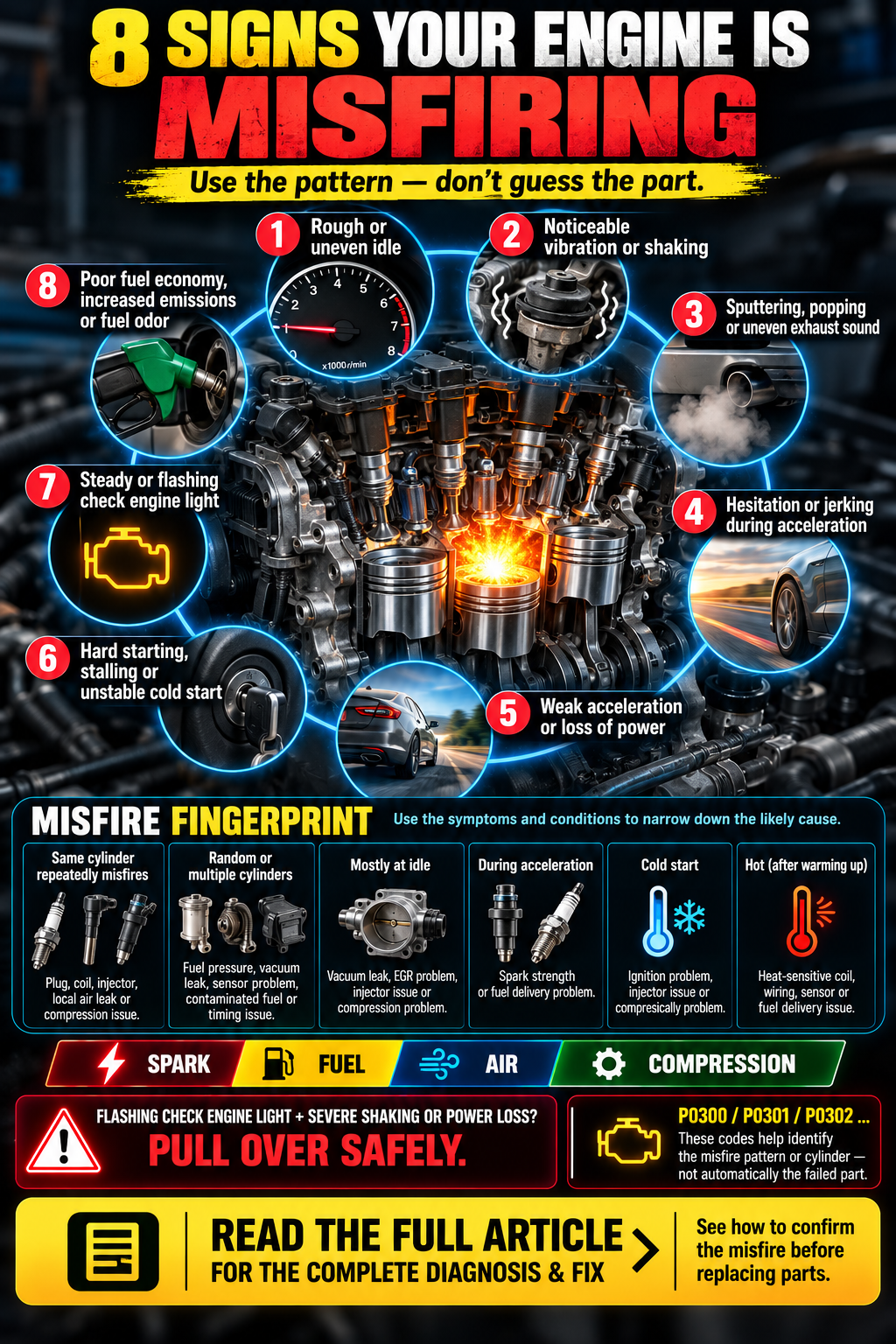
The useful clue is not just what the car does—it is when and where the problem appears. That pattern creates a “misfire fingerprint” that can help narrow the diagnosis before unnecessary parts are replaced.
What Is Actually Happening During an Engine Misfire?
A gasoline engine needs the correct amount of air and fuel, a strong spark at the right moment, and enough compression inside each cylinder. When one of those ingredients is missing or arrives at the wrong time, combustion becomes weak, incomplete, or absent.
That cylinder may produce less power than the others. As the crankshaft continues to rotate, the uneven contribution can be felt as shaking, stumbling, hesitation, or an irregular idle.
A misfire can affect one cylinder repeatedly, move between multiple cylinders, or occur only under certain operating conditions. That is why a misfire code should be treated as a starting point—not proof that a particular spark plug, ignition coil, or fuel injector has failed.
The Misfire Fingerprint Map
Before examining individual engine misfire symptoms, pay attention to the conditions surrounding the problem. The following patterns can provide an initial diagnostic direction.
| Misfire pattern | Possible diagnostic direction |
|---|---|
| The same cylinder misfires repeatedly | Spark plug, ignition coil, injector, local air leak, or compression problem |
| Random or multiple cylinders misfire | Fuel pressure, vacuum leak, sensor input, contaminated fuel, or timing problem |
| The engine misfires mostly at idle | Vacuum leak, injector, EGR, or compression issue |
| The misfire appears during acceleration | Worn spark plug, weak ignition coil, or inadequate fuel delivery |
| The problem is worse during a cold start | Ignition fault, injector issue, poor compression, or possible coolant intrusion |
| The misfire begins after the engine warms up | Heat-sensitive coil, wiring, sensor, or fuel-system fault |
These patterns do not confirm which component has failed. They simply show where a proper diagnosis should begin.
Track One: Changes in the Engine’s Rhythm
1. Rough or Uneven Idle
A properly running engine should maintain a relatively steady rhythm at idle. When a cylinder misfires, the idle may feel lumpy or uneven, and the tachometer needle may fluctuate slightly. The symptom is often easiest to notice while the vehicle is stopped in Drive or when electrical and climate-control loads are operating.
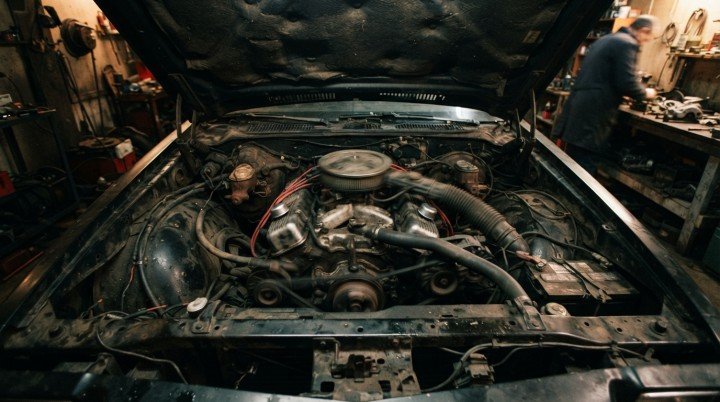
Rough idle does not automatically mean the engine is misfiring. Vacuum leaks, a dirty throttle body, worn engine mounts, and air-fuel mixture problems can create similar behavior. A scan for trouble codes and live data can help separate these possibilities.
2. Noticeable Engine Vibration or Shaking
A misfiring cylinder contributes less power than the others, creating an imbalance that may be felt through the steering wheel, seat, floor, or vehicle body. The shaking may increase when the engine is placed under load and become less noticeable as RPM changes.
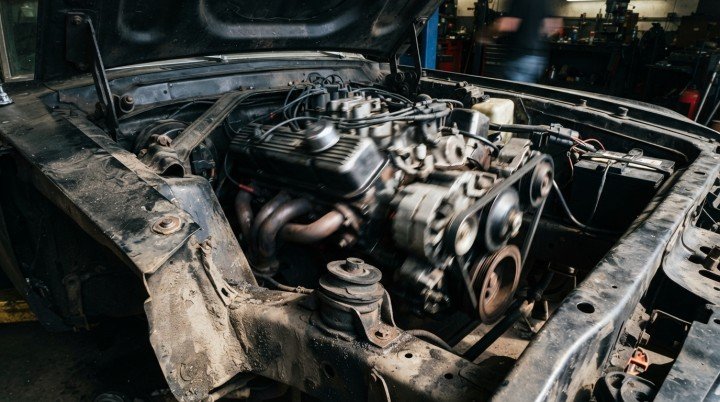
Worn engine mounts can also cause strong vibration, but they do not usually create the same hesitation, irregular exhaust rhythm, or cylinder-misfire codes. When vibration appears together with other engine misfire symptoms, a combustion problem becomes more likely.
3. Sputtering, Popping, or an Uneven Exhaust Sound
A misfiring engine may sound as if it is skipping a beat. The exhaust note can become uneven, and the driver may hear sputtering or occasional popping as combustion becomes unstable.
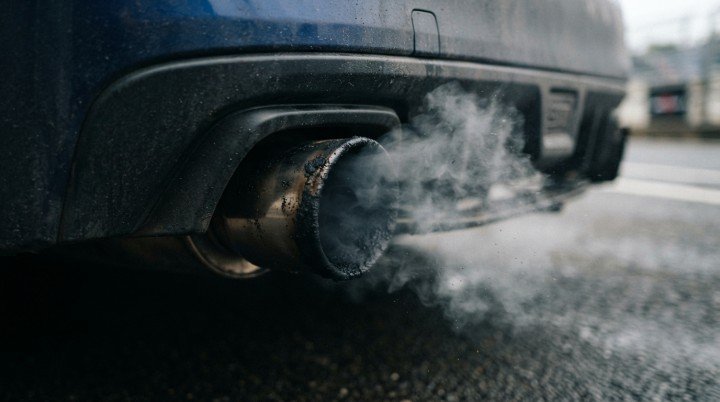
These sounds can also result from exhaust leaks, incorrect ignition timing, a rich air-fuel mixture, or valve problems, so sound alone cannot identify the failed component. However, an uneven exhaust rhythm combined with shaking or rough idle is a strong reason to have the vehicle inspected before the condition worsens.
4. Hesitation or Jerking During Acceleration
When you press the accelerator, the engine should increase power smoothly. A misfiring engine may pause, stumble, or deliver power in short, uneven surges. The vehicle can feel as if it briefly stops responding and then suddenly catches up.
This symptom may become more noticeable while climbing a hill, carrying additional weight, or merging onto a highway. Under these conditions, cylinder pressure increases and the ignition system must work harder. A worn spark plug or weak ignition coil may perform adequately during light cruising but fail to produce a reliable spark under heavier load.

Insufficient fuel pressure, a restricted injector, incorrect airflow data, and certain transmission problems can create similar hesitation. For that reason, acceleration behavior should be considered alongside trouble codes, idle quality, and the conditions under which the problem started.
5. Weak Acceleration or Loss of Engine Power
Every cylinder contributes to the engine’s total power. If one cylinder stops burning the air-fuel mixture correctly, the engine may continue running but feel noticeably weaker. The vehicle may require more throttle than usual to reach speed, struggle on inclines, or respond slowly when passing another vehicle.
The severity depends on how many cylinders are affected and how frequently the misfire occurs. Losing one cylinder has a greater effect on a four-cylinder engine than on an engine with six or eight cylinders.

Power loss alone does not confirm a misfire. A restricted catalytic converter, low fuel pressure, airflow-sensor problem, turbocharger fault, or transmission issue may produce a similar complaint. However, power loss accompanied by shaking, sputtering, or a P0300-series code makes a combustion fault more likely.
6. Hard Starting, Stalling, or an Unstable Cold Start
Some misfires first appear when the engine is started after sitting for several hours. The engine may crank longer than normal, start with an uneven rhythm, or shake for a short period before smoothing out.
Cold-start problems can point toward worn spark plugs, a weak ignition component, an injector that is not delivering fuel correctly, poor cylinder compression, or—in some cases—coolant entering a cylinder. If the misfire appears only after the engine becomes warm, a heat-sensitive coil, wiring connection, sensor, or fuel-system component may be involved instead.
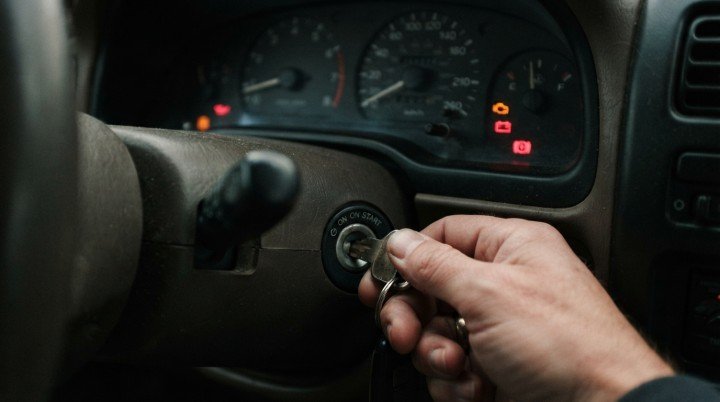
A severe or multi-cylinder misfire may also cause the engine to stall at idle. Repeated stalling should be inspected promptly, especially if it makes the vehicle difficult to control in traffic.
Match the Symptom to the Moment
The timing of the problem often provides a better clue than the symptom alone.
| When the problem appears | Possible diagnostic direction |
|---|---|
| Only during a cold start | Ignition condition, injector sealing, compression, or possible coolant intrusion |
| Mostly at idle | Vacuum leak, EGR problem, injector fault, or low compression |
| During moderate or heavy acceleration | Spark strength, spark plug condition, injector flow, or fuel pressure |
| After the engine warms up | Heat-sensitive coil, wiring, sensor, or fuel-delivery fault |
| Under nearly all driving conditions | Persistent ignition, fuel, air-fuel mixture, or mechanical problem |
The value of tracking engine misfire symptoms is not simply knowing that the engine hesitates or loses power. Recording whether the problem occurs cold, hot, at idle, or under load helps a technician test the most relevant system instead of replacing parts based on guesswork.
7. A Steady or Flashing Check Engine Light
The engine computer monitors crankshaft speed as each cylinder completes its combustion cycle. If one cylinder contributes less power, the crankshaft may slow slightly at that point. When the computer detects this pattern, it can store a misfire-related diagnostic trouble code and switch on the Check Engine Light.
A P0300 code generally indicates a random or multiple-cylinder misfire. Codes such as P0301, P0302, and P0303 identify the cylinder where the computer detected the problem. For example, P0302 points to cylinder two.
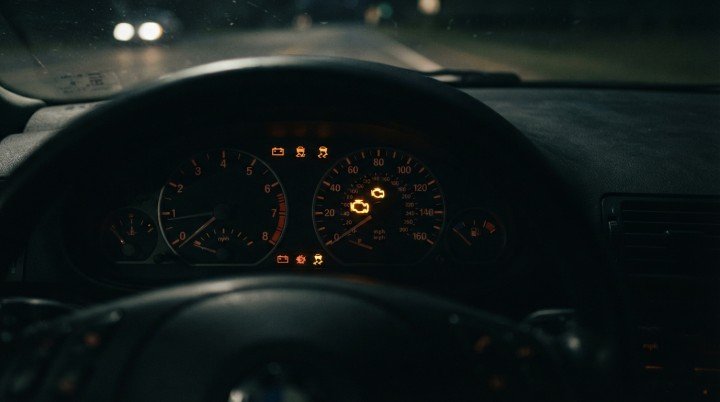
However, a cylinder-specific code does not prove that the spark plug or ignition coil is defective. That cylinder could also have an injector problem, air leak, wiring fault, low compression, or another mechanical issue.
A steady Check Engine Light usually allows time for prompt diagnosis if the vehicle is otherwise running normally. A flashing light is more urgent because it can indicate an active misfire capable of damaging the catalytic converter. If the light flashes while the engine shakes or loses substantial power, pull over safely, shut the engine off, and arrange professional assistance.
8. Poor Fuel Economy, Increased Emissions, or a Fuel Odor
A misfiring cylinder may receive fuel without burning it efficiently. The driver might press the accelerator farther to compensate for reduced power, causing fuel consumption to increase.
Incomplete combustion can also raise exhaust emissions. In some cases, a strong fuel odor may be noticeable near the vehicle. A persistent raw-fuel smell should be treated seriously because it could indicate unburned fuel or a fuel-system leak. Avoid continuing to drive and have the vehicle inspected in a safe location.

Poor fuel economy by itself does not confirm a misfire. Low tire pressure, driving conditions, sensor problems, fuel leaks, and many other faults can reduce mileage. It becomes more meaningful when it appears with rough running, power loss, or a misfire code.
What Causes an Engine Misfire?
Although many components can be involved, most causes fit into four essential categories. A cylinder needs a reliable spark, the correct fuel supply, a properly balanced air-fuel mixture, and adequate compression at the correct time.
1. Weak or Missing Spark
Worn or fouled spark plugs are common ignition-related causes. Excessive plug gap can make it harder for the spark to jump, especially under acceleration. A weak ignition coil, damaged plug wire, corroded connector, or wiring fault can also interrupt spark delivery.
Because several components share the ignition process, visual condition, service history, scan data, and appropriate professional testing should support the diagnosis before parts are replaced.
2. Incorrect Fuel Delivery
A restricted injector may deliver too little fuel, while a leaking injector may deliver too much. Low fuel pressure can affect multiple cylinders, particularly when the engine is under load. Contaminated fuel, pump problems, electrical faults, and injector-control issues may also cause incomplete combustion.
3. An Incorrect Air-Fuel Mixture
Vacuum leaks can allow unmeasured air to enter the engine and create a mixture that is too lean to burn reliably. Incorrect information from a mass airflow, manifold-pressure, or oxygen sensor may also affect fuel calculations.
A malfunctioning EGR or purge system can disturb combustion as well. These faults may create random misfires rather than consistently affecting one cylinder.
4. Low Compression or Incorrect Timing
Even with the correct spark and fuel, a cylinder cannot produce normal power without adequate compression. Leaking valves, worn internal components, a head-gasket problem, or cylinder damage may reduce compression.
Incorrect camshaft timing, a stretched timing chain, or related valve-timing faults can affect several cylinders. Mechanical causes are especially important to investigate when ignition and fuel checks do not explain a persistent cylinder-specific misfire.
Decode the Code—Don’t Buy the Part Yet
A useful diagnosis connects engine misfire symptoms with the stored code and the conditions under which it appeared. Freeze-frame data may show engine speed, temperature, load, and fuel-trim information from the moment the code was recorded.
The most important distinction is this: a code identifies the cylinder or misfire pattern, not necessarily the failed component. Replacing the coil named by a cylinder number without confirming the cause can waste money and leave the original problem unresolved.
How a Misfire Should Be Confirmed
Diagnosis should begin by confirming whether the misfire affects one cylinder or several and whether it occurs cold, hot, at idle, or under load. Maintenance history and recent repairs can provide additional clues.
A technician may then inspect the relevant ignition components, evaluate scan data and fuel trims, check for intake leaks, and test fuel delivery. If those systems appear normal, compression, leak-down, injector, or other mechanical tests may be needed.
Avoid unplugging ignition coils while the engine is running or attempting open-spark tests. Modern ignition systems can produce high voltage, and moving or hot engine components create additional risk.
Can a Misfire Damage the Catalytic Converter?
Yes. When fuel enters the exhaust without burning correctly inside the cylinder, it can overheat the catalytic converter. A minor ignition repair can become a much more expensive exhaust-system repair if an active misfire is ignored.
The vehicle should not continue to be driven when the Check Engine Light is flashing, the engine is shaking severely, power has dropped substantially, the vehicle repeatedly stalls, a strong fuel or burning odor is present, or the engine is overheating.
The Question to Ask Before Approving a Repair
Before authorizing parts, ask:
“Which cylinder is misfiring, under what conditions, and what evidence shows whether the missing ingredient is spark, fuel, air, or compression?”
A clear answer should include test evidence—not just the trouble-code number.
Final Fingerprint
When engine misfire symptoms appear, focus on the pattern rather than guessing which part has failed. Notice whether the problem affects idle, cold starting, acceleration, or all driving conditions, and determine whether the computer reports one cylinder or several.
That fingerprint can guide an efficient diagnosis, prevent unnecessary parts replacement, and help stop a small combustion fault from damaging the catalytic converter or creating a more serious drivability problem.
Kevin Nicholas is an automotive mechanic and editor of The Effective Guide. He writes about warning lights, car problems, and diagnostic tools, helping drivers understand what to check before replacing a part.