
Last Updated on October 7, 2026
You press the accelerator, but the car does not respond with the power it once had. It may hesitate from a stop, struggle uphill, or feel as if something is holding it back at highway speed.
A car losing power when accelerating does not always have an engine problem. The engine may be unable to produce enough power, or it may be producing power that the transmission cannot transfer to the wheels.
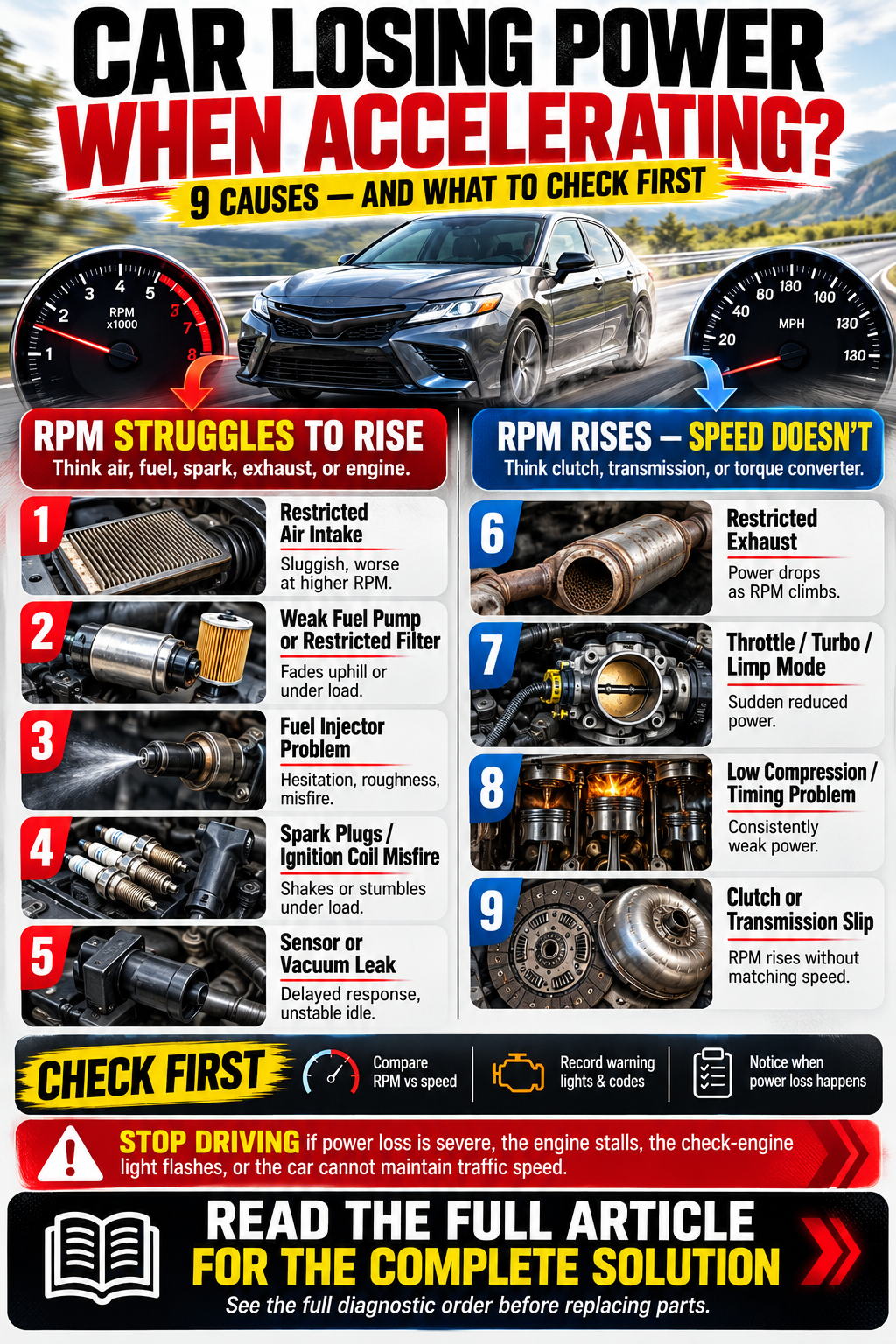
The quickest way to narrow the possibilities is to compare engine RPM with vehicle speed and notice exactly when the power loss occurs. That simple distinction can keep you from replacing sensors, fuel-system components, or transmission parts based on guesswork.
Quick Answer: Why Is My Car Losing Power When Accelerating?
Common causes include restricted airflow, weak fuel delivery, dirty injectors, an ignition misfire, incorrect sensor data, a blocked exhaust, electronic throttle or turbo problems, low engine compression, and transmission or clutch slip.
Before replacing anything, observe the RPM, check the dashboard, and record whether the problem occurs from a stop, uphill, or during higher-speed acceleration.
Follow the Power Path
Use the vehicle’s response to decide where the diagnosis should begin.
| What Happens When You Accelerate | Most Likely Direction |
|---|---|
| RPM struggles to rise and the engine bogs | Air, fuel, spark, exhaust, or internal engine problem |
| RPM rises quickly but vehicle speed does not | Clutch, transmission, or torque converter |
| Power suddenly becomes limited | Limp mode, throttle, sensor, or boost fault |
| Power fades mainly uphill or at higher speed | Fuel pressure, ignition, airflow, boost, or exhaust restriction |
| Power returns after restarting | Intermittent electronic or control-system problem |
This power-path split is important because a slipping transmission can feel like weak acceleration even when the engine is producing power normally.
What You Should Check First
Before inspecting individual parts, answer these questions:
- Does the engine shake, sputter, or misfire?
- Does RPM rise without a matching increase in speed?
- Is the problem worse uphill or under heavy throttle?
- Did a check-engine or reduced-power warning appear?
- Does the vehicle produce black smoke or an unusual odor?
- Did the problem begin after refueling, maintenance, or another repair?
Read and record any stored or pending OBD2 codes before clearing them. According to the U.S. Environmental Protection Agency, the OBD system monitors emissions-related and certain engine components and may identify a fault before the driver notices an obvious symptom.
A code gives you a diagnostic direction. It does not automatically confirm which part has failed.
9 Causes of a Car Losing Power When Accelerating
1. The Air Intake Is Restricted
An engine needs more air as the throttle opens and power demand rises. A severely clogged air filter, blocked intake passage, damaged duct, or collapsed hose can restrict that airflow.
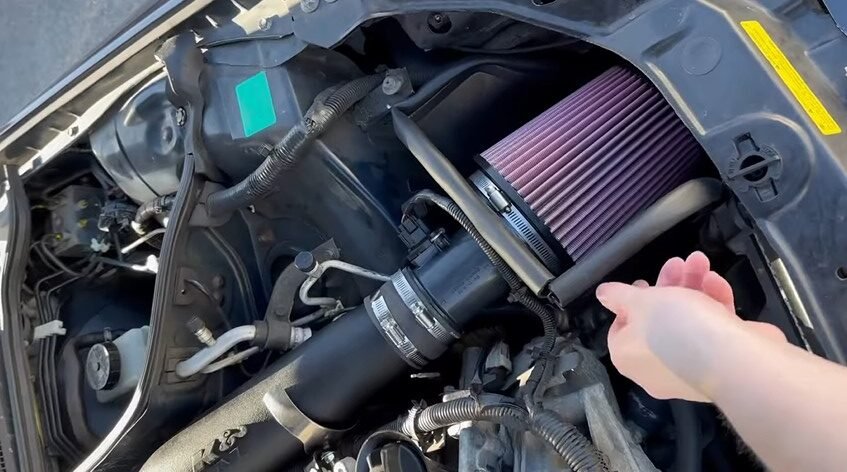
Acceleration fingerprint: The engine feels generally sluggish, throttle response is slow, and the problem becomes more noticeable as RPM increases. Some vehicles may also produce black smoke if the air-fuel mixture becomes too rich.
What to check first: Review when the air filter was last serviced and have the filter housing, intake ducts, and hoses inspected. A loose hose after recent maintenance can also disturb airflow readings.
A dirty filter may be part of the problem, but it should not automatically be blamed if warning lights, misfires, or other symptoms point elsewhere.
2. The Fuel Pump or Fuel Filter Cannot Keep Up
An engine requires relatively little fuel at idle. During acceleration, fuel demand increases quickly. A weak fuel pump, restricted serviceable fuel filter, faulty regulator, or electrical supply problem may provide enough fuel for idling but not enough under load.
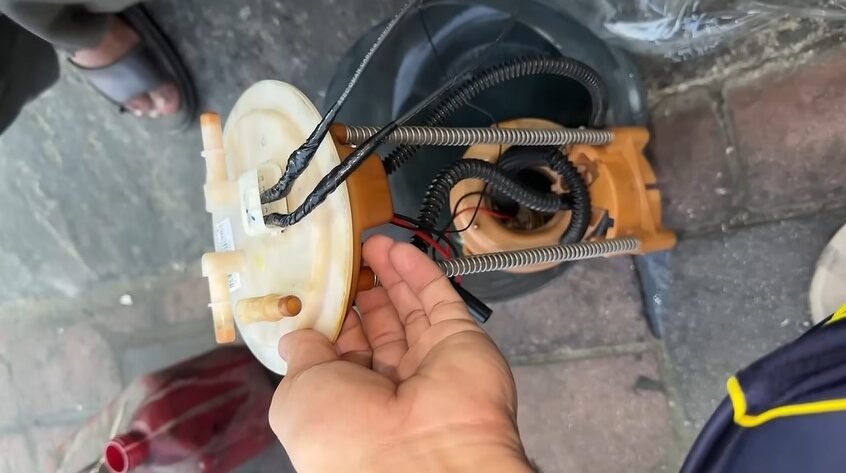
Acceleration fingerprint: The car initially moves but then feels as if it is running out of power. The problem may become worse uphill, during sustained highway acceleration, or when the engine is hot.
Other clues may include:
- Long cranking
- Sputtering
- Surging
- Intermittent stalling
- Lean-mixture codes
What to check first: Compare the symptoms with fuel-pressure and fuel-volume test results. Do not replace the pump based only on sluggish acceleration, because ignition, airflow, or electrical faults can create similar behavior.
3. The Fuel Injectors Are Not Delivering Fuel Correctly
Fuel injectors must deliver the correct amount of fuel to each cylinder. A restricted injector may create a lean cylinder, while a leaking injector may deliver too much fuel. An electrical or wiring problem can stop an injector from operating correctly.
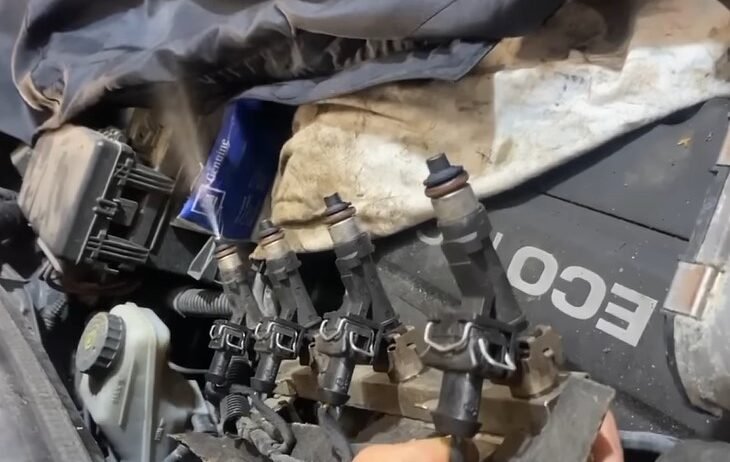
Acceleration fingerprint: The vehicle hesitates, shakes, or misfires when extra power is requested. Rough idle, poor fuel economy, black smoke, or cylinder-specific codes may also appear.
What to check first: Review fuel trims, misfire counts, injector control, and fuel pressure. A cylinder misfire code does not prove that the injector is faulty; spark plugs, coils, wiring, air leaks, and compression problems must also be considered.
When a car losing power when accelerating also has rough running or black smoke, fuel delivery should be diagnosed promptly rather than treated with random fuel additives.
4. The Spark Plugs or Ignition Coils Are Misfiring Under Load
Ignition components can appear normal at idle but fail when the engine is asked to produce more power. Cylinder pressure rises during acceleration, making it harder for a weak spark to ignite the mixture consistently.
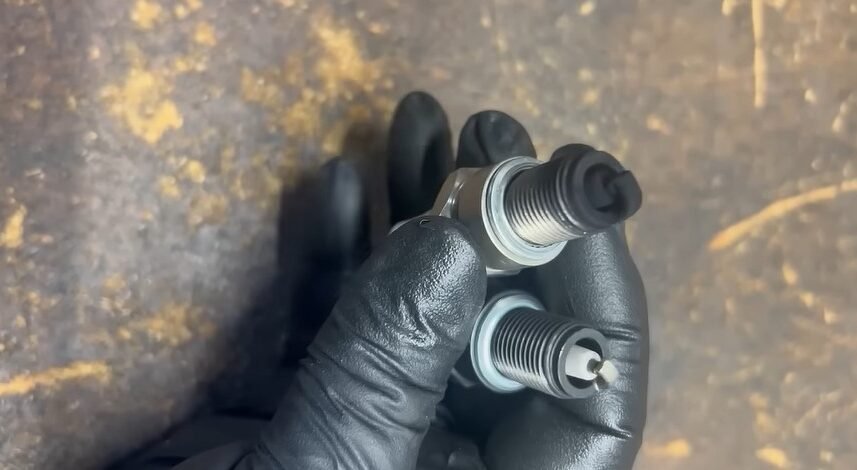
Acceleration fingerprint: The engine shakes, stumbles, or hesitates when you press the gas. The problem may be worse uphill, and the check-engine light may flash during heavy acceleration.
Possible causes include:
- Worn or fouled spark plugs
- Weak ignition coils
- Damaged plug wires or coil boots
- Loose or corroded electrical connections
P0300 indicates a random or multiple-cylinder misfire, while codes such as P0301 or P0302 identify the cylinder where misfire activity was detected. They do not confirm which part failed.
What to check first: Compare misfire counts, plug condition, coil operation, wiring, injector performance, and compression before replacing parts.
A flashing check-engine light needs prompt attention because an active misfire may overheat the catalytic converter.
5. A Sensor or Vacuum Leak Is Disturbing the Air-Fuel Mixture
Modern engines depend on several sensors to calculate airflow, fuel delivery, ignition timing, and throttle response. Incorrect data can make a car hesitate or lose power even when the engine’s mechanical parts are healthy.
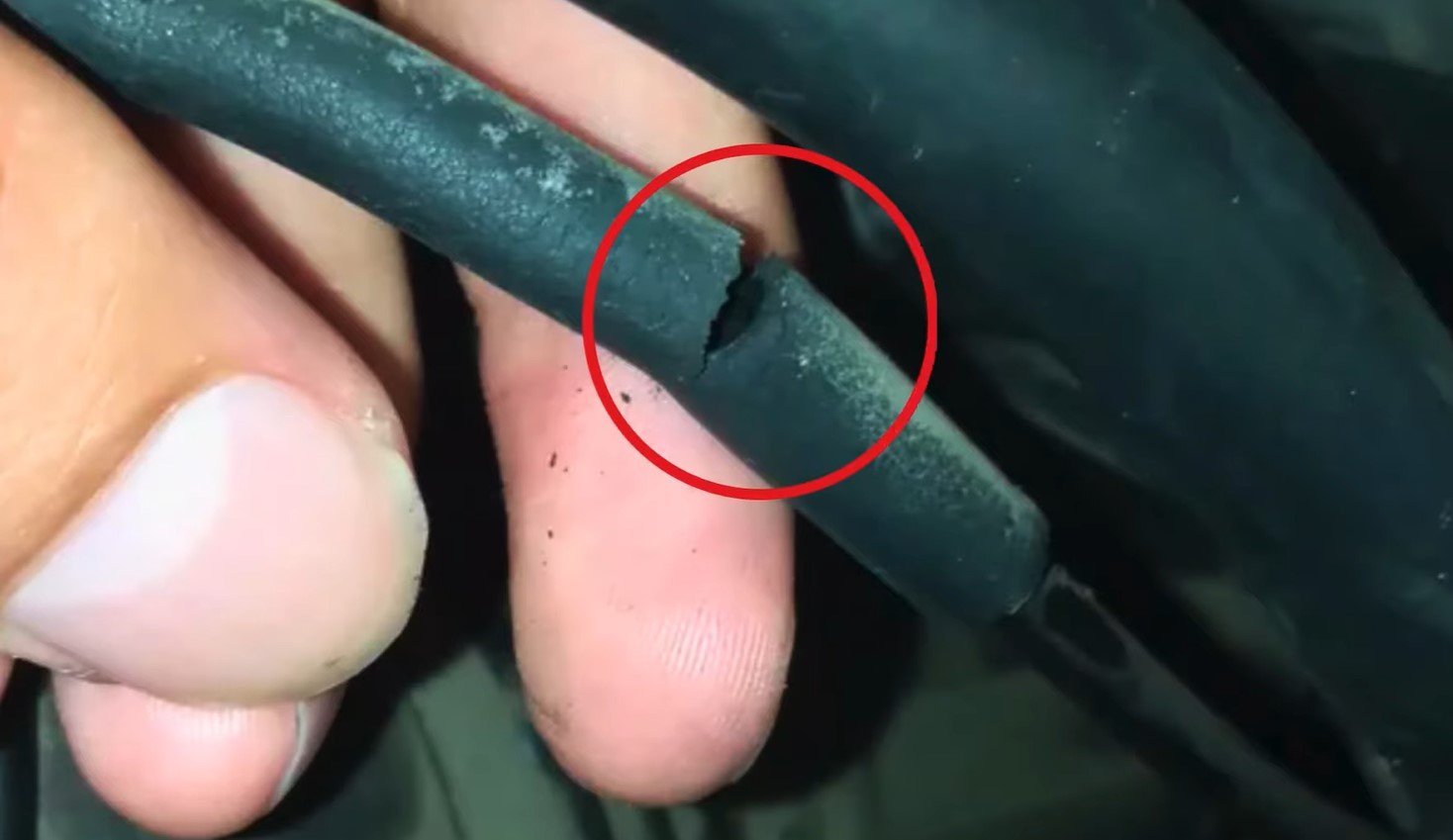
Possible sources include:
- Mass airflow sensor
- Manifold absolute pressure sensor
- Throttle-position sensor
- Oxygen or air-fuel-ratio sensor
- Intake or vacuum leak
Acceleration fingerprint: Delayed throttle response, unstable idle, reduced fuel economy, hesitation, or black smoke. A lean condition may feel like the engine is starving, while an excessively rich mixture can make it bog down.
What to check first: Inspect the intake system and compare live sensor readings with fuel trims and operating conditions. A MAF or oxygen-sensor code does not automatically prove that the named sensor needs replacement.
If a car losing power when accelerating also has unusually high idle, a vacuum or intake leak deserves particular attention.
6. The Exhaust System Is Restricted
The engine must push burned gases out before it can efficiently draw in the next air-fuel charge. A restricted catalytic converter, collapsed muffler, damaged exhaust pipe, or clogged diesel particulate filter can create excessive backpressure.
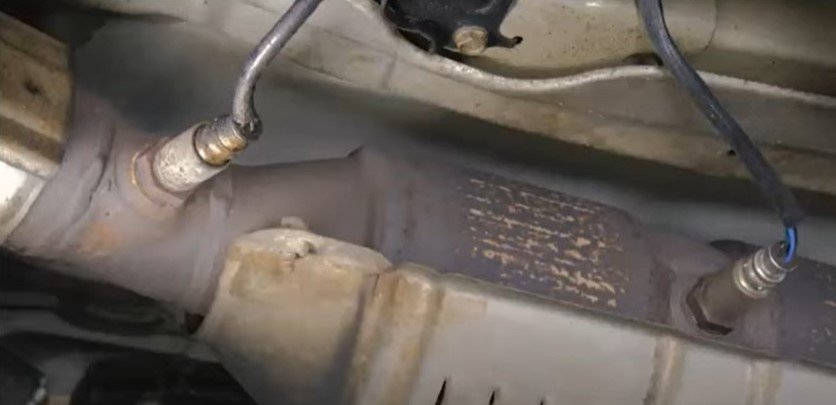
Acceleration fingerprint: The engine may feel acceptable at low speed but lose power as RPM and exhaust flow increase. It may struggle to reach highway speed or feel as if something is holding it back.
Other clues can include:
- Excessive heat
- Poor fuel economy
- Unusual exhaust odor
- Catalyst-efficiency or DPF-related codes
- Reduced top-end power
What to check first: Check for misfires, rich fuel mixture, oil burning, or other problems that may have damaged the converter. Confirm exhaust restriction before replacing expensive components.
A catalytic-converter code describes efficiency. It does not necessarily prove that the converter is the original cause.
7. The Electronic Throttle, Turbo, or Limp Mode Is Limiting Power
Some vehicles intentionally reduce engine output when the computer detects a fault that could cause damage. This is commonly called reduced-power or limp mode.
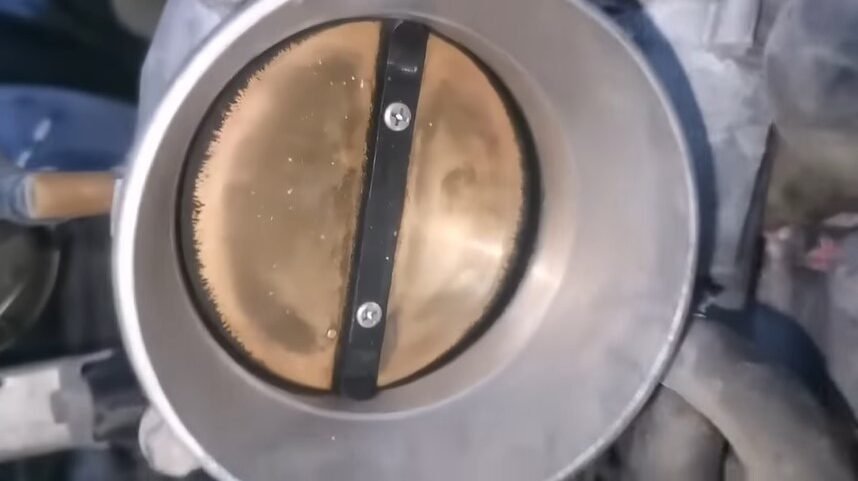
Possible triggers include:
- Electronic throttle-control fault
- Accelerator-pedal position-sensor problem
- Throttle actuator problem
- Turbo boost leak
- Wastegate or boost-control fault
- EGR-system problem
- Transmission or wiring fault
Acceleration fingerprint: Power suddenly becomes limited, RPM may stop climbing beyond a certain range, and the vehicle may display a reduced-power or check-engine warning. In some cases, normal power temporarily returns after restarting.
What to check first: Record the warning messages and read engine and transmission codes before clearing them. Restarting may remove the symptom temporarily, but it does not repair the fault.
If the vehicle cannot maintain traffic speed or repeatedly enters reduced-power mode, minimize driving and arrange professional diagnosis.
8. The Engine Has Low Compression or Incorrect Timing
Each cylinder must seal properly and operate at the correct time to produce power. Worn internal components, valve problems, incorrect camshaft timing, or a variable-valve-timing fault can reduce engine output.
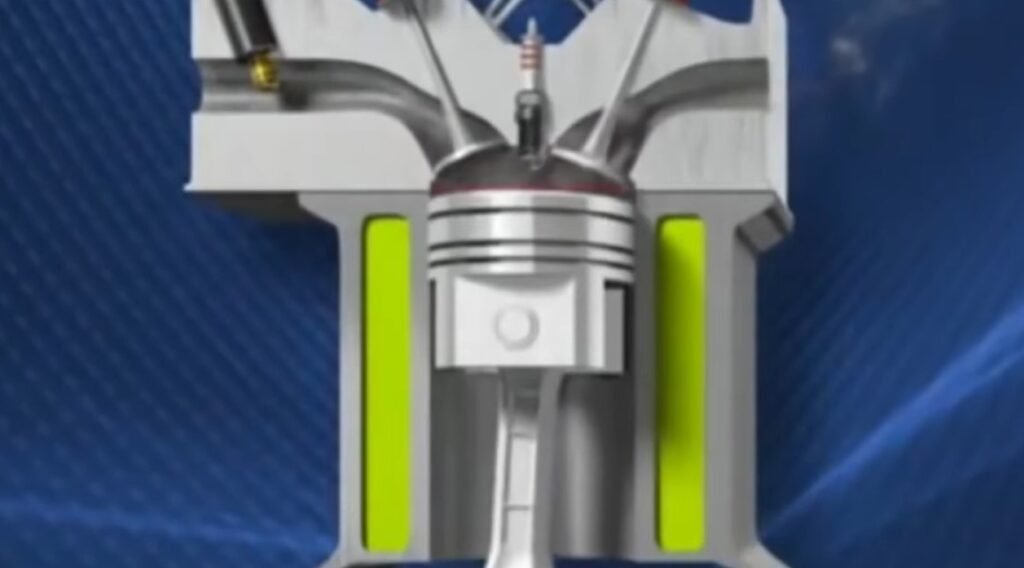
Acceleration fingerprint: Power is consistently low rather than occasionally interrupted. The vehicle may also have hard starting, rough idle, unusual engine noise, smoke, or multiple-cylinder misfires.
What to check first: Review timing-related codes and compare compression across the cylinders. A compression or leak-down test can help separate an internal engine problem from ignition or fuel-system faults.
Urgency: Moderate to high, especially if the power loss is accompanied by overheating, heavy smoke, or abnormal noise.
9. The Clutch or Transmission Is Slipping
Sometimes the engine produces power correctly, but the drivetrain cannot transfer it to the wheels.
A worn clutch in a manual car, slipping automatic transmission, torque-converter problem, or internal hydraulic fault can create weak acceleration.

Acceleration fingerprint: Engine RPM rises quickly, but vehicle speed does not increase at the same rate. Other clues may include delayed engagement, abnormal shifting, or a burning odor.
This differs from an engine bog. When the engine bogs, RPM struggles to increase. When the transmission or clutch slips, RPM increases without matching acceleration.
What to check first: Compare engine speed, vehicle speed, selected gear, and transmission codes. Do not replace engine sensors when the stronger evidence points to a power-transfer problem.
Urgency: High if the vehicle cannot accelerate reliably or safely maintain traffic speed.
When You Should Stop Driving
A car losing power when accelerating can become a safety problem during merging, passing, or hill climbing.
Pull over safely and arrange assistance if you notice:
- Sudden severe power loss
- Repeated stalling
- Flashing check-engine light with heavy shaking
- Temperature or oil-pressure warning
- Smoke or a strong fuel or burning odor
- Loud knocking
- Inability to maintain traffic speed
Manufacturer guidance warns that fail-safe mode may limit speed and can sometimes lead to further power loss or engine shutdown. Ford owner guidance
Check the Systems in the Right Order
A sensible diagnostic sequence is:
- Compare RPM with vehicle speed.
- Record warning lights and OBD2 codes.
- Review overdue maintenance.
- Check misfire and fuel-trim data.
- Test fuel delivery, airflow, and sensors.
- Confirm exhaust or boost restrictions.
- Test compression and timing.
- Evaluate clutch or transmission operation.
A trouble code is a direction, not a confirmed diagnosis.
Quick Questions
Why Does My Car Lose Power Only Uphill?
Climbing increases engine load. Weak fuel delivery, ignition misfire, restricted airflow, low boost, or poor compression may become noticeable only when more power is required.
Why Does the Engine Rev but the Car Barely Accelerate?
That pattern points more strongly toward clutch, transmission, or torque-converter slip than an engine airflow or fuel problem.
Why Does Power Return After Restarting?
Restarting may temporarily exit limp mode, but the original throttle, boost, sensor, wiring, or transmission fault can return.
Can Power Loss Happen Without a Check-Engine Light?
Yes. A restricted filter, early fuel-pressure problem, mechanical wear, or transmission slip may not illuminate the light immediately.
Final Takeaway
If your car is losing power when accelerating, begin with the power path: determine whether the engine is struggling to build RPM or whether RPM rises without matching vehicle speed.
Use symptoms, codes, and proper testing before replacing parts. Prompt diagnosis is especially important when the vehicle shakes, stalls, enters reduced-power mode, or cannot maintain traffic speed.
Kevin Nicholas is an automotive mechanic and editor of The Effective Guide. He writes about warning lights, car problems, and diagnostic tools, helping drivers understand what to check before replacing a part.