
Last Updated on August 9, 2026
A rough idle, engine misfire, or sudden loss of acceleration can make a fuel injector look guilty. But those symptoms do not confirm that the injector itself has failed. A worn spark plug, weak ignition coil, vacuum leak, low fuel pressure, wiring fault, or compression problem can produce almost the same behavior.
A bad fuel injector can also fail in different ways. It may become restricted and deliver too little fuel, leak and deliver too much, or stop operating because of an electrical problem. Understanding that failure pattern is more useful than treating every injector symptom as the same problem.
This article explains the 11 most important warning signs, how technicians separate injector trouble from similar faults, and when cleaning may help instead of wasting money on unnecessary replacement.
What Are the Symptoms of a Bad Fuel Injector?
Common symptoms of a bad fuel injector include rough idle, engine misfires, hesitation, weak acceleration, hard starting, stalling, poor fuel economy, unstable RPM, a check-engine light, black exhaust smoke, fuel odor, and increased emissions.
The exact combination depends on whether the injector is restricted, leaking, or electrically inactive. One symptom alone is not enough to confirm the diagnosis.
A Bad Fuel Injector Does Not Always Fail the Same Way
A fuel injector is an electronically controlled valve that meters fuel into the engine. Its timing, delivery volume, and spray pattern must remain accurate for the cylinder to produce consistent power.
| Failure Pattern | What Happens | Typical Evidence | Can Cleaning Help? |
|---|---|---|---|
| Restricted or dirty | Cylinder receives too little fuel or a poor spray pattern | Lean misfire, hesitation, weak acceleration | Sometimes |
| Leaking or stuck open | Cylinder receives too much fuel | Hard starting, black smoke, rich condition | Usually not if mechanically damaged |
| Electrical failure | Injector does not respond correctly | Dead cylinder or injector-circuit code | No |
| Uneven flow | Fuel delivery differs between cylinders | Rough idle and inconsistent performance | Professional testing decides |
This distinction matters because cleaning can sometimes remove deposits, but it cannot repair damaged wiring, a failed injector coil, a cracked body, or a mechanical defect.
11 Symptoms of a Bad Fuel Injector
1. The Engine Idles Roughly
At idle, every cylinder should contribute a similar amount of power. If one injector delivers too much fuel, too little fuel, or an uneven spray, combustion becomes inconsistent and the engine may begin to shake.
The roughness is often most noticeable while the car is stopped in Drive or sitting at a traffic light. RPM may fluctuate slightly, and the engine may feel as though one cylinder is not working as smoothly as the others.
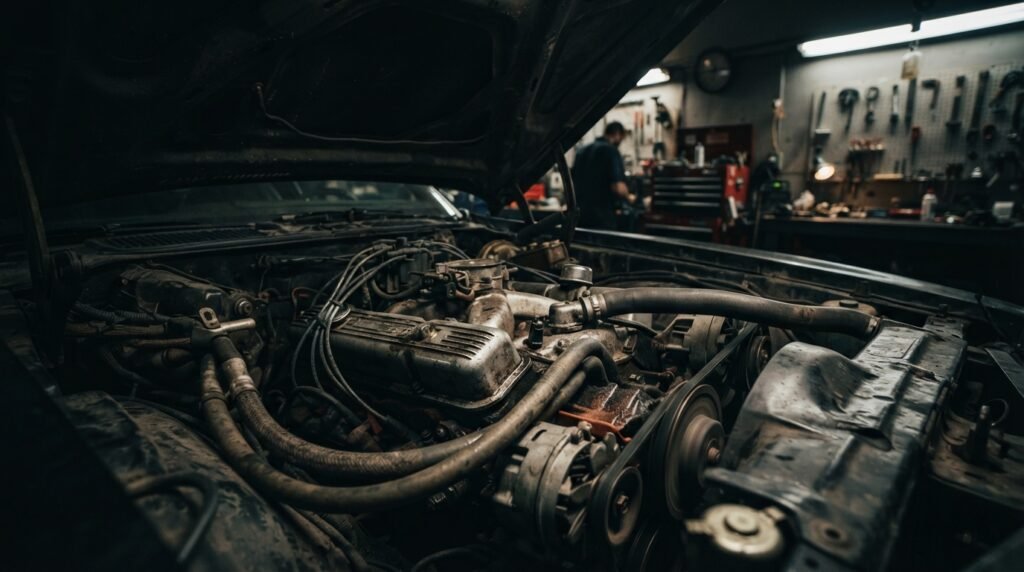
However, rough idle is not unique to injector trouble. Spark plugs, ignition coils, vacuum leaks, dirty throttle components, and low compression can create the same symptom. Injector diagnosis should therefore begin by identifying whether one cylinder is weak and whether the mixture appears rich or lean.
2. The Engine Misfires or Shakes
A restricted or electrically inactive injector may fail to provide enough fuel for proper combustion. A leaking injector can also create a misfire by making the mixture too rich.
The vehicle may shake at idle, stumble under load, or feel uneven during acceleration. The check-engine light may turn on and store a random misfire code such as P0300 or a cylinder-specific code such as P0301 through P0308.
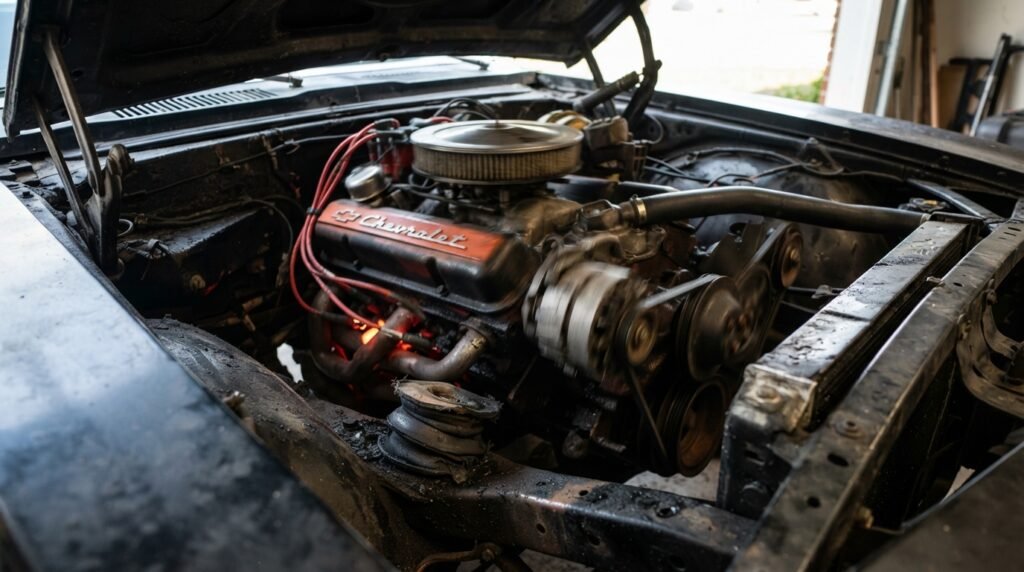
Those codes identify where the computer detected misfire activity, not what caused it. The same code could result from a bad fuel injector, worn spark plug, weak coil, damaged wiring, air leak, or mechanical engine problem.
A flashing check-engine light combined with severe shaking needs prompt professional attention because continued misfiring may damage the catalytic converter.
3. The Car Hesitates or Loses Power During Acceleration
Fuel demand increases when the accelerator is pressed. An injector with restricted flow may provide enough fuel for idling but fail to keep up when the cylinder needs more.
The result may feel like a brief pause, stumble, or loss of power. The problem can become more noticeable during highway acceleration, passing, or climbing a hill.

A single restricted injector often causes uneven engine performance or a cylinder-specific misfire. By comparison, a weak fuel pump or restricted fuel supply may affect several cylinders and create a broader loss of power.
Before blaming the injector, technicians should compare misfire data, fuel trims, injector contribution, and overall fuel pressure.
4. The Engine Becomes Difficult to Start
A bad fuel injector can cause different starting patterns depending on how it has failed. A restricted injector may provide too little fuel during a cold start, leading to longer cranking or uneven running immediately after the engine starts.
A leaking or stuck-open injector may allow excess fuel into a cylinder after shutdown. This can make restarting a warm engine more difficult and may produce rough running for several seconds after it starts.

Hard starting can also result from a weak battery, low fuel pressure, ignition trouble, temperature-sensor faults, or loss of compression. The timing of the symptom—cold start, warm restart, or every start—provides an important clue, but testing is still required before confirming a bad fuel injector.
Layer Two: What the Car Reveals
The first four symptoms describe what you may feel while driving. The next signs provide stronger evidence because they reveal how the engine, exhaust, and onboard computer are responding to an injector problem.
5. The Engine Stalls Unexpectedly
An injector that supplies too little fuel can make combustion unstable, especially when the engine is idling or slowing to a stop. The RPM may fall suddenly, and the engine may stall at a traffic light or shortly after starting.
However, stalling can also result from an air-intake problem, weak fuel pressure, a dirty throttle body, or an electrical fault. Stalling alone does not confirm a bad fuel injector, but it becomes more meaningful when combined with misfires, rough idling, or hesitation.
6. Fuel Economy Gets Noticeably Worse
A leaking or stuck-open injector may deliver more fuel than the cylinder can burn efficiently. The engine control module may also adjust fuel delivery while trying to compensate for an uneven air-fuel mixture. Either situation can reduce gas mileage.
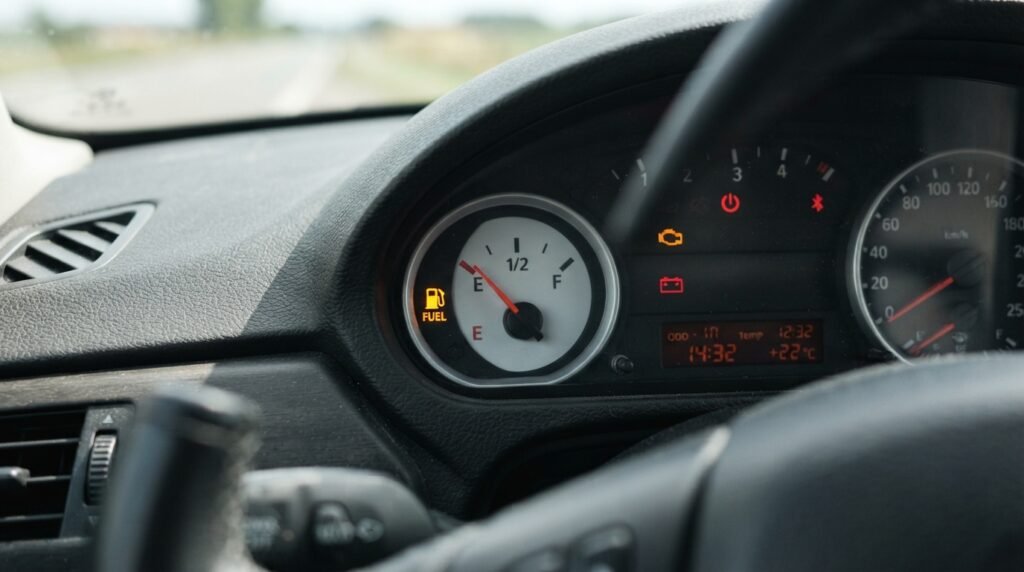
A small change in fuel economy can come from driving conditions, tire pressure, or weather. A sudden drop accompanied by rough performance, a fuel smell, or black exhaust smoke deserves professional diagnosis.
7. The RPM Surges or Fluctuates
A healthy engine should maintain a relatively stable RPM at idle. If an injector delivers fuel inconsistently, the tachometer may move up and down even when the accelerator pedal remains still.
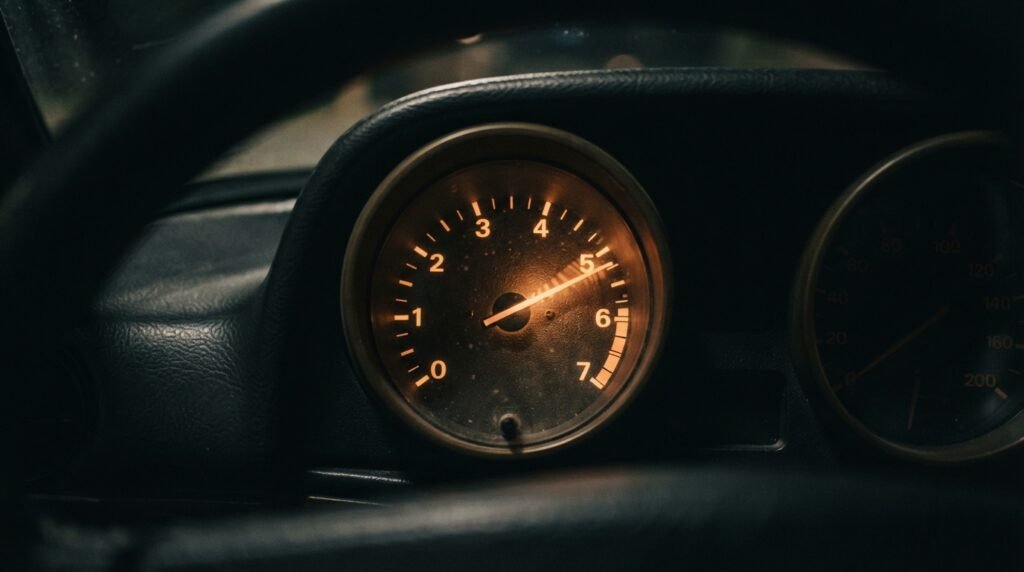
You might also feel the vehicle surge gently while maintaining a steady speed. This can indicate uneven injector flow, although vacuum leaks, throttle-control faults, and sensor problems can create similar behavior.
8. The Check Engine Light Comes On
A bad fuel injector can disturb combustion enough for the vehicle’s computer to detect a misfire or an abnormal air-fuel mixture. Depending on the cause, a scan may reveal cylinder-specific misfire codes, lean or rich mixture codes, or an injector-circuit fault.
The code is a starting point—not a final diagnosis. For example, a cylinder misfire can be caused by a spark plug, ignition coil, wiring problem, low compression, or injector fault. The affected systems should be tested before any component is replaced.

A flashing check engine light usually indicates a severe active misfire that could damage the catalytic converter. Reduce driving and arrange prompt professional service.
9. Black Smoke or Dark Soot Appears
When an injector leaks or remains open too long, the cylinder may receive excessive fuel. The mixture can become too rich, producing dark exhaust smoke or unusual soot near the tailpipe.

Black smoke may also result from incorrect sensor readings, excessive fuel pressure, or an air-intake restriction. Because prolonged rich operation can contaminate the engine oil and harm the catalytic converter, it should not be ignored.
10. You Notice a Strong Fuel Odor
A raw-fuel smell may mean fuel is not burning completely, but it can also indicate an external leak. This is one of the more urgent symptoms associated with a bad fuel injector or a damaged injector seal.

If the odor is strong or you notice visible wetness around the vehicle, switch off the engine, do not touch the liquid, and do not continue driving. Keep away from flames or sparks and arrange professional assistance or towing.
11. The Vehicle Fails an Emissions Test
An injector that delivers too much or too little fuel can increase harmful exhaust emissions. Rich operation may raise hydrocarbon or carbon-monoxide readings, while a lean misfire can allow unburned fuel to enter the exhaust.
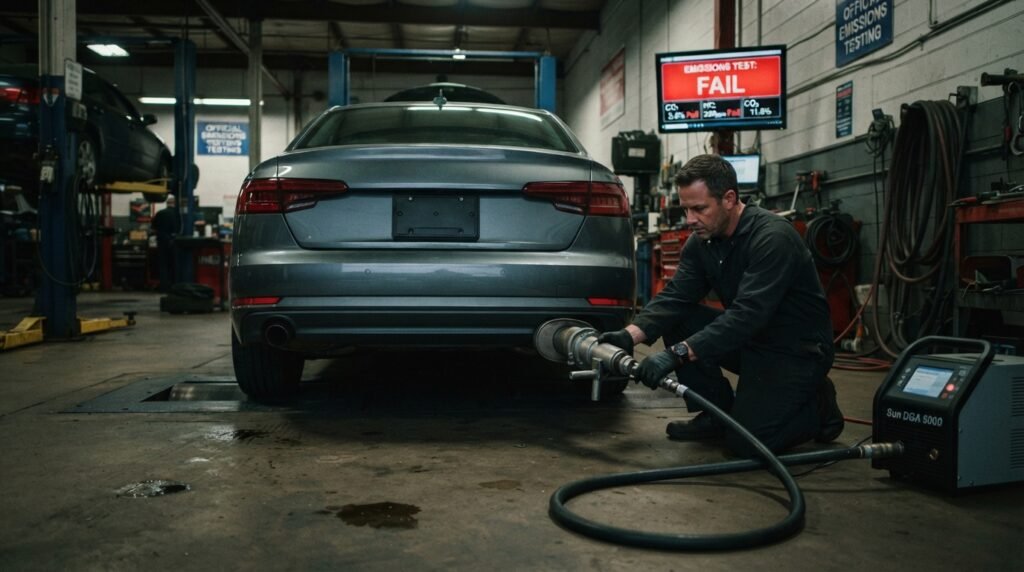
An emissions-test failure does not automatically prove that an injector is responsible. The repair shop should examine diagnostic codes, fuel-trim data, ignition performance, and injector operation before recommending cleaning or replacement.
Reading the Evidence Together
No single symptom confirms an injector failure. Suspicion becomes stronger when several related clues appear together—for example, a cylinder-specific misfire, rough idle, poor fuel economy, and a rich or lean fuel-trim reading. Part 3 explains how technicians separate an injector problem from ignition, compression, wiring, and fuel-pressure faults—and when professional cleaning can actually help.
The Diagnosis Ladder: How a Bad Fuel Injector Is Confirmed
Because injector symptoms overlap with many other engine problems, diagnosis should move from general evidence to injector-specific testing.
Step 1: Identify the Affected Cylinder
A technician normally begins by reading trouble codes, freeze-frame information, fuel-trim data, and cylinder misfire counts. This helps determine whether the problem affects one cylinder or the entire engine.
A cylinder-specific misfire may increase suspicion of a bad fuel injector, but the code does not identify the failed part by itself.
Step 2: Rule Out the Common Look-Alikes
Before blaming the injector, the technician should examine other possible causes, including the spark plug, ignition coil, wiring, vacuum leaks, fuel pressure, and engine compression.
This step matters because replacing an injector will not correct weak ignition, damaged wiring, low compression, or a failing fuel pump.
Step 3: Test Injector Operation
If the other systems appear healthy, professional injector testing can compare electrical response, cylinder contribution, pressure change, leakage, and fuel delivery. In some cases, the injector must be evaluated with specialized flow-testing equipment.
These tests help distinguish a restricted injector from one that is leaking, mechanically damaged, or electrically inoperative.
When Can Injector Cleaning Help?
Cleaning may help when deposits have partially restricted an injector or distorted its spray pattern. The best candidate is an injector that remains electrically functional, has no external leak, and shows a confirmed flow imbalance caused by contamination.
However, cleaning should not be treated as a guaranteed cure for every bad fuel injector. It cannot repair a failed electrical coil, broken connector, cracked injector body, damaged seal, or worn internal component. A mechanically stuck or leaking injector may require replacement.
Avoid repeatedly purchasing cleaning services without confirming the cause. If the real problem is an ignition coil, compression loss, fuel-pressure fault, or air leak, injector cleaning will not solve it.
When Should You Stop Driving?
Arrange prompt professional help if the check engine light flashes, the engine shakes severely, repeatedly stalls, produces heavy black smoke, or loses substantial power.
A strong raw-fuel odor or visible fuel leak requires greater caution. Switch off the engine, do not continue driving, and arrange towing or professional assistance. Modern gasoline direct-injection and diesel systems can operate at extremely high pressure, so their diagnosis and repair should be handled by a qualified technician.
Frequently Asked Questions
Can one bad injector damage the engine?
Yes. Continued lean misfiring may increase cylinder temperatures, while excessive fuel can contaminate the oil and damage the catalytic converter. Early diagnosis reduces the chance of additional repairs.
Should all injectors be replaced together?
Not automatically. The decision depends on test results, injector condition, engine design, mileage, and labor cost. Sometimes replacing only the confirmed failed injector is reasonable; in other cases, matched servicing may be recommended.
Final Thoughts
A bad fuel injector can cause rough idle, misfires, hesitation, hard starting, stalling, poor fuel economy, unstable RPM, warning lights, black smoke, fuel odor, and failed emissions testing. Yet these symptoms are evidence—not proof.
The safest way to avoid wasting money is to identify the affected cylinder, rule out ignition and mechanical faults, and confirm injector performance through professional testing. Cleaning makes sense when deposits are responsible; electrical failure, leakage, or physical damage usually calls for repair or replacement.

Kevin Nicholas is an automotive technician who is a genius at software and hardware-related issues. He manually tested more than a hundred OBD scanners and gave his honest opinion on whether the device was worth the money or not. His in-depth OBD review articles help people choose the right product, whether it is a European, American, or Asian vehicle. He completed his Automotive Specialized Training Course at Universal Technical Institute and has more than 15 years of experience in the field.