
Last Updated on October 11, 2026
The C1225 code is a chassis-related diagnostic trouble code that, on many General Motors vehicles, indicates a problem with the left front wheel speed sensor circuit. When the Anti-lock Braking System (ABS) detects an irregular wheel speed signal, it may store this code and turn on the ABS warning light.
Wheel speed sensors monitor how quickly each wheel rotates. The ABS control module uses this information to help prevent wheel lockup during hard braking. When a sensor provides an incorrect signal, ABS and traction control may not work as intended.
However, C1225 is a manufacturer-specific code, so its exact meaning can vary between vehicles. Before replacing any parts, confirm the definition using your vehicle’s service information. If you’re unfamiliar with these sensors, our guide on how to identify a faulty ABS sensor explains the common warning signs and basic inspection methods.
This guide covers the C1225 code as a left front wheel speed sensor fault, including possible causes, symptoms, diagnosis, repair costs, and driving safety.
What Does the C1225 Code Mean?
On many Chevrolet, GMC, and other General Motors vehicles, the C1225 code means Left Front Wheel Speed Sensor Circuit Range/Performance or excessive variation in the left front wheel speed signal.
The ABS module compares the rotational speed of the wheels. If the left front sensor reports an unexpected or inconsistent reading compared with the other wheels, the module may store C1225.
This doesn’t necessarily mean the sensor itself has failed. Damaged wiring, a defective magnetic encoder, wheel bearing problems, or poor electrical connections can create similar readings.
Important: C1225 has different definitions on certain Ford, Toyota, and other vehicles. Always verify the manufacturer-specific description before following a wheel speed sensor repair procedure.
Common Causes of the C1225 Code
Several problems can trigger the C1225 code when it relates to the left front wheel speed sensor circuit.
- Faulty Wheel Speed Sensor: A damaged sensor may produce an inaccurate, intermittent, or missing wheel speed signal.
- Damaged Wiring: Broken, stretched, or shorted wires can interfere with communication between the sensor and ABS module.
- Corroded Connectors: Moisture and road salt can damage electrical terminals and interrupt the sensor signal.
- Faulty Wheel Hub or Bearing: Excessive bearing play or damage to an integrated magnetic encoder can cause irregular speed readings.
- Damaged Tone Ring: Cracked, missing, or corroded reluctor ring teeth can interfere with sensor operation.
- Incorrect Sensor Installation: Improper mounting, incorrect parts, or an excessive sensor gap can affect the signal on applicable designs.
- ABS Control Module Problems: Internal module failures are possible but less common than sensor, wiring, and hub problems.
Some general ABS faults, such as low brake fluid or hydraulic pump problems, may trigger their own codes. They should not automatically be considered direct causes of C1225.
1. Faulty Wheel Hub Assembly
The wheel hub supports the wheel and allows it to rotate smoothly. On many vehicles, the ABS sensor reads a magnetic encoder built into the bearing or hub assembly.
If the encoder becomes damaged or the bearing develops excessive play, the sensor may produce an irregular signal even though its electrical circuit is intact.
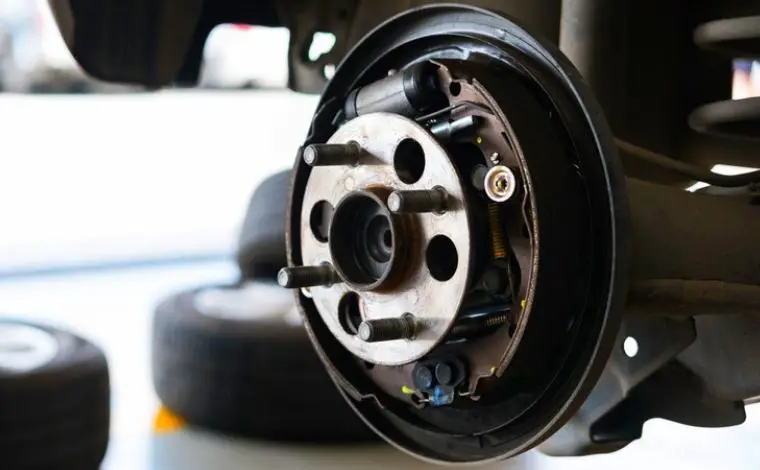
Check for wheel bearing noise, looseness, damaged encoder surfaces, and signs of improper installation.
A faulty hub doesn’t always produce obvious noise. In some cases, an encoder fault only becomes noticeable through irregular wheel speed readings.
2. Faulty Left Front Wheel Speed Sensor
The left front wheel speed sensor measures wheel rotation and sends information to the ABS control module.
Depending on the vehicle, the system may use a passive magnetic sensor or an active electronic sensor.
When the sensor fails, the ABS module may receive a missing or inconsistent signal.
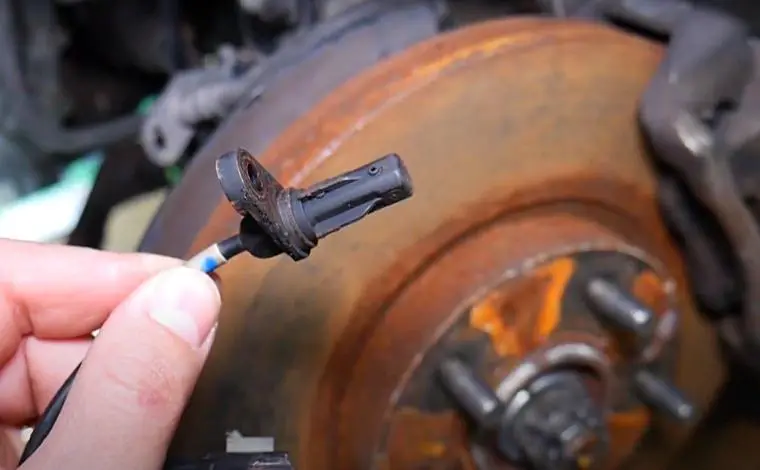
Common sensor problems include internal electrical failure, physical damage, contamination, and incorrect installation.
Before buying a replacement, use a scanner capable of reading ABS live data to confirm which wheel reports an abnormal speed.
3. Damaged Sensor Wiring or Connectors
Wheel speed sensor wiring is exposed to road debris, suspension movement, moisture, and temperature changes.
Over time, the harness may become damaged near the wheel hub or suspension components.
Common wiring problems include:
- Broken or exposed wires.
- Corroded electrical terminals.
- Loose sensor connectors.
- Wiring rubbing against suspension components.
- Intermittent connections caused by vibration.
An intermittent wiring fault may cause the ABS light to appear only while driving or when turning.
Inspect the harness carefully before replacing the sensor.
4. Incorrect Tire Sizes or Wheel Speed Differences
Vehicles equipped with ABS compare wheel rotation speeds to determine whether a wheel is slipping or locking.
Tires with significantly different rolling circumferences can cause wheel speed differences that may affect ABS or stability control operation.

However, mismatched tire sizes are not a typical direct cause of an electrical sensor fault. They are worth checking when the diagnostic data shows wheel speed differences without an obvious sensor or wiring failure.
Make sure tire sizes, inflation pressures, and overall tire condition meet the vehicle manufacturer’s recommendations.
Common Symptoms of the C1225 Code
The symptoms of the C1225 code depend on the vehicle and the type of ABS fault detected.
1. ABS Warning Light Turns On
The most common symptom is an illuminated ABS warning light.
When the ABS module cannot trust a wheel speed signal, it may disable anti-lock braking until the problem is corrected.
The conventional braking system may still function, but wheel lockup protection during emergency braking may be unavailable.
2. Traction Control or Stability Control Warning
Many vehicles use wheel speed information for traction control and electronic stability control.
If the sensor signal becomes unreliable, the vehicle may disable one or both functions and illuminate their warning indicators.
3. ABS Activates Unexpectedly
An incorrect wheel speed signal can sometimes make the ABS module think a wheel is about to lock.
This may cause unexpected brake pedal pulsation, particularly when braking at low speeds.
4. Unusual Wheel Speed Readings
An ABS-capable diagnostic scanner may show the left front wheel reading zero, dropping intermittently, or reporting a speed different from the other wheels.
These differences can help identify an intermittent sensor or encoder problem.
5. ABS and Brake Warning Lights Together
Some vehicles may illuminate multiple brake-related warning lights.
If a red brake warning light appears, check the parking brake and brake fluid level and pay attention to pedal feel. A red warning combined with poor braking requires immediate attention.
The Check Engine Light is not the primary warning associated with C1225 on most vehicles.
How to Diagnose the C1225 Code
Diagnosing the C1225 code correctly requires more than simply replacing the left front ABS sensor.
Step 1: Scan the ABS Control Module
Use a diagnostic scanner capable of reading ABS and chassis trouble codes.
Basic engine-code readers may not retrieve information from the ABS module.
Record the complete code, manufacturer-specific description, and any additional ABS trouble codes before clearing them.
Step 2: Compare Live Wheel Speed Data
If your scanner supports live ABS data, compare readings from all four wheel speed sensors while the wheels rotate under appropriate testing conditions.
Look for a left front reading that drops to zero, jumps unexpectedly, or differs noticeably from the other wheels.
This is one of the most useful ways to distinguish a wheel speed signal problem from an unrelated brake system fault.
Step 3: Inspect the Sensor and Wiring
Turn off the vehicle and inspect the sensor connector and wiring around the left front wheel.
Check for corrosion, physical damage, loose mounting hardware, and wiring that contacts moving suspension components.
Repair any visible wiring problems before replacing the sensor.
Step 4: Test the Wheel Speed Sensor
Use the manufacturer’s diagnostic procedure to test the sensor.
Passive magnetic sensors may be tested using resistance or AC voltage measurements. Active sensors often require power supply, ground, and signal testing or an oscilloscope.
Important: Resistance testing is not suitable for every type of wheel speed sensor. Avoid applying battery voltage directly to an unknown sensor.
Step 5: Inspect the Tone Ring and Wheel Bearing
Check the tone ring or magnetic encoder for damage, corrosion, missing teeth, and contamination.
Inspect the wheel bearing for excessive play or other signs of failure.
On some vehicles, the encoder is built into the hub assembly and cannot be replaced separately.
Step 6: Confirm the Repair
After repairing the problem, clear the code using the appropriate diagnostic scanner.
Complete a controlled test drive and confirm that the wheel speed readings remain consistent and the ABS warning light does not return.
How to Fix the C1225 Code
The correct repair depends on the cause identified during diagnosis.
- Replace a Faulty Wheel Speed Sensor: Install a compatible replacement when testing confirms sensor failure.
- Repair Damaged Wiring: Replace broken wires or damaged connectors using suitable automotive-grade materials.
- Clean Sensor Mounting Areas: Remove appropriate dirt or corrosion that interferes with sensor installation, following manufacturer instructions.
- Replace a Damaged Tone Ring: Repair or replace the reluctor ring if its teeth or magnetic encoder are defective.
- Repair the Wheel Hub: Replace the hub or bearing assembly if damage or excessive play is confirmed.
- Correct Tire Problems: Use manufacturer-approved tire sizes and maintain proper inflation.
- Diagnose ABS Module Faults: Investigate module wiring, power, and ground only when testing points to a module-related problem.
Don’t replace the ABS module or complete wheel hub assembly without evidence that the component has failed.
C1225 Code Repair Process
Some repairs, such as inspecting connectors or replacing an accessible wheel speed sensor, may be manageable for experienced DIY car owners.
However, wheel hub replacement and ABS electrical diagnosis may require specialized tools and procedures.
If the vehicle must be raised, use correctly rated jack stands on a stable surface. Never work underneath a vehicle supported only by a jack.
Follow the manufacturer’s wheel torque specifications and sensor installation instructions.
How Much Does It Cost to Fix the C1225 Code?
The cost of repairing the C1225 code depends on the failed component, vehicle model, and repair shop rates.
| Repair | Estimated US Cost |
|---|---|
| Wheel Speed Sensor Replacement | $100–$300 |
| Wiring or Connector Repair | $75–$250 |
| Wheel Hub or Bearing Replacement | $200–$600+ |
| Tone Ring Repair or Replacement | $100–$400+ |
| Professional ABS Diagnosis | $100–$200 |
These are approximate costs rather than fixed prices. Vehicles with integrated sensors, difficult hub assemblies, or extensive corrosion may cost more to repair.
Before approving an expensive repair, ask the mechanic to confirm the fault using wheel speed data and component testing.
Is It Safe to Drive With the C1225 Code?
Driving with the C1225 code can be risky if the fault affects the ABS or traction control system.
When ABS is disabled, the conventional brakes may still operate, but the wheels can lock during hard braking. This can reduce steering control, particularly on wet, icy, or slippery roads.
If the ABS light is on but the brake pedal feels normal and no other serious symptoms appear, limited cautious driving to a repair facility may be possible.
Avoid high speeds, aggressive braking, and slippery roads until the fault is resolved.
If a red brake warning light appears along with a soft pedal, fluid leak, or noticeably reduced braking ability, stop driving safely and arrange professional assistance.
Common Mistakes When Diagnosing C1225
- Assuming C1225 Means the Same Thing on Every Vehicle: The code definition varies by manufacturer.
- Replacing the Sensor Without Testing: Wiring, tone ring, and wheel hub problems may create the same symptoms.
- Using an Engine-Only Scanner: A basic OBD2 reader may not access ABS live data.
- Ignoring Bearing Problems: A damaged hub encoder can cause irregular speed signals even with a working sensor.
- Testing Every Sensor the Same Way: Passive and active wheel speed sensors require different diagnostic methods.
Related ABS Trouble Codes
Other wheel speed sensor trouble codes can help identify faults at different wheel locations.
- C0035: Left Front Wheel Speed Sensor Circuit.
- C0040: Right Front Wheel Speed Sensor Circuit.
- C0050: Right Rear Wheel Speed Sensor Circuit.
- C1232: Left Front Wheel Speed Sensor Circuit fault on applicable GM vehicles.
These descriptions can vary by manufacturer. For other diagnostic definitions, consult the car diagnostic trouble codes list.
Frequently Asked Questions About the C1225 Code
1. What does the C1225 code mean?
On many General Motors vehicles, C1225 indicates a left front wheel speed sensor circuit performance problem. However, the definition varies by manufacturer, so check the service information for your specific vehicle.
2. What are the common symptoms of C1225?
Common symptoms include an illuminated ABS warning light, traction control warnings, inconsistent wheel speed readings, and sometimes unexpected ABS activation during braking.
3. Can I drive with a C1225 code?
Limited cautious driving may be possible when conventional braking operates normally. However, ABS and stability-related functions may be unavailable. Avoid difficult driving conditions and arrange a diagnosis promptly.
4. Does C1225 always mean the wheel speed sensor is bad?
No. A damaged sensor, broken wiring, faulty hub encoder, worn bearing, or another circuit problem can cause irregular wheel speed signals.
5. How do I test the left front wheel speed sensor?
Use an ABS-capable scanner to compare live wheel speed readings. Depending on the sensor design, further testing may involve electrical measurements, signal analysis, and inspection of the tone ring or encoder.
6. How much does it cost to repair C1225?
Minor wiring repairs or wheel speed sensor replacements may cost around $75–$300, while wheel hub replacement can cost $200–$600 or more. The total depends on the actual fault and vehicle model.
Final Thoughts
The C1225 code commonly identifies a left front wheel speed sensor circuit performance problem on General Motors vehicles. A faulty sensor, damaged wiring, defective hub encoder, or worn wheel bearing may be responsible.
However, because C1225 is manufacturer-specific, always confirm its exact definition before starting repairs.
Start with an ABS-capable diagnostic scan, compare live wheel speed data, and inspect the affected sensor, wiring, and hub components.
Identifying the actual cause before replacing parts can save money and help restore proper ABS and traction control operation, keeping your vehicle safer during everyday driving.
Russell D. Steele writes trouble-code and repair guides for The Effective Guide. His work helps drivers understand what a code means, what might cause it, and which checks to make first.