
Last Updated on October 11, 2026
When something goes wrong with your vehicle, its onboard diagnostic system can help identify the affected component. An OBD2 scanner retrieves trouble codes stored by the engine computer, giving you a starting point for diagnosis. One of these codes is the P0043 code, which indicates a low electrical condition in the heated oxygen sensor (HO2S) heater control circuit on Bank 1, Sensor 3.
The oxygen sensor monitors oxygen levels in the exhaust gases, while its built-in heater helps it reach operating temperature quickly. If the heater control circuit isn’t working correctly, the engine computer may store P0043 and illuminate the Check Engine Light.
Although this code often points to an oxygen sensor heater or wiring problem, it doesn’t automatically mean the sensor needs replacing. Understanding the difference between heater circuit faults and other bad oxygen sensor symptoms can help you avoid unnecessary repairs.
This guide explains the P0043 code, its causes, symptoms, diagnosis, repair costs, and whether it’s safe to continue driving.
What Does the P0043 Code Mean?
The P0043 code stands for Heated Oxygen Sensor (HO2S) Heater Control Circuit Low (Bank 1, Sensor 3).
Here’s what that means:
- Bank 1: The side of the engine containing cylinder number one.
- Sensor 3: The third oxygen sensor in the Bank 1 exhaust sensor arrangement, generally located downstream in the exhaust system.
- Heater Control Circuit Low: The Powertrain Control Module (PCM) has detected an electrical condition below the expected range in the sensor’s heater control circuit.
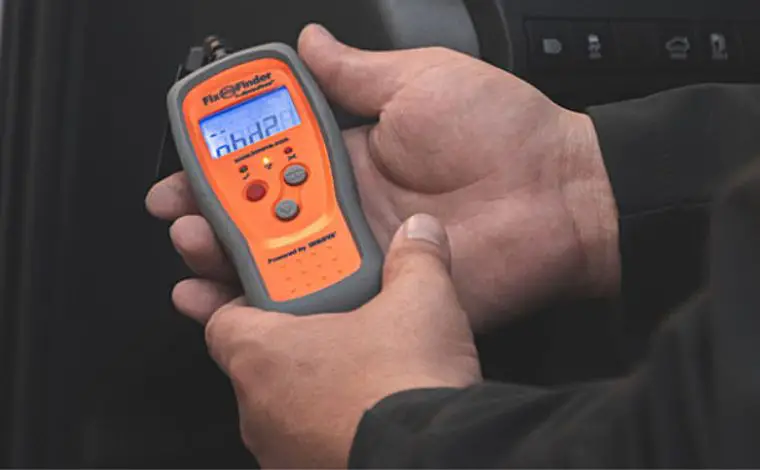
Not every vehicle has a Sensor 3. Its exact position depends on the engine and exhaust system design, so always confirm the location using the manufacturer’s service information.
The word “Low” refers to the electrical condition of the heater circuit. It doesn’t mean the engine temperature is too low, the exhaust contains too little oxygen, or the vehicle is overheating.
How Does the Oxygen Sensor Heater Work?
Oxygen sensors need sufficient heat to measure oxygen in exhaust gases accurately. During a cold start, the exhaust system may not be hot enough for the sensor to operate at its normal temperature.
The built-in heating element helps the sensor warm up faster. This allows the engine computer to receive useful information sooner and helps the emissions control system operate as intended.
The PCM monitors the heater circuit using a vehicle-specific electrical control strategy. Some systems supply battery voltage to the heater while the PCM controls the ground side.
When a short circuit, defective heater, or another electrical problem causes an unexpected low circuit reading, the PCM may store P0043.
Important: The oxygen sensor heater does not control engine cooling. A P0043 fault is unrelated to the cooling system unless another independent problem is also present.
Quick View: Common Causes of the P0043 Code
Several electrical problems can trigger the P0043 code. The most common possibilities include:
- Faulty Bank 1, Sensor 3 oxygen sensor heater.
- Shorted or damaged heater control wiring.
- Corroded or loose electrical connectors.
- Damaged oxygen sensor wiring near the exhaust.
- Incorrect or incompatible replacement oxygen sensor.
- Heater power supply or fuse problems on applicable vehicles.
- Faulty PCM heater control driver, although uncommon.
Before replacing parts, inspect the wiring and confirm the sensor’s electrical condition. A damaged connector can sometimes cause the same code as a faulty sensor.
Common Symptoms of the P0043 Code
The most noticeable symptom of P0043 is an illuminated Check Engine Light. In many cases, the vehicle continues running normally because this code affects a downstream oxygen sensor heater circuit.
1. Check Engine Light Turns On
When the PCM detects abnormal heater circuit operation, it stores the code and may illuminate the Check Engine Light.

A steady warning light doesn’t necessarily mean the engine is about to fail. However, it should be investigated because other faults may also develop.
If the warning appears while the car otherwise runs normally, read our guide explaining why the Check Engine Light can stay on when the car runs fine.
2. Possible Emissions Test Failure
An active oxygen sensor heater fault may prevent the vehicle from passing an emissions inspection.
The oxygen sensor heater readiness monitor may remain incomplete until the problem is repaired and the required drive cycle is completed.
3. Delayed Oxygen Sensor Operation
When the heating element isn’t working properly, the sensor may take longer to reach operating temperature.
This can delay exhaust monitoring during startup, particularly in colder weather.
4. Minor Fuel Economy Changes
Some vehicles may experience slight fuel economy changes, although this isn’t guaranteed.
Since Sensor 3 is generally used for downstream exhaust or catalyst monitoring, P0043 alone is less likely to cause major changes in fuel delivery than an upstream oxygen sensor fault.
5. No Noticeable Driving Symptoms
Many drivers notice no significant difference in acceleration, idle quality, or engine power.
Severe hesitation, engine stalling, black exhaust smoke, and overheating aren’t typical symptoms of P0043 alone. If these problems occur, investigate other trouble codes.
What Causes the P0043 Code?
1. Faulty Heated Oxygen Sensor
The heater element inside the oxygen sensor may fail after years of use. Repeated heating and cooling cycles can damage the internal components.
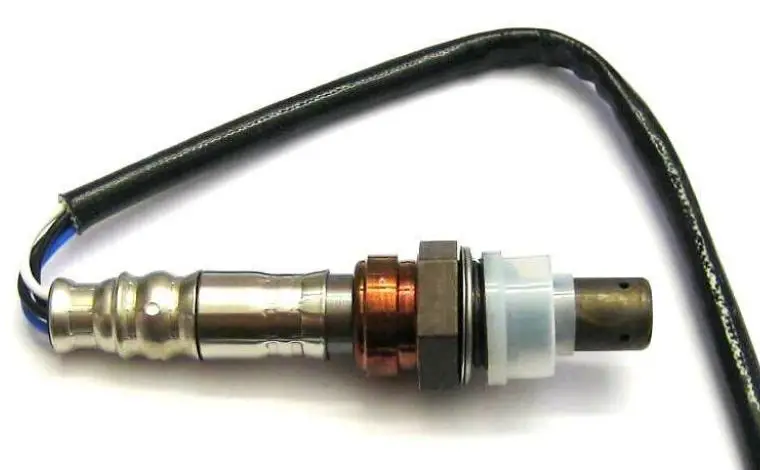
A shorted heater element may cause excessive current flow or abnormal circuit voltage, depending on the vehicle’s electrical design.
If testing confirms internal heater failure, replacing the correct oxygen sensor is usually necessary.
2. Damaged Wiring or Short Circuit
Oxygen sensor wiring runs close to hot exhaust components. Over time, heat, vibration, and road debris can damage the insulation.
When an exposed wire touches metal or another conductor, a short circuit may develop.
This is one of the important conditions to check when diagnosing a heater control circuit low code.
3. Poor Electrical Connections
Moisture, corrosion, and loose terminals can interfere with electrical connections.
A connector may look normal from the outside while having damaged terminals inside. Inspect it carefully before replacing the sensor.
4. Heater Power Supply Problem
Some oxygen sensor heater circuits use a fuse or relay to supply electrical power.
A damaged power supply can prevent proper heater operation. However, whether it triggers P0043 or another heater circuit code depends on the vehicle’s diagnostic strategy.
5. Faulty PCM
In rare cases, the PCM’s heater control driver may malfunction.
This possibility should only be investigated after the oxygen sensor, wiring, connectors, and electrical supply have passed their tests.
How to Diagnose the P0043 Code
Diagnosing the P0043 code requires checking the Bank 1, Sensor 3 heater circuit. An OBD2 scanner, digital multimeter, and vehicle-specific wiring diagram are useful.
Step 1: Scan for Trouble Codes
Connect an OBD2 scanner and retrieve all stored and pending trouble codes.
Record the freeze-frame data before clearing anything. This information may help identify the conditions when the fault occurred.
Check whether P0043 appears alone or alongside other oxygen sensor heater circuit codes.
Step 2: Locate Bank 1, Sensor 3
Use the vehicle’s service manual to locate the third oxygen sensor in the Bank 1 exhaust system.
Some vehicles have multiple catalytic converters and additional downstream sensors. Don’t assume Sensor 3 occupies the same position on every vehicle.
Replacing the wrong sensor will not fix the problem.
Step 3: Inspect Wiring and Connectors
Turn off the engine and allow the exhaust system to cool completely.
Inspect the wiring harness for:
- Melted or cracked wire insulation.
- Broken or exposed conductors.
- Corroded electrical terminals.
- Loose or disconnected plugs.
- Wiring touching hot exhaust components.
Repair any visible damage before proceeding to electrical testing.
Step 4: Test Oxygen Sensor Heater Resistance
With the ignition off, disconnect the oxygen sensor connector.
Use the wiring diagram to identify the heater terminals and measure resistance across the heater element on the sensor side.
Compare the reading with the manufacturer’s specifications.
An infinite resistance reading generally indicates an open heater circuit. An unusually low reading may indicate a shorted heating element.
Important: Heater resistance specifications vary between vehicles. Don’t assume every oxygen sensor uses the same resistance range.
Step 5: Check Power and Control Circuits
If the sensor heater passes testing, check the power supply and control wiring.
Depending on the system, this may involve checking a fuse, ground-controlled circuit, wiring continuity, or control signal.
Follow the manufacturer’s procedure. Never measure resistance on a powered circuit or apply battery voltage directly to unknown sensor terminals.
Step 6: Confirm the Repair
After repairing the problem, clear the code and complete the appropriate drive cycle.
Check whether P0043 returns and confirm that the oxygen sensor heater readiness monitor completes successfully.
How to Fix the P0043 Code
The correct repair depends on what caused the heater circuit problem.
1. Replace a Faulty Oxygen Sensor
If testing confirms that the internal heater is defective, replace Bank 1, Sensor 3 with a compatible sensor.
Use an OEM or high-quality direct-fit replacement that matches your vehicle’s specifications.
2. Repair Damaged Wiring
Repair broken, melted, or shorted wiring using automotive-grade materials appropriate for the location and temperature.
Secure the harness away from hot exhaust components to prevent further damage.
3. Repair Electrical Connectors
Clean minor contamination with suitable electrical contact cleaner.
Replace severely corroded terminals or damaged connectors instead of relying on temporary repairs.
4. Check Fuses and Power Supply
Replace a blown fuse only after identifying and correcting the underlying fault.
Always use the manufacturer-specified fuse rating.
5. Examine the PCM if Necessary
If all sensor and circuit tests are normal, a professional technician may need to examine the PCM’s heater control circuit.
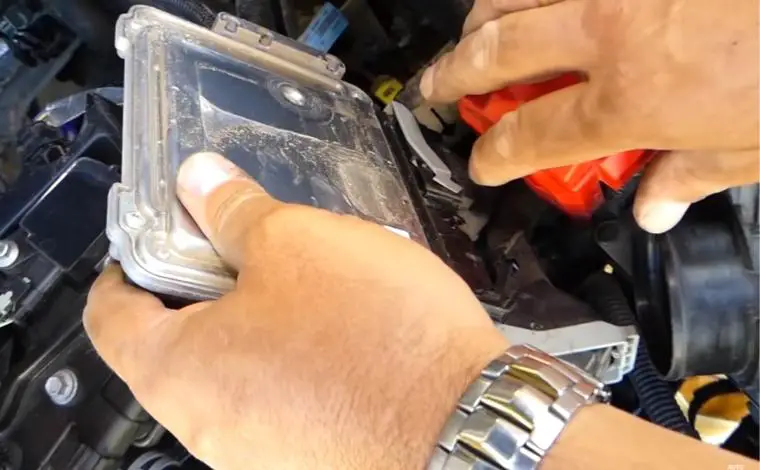
PCM replacement is rarely the first solution. Confirm the fault through proper electrical testing before approving an expensive module repair.
How Much Does It Cost to Fix the P0043 Code?
The cost of repairing the P0043 code depends on the vehicle, sensor accessibility, labor rates, and the actual cause.
Here are approximate repair estimates in the United States:
| Repair | Estimated Cost |
|---|---|
| Oxygen Sensor Replacement | $150–$450 |
| Wiring or Connector Repair | $75–$250 |
| Fuse or Minor Electrical Repair | $20–$150 |
| Professional Diagnostic Testing | $100–$200 |
| PCM Diagnosis or Reprogramming | $100–$300, when applicable |
These are general estimates, not fixed prices. Difficult sensor locations, rusted threads, and extensive wiring damage can increase repair costs.
Testing the heater circuit before replacing parts can help prevent unnecessary expenses.
Is the P0043 Code Serious?
The P0043 code is generally a low-to-moderate severity problem when it appears alone and the vehicle otherwise drives normally.
The main concerns are delayed oxygen sensor operation, incomplete emissions monitoring, and a persistent Check Engine Light.
However, P0043 alone doesn’t mean the engine is overheating, the catalytic converter has failed, or major engine damage is imminent.
Can You Drive With the P0043 Code?
In many cases, limited driving is possible if the engine runs normally and no other serious warning signs appear.
However, arrange a diagnosis within a reasonable time rather than ignoring the warning indefinitely.
If the Check Engine Light flashes, the engine misfires severely, or the vehicle develops overheating or significant power loss, stop driving safely and investigate those symptoms immediately.
Common Mistakes When Fixing P0043
- Replacing the Wrong Sensor: P0043 identifies Bank 1, Sensor 3, which isn’t necessarily the same as Sensor 2.
- Ignoring Wiring Damage: A shorted wire may trigger the code even when the sensor is functional.
- Assuming the Engine Is Overheating: The heater control circuit warms the oxygen sensor, not the engine cooling system.
- Replacing the PCM Too Early: Sensor and wiring problems should be investigated first.
- Clearing the Code Without Repair: Resetting the warning light doesn’t fix a permanent electrical problem.
Related Oxygen Sensor Trouble Codes
Several other trouble codes involve oxygen sensor heater circuits:
- P0037: HO2S Heater Control Circuit Low (Bank 1, Sensor 2).
- P0042: HO2S Heater Control Circuit (Bank 1, Sensor 3).
- P0044: HO2S Heater Control Circuit High (Bank 1, Sensor 3).
- P0054: HO2S Heater Resistance (Bank 1, Sensor 2).
- P0055: HO2S Heater Resistance (Bank 1, Sensor 3).
These codes identify different electrical conditions or sensor locations. Always use the full code description before deciding which component to inspect.
Frequently Asked Questions About the P0043 Code
1. What does the P0043 code mean?
P0043 means the PCM has detected a low electrical condition in the heated oxygen sensor heater control circuit for Bank 1, Sensor 3.
2. Does P0043 always mean the oxygen sensor is bad?
No. A shorted wire, damaged connector, faulty heater element, or control circuit problem can trigger the code. Testing is necessary before replacing the sensor.
3. Can I drive with the P0043 code?
Limited driving is usually possible if the engine runs normally. However, the problem should be diagnosed because the oxygen sensor heater and emissions monitoring may not operate correctly.
4. How do I test an oxygen sensor heater?
With the ignition off and the sensor disconnected, use a digital multimeter to measure resistance across the correct heater terminals. Compare the result with manufacturer specifications.
5. Can a blown fuse cause the P0043 code?
Yes, a power supply problem can affect heater operation on some vehicles. However, the exact code triggered depends on the vehicle’s electrical design and monitoring strategy.
6. Will clearing P0043 fix the problem?
No. Clearing the code only removes the stored diagnostic information. If the heater circuit remains faulty, the code will usually return when the PCM detects the problem again.
Conclusion
The P0043 code indicates a low electrical condition in the Bank 1, Sensor 3 oxygen sensor heater control circuit. Common causes include a faulty heater element, damaged wiring, corroded connectors, and electrical supply problems.
Although the code usually doesn’t cause immediate driving problems, it can interfere with oxygen sensor warm-up and emissions monitoring.
Start by scanning for related codes, confirming the correct sensor location, inspecting the wiring, and testing the heater circuit. Identifying the actual fault before replacing parts can save money and help restore proper emissions system operation.
Russell D. Steele writes trouble-code and repair guides for The Effective Guide. His work helps drivers understand what a code means, what might cause it, and which checks to make first.