
Last Updated on October 8, 2026
The C1232 code can indicate a problem with a wheel speed sensor circuit or another part of the vehicle’s chassis control system.
On certain Chevrolet and other GM vehicles, C1232 refers to a left front wheel speed sensor circuit low input problem.
The wheel speed sensor sends information to the Anti-lock Braking System (ABS), helping it monitor wheel rotation and prevent wheel lock-up during hard braking.
If the sensor circuit develops a fault, you may notice the ABS warning light, traction control warnings, or unusual ABS operation.
However, the C1232 code doesn’t mean the same thing on every vehicle. Some manufacturers use it for different sensor or electrical problems.
Before replacing anything, confirm the code definition for your vehicle’s make, model, and year.
In this guide, we’ll explain the C1232 code meaning, common symptoms, possible causes, and how to diagnose and fix the problem without unnecessary repairs.
What Does the C1232 Code Mean?
On applicable GM vehicles, C1232 means “Left Front Wheel Speed Sensor Circuit Low Input.”
This indicates that the Electronic Brake Control Module (EBCM) has detected an electrical problem involving the left front wheel speed sensor circuit.
Depending on the vehicle, the fault may involve low signal voltage, a short circuit, damaged wiring, or another circuit problem.
The code is manufacturer-specific.
For example, some Ford vehicles use C1232 for a rear wheel speed sensor circuit problem, while certain Toyota applications use it for a deceleration sensor issue.
Always confirm the manufacturer’s definition before diagnosing the left front wheel.
What Does a Wheel Speed Sensor Do?
A wheel speed sensor measures how fast a wheel rotates and sends that information to the ABS control module.
The module compares wheel speeds to determine whether a wheel is slowing too quickly during braking.
When necessary, ABS adjusts brake pressure to help the driver maintain steering control.
Wheel speed information may also be used by traction control and electronic stability control systems.
Most modern passenger vehicles have a wheel speed sensor at each wheel.
However, sensor locations and designs vary.
Some use a toothed tone ring, while others read a magnetic encoder built into the wheel bearing.
Common Causes of the C1232 Code
When C1232 refers to a left front wheel speed sensor circuit fault, several components may be responsible.
1. Faulty Wheel Speed Sensor
A damaged wheel speed sensor can produce an incorrect signal or stop working entirely.
Internal electrical faults, moisture, physical damage, or corrosion may cause sensor failure.
However, a sensor shouldn’t be replaced until testing confirms it’s responsible.
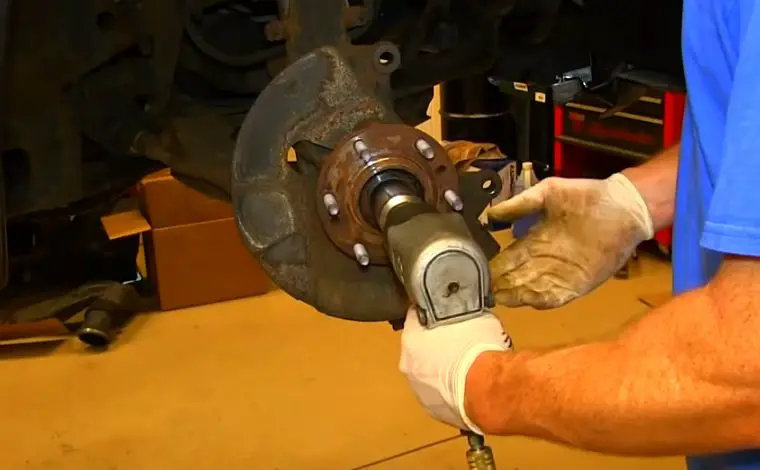
2. Damaged or Corroded Wiring
Wheel speed sensor wiring operates close to the suspension, steering, and wheel assembly.
Over time, road debris, vibration, moisture, or salt can damage the harness.
Common problems include:
- Broken wires
- Damaged insulation
- Short circuits
- Loose wiring connections
- Corrosion inside connectors
A wiring fault can produce the same trouble code as a failed sensor.
3. Poor Electrical Connections
A loose or corroded connector can interfere with the electrical signal between the sensor and ABS module.
Sometimes, the sensor works normally until the vehicle hits a bump or the wiring moves.

Inspect the terminals carefully before buying replacement parts.
4. Damaged Tone Ring or Magnetic Encoder
The tone ring provides the rotating reference used by certain wheel speed sensors.
If it cracks, moves out of position, or develops damaged teeth, the sensor may produce incorrect wheel speed information.
Some newer vehicles use a magnetic encoder integrated into the bearing assembly.
A damaged encoder can also cause wheel speed problems.
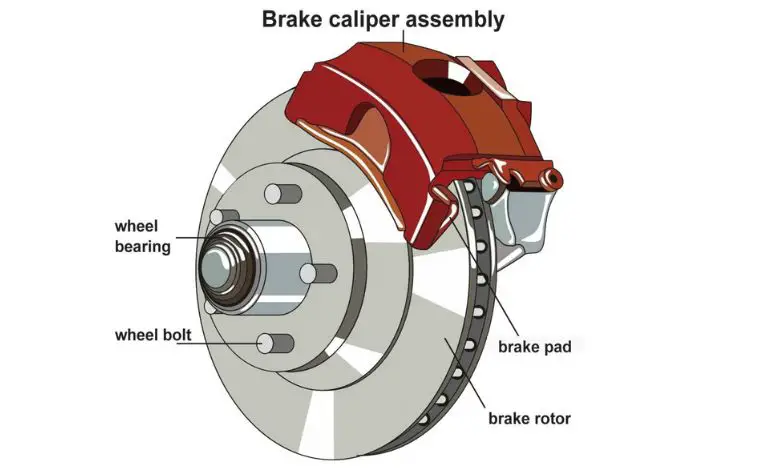
However, a mechanical tone ring problem is not always the cause of a circuit-low fault. Electrical testing should come first when the code specifically identifies low circuit voltage.
5. Wheel Bearing or Hub Problems
Some wheel bearings contain the magnetic encoder used by the ABS sensor.
If the bearing becomes loose or its encoder is damaged, the wheel speed signal may become unreliable.
Other symptoms may include humming, grinding, or excessive wheel movement.
If you’re hearing a grinding or scraping noise while driving, our guide to metal scraping sounds while driving explains how to distinguish possible wheel bearing problems from brake-related noises.
A wheel bearing problem should be confirmed before replacement.
6. Incorrect Sensor Position or Mounting
On certain vehicles, rust buildup beneath the sensor or improper installation can affect the distance between the sensor and tone ring.
This may cause weak or inconsistent readings.
However, not all modern sensors have an adjustable clearance.
Follow the manufacturer’s installation procedure rather than attempting to reposition a sealed sensor.
7. Tire Size Differences
Significant differences in tire rolling diameter can create unexpected wheel speed differences.
This may trigger certain ABS or stability control faults.
However, tire size differences do not normally cause an electrical circuit-low code by themselves.
Check the tires if wheel speed data appears inconsistent, but prioritize electrical testing for C1232 on applicable GM vehicles.
8. ABS Control Module Problems
The ABS control module receives sensor signals and controls anti-lock braking operation.
An internal module fault or damaged module connector may occasionally cause a sensor circuit code.
However, control module failure is less common than damaged wiring or sensor problems.
Do not replace the ABS module without confirming the fault.
Symptoms of the C1232 Code
The symptoms depend on the manufacturer and the affected system.
For a wheel speed sensor circuit problem, you may notice:
- ABS Warning Light: The ABS light remains illuminated or comes on while driving.
- Traction Control Warning: The traction control or stability control light may also appear.
- Reduced ABS Function: The anti-lock braking system may be disabled.
- Unexpected ABS Activation: Incorrect sensor information may cause ABS to engage during normal braking.
- Speedometer Issues: Certain vehicles may display inaccurate speed information.
- Intermittent Warnings: Warning lights may come and go because of loose wiring or electrical connections.
A faulty sensor doesn’t necessarily cause grinding noises or make the vehicle pull to one side.
Those symptoms may indicate a separate brake, wheel bearing, or suspension problem.
How to Diagnose the C1232 Code
The best way to diagnose C1232 is to confirm the affected circuit and test its components before replacing anything.
Step 1: Scan the ABS Control Module
Use a diagnostic scanner that supports ABS trouble codes for your vehicle.
A basic engine-code reader may not retrieve chassis codes.
Confirm the exact C1232 definition and check for additional faults.
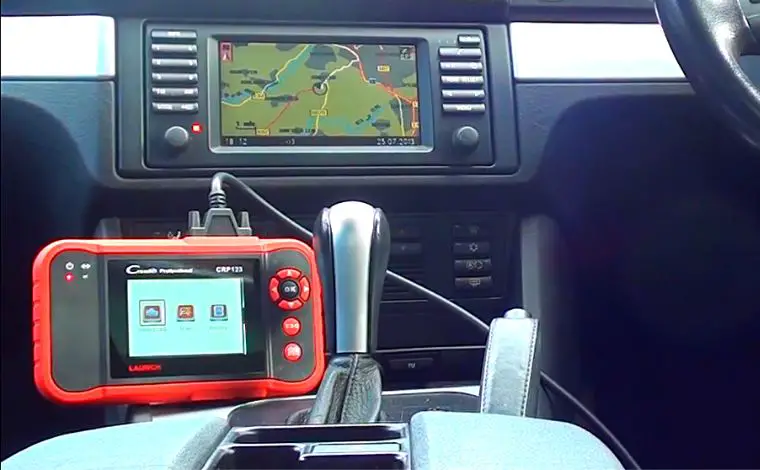
If the scanner supports live wheel speed data, compare the readings under safe test conditions.
Remember that a circuit fault may be detectable even before the vehicle starts moving.
Another code that may appear in a wheel speed sensor investigation is C1225, associated with a left front wheel speed sensor problem on applicable vehicles. Its exact meaning depends on the manufacturer’s diagnostic system, so don’t assume the two codes require the same repair.
Step 2: Inspect Wiring and Connectors
Turn off the ignition before disconnecting electrical connectors.
Inspect the wheel speed sensor harness for damaged wires, corrosion, loose terminals, and signs of previous repairs.
Pay particular attention to wiring near moving suspension components.
Step 3: Identify the Sensor Type
There are two common wheel speed sensor designs:
- Passive Sensors: Generate an AC electrical signal as a tone ring rotates.
- Active Sensors: Require electrical power and produce an electronic signal.
The correct testing method depends on the design.
Do not use a general resistance test on an active sensor. This test may provide misleading results and can damage some sensors.
Check your vehicle’s service information before testing.
Step 4: Test the Sensor Circuit
Depending on the system, a technician may check:
- Power supply and ground
- Continuity in the wiring harness
- Short circuits
- Passive sensor resistance, where specified
- Sensor signal voltage or current
- Waveform patterns using an oscilloscope
For a circuit-low fault, finding the cause of the abnormal electrical reading is especially important.
A low reading may result from wiring damage rather than a defective sensor.
Step 5: Inspect the Tone Ring and Bearing
If the electrical system tests correctly, inspect the tone ring or magnetic encoder for damage.
Check the wheel bearing for excessive looseness or roughness.
If the vehicle must be raised, support it securely using approved lifting points and jack stands.
Step 6: Repair the Confirmed Fault
Possible repairs include:
- Replacing a defective wheel speed sensor
- Repairing damaged wiring
- Cleaning or replacing corroded connectors
- Repairing a damaged tone ring
- Replacing a defective wheel bearing or hub assembly
- Repairing a confirmed ABS module problem
Avoid replacing several components based only on the trouble code.
Step 7: Clear the Code and Verify the Repair
After completing the repair, clear the code using a compatible scanner when required.
Follow the manufacturer’s verification procedure.
Check that the ABS warning light stays off and the wheel speed readings are consistent.
How Much Does It Cost to Fix the C1232 Code?
The cost depends on the vehicle, the affected component, and local labor rates.
Here are approximate U.S. repair estimates.
| Repair Type | Estimated Cost (Parts + Labor) |
|---|---|
| ABS Diagnostic Testing | $100–$200+ |
| Wheel Speed Sensor Replacement | $120–$350+ |
| Wiring or Connector Repair | $100–$350+ |
| Wheel Bearing or Hub Replacement | $250–$700+ |
| Tone Ring Repair | $150–$500+ |
| ABS Module Repair or Replacement | $400–$1,500+ |
These are broad estimates rather than guaranteed prices.
A proper diagnosis can help prevent unnecessary sensor or control module replacement.
Can You Drive with the C1232 Code?
If C1232 involves the ABS system, the regular hydraulic brakes may continue to work normally.
However, the anti-lock braking function may be unavailable.
Traction control and electronic stability control may also be affected.
Without ABS, the wheels may lock during hard braking, reducing steering control.
If only the ABS warning light is on and the brakes feel normal, carefully driving a short distance to a repair facility may be possible.
Stop driving as soon as it is safe if:
- The red brake warning light is also on.
- The brake pedal feels unusually soft.
- The vehicle has noticeably reduced braking performance.
- You hear severe grinding or notice excessive wheel movement.
- The vehicle becomes difficult to control while braking.
If the normal braking system is affected, arrange professional assistance rather than continuing to drive.
Does C1232 Turn On the Check Engine Light?
C1232 is generally associated with a chassis or braking control system, depending on the manufacturer.
The ABS warning light is more typical for a wheel speed sensor circuit fault.
A check engine light may appear because of a separate engine-related problem or a manufacturer-specific interaction between control modules.
If both lights are on, scan the relevant modules rather than assuming one faulty ABS sensor caused both warnings.
How to Prevent Wheel Speed Sensor Problems
Regular inspections may help prevent avoidable wiring and connector problems.
- Inspect exposed ABS wiring during brake service.
- Check connectors for corrosion or damage.
- Keep sensor wires properly secured.
- Repair wheel bearing problems promptly.
- Use the correct sensor and hub installation procedures.
- Investigate recurring ABS warning lights.
Not every sensor or electronic failure can be prevented, but catching physical damage early may reduce repair costs.
FAQs About the C1232 Code
Does C1232 Always Mean a Bad Left Front Wheel Speed Sensor?
No. The code definition varies by manufacturer. On certain GM vehicles, it identifies a left front wheel speed sensor circuit-low fault, which may be caused by wiring or other electrical problems.
Can a Bad Wheel Bearing Cause C1232?
A damaged bearing or integrated magnetic encoder can affect wheel speed readings. However, it is not always the cause of an electrical circuit-low fault.
Will Replacing the ABS Sensor Fix C1232?
Only if testing confirms that the sensor is faulty. Replacing it will not repair damaged wiring or another component.
Can I Test the Wheel Speed Sensor with a Multimeter?
Some passive sensors can be tested with a multimeter. Active sensors require different methods, so identify the sensor type first.
Will Clearing C1232 Fix the ABS Warning Light?
Clearing the code may temporarily turn off the warning, but the light can return if the underlying fault remains.
How Is C1232 Different from C0045?
On applicable GM vehicles, C1232 identifies a left front wheel speed sensor circuit-low fault. C0045 is associated with the left rear wheel speed sensor circuit on certain systems.
The exact code definitions can vary by manufacturer, and neither code proves that the sensor itself needs replacement.
Is the C1232 Code Serious?
It deserves prompt diagnosis because ABS or stability control functions may be affected. The level of risk depends on the actual fault and whether normal braking still works.
Conclusion
The C1232 code may indicate a left front wheel speed sensor circuit problem on applicable GM vehicles, but its meaning varies between manufacturers.
A damaged sensor, wiring fault, poor connection, or related component may be responsible.
The best approach is to confirm the vehicle-specific definition, inspect the electrical circuit, and test the sensor before replacing parts.
If the ABS warning light is on, don’t ignore it. Although regular braking may still work, important safety features could be unavailable.
Diagnosing the actual cause of C1232 can help restore the braking system’s safety features and prevent unnecessary repairs.
Russell D. Steele writes trouble-code and repair guides for The Effective Guide. His work helps drivers understand what a code means, what might cause it, and which checks to make first.
1 thought on “C1232 Code: How to Fix The Left Front Wheel Speed Circuit Issue?”
The code came on and it was the c1232 took it to have it checked at an Auto Zone just to see what it meant and it was at the speed sensor circuit that was shorted or circuit open took it to a mechanic and he scanned it there was no codes in the system had new axel shaft put in because during the shaking of left front wheel it damaged the axel was repaired but still have some shaking throughout my car have unplugged the abs control module and still have trembling and does not ride well, what can we do to find the problem and fix it?