
Last Updated on October 8, 2026
The P06DD code is an OBD-II diagnostic trouble code (DTC) related to your vehicle’s engine oil pressure control system. It is commonly defined as:
“Engine Oil Pressure Control Circuit Performance/Stuck Off.”
In simple terms, the Powertrain Control Module (PCM) has detected that the oil pressure control system isn’t responding as expected.
Many modern engines use a dual-stage or variable oil pump that adjusts oil pressure according to engine speed, temperature, and operating conditions.
If the system cannot switch between pressure settings correctly, the PCM may store the P06DD trouble code and turn on the check engine light.
However, this doesn’t automatically mean the oil pump is damaged. Low oil level, an incorrect oil filter, a faulty oil pressure sensor, or electrical problems can also trigger the code.
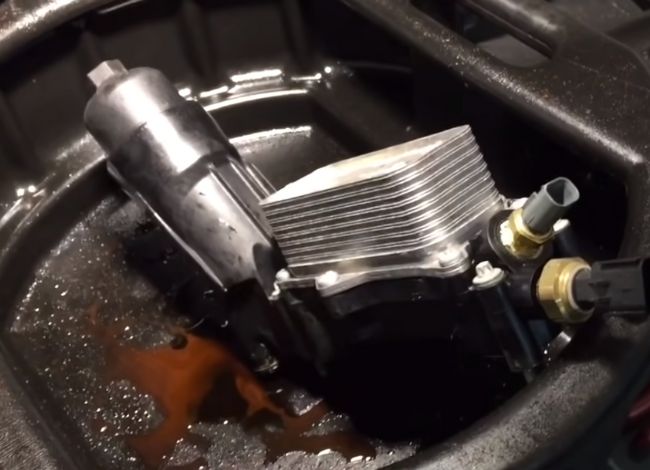
What Does the P06DD Code Mean?
The P06DD code indicates that the engine oil pressure control system is not operating within its expected range.
On engines equipped with a dual-stage oil pump, the system generally has two operating modes:
- Low-Pressure Mode: Used when the engine needs less oil pressure, helping reduce the power required to operate the pump.
- High-Pressure Mode: Provides higher oil pressure when engine speed, load, or other operating conditions require it.
The PCM controls the system through an oil pressure control valve or solenoid and monitors whether the expected pressure response occurs.
If the pump fails to respond correctly, the computer may set P06DD.
The exact meaning of “stuck off” and the way the pressure-control system operates can vary by manufacturer and engine design.
That’s why proper diagnosis is important before replacing any components.
Why Is Engine Oil Pressure Important?
Engine oil creates a protective film between moving metal parts.
It helps lubricate crankshaft bearings, camshafts, and other internal components while carrying away heat and contaminants.
If oil pressure drops too low, critical engine parts may not receive enough lubrication.
This can cause excessive wear, knocking noises, or serious internal damage.
A P06DD code doesn’t always confirm dangerously low oil pressure, but the possibility should be checked promptly.
Which Vehicles Commonly Experience P06DD?
The P06DD code is associated with several vehicles that use electronically controlled or variable oil pressure systems.
Examples include certain:
- Dodge Journey models
- Jeep Wrangler and Grand Cherokee models
- Chrysler 200 and 300 models
- Chevrolet Silverado and other applicable GM vehicles
- GMC trucks and SUVs
- Other vehicles equipped with variable oil pressure control systems
The code is well known on certain Chrysler, Dodge, and Jeep vehicles with the 3.6L Pentastar engine.
However, not every model year or engine uses the same oil pump design.
A repair that works on a Jeep Wrangler may not apply to a Chevrolet or GMC vehicle.
Always check the diagnostic procedure for your exact engine.
Symptoms of the P06DD Code
The symptoms depend on whether the fault is caused by an actual oil pressure problem or an electrical or sensor issue.
Common warning signs include:
- Check Engine Light: The most common symptom is an illuminated check engine light.
- Oil Pressure Warning: Some vehicles may display a low oil pressure warning or an abnormal oil pressure gauge reading.
- Reduced Engine Performance: The PCM may limit engine speed or power to protect the engine.
- Unusual Engine Noise: Knocking, ticking, or rattling can occur if internal engine parts are not receiving adequate lubrication.
- Rough Running: Some vehicles may experience unstable operation, although this is not a direct symptom in every case.
- No Noticeable Driving Problems: Some drivers may only see the check engine light without any obvious change in performance.
Important: If the red oil pressure warning light stays on while the engine is running, stop driving as soon as it is safe and turn off the engine.
Do not continue driving simply because the vehicle still seems to run normally.
Main Causes of the P06DD Code
Several problems can trigger the P06DD code. Understanding them can help you avoid replacing an expensive oil pump unnecessarily.
1. Low Engine Oil Level
One of the first things to check is the engine oil level.
If the oil level is too low, the pump may struggle to maintain the pressure required by the engine.
Low oil can result from:
- External oil leaks
- Excessive oil consumption
- Improper filling during an oil change
- Neglected maintenance
Check the dipstick according to the manufacturer’s instructions.
If the oil is low, determine why before assuming that adding oil will permanently solve the problem.
2. Incorrect or Contaminated Engine Oil
Modern oil pressure control systems are designed to work with specific oil viscosities.
Using oil that is too thick, too thin, or otherwise unsuitable can affect the system’s response.
Old oil containing sludge or contamination can also interfere with oil passages and control valves.
Always use the oil grade and specification recommended in your owner’s manual.
3. Faulty Oil Pressure Sensor
The oil pressure sensor provides information that the PCM uses to monitor the lubrication system.
If the sensor fails, it may report incorrect pressure even when the pump is working normally.
Damaged wiring or poor connections can produce similar problems.
However, the sensor should not be replaced based on the P06DD code alone.
The actual oil pressure should be verified when the diagnostic procedure requires it.
4. Damaged Wiring or Electrical Connections
The oil pressure control system relies on electrical signals to operate correctly.
Problems may include:
- Broken or frayed wires
- Corroded connectors
- Loose terminals
- Short circuits
- Damaged oil pressure control solenoid wiring
These faults can prevent the control system from responding properly.
Electrical testing can help distinguish a wiring problem from a faulty mechanical component.
5. Faulty Oil Pressure Control Solenoid
Some engines use an electronically controlled solenoid to change oil pump operation.
If the solenoid sticks or fails electrically, the system may not switch between pressure modes correctly.
Depending on the vehicle, the solenoid may be serviceable separately or integrated into the oil pump assembly.
Do not assume that replacing the solenoid is possible without checking the manufacturer’s parts and service information.
6. Malfunctioning Dual-Stage Oil Pump
The oil pump itself can also fail.
Internal wear, a sticking pressure-control mechanism, or mechanical damage may prevent the pump from producing the required pressure.
If testing confirms that the pump cannot deliver the correct pressure under specified conditions, replacement may be necessary.
However, the oil pump should be considered only after checking simpler possibilities.
7. Incorrect or Restricted Oil Filter
An incorrect oil filter can sometimes create problems with oil flow or pressure regulation.
On certain engines, the filter cartridge, filter housing, or related components must be installed correctly for the system to function properly.
A damaged or incorrect filter should be replaced with one that meets the manufacturer’s specifications.
This is particularly worth checking if P06DD appeared shortly after an oil change.
8. Oil Passage Restrictions or Internal Engine Wear
Sludge, debris, a restricted oil pickup, or excessive internal engine clearances can interfere with oil pressure.
These problems are less straightforward to diagnose and may require professional mechanical testing.
9. PCM or Software Problems
In certain vehicle-specific cases, an outdated calibration or control module issue may contribute to P06DD.
However, PCM failure is uncommon compared with oil, filter, sensor, wiring, or oil pump problems.
Software updates should only be performed when supported by manufacturer service information.
How to Diagnose the P06DD Code
Diagnosing P06DD requires checking whether the oil pressure is actually incorrect or the PCM is receiving misleading information.
Follow these steps.
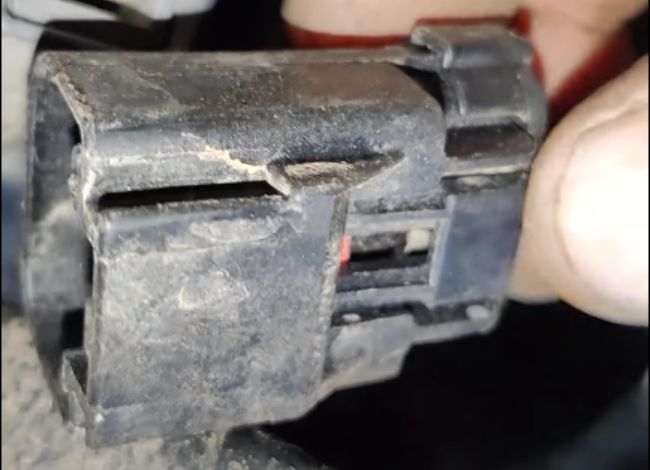
Step 1: Perform a Complete Code Scan
Use an OBD-II scanner to read all stored and pending trouble codes.
Look for related oil pressure sensor codes such as P0520, P0522, or P0523.
These codes may help identify whether the problem involves the pressure sensor circuit.
If you’re dealing with unfamiliar codes, our car diagnostic codes list can help you understand their meanings before continuing with diagnosis.
Record the codes before clearing them.
Step 2: Review Freeze-Frame Data
If your scanner supports it, check the freeze-frame data to see the operating conditions recorded when the fault appeared.
Useful information may include:
- Engine RPM
- Engine load
- Coolant temperature
- Vehicle speed
- Available oil pressure data
Not every scanner provides all these readings.
This information may help determine whether the fault occurs during startup, acceleration, or another operating condition.
Step 3: Check Oil Level and Condition
With the vehicle parked on level ground, check the oil according to the manufacturer’s instructions.
Look for:
- Oil below the recommended level
- Incorrect oil viscosity
- Visible sludge or contamination
- Signs of coolant or fuel contamination
- Oil leaks around the engine
If the oil is incorrect or contaminated, the problem needs to be corrected.
However, oil with a milky appearance, strong fuel odor, or metallic debris may indicate a more serious issue requiring inspection rather than just a routine oil change.
Step 4: Inspect the Oil Filter
Check whether the oil filter is the correct type for your engine.
Look for signs of improper installation or damage.
On applicable cartridge-style systems, inspect the filter cap and housing components according to the service manual.
If the problem started immediately after an oil change, this is an especially useful step.
Step 5: Verify Actual Oil Pressure
A mechanical oil pressure gauge can help determine whether the engine is producing the correct pressure.
A technician may connect the gauge using the manufacturer’s approved test location and procedure.
Oil pressure should be compared with the specifications for the engine at the required temperature and RPM.
Do not assume that a normal dashboard gauge reading proves the oil pressure control system is working correctly.
If actual pressure is dangerously low, the engine should not continue running.
Step 6: Test the Sensor and Wiring
Inspect the oil pressure sensor and related wiring for damage.
A technician may use a multimeter, wiring diagram, and scan tool to check the appropriate circuits.
If actual oil pressure is normal but the sensor reports incorrect readings, the sensor or its circuit may be faulty.
Step 7: Test the Oil Pressure Control System
Some advanced scan tools can command the oil pressure control system or display related operating information.
Depending on the vehicle, a technician may compare commanded operation with actual oil pressure response.
This can help determine whether the solenoid or oil pump is functioning correctly.
The exact procedure varies by engine.
Step 8: Inspect the Oil Pump if Necessary
If oil pressure is incorrect and other causes have been ruled out, further mechanical inspection may be necessary.
This can involve inspecting the pump, pressure-control mechanism, oil pickup, or related components.
Oil pump removal can be labor-intensive and should not be the first diagnostic step.
Step 9: Check Manufacturer Service Information
Before replacing expensive components, check whether the manufacturer has issued a technical service bulletin for the specific vehicle.
Some engines have known oil pressure control problems with particular diagnostic procedures.
Timing components should only be inspected or replaced when there is evidence of a related mechanical problem or a manufacturer-specific procedure requires it.
A P06DD code alone does not justify replacing a timing chain.
How to Fix the P06DD Code
The correct repair depends on what testing reveals.
The following solutions may help resolve P06DD when the corresponding fault has been confirmed.
1. Change the Engine Oil
If the oil is overdue for replacement, contaminated, or the wrong viscosity, change it using the manufacturer’s recommended specification.
However, an oil change will not repair a defective sensor, damaged wiring, or failed oil pump.
2. Replace an Incorrect Oil Filter
If the oil filter is unsuitable, damaged, or improperly installed, replace it with the correct part.
Use a filter that meets the engine manufacturer’s requirements.
Check the filter housing and cap where applicable.
3. Replace a Faulty Oil Pressure Sensor
If testing confirms the sensor is reporting incorrect pressure, replace it with a compatible part.
Clear the code afterward and check whether the problem returns.
4. Repair Damaged Wiring
Repair broken wires, corroded connectors, and poor electrical connections in the oil pressure control system.
Make sure repairs follow appropriate automotive wiring practices.
5. Repair or Replace the Oil Pressure Control Solenoid
If the solenoid fails testing, repair or replace it according to the engine’s design.
On some vehicles, this may require replacing the oil pump assembly rather than an individual solenoid.
6. Replace the Oil Pump
If testing confirms that the pump cannot maintain the required pressure or respond correctly to control commands, replacement may be necessary.
This repair can involve removing the oil pan or other engine components.
It is generally best handled by an experienced mechanic.
7. Update PCM Software if Required
If a manufacturer bulletin identifies an applicable software correction, a qualified technician may update the PCM.
Do not replace the PCM without confirming a control module problem.
After the repair, clear the code and verify that oil pressure meets specifications under the required operating conditions.
Is It Safe to Drive with a P06DD Code?
Driving with the P06DD code can be risky because the problem involves engine oil pressure control.
However, the level of risk depends on the actual oil pressure and the cause of the fault.
If the check engine light is on but the engine runs normally, P06DD does not automatically prove that the engine is being starved of oil.
Even so, the problem should be diagnosed promptly.
Stop driving and turn off the engine if you notice:
- A red oil pressure warning light that stays on
- A sudden or severe drop in indicated oil pressure
- New knocking or heavy ticking noises
- Evidence of major oil loss
- Severe overheating or other serious engine symptoms
Do not keep driving or repeatedly rev the engine to see whether the oil pressure improves.
If you’re unsure how to respond to a serious warning or mechanical symptom, our car troubleshooting guide explains when to stop driving and how to identify the next appropriate check.
If actual oil pressure may be dangerously low, arrange for the vehicle to be towed for inspection.
How Much Does It Cost to Fix the P06DD Code?
The cost to fix P06DD varies depending on the vehicle, repair needed, and labor rates.
Here are approximate repair costs in the United States:
| Repair Type | Estimated Cost (Parts + Labor) |
|---|---|
| Engine Oil and Filter Change | $60–$150+ |
| Oil Pressure Sensor Replacement | $120–$350+ |
| Oil Pressure Control Solenoid Repair | $150–$600+ |
| Oil Pump Replacement | $600–$1,800+ |
| Wiring or Connector Repair | $100–$350+ |
| PCM Software Update | $120–$300+ |
| Professional Diagnosis | $100–$200+ |
These are general estimates, not fixed prices. Some vehicles may cost substantially more, particularly when accessing the oil pump requires major engine disassembly.
A proper diagnosis can save money by preventing unnecessary oil pump or sensor replacement.
FAQs About the P06DD Code
What Does the P06DD Code Mean?
P06DD means the engine oil pressure control system is not responding as expected. Possible causes include oil, filter, sensor, wiring, solenoid, or oil pump problems.
Is P06DD a Serious Code?
It can be serious. Incorrect oil pressure may damage the engine. If the oil pressure warning light stays on or the engine makes knocking noises, stop driving.
Will an Oil Change Fix P06DD?
Sometimes. An oil change may help if the problem involves incorrect or contaminated oil. It won’t repair a failed pump, sensor, or electrical component.
Does P06DD Mean the Oil Pump Is Bad?
No. A faulty oil pump is one possible cause, but the oil level, filter, sensor, wiring, and control system should be checked first.
Can I Drive with a P06DD Code?
Driving is not recommended until the oil pressure concern has been evaluated. If there is a low oil pressure warning or unusual engine noise, stop and arrange for towing.
Can a Bad Oil Pressure Sensor Cause P06DD?
Yes. Incorrect sensor readings may prevent the PCM from accurately monitoring oil pressure control. Actual pressure and sensor data should be compared before replacement.
Tips for Preventing the P06DD Code
Not every oil pressure control failure can be prevented, but proper maintenance can reduce the risk.
- Change Engine Oil Regularly: Follow the manufacturer’s recommended intervals.
- Use the Correct Oil: Choose the required viscosity and specification.
- Install the Correct Oil Filter: Use a filter that meets the vehicle manufacturer’s requirements.
- Monitor Oil Level: Check for leaks or excessive consumption.
- Address Warning Lights: Do not ignore oil pressure warnings or unusual engine noises.
- Follow Applicable Service Bulletins: Have confirmed manufacturer-recommended repairs performed when needed.
Regular maintenance cannot guarantee that P06DD will never appear, but it can help protect the lubrication system.
Final Thoughts on the P06DD Code
The P06DD code indicates that the engine oil pressure control system isn’t operating as expected.
Although a faulty oil pump is one possible cause, low oil, incorrect filters, damaged wiring, pressure sensor problems, and oil pressure control solenoid faults can trigger the same code.
The best approach is to start with the basics, check for additional trouble codes, and verify actual oil pressure before replacing expensive components.
Most importantly, never ignore a persistent low oil pressure warning or unusual engine knocking.
Proper diagnosis and timely repairs can help prevent unnecessary expenses and protect your engine from serious damage.
Kevin Nicholas is an automotive mechanic and editor of The Effective Guide. He writes about warning lights, car problems, and diagnostic tools, helping drivers understand what to check before replacing a part.