
Last Updated on October 11, 2026
When your car’s Check Engine Light comes on, an OBD2 scanner can help identify the problem. One trouble code you might encounter is the P0052 code, which indicates a high electrical condition in the heated oxygen sensor heater control circuit on Bank 2, Sensor 1.
This sensor monitors oxygen in the exhaust gases and helps the engine computer adjust the air-fuel mixture. Its built-in heater allows it to reach operating temperature quickly, especially during cold starts.
Although P0052 may indicate a faulty oxygen sensor heater, damaged wiring or poor electrical connections can cause the same code. Before replacing parts, it’s worth understanding how the heater circuit works and what needs testing.
In this guide, we’ll explain the P0052 code, its causes, symptoms, diagnosis steps, repair costs, and whether it’s safe to keep driving.
What Does the P0052 Code Mean?
The P0052 code stands for Heated Oxygen Sensor (HO2S) Heater Control Circuit High (Bank 2, Sensor 1).
Here’s what the code identifies:
- Bank 2: The engine bank that does not contain cylinder number one.
- Sensor 1: The upstream oxygen sensor, generally located before the catalytic converter.
- Heater Control Circuit High: The Powertrain Control Module (PCM) has detected an electrical condition above the expected range in the heater control circuit.
Bank 2 is usually found on V-shaped or other engines with multiple cylinder banks. Its physical location varies by manufacturer, so don’t assume it is always on the driver’s or passenger’s side.
The word “High” refers to an electrical fault detected by the PCM. It doesn’t mean the exhaust is too hot or the oxygen sensor is reporting excessive oxygen.
Depending on the vehicle’s circuit design, P0052 may be associated with an open circuit, damaged heater element, short to voltage, or another abnormal electrical condition.
Common Causes of the P0052 Code
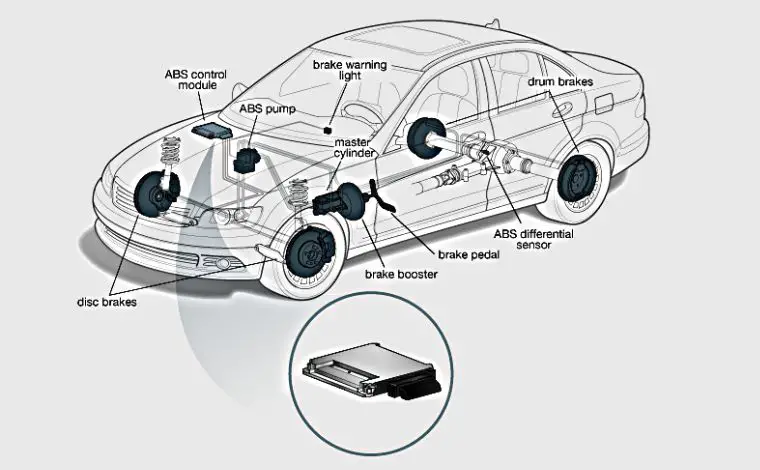
Several problems can trigger the P0052 code. The most likely causes include:
- Faulty Oxygen Sensor Heater: The internal heating element may develop an open circuit or another electrical failure.
- Damaged Wiring: Broken, melted, or shorted wires can interfere with heater operation.
- Corroded Connectors: Moisture and corrosion may create poor electrical connections.
- Short to Voltage: Damaged wiring may allow unwanted voltage into the heater control circuit.
- Blown Fuse or Relay Problem: Some vehicles use a fuse or relay to supply electrical power to the heater.
- Incorrect Replacement Sensor: An incompatible oxygen sensor may have different heater characteristics.
- Faulty PCM: A damaged heater control driver is possible, although uncommon.
Start with the oxygen sensor and its wiring before considering expensive control module repairs.
How Does the Oxygen Sensor Heater Work?
The oxygen sensor measures oxygen remaining in the exhaust gases. The engine computer uses this information to help manage fuel delivery and emissions.
During cold starts, the sensor may not be hot enough to provide accurate readings immediately. That’s why many modern oxygen sensors have a built-in electrical heater.
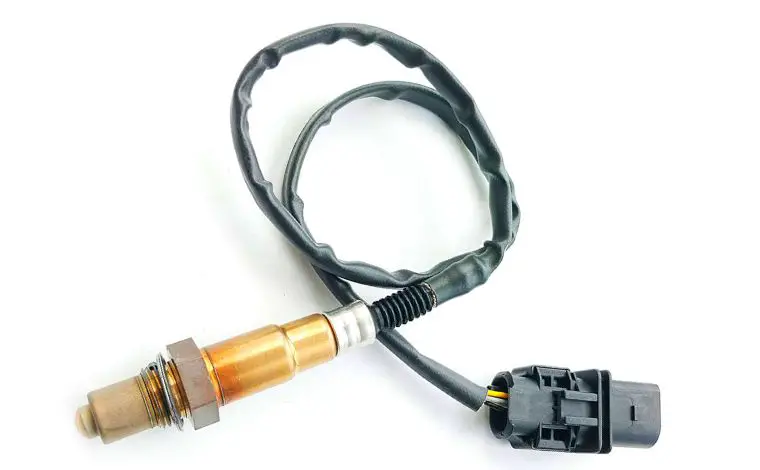
The heater warms the sensing element faster, allowing the engine computer to receive useful information sooner.
Depending on the vehicle, the PCM may control heater operation through a switched ground or another electronic control arrangement.
If the heater circuit produces an unexpected voltage or current condition, the PCM may store P0052.
Different vehicles use narrowband oxygen sensors or wideband air-fuel ratio sensors. Their electrical characteristics and testing procedures aren’t always interchangeable.
Common Symptoms of the P0052 Code
The most noticeable symptom of the P0052 code is an illuminated Check Engine Light. Some vehicles may experience minor efficiency changes, while others continue running normally.
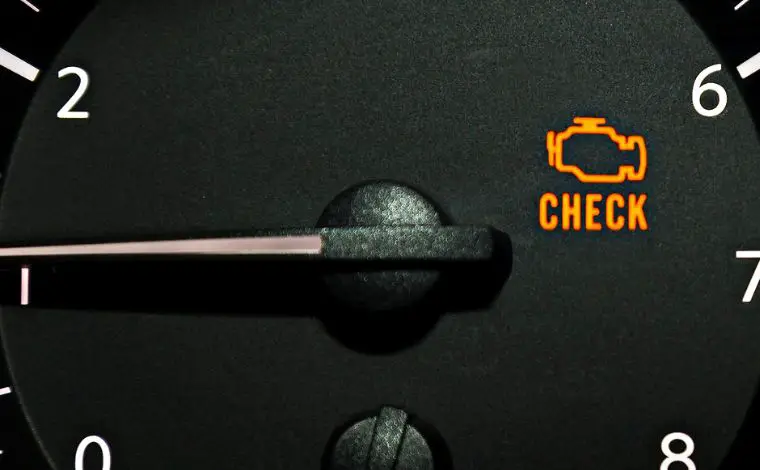
1. Check Engine Light
The PCM detects abnormal heater circuit operation and stores P0052. The warning light may remain illuminated until the fault is corrected and the vehicle completes the required diagnostic checks.
2. Reduced Fuel Efficiency
A faulty upstream oxygen sensor heater may delay closed-loop fuel control after a cold start.
This can affect fuel efficiency on some vehicles, particularly during frequent short trips.
3. Delayed Sensor Warm-Up
Without a functioning heater, the oxygen sensor may take longer to reach its normal operating temperature.
The effect is often more noticeable during colder weather.
4. Increased Cold-Start Emissions
Delayed sensor operation can interfere with emissions control during engine warm-up.
A vehicle with an active emissions-related code may also fail an emissions inspection or have incomplete readiness monitors.
5. No Noticeable Driving Problems
Many vehicles show no obvious acceleration, idle, or engine performance problems from P0052 alone.
Severe stalling, black exhaust smoke, and major power loss aren’t typical symptoms of this heater circuit fault. If those symptoms appear, investigate other causes. Our guide to common bad oxygen sensor symptoms explains how broader sensor failures may affect engine performance.
How to Diagnose the P0052 Code
Diagnosing the P0052 code requires checking the Bank 2, Sensor 1 heater circuit. A digital multimeter, OBD2 scanner, and vehicle-specific wiring diagram are especially useful.
Step 1: Scan for Trouble Codes
Connect an OBD2 scanner and retrieve all stored and pending codes.
Record the freeze-frame data before clearing anything. Check for additional oxygen sensor, fuel control, or electrical circuit faults.
Multiple heater circuit codes may indicate a shared electrical supply or wiring problem.
Step 2: Locate Bank 2, Sensor 1
Use your vehicle’s service information to locate the upstream oxygen sensor on the engine bank that doesn’t contain cylinder number one.
The sensor is generally installed in the exhaust manifold or exhaust pipe before the catalytic converter.
Confirm the correct position before replacing anything. Installing a new sensor on Bank 1 won’t fix a Bank 2 heater circuit problem.
Step 3: Inspect Wiring and Connectors
Turn off the engine and allow the exhaust system to cool.
Look for damaged insulation, broken wires, corrosion, loose connectors, and wiring touching hot exhaust components.
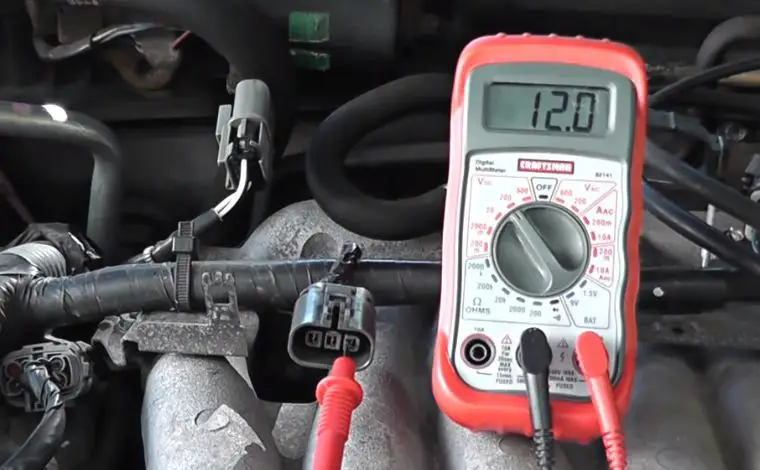
Repair visible wiring or connector damage before testing or replacing the sensor.
Step 4: Test Oxygen Sensor Heater Resistance
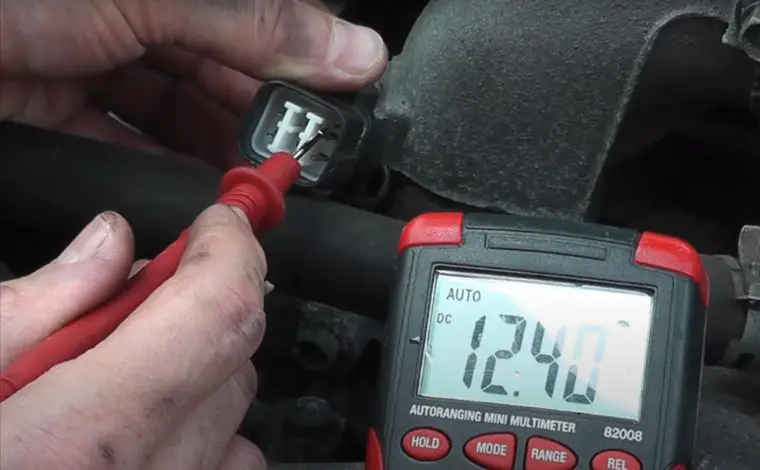
With the ignition off, disconnect the oxygen sensor connector. Identify the heater terminals using the manufacturer’s wiring diagram.
Measure resistance across the heater element on the sensor side using a digital multimeter.
Compare your reading with the manufacturer’s specifications at the appropriate temperature.
An infinite resistance reading usually indicates an open heater. An unusually low reading may indicate a shorted heating element.
Important: There is no universal resistance value for every oxygen sensor. Don’t assume that a specific range, such as 1.8–3.4 ohms, applies to your vehicle.
Step 5: Check Heater Power Supply and Control
If the heater resistance is normal, inspect its electrical supply and control wiring.
Use the vehicle’s wiring diagram to determine whether the heater receives battery voltage through a fuse or relay and how the PCM controls the circuit.
A high circuit reading can have different causes depending on whether the heater uses ground-side control, power-side control, or another arrangement.
Don’t measure resistance on an energized circuit or apply battery voltage directly to an unknown sensor terminal.
Step 6: Check Related Fuses and Relays
Some vehicles have a dedicated oxygen sensor heater fuse or a shared power supply circuit.
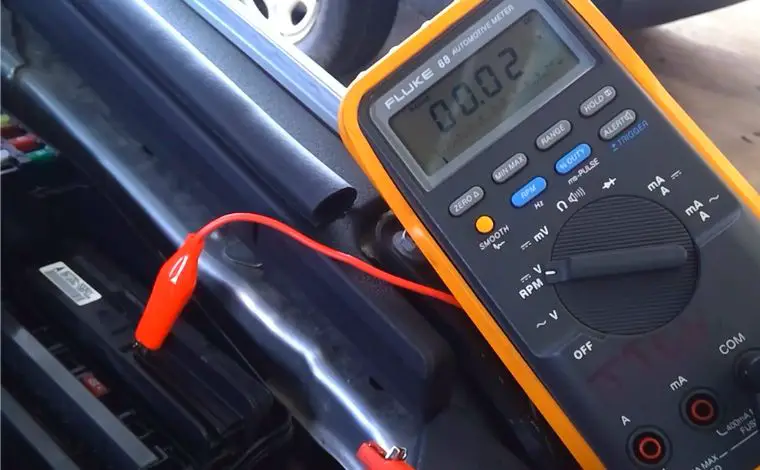
Check the relevant fuses and relays according to the manufacturer’s instructions.
If a fuse has blown, find the reason before replacing it. Never use a higher-amperage fuse to prevent repeated failures.
Step 7: Confirm the Repair
After repairs, clear the trouble code and complete an appropriate drive cycle.
Check whether P0052 returns and whether the oxygen sensor heater readiness monitor completes successfully.
If the code reappears, continue checking the electrical circuit instead of replacing more parts without testing.
How to Fix the P0052 Code
The correct repair depends on the cause found during diagnosis.
1. Replace a Faulty Oxygen Sensor
If testing confirms an internal heater failure, replace Bank 2, Sensor 1 with a compatible oxygen sensor or air-fuel ratio sensor.
Use a quality direct-fit replacement that matches your vehicle’s specifications.
If you’re replacing the sensor yourself, use the correct removal tool and follow the manufacturer’s installation and tightening instructions. Allow the exhaust to cool sufficiently to prevent burns.
2. Repair Damaged Wiring
Replace broken, melted, or shorted wiring using automotive-grade materials suitable for the engine bay’s temperature.
Secure the repaired harness away from exhaust components.
3. Clean or Replace Corroded Connectors
Use suitable electrical contact cleaner for minor contamination.
Replace severely damaged terminals or connectors rather than relying on temporary repairs.
4. Repair the Power Supply
If a fuse, relay, or electrical connection has failed, repair the cause before installing a replacement.
5. Examine PCM Operation
If the sensor and electrical circuit pass their tests, a technician may need to check the PCM heater control driver and applicable service bulletins.
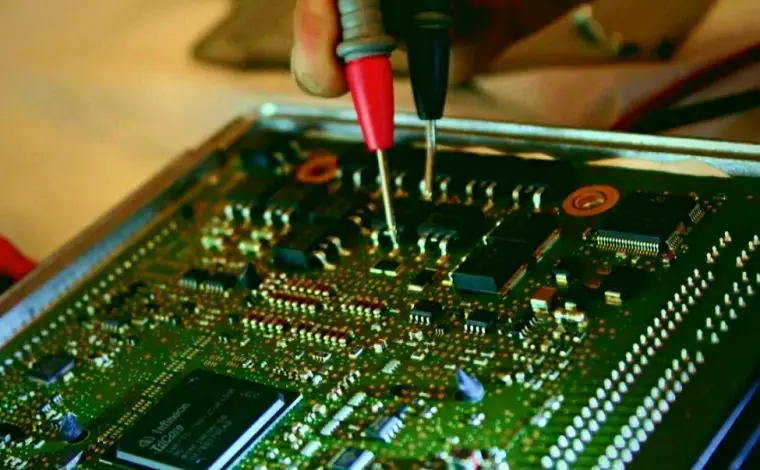
PCM failure is uncommon. Reprogramming or replacement should only be considered when diagnostic testing supports it.
How Much Does It Cost to Fix the P0052 Code?
The repair cost depends on the vehicle, labor rates, and whether the problem involves the sensor or its electrical circuit.
| Repair | Estimated US Cost |
|---|---|
| Upstream Oxygen Sensor Replacement | $150–$450 |
| Wiring or Connector Repair | $75–$250 |
| Fuse or Minor Electrical Repair | $20–$150 |
| Professional Diagnostic Testing | $100–$200 |
| PCM Diagnosis or Reprogramming | $100–$300, when applicable |
These are approximate costs, not fixed prices. Difficult sensor locations, rusted threads, or extensive wiring damage can increase labor charges.
Before paying for a new sensor, ask whether the heater and circuit were tested.
How Serious Is the P0052 Code?
The P0052 code is generally a low-to-moderate severity problem when it appears alone and the engine runs normally.
A faulty heater can delay upstream oxygen sensor operation, potentially affecting cold-start emissions and fuel efficiency.
However, P0052 alone doesn’t mean the engine is damaged, the transmission is failing, or the catalytic converter must be replaced.
Can You Drive With the P0052 Code?
Limited driving is usually possible if the vehicle operates normally and no other serious warning signs are present.
However, the problem should be diagnosed within a reasonable time. A persistent Check Engine Light can make it harder to notice another engine fault.
If the Check Engine Light flashes, the engine misfires severely, or the vehicle develops significant power loss or overheating, stop driving safely and investigate those symptoms immediately.
Common Mistakes When Diagnosing P0052
- Replacing the Wrong Sensor: P0052 identifies Bank 2, Sensor 1, not Bank 1, Sensor 1.
- Ignoring Wiring Damage: An open or shorted wire may trigger the code even when the sensor works correctly.
- Using Incorrect Resistance Specifications: Sensor heater resistance varies between manufacturers.
- Confusing Circuit High With Engine Temperature: The code identifies an electrical condition, not an overheating problem.
- Replacing the PCM Too Early: Sensor and wiring problems are generally more likely.
- Clearing Codes Before Diagnosis: Resetting the computer can erase useful freeze-frame information.
Related Oxygen Sensor Trouble Codes
Other oxygen sensor heater circuit codes include:
- P0050: HO2S Heater Control Circuit (Bank 2, Sensor 1).
- P0051: HO2S Heater Control Circuit Low (Bank 2, Sensor 1).
- P0059: HO2S Heater Resistance (Bank 2, Sensor 1).
- P0030: HO2S Heater Control Circuit (Bank 1, Sensor 1).
- P0031: HO2S Heater Control Circuit Low (Bank 1, Sensor 1).
- P0053: HO2S Heater Resistance (Bank 1, Sensor 1).
Although these codes involve similar systems, they identify different electrical conditions or sensor locations. Confirm the exact code before starting repairs.
Frequently Asked Questions About the P0052 Code
1. What does the P0052 code mean?
P0052 indicates a high electrical condition in the heated oxygen sensor heater control circuit for Bank 2, Sensor 1. It involves the upstream oxygen sensor on the engine bank without cylinder number one.
2. Does P0052 always mean the oxygen sensor is bad?
No. A faulty heater, damaged wiring, corroded connector, short to voltage, or another control circuit problem can trigger the code. Testing is necessary before replacing the sensor.
3. Can I drive with the P0052 code?
Limited driving is usually possible if the engine runs normally. However, the problem should be diagnosed because it may affect oxygen sensor warm-up, fuel efficiency, and emissions control.
4. How do I test the oxygen sensor heater?
With the ignition off and the sensor disconnected, measure resistance across the correct heater terminals. Compare the result with the manufacturer’s specifications. Power and control circuit testing may also be necessary.
5. Can a blown fuse cause P0052?
Yes. On some vehicles, a blown fuse can interrupt oxygen sensor heater operation and contribute to a related circuit fault. The exact code depends on how the manufacturer monitors the circuit.
6. Will clearing the P0052 code fix the problem?
No. Clearing the code only removes stored diagnostic information. If the heater circuit remains faulty, the code will usually return when the PCM detects the problem again.
Final Thoughts
The P0052 code indicates an electrical problem in the Bank 2, Sensor 1 oxygen sensor heater control circuit. The most common causes include a defective heater element, damaged wiring, corroded connectors, and electrical supply or control problems.
Although the code often doesn’t cause immediate driving problems, it can delay oxygen sensor operation and affect emissions monitoring.
Start with an OBD2 scan, inspect the wiring, and test the heater circuit according to your vehicle’s specifications. Finding the actual cause before replacing parts can help you restore proper sensor operation while avoiding unnecessary repair costs.
Kevin Nicholas is an automotive mechanic and editor of The Effective Guide. He writes about warning lights, car problems, and diagnostic tools, helping drivers understand what to check before replacing a part.