
Last Updated on November 21, 2026
Before You Buy an Ignition CoilCheck the spark plugs, coil boots and wires, oil or moisture in plug wells, fuel injectors, vacuum leaks, fuel pressure, engine compression, and ignition coil electrical circuits. A misfire that consistently moves with a suspect coil during a valid swap test is stronger evidence of coil failure than a trouble code alone.
What Are the Signs You Might Need Ignition Coil Replacement?
An ignition coil converts the vehicle’s low-voltage electrical supply into the high voltage required to fire a spark plug. When ignition becomes unreliable, combustion may be incomplete or missing.
Possible symptoms include:
- Engine shaking or rough idle
- Hesitation during acceleration
- Misfiring when climbing hills or under load
- Reduced engine power
- Hard starting
- Poor fuel economy
- Steady or flashing check engine light
- Misfire codes P0300–P0308 or ignition circuit codes P0351–P0358
These symptoms overlap with fuel, air-intake, and mechanical problems. Our guide to engine misfire symptoms and their possible causes explains how different driving conditions can help narrow the diagnosis.
Safety: A flashing check engine light may indicate a catalyst-damaging misfire. If it flashes or the engine shakes severely, stop safely and arrange assistance instead of continuing to drive.
8 Misfire Causes to Check Before Ignition Coil Replacement
Rather than replacing whichever part seems most likely, begin with the components that commonly produce the same symptoms.
1. Worn, Fouled, or Incorrect Spark Plugs
A worn spark plug is one of the first things to inspect when a single cylinder misfires.
As electrodes wear, the spark plug gap may increase. The ignition system then needs more voltage to produce a spark, particularly under heavy engine load.
Carbon deposits, oil fouling, cracked insulation, or an incorrect plug specification can also cause misfires.
Have the plug inspected for electrode wear, deposits, damage, and the correct manufacturer-specified gap. Some fine-wire plugs shouldn’t be manually regapped.
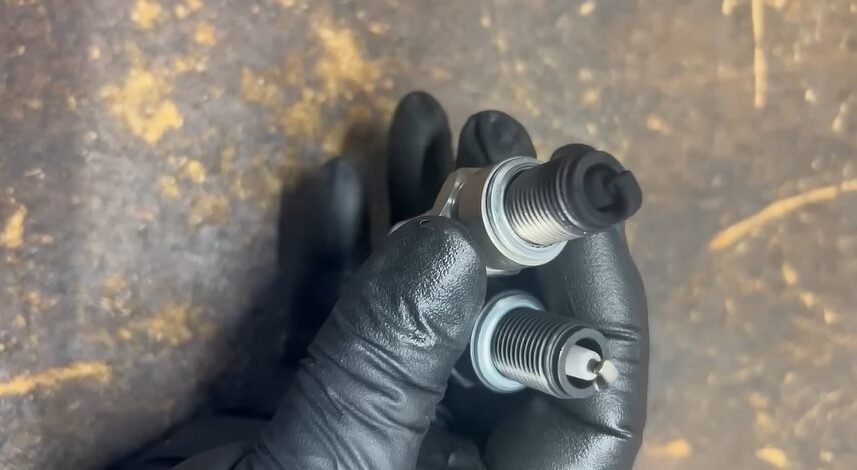
Worn plugs can increase stress on ignition components, so replacing a coil without addressing overdue spark plug maintenance may lead to further problems.
See our guide to signs of bad spark plugs for additional clues.
Repair decision: Replace defective or incorrectly specified spark plugs and confirm whether the misfire disappears before blaming the coil.
2. Damaged Coil Boots, Spark Plug Wires, or Connectors
On coil-on-plug engines, a rubber boot connects the ignition coil to the spark plug. Older ignition systems may use separate high-voltage plug wires.
Cracked insulation, carbon tracking, or moisture can allow ignition voltage to escape before reaching the spark plug.
Carbon tracking often appears as a thin dark line on the insulating surfaces. It may indicate that electricity has been leaking along an unintended path.

Check the coil boot, spring contact, plug-wire insulation where applicable, and low-voltage coil connector.
A loose or corroded connector can interrupt coil operation even when the coil’s internal components are healthy.
Repair decision: Repair damaged wiring or replace a serviceable boot or wire when appropriate. A complete coil replacement isn’t always necessary.
3. Oil, Coolant, or Moisture Around the Spark Plugs
Oil collecting inside a spark plug well often comes from a leaking valve cover gasket or spark plug tube seal.
Moisture may enter after heavy rain, engine washing, or through damaged seals. Certain engine faults can also introduce coolant-related contamination.
These conditions can interfere with electrical insulation and contribute to misfires or carbon tracking.
Simply installing another ignition coil may provide only temporary relief if the underlying leak remains.
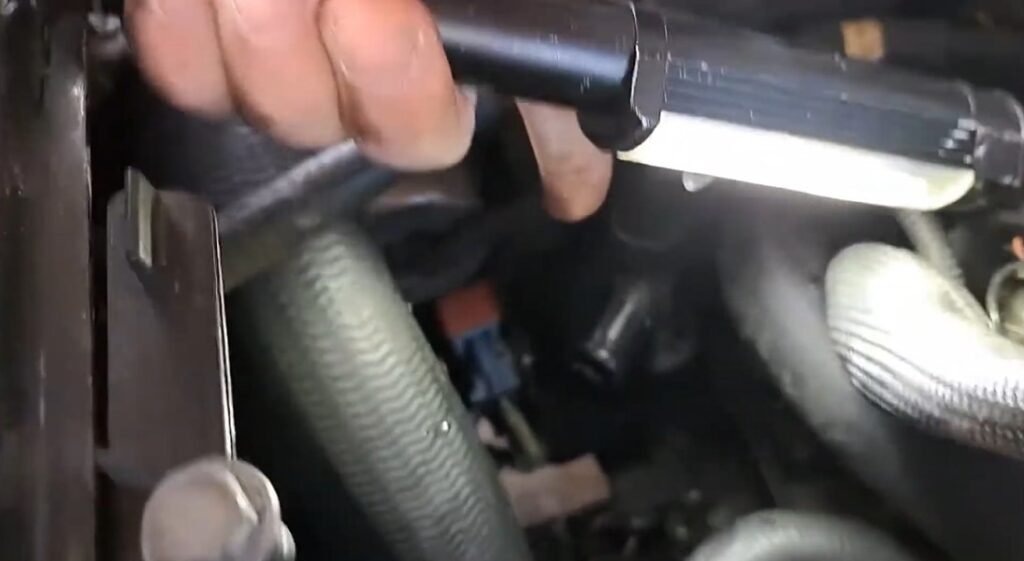
Inspect the plug well and determine where the contamination originated. Damaged boots or other affected components may also need replacement.
Repair decision: Fix the leak or moisture intrusion, then inspect and replace damaged ignition components as needed.
4. Faulty, Restricted, or Leaking Fuel Injector
Every cylinder needs the correct amount of fuel. An injector that delivers too little or too much can cause a misfire that resembles weak ignition.
A restricted injector may create a lean misfire during acceleration. A leaking injector may cause rich running, rough starts, fuel odor, or a fouled spark plug.
A failed injector electrical circuit can prevent fuel delivery altogether.
Technicians may use injector balance, electrical, cylinder contribution, or flow tests to distinguish these problems.
An injector making a clicking sound doesn’t prove it delivers the correct quantity of fuel.

Our bad fuel injector symptoms guide explains restricted, leaking, and electrically failed injectors in more detail.
Repair decision: If spark and compression test normally, verify injector performance before buying an ignition coil.
5. Vacuum Leaks and Unmetered Air
A cracked vacuum hose or leaking intake manifold gasket can let unwanted air enter the engine.
The resulting lean mixture may create unstable combustion, especially at idle.
Possible clues include rough idle, hissing near the intake, lean trouble codes, and positive fuel trims that improve as engine airflow increases.
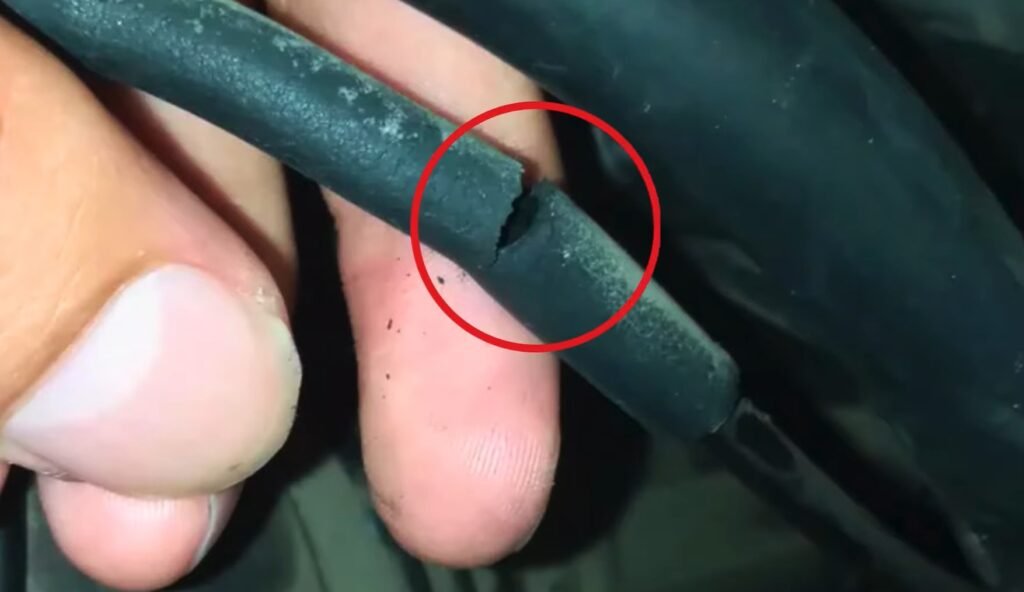
However, fuel-trim patterns aren’t definitive. Fuel delivery faults and other engine problems can produce similar readings.
A professional smoke test can help locate hidden intake leaks without spraying flammable chemicals around a running engine.
Repair decision: Fix confirmed air leaks and reassess misfire counts and fuel trims before replacing ignition parts.
6. Low Fuel Pressure or Inadequate Fuel Supply
If several cylinders misfire during acceleration or uphill driving, the problem may involve the fuel supply rather than individual ignition coils.
A weak fuel pump, pressure regulation fault, or restricted fuel supply can prevent the engine from receiving enough fuel under load.
The vehicle may idle reasonably well but hesitate or lose power when fuel demand rises.
Fuel pressure alone doesn’t always reveal the complete problem. Depending on the system, a technician may need to evaluate pressure, delivery volume, and commanded versus actual fuel pressure.
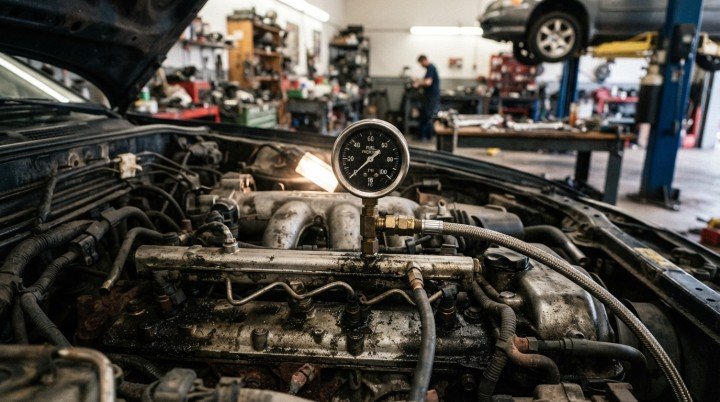
Fuel systems—especially gasoline direct injection—can operate at dangerous pressures and require proper service procedures.
Repair decision: Correct confirmed fuel supply faults rather than replacing multiple healthy coils.
7. Low Compression or Internal Engine Problems
A cylinder needs adequate compression to burn its air-fuel mixture efficiently.
If a valve leaks, piston rings are damaged, a head gasket fails, or valve timing is incorrect, that cylinder may continue misfiring regardless of how many ignition parts are replaced.
A compression test helps compare cylinders. A leak-down test can provide additional information about where pressure escapes.
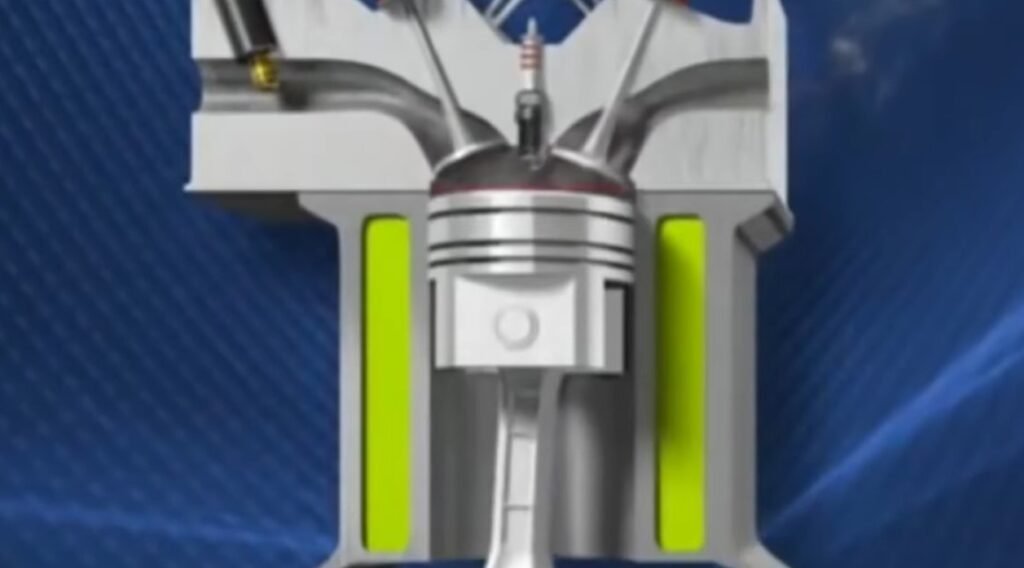
One cylinder that repeatedly misfires despite good spark and fuel delivery deserves mechanical investigation.
Mechanical problems can also produce symptoms that change with engine temperature.
Repair decision: Diagnose compression or valve-timing faults before spending more money on ignition components.
8. Ignition Coil Power, Ground, or Control Circuit Faults
Even a working ignition coil cannot fire properly if its electrical supply or control circuit fails.
Damaged wiring, loose connectors, missing power, or control-signal problems may create intermittent or persistent misfires.
On certain vehicles, a control-module driver fault is possible, although it should not be assumed without testing.
A coil’s resistance reading may appear normal even when it breaks down under heat or operating load. Manufacturer-specific testing is more useful than relying on resistance alone.

Ignition systems generate dangerously high voltage. Never touch coil outputs, spark plug leads, or exposed ignition components while the engine operates.
Repair decision: Confirm power, control signals, and coil performance. Replace the coil only when evidence points to an internal failure.
What Do P0300, P0301, P0302, and P035x Codes Mean?
Misfire codes identify where combustion problems were detected. They don’t automatically identify the defective part.
| Code | Meaning | What to Investigate |
|---|---|---|
| P0300 | Random or multiple-cylinder misfire | Ignition, fuel, intake, or mechanical causes |
| P0301 | Cylinder 1 misfire | Components serving cylinder 1 |
| P0302 | Cylinder 2 misfire | Components serving cylinder 2 |
| P0303–P0308 | Misfire on the numbered cylinder | Cylinder-specific diagnosis |
| P0351–P0358 | Ignition coil circuit fault | Coil circuit, wiring, supply, and controls |
P035x codes generally reference ignition coil circuits rather than directly numbering misfiring cylinders. Coil circuit identification and diagnostic criteria vary by manufacturer.
How to Find the Misfiring Cylinder Before Replacing a Coil
Start by recording stored and pending codes, freeze-frame data, and available cylinder misfire counts.
Notice whether the misfire appears at idle, during acceleration, after warm-up, or on cold starts.
A single-cylinder problem may point toward a local spark plug, coil, injector, wiring, or compression fault. Multiple-cylinder misfires may suggest a shared fuel, air, or timing problem.
Check the manufacturer’s cylinder numbering diagram before moving components.
Does the Misfire Follow the Coil? The Swap Test
Suppose your scanner shows P0302 on a compatible coil-on-plug engine.
With the engine off and following the service procedure, move the suspected cylinder-two coil to cylinder three and the known-working cylinder-three coil to cylinder two.
How to Interpret the Result
- Misfire moves to cylinder 3: The moved coil becomes a strong suspect.
- Misfire remains on cylinder 2: Investigate its plug, injector, wiring, and compression.
- Results are inconsistent: More testing is required, especially with intermittent faults.
Only perform this test where coils are interchangeable. Keep the engine off during component handling, and avoid swapping visibly damaged components that could cause additional damage.
A consistent result under comparable conditions is more useful than replacing a coil simply because the scanner mentioned cylinder two.
Ignition Coil vs Spark Plug vs Fuel Injector: Which Is Bad?
| Component | Potential Clue | Useful Test |
|---|---|---|
| Ignition coil | Misfire under load or heat | Valid coil swap or specified output test |
| Spark plug | Worn electrode, fouling, damaged insulator | Physical inspection and specification check |
| Fuel injector | Incorrect fuel delivery on one cylinder | Injector electrical or balance test |
| Mechanical fault | Persistent cylinder-specific misfire | Compression or leak-down test |
Several problems can exist together. For example, a worn spark plug can contribute to excessive ignition demand while oil contamination damages the coil boot.
Why Does the Engine Misfire Only When Hot or Accelerating?
Ignition components often face greater demands during acceleration because cylinder pressure increases and the spark may require higher voltage.
Worn plugs, weak coils, and damaged insulation may therefore cause more noticeable misfires under load.
Heat can also expose intermittent electrical faults. But low fuel pressure or other engine problems may behave similarly.
The best diagnosis reproduces the complaint safely and records misfire counts, fuel conditions, and ignition performance while it happens.
When Does Ignition Coil Replacement Make Sense?
Ignition coil replacement becomes reasonable when testing confirms that the coil itself is faulty.
Strong supporting evidence includes a consistent misfire following an interchangeable coil, failed manufacturer-specified performance testing, or confirmed non-serviceable internal damage.
A physically melted or cracked coil may also require replacement, but the cause of damage should be investigated.
A P0302 code by itself isn’t enough to justify replacement.
Should You Replace One Ignition Coil or All of Them?
On a coil-on-plug engine, replacing only the confirmed failed coil is often appropriate.
Other coils don’t automatically become defective because one failed. Replacing an entire set solely because of age or mileage can add unnecessary expense.
However, multiple confirmed failures, difficult access, or significant overlapping labor may make broader replacement worth discussing.
Older engines with shared coil packs also require a different approach because one assembly may serve several cylinders.
Ask the mechanic to price the confirmed repair separately from optional additional coils.
How Much Does Ignition Coil Replacement Cost in 2026?
RepairPal’s US national estimate, updated September 3, 2026, places ignition coil replacement at approximately $238–$320 for the estimated repair.
| Cost Component | 2026 US Estimate |
|---|---|
| Parts | $164–$211 |
| Labor | $74–$109 |
| Total | $238–$320 |
These estimates exclude taxes, location differences, and related repairs. They are not a guaranteed price for each coil or for replacing an entire set.
Cost depends on vehicle design, coil accessibility, replacement quantity, and parts quality. Some engines require removing other components to reach the rear coils.
OEM or reputable aftermarket ignition parts that meet the vehicle’s specifications are generally preferable to unverified low-cost replacements.
New Ignition Coil but Still Misfiring?
If the misfire remains after replacing the coil, don’t immediately purchase another one.
Recheck the spark plug, boot, connector, and installation. Make sure the replacement coil is compatible with the engine.
Then investigate the injector, intake leaks, compression, and the coil’s control circuit.
If the same cylinder continues misfiring, that suggests the original cause may never have been corrected.
The important result is whether the misfire disappears under the conditions that previously triggered it—not simply whether the check engine light was cleared.
Can You Drive With a Bad Ignition Coil?
A misfiring vehicle may still run, but continued driving can create additional problems.
Unburned fuel from an active misfire can enter the exhaust and overheat the catalytic converter. Significant misfiring may also reduce power or cause stalling.
If the check engine light flashes, the engine shakes severely, or power drops unexpectedly, pull over safely and arrange assistance.
Even a mild persistent misfire should be diagnosed promptly rather than ignored.
Questions to Ask Before Approving Ignition Coil Replacement
Before Authorizing the Repair
- Which cylinder is misfiring, and what codes were stored?
- Were the spark plug and coil boot inspected?
- Did a valid coil swap or electrical test confirm failure?
- Were injector, vacuum leak, and compression problems considered?
- Does the estimate cover one coil, a shared coil pack, or a complete set?
After installation, the technician should verify correct connections, inspect the spark plug and well for contamination, and confirm that misfire counts and drivability have improved.
Common Ignition Coil Replacement Mistakes to Avoid
- Replacing a coil based only on P0301 or P0302
- Ignoring worn or incorrectly gapped spark plugs
- Leaving oil or moisture in the spark plug well
- Assuming every misfire is ignition-related
- Replacing all coils without confirmed need
- Ignoring injector or compression problems
- Buying incompatible ignition components
- Failing to verify the repair afterward
Never handle exposed ignition connections while the engine is running. High-voltage ignition systems can cause serious electric shock.
Frequently Asked Questions About Ignition Coil Replacement
1. How can I confirm that an ignition coil is bad?
A valid coil swap that moves the misfire to another cylinder is useful evidence. Manufacturer-specified electrical and performance testing can also confirm failure after wiring and other causes are ruled out.
2. Can worn spark plugs damage an ignition coil?
Yes. Excessive plug gap and damaged insulation can increase ignition voltage demand and contribute to coil stress or breakdown.
3. Will replacing an ignition coil fix P0301 or P0302?
Only if the coil caused the misfire. Those codes identify affected cylinders, not specific failed parts. Spark plugs, injectors, wiring, or compression faults can produce the same codes.
4. Should I replace all ignition coils at once?
Usually not when only one coil has failed and the others test normally. Consider broader replacement when multiple failures are confirmed or overlapping labor makes it economically worthwhile.
5. How long do ignition coils usually last?
Many last 100,000 miles or longer, but there is no universal replacement interval. Heat, moisture, electrical problems, and poor spark plug condition can shorten service life.
6. Can a bad ignition coil damage the catalytic converter?
Yes. An active ignition misfire can allow unburned fuel into the exhaust, potentially overheating and damaging the converter. A flashing check engine light requires prompt attention.
Final Thoughts: Find the Misfire Cause Before Buying Coils
Ignition coil replacement can solve an engine misfire when testing confirms the coil has failed. But worn spark plugs, damaged boots, fluid leaks, injector problems, vacuum leaks, low fuel pressure, compression loss, and wiring faults can produce similar symptoms.
Identify the affected cylinder, examine the evidence, and confirm the failure before paying for new ignition components.
The goal isn’t to avoid replacing a bad coil. It’s to replace the right part the first time.

Kevin Nicholas is an automotive mechanic and editor of The Effective Guide. He writes about warning lights, car problems, and diagnostic tools, helping drivers understand what to check before replacing a part.