
A VVT solenoid is not one of those parts most drivers think about. It is small, usually hidden near the top or side of the engine, and it does not get the same attention as spark plugs, ignition coils, or fuel injectors. But when it stops working correctly, the engine can feel completely different.
You may notice rough idle, weak acceleration, hesitation, poor fuel mileage, or a check engine light. In some cases, the engine may even stall at low speed. The tricky part is that Bad VVT Solenoid Symptoms can look very similar to other engine problems. A bad camshaft position sensor, dirty oil, worn timing components, or ignition problems can all create similar signs.
That is why the VVT solenoid should not be guessed at blindly. It needs to be checked in the right order. Sometimes the solenoid is bad. Sometimes it is only dirty or clogged. And sometimes the solenoid is being blamed for a problem caused by low oil, sludge, wiring, or timing chain wear.
In this guide, we’ll go through the 8 most common Bad VVT Solenoid Symptoms, why they happen, what causes the solenoid to fail, and how to tell when the problem is serious.
What Does a VVT Solenoid Do?
VVT stands for Variable Valve Timing. In simple terms, the system helps the engine adjust when the intake or exhaust valves open and close.
Older engines used fixed valve timing. The camshaft timing stayed the same whether the engine was idling, accelerating, cruising, or climbing a hill. Modern engines are smarter. They can adjust valve timing based on speed, load, temperature, and driving conditions.
The VVT solenoid controls oil flow to the camshaft actuator or cam phaser. That oil pressure helps move the cam timing forward or backward. When everything works correctly, the engine gets better power, smoother idle, improved fuel economy, and lower emissions.
The same part may be called different names depending on the brand. You may see it called a VVT solenoid, oil control valve, camshaft timing oil control valve, variable valve timing valve, or VCT solenoid.
Because this system depends on clean engine oil, oil condition matters a lot. Dirty oil, low oil, wrong oil viscosity, or sludge can stop the solenoid from moving properly.
Bad VVT Solenoid Symptoms You Should Watch For
The following signs do not always prove the VVT solenoid is bad by itself. But if several of these symptoms show up together, especially with VVT-related trouble codes, the solenoid or its oil control circuit becomes a strong suspect.
1. Check Engine Light Comes On
One of the most common Bad VVT Solenoid Symptoms is a check engine light.
The engine computer watches camshaft timing closely. If it commands the camshaft to move and the timing does not respond correctly, it can set a trouble code. The light may come on suddenly, or it may appear after several drive cycles.
Common VVT-related codes include P0010, P0011, P0012, P0013, P0014, and P0015. Some vehicles may also set P0020, P0021, or P0022 if the issue is on bank 2.

These codes can point toward intake or exhaust cam timing problems, camshaft timing over-advanced, timing over-retarded, or oil control solenoid circuit faults.
But this is important: a code does not automatically mean the solenoid itself is bad. A P0011 code, for example, may be caused by dirty oil, low oil, a stuck cam phaser, stretched timing chain, wiring damage, or a failing sensor.
The check engine light is a starting point. It tells you where to investigate. It should not be treated as permission to replace parts without checking the basics first.
2. Rough Idle or Engine Shaking at a Stop
A rough idle is another common sign. The engine may shake at stoplights, feel uneven in Park, or stumble when the AC turns on.
At idle, the engine needs stable valve timing. If the VVT solenoid sticks open, sticks closed, or moves too slowly, the cam timing may be wrong for low RPM operation. That can make combustion unstable.
You may feel small vibrations through the steering wheel or seat. The tachometer may move slightly up and down. The engine may sound like it is struggling to stay smooth.

This symptom can be confusing because it feels like a misfire. Many drivers replace spark plugs or ignition coils first. Sometimes that fixes the problem if the ignition system is actually bad. But if the rough idle comes with VVT codes or timing-related codes, the VVT solenoid should be checked too.
Dirty oil is a big clue here. If the oil is dark, thick, or overdue, the solenoid may not be able to respond properly at idle.
3. Poor Acceleration or Sluggish Engine Response
A healthy VVT system helps the engine breathe better under different driving conditions. When the system fails, the engine may lose some of that flexibility.
One of the most noticeable Bad VVT Solenoid Symptoms is weak acceleration. The car may still drive, but it feels lazy. You press the gas pedal and the response feels delayed. Highway merging, passing, or climbing hills may take more effort than usual.
This happens because valve timing affects how efficiently air enters and exits the engine. If the cam timing is stuck in the wrong position, the engine may not make power the way it should.

Some drivers describe it as the engine feeling “flat.” It runs, but it does not pull like normal. The RPM may rise, but the vehicle does not feel as responsive.
Before blaming the transmission or fuel system, check for engine codes and oil condition. A VVT solenoid that cannot control oil flow can make the engine feel weak even when the basic ignition and fuel systems are working.
4. Hesitation, Stumbling, or Misfire-Like Behavior
A failing VVT solenoid can also cause hesitation or stumbling while driving.
You may feel the engine pause for a moment when accelerating from a stop. It may jerk lightly at low speed. It may stumble when you press the pedal after cruising. Sometimes it feels like a weak ignition coil or dirty fuel injector.
Wrong valve timing can disturb combustion. If the valves open or close at the wrong moment, the air-fuel mixture may not burn cleanly. That can create a misfire-like feeling even if the spark plugs are still good.
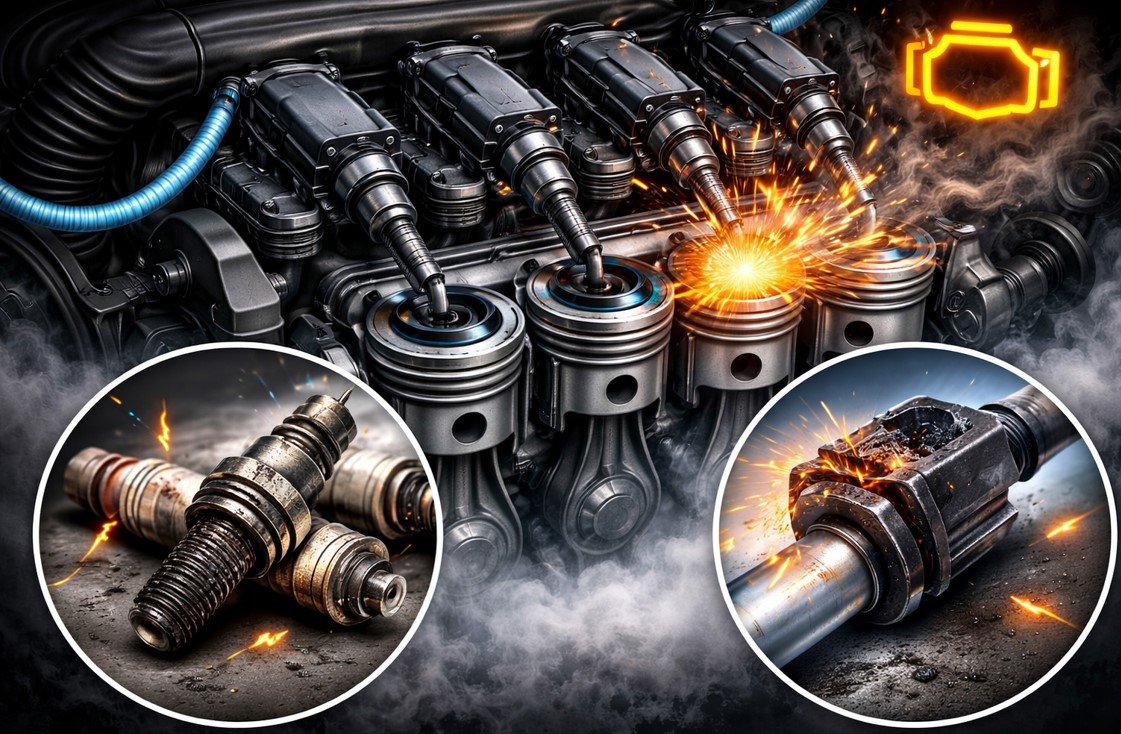
In some cases, the vehicle may set actual misfire codes along with VVT codes. That is where diagnosis becomes important. If you only fix the misfire code and ignore the cam timing code, the problem may return.
This is one reason Bad VVT Solenoid Symptoms should be looked at as a pattern. A single symptom may point in several directions. But hesitation plus rough idle, poor acceleration, dirty oil, and a cam timing code makes the VVT system much more suspicious.
5. Poor Fuel Economy
A bad VVT solenoid can make the engine use more fuel.
The VVT system helps optimize valve timing for power and efficiency. If the solenoid is stuck or slow, the engine may run with less efficient timing. That means it may need more fuel to produce the same amount of power.
You may notice more frequent fill-ups even though your driving habits have not changed. The fuel economy drop may be small at first, then become more obvious as the problem gets worse.
Poor mileage alone does not prove a bad VVT solenoid. Low tire pressure, dirty air filters, oxygen sensor problems, dragging brakes, and driving habits can all affect fuel economy.

But when poor mileage comes with rough idle, sluggish acceleration, and a check engine light, the VVT solenoid becomes a realistic possibility.
This symptom is easy to ignore because the car may still start and drive. But over time, bad valve timing can waste fuel, increase emissions, and make the engine work harder than it should.
6. Hard Starting or Long Crank
A bad VVT solenoid can sometimes cause starting problems.
The engine may crank longer than usual before it starts. It may start normally one day and struggle the next. In some cases, the problem may be worse when the engine is warm after a short stop.
This can happen when cam timing is not where the engine expects it to be during startup. If the solenoid is stuck or the actuator does not return properly, the timing may be wrong before the engine even settles into idle.
Of course, hard starting has many other possible causes. A weak battery, failing starter, fuel pressure leakdown, crankshaft position sensor problem, or dirty throttle body can also cause long crank.
That is why this symptom should be combined with other clues. If the vehicle also has VVT codes, rough idle after starting, or oil sludge, the VVT solenoid deserves attention.
Hard starting is not always the first sign, but when it appears with other Bad VVT Solenoid Symptoms, it can mean the problem is getting worse.
7. Engine Stalling at Idle or Low Speed
Stalling is one of the more serious signs.
The engine may shut off when you stop at a light, slow down for a turn, or pull into a parking space. It may restart right away, or it may crank longer than normal.
If the VVT solenoid sticks in a position that is wrong for idle, the engine may not be able to stay running smoothly. The cam timing may be too advanced or too retarded for low RPM operation.
This is more than an inconvenience. A stall in traffic can become a safety issue, especially if it happens while turning across traffic or slowing in a busy intersection.
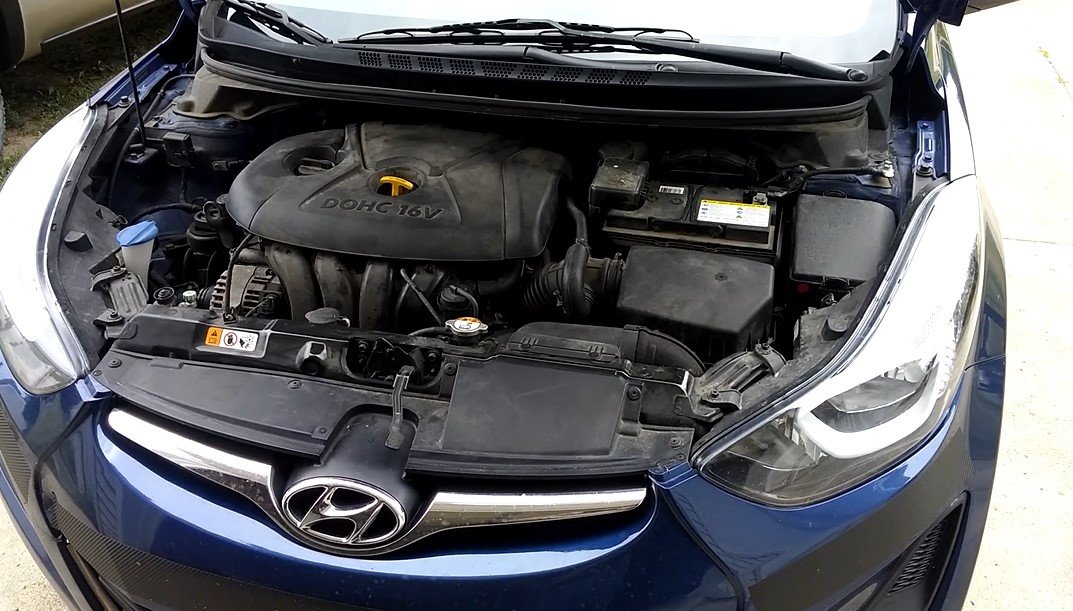
Do not keep driving normally if the engine is stalling repeatedly. Scan the vehicle, check oil level, inspect for VVT-related codes, and have the system diagnosed.
A stalling engine can also be caused by fuel delivery problems, vacuum leaks, throttle body issues, idle air control issues, or sensor faults. But VVT should be considered when stalling comes with timing codes or rough idle.
8. Rattling, Ticking, or Timing-Related Noise
A VVT solenoid itself usually does not make a loud noise that you can easily hear from the driver’s seat. But a VVT system problem can lead to timing-related noises.
You may hear ticking, rattling, or brief noise from the top/front of the engine. Some noises may be more noticeable during startup. Others may appear when accelerating.
There are a few reasons this can happen. Low oil pressure can affect both the solenoid and the cam phaser. Dirty oil can restrict oil flow. A worn timing chain or cam phaser may also create noise and cause the same timing codes that make people blame the solenoid.

This is where diagnosis matters. If the engine has a loud timing chain rattle, replacing only the VVT solenoid may not solve anything. The actual issue may be a stretched chain, worn tensioner, failing cam phaser, or oil pressure problem.
Still, noise should never be ignored. If you hear rattling with a check engine light, low oil warning, or poor running, stop and check the oil level first. Driving with low oil can turn a small VVT issue into serious engine damage.
What Causes a VVT Solenoid to Go Bad?
The most common cause is oil-related.
The VVT solenoid relies on engine oil to move and control cam timing. Dirty oil can create sludge that blocks the small passages inside the solenoid. Low oil can starve the system. Wrong oil viscosity can also affect how fast the solenoid and actuator respond.
Electrical problems are another cause. A damaged connector, broken wire, corrosion, or internal solenoid failure can stop the part from receiving or responding to commands.
High mileage can also play a role. Over time, heat, varnish, and wear can make the solenoid stick. If oil changes have been neglected, the risk goes up.
Common causes include:
- Dirty engine oil
- Low oil level
- Wrong oil viscosity
- Sludge buildup
- Clogged solenoid screen
- Electrical failure
- Damaged wiring or connector
- High mileage wear
- Poor oil change history
Because oil condition is so important, checking the dipstick is one of the first things you should do when Bad VVT Solenoid Symptoms appear.
Can You Drive With a Bad VVT Solenoid?
Sometimes you can drive a short distance with a mild VVT solenoid problem, but it should not be ignored.
If the car only has a steady check engine light and drives normally, you may be able to drive to a shop or parts store for a scan. But if the engine is stalling, misfiring badly, rattling, or showing a low oil warning, driving is risky. If you are unsure, use the same kind of safety-first thinking covered in this guide on whether it is safe to drive with a warning or symptom.
A flashing check engine light is especially serious. That often means an active misfire that can damage the catalytic converter. In that case, avoid driving if possible.
Driving for weeks with a bad VVT solenoid can lead to poor fuel economy, rough running, emissions problems, and extra stress on timing components. If the root cause is low oil or dirty oil, the risk is even higher.
The safest approach is to check oil level first, scan the codes, and diagnose the problem before it turns into a larger repair.
How Mechanics Diagnose a Bad VVT Solenoid
A good diagnosis starts with the basics.
First, the mechanic scans the codes and freeze-frame data. Then they check oil level and oil condition. If the oil is very low or dirty, that needs attention before replacing parts.
Next, they inspect the wiring and connector at the solenoid. A loose plug or broken wire can create the same symptoms as a failed solenoid.
On some vehicles, a scan tool can command the VVT solenoid on and off while watching cam timing data. If the computer commands a change but the cam timing does not respond, the mechanic can narrow down the issue.
They may also test solenoid resistance with a multimeter, remove the solenoid to inspect for sludge, or compare intake and exhaust solenoids if the engine has more than one.
A proper diagnosis may include:
- OBD2 code scan
- Oil level and oil condition check
- Wiring and connector inspection
- Live cam timing data
- Solenoid resistance test
- Scan tool command test
- Solenoid screen inspection
- Timing chain or cam phaser inspection if needed
This step matters because Bad VVT Solenoid Symptoms overlap with many other engine problems.
Bad VVT Solenoid vs Camshaft Position Sensor
A VVT solenoid and a camshaft position sensor are not the same part.
The VVT solenoid controls oil flow to change camshaft timing. The camshaft position sensor reads where the camshaft is and sends that information to the computer.
If the sensor fails, the computer may not know the cam position correctly. If the solenoid fails, the computer may know the cam position but cannot control it properly.
Symptoms can overlap. Both can cause check engine lights, poor running, hard starting, and timing-related codes. That is why live data and code details matter.
Replacing the camshaft sensor when the solenoid is stuck will not fix the issue. Replacing the VVT solenoid when the sensor signal is bad also will not fix it.
Can You Clean a VVT Solenoid?
Sometimes, yes. If the solenoid is sticking because of dirt or sludge, cleaning may help. The solenoid can often be removed and inspected. If the screen is clogged, cleaning it may restore operation.
But cleaning is not always a permanent fix. If the solenoid has an internal electrical failure, broken winding, damaged valve, or worn mechanism, it needs replacement.
Also, if the engine oil system is full of sludge, cleaning one solenoid may only help temporarily. The same contamination can clog it again.
If the oil is dirty, an oil change with the correct oil and filter is usually part of the fix. But avoid using aggressive engine flushes unless a qualified mechanic recommends it for that engine. Some engines with heavy sludge can react badly if large deposits break loose at once.
How Much Does VVT Solenoid Replacement Cost?
The cost depends on the vehicle, engine design, and location of the solenoid.
Some VVT solenoids are easy to reach and can be replaced quickly. Others are buried under covers, intake parts, or tight engine bay areas.
In many vehicles, the part itself may be moderately priced, but labor can vary. If diagnosis is needed, that adds cost too. Some engines have separate intake and exhaust solenoids, and some have different solenoids for each bank.
Replacing both solenoids is not always necessary. If only one is bad and the other tests fine, replacing only the failed one may be enough. But if both are contaminated or the vehicle has high mileage, a mechanic may recommend replacing them as a pair.
Always confirm the fault before spending money. A timing chain, cam phaser, oil pressure problem, or wiring fault can mimic a bad solenoid.
How to Prevent VVT Solenoid Problems
The best prevention is simple: maintain the oil.
Use the correct oil viscosity listed in the owner’s manual. Change oil on time. Use a quality oil filter. Fix oil leaks before the level gets too low. Check the dipstick regularly, especially on engines known to consume oil.
If your vehicle has VVT-related codes, do not ignore them for months. Small oil control problems can grow into bigger timing problems.
Also, do not keep driving with sludge, low oil pressure warnings, or repeated stalling. Those are signs the issue may be more serious than a simple solenoid.
FAQs About Bad VVT Solenoid Symptoms
What is the most common symptom of a bad VVT solenoid?
The most common symptom is a check engine light with VVT or camshaft timing codes. Rough idle, poor acceleration, and reduced fuel economy are also common.
Can a bad VVT solenoid cause misfire?
Yes, it can create misfire-like symptoms or even contribute to misfire codes if valve timing becomes unstable. But ignition coils, spark plugs, injectors, and sensors should also be checked.
Will a bad VVT solenoid make noise?
The solenoid itself usually does not make loud noise. But VVT system problems can be related to ticking, rattling, timing chain noise, cam phaser noise, or low oil pressure.
Can dirty oil cause VVT solenoid problems?
Yes. Dirty oil is one of the biggest causes. Sludge and varnish can clog the solenoid screen or make the internal valve stick.
Can I clean a VVT solenoid instead of replacing it?
Sometimes cleaning works if the solenoid is only clogged. If it has an electrical failure or mechanical damage, replacement is needed.
Can a bad VVT solenoid damage the engine?
If ignored, it can contribute to poor performance, misfires, stalling, fuel waste, and timing-related stress. If the root cause is low oil or oil pressure, engine damage becomes a much bigger risk.
Final Thoughts
The most common Bad VVT Solenoid Symptoms include check engine light, rough idle, weak acceleration, hesitation, poor fuel economy, hard starting, stalling, and timing-related noise.
The important thing is not to guess. These symptoms overlap with dirty oil, camshaft sensors, timing chains, cam phasers, ignition problems, and wiring faults.
Start with oil level and oil condition. Scan the codes. Check the wiring. Then test the solenoid before replacing parts.
A bad VVT solenoid is often repairable before it becomes a major engine problem, but only if you catch the signs early and diagnose it the right way.
Kevin Nicholas is an automotive mechanic and editor of The Effective Guide. He writes about warning lights, car problems, and diagnostic tools, helping drivers understand what to check before replacing a part.