
Last Updated on October 7, 2026
You turn the key and hear one heavy click. The dashboard stays bright, but the engine does not move. Ten minutes later, the car starts as if nothing happened.
That pattern can point to a failing starter, but it can also come from a weak battery, corroded cable, bad ground, starter relay, neutral-safety switch, or ignition problem. Replacing the starter based on one sound is an expensive guess.
The most useful bad starter symptoms are not simply “the car won’t start.” They are the exact sound, cranking behavior, and whether the problem is intermittent. A single click, grinding, free-spinning, and a starter that remains engaged deserve particular attention.
First, Identify What Happens When You Try to Start the Car
Before opening the hood, watch and listen during the first two seconds of the start attempt.
| What you hear or see | What to investigate first |
|---|---|
| One solid click, no engine movement | Starter, solenoid, cables, grounds, or a locked engine |
| Rapid repeated clicking | Weak battery or excessive resistance in a connection |
| Complete silence | Battery connection, fuse, relay, ignition switch, safety interlock, or immobilizer |
| Slow, labored cranking | Battery, cables, starter motor, cold oil, or mechanical drag |
| Metal grinding | Starter drive, mounting, or flywheel/flexplate teeth |
| High-pitched whirring | Starter spins but its gear does not engage |
| Normal cranking but no start | Usually fuel, ignition, compression, sensor, or security related—not the starter |
“No-crank” means the starter is not turning the engine. “Crank-no-start” means the engine turns normally but never runs. A starter can cause no-crank or weak cranking; it usually does not prevent a normally cranking engine from firing.
How the Starting System Works
The starter is a powerful electric motor. A start request activates a relay and solenoid. The solenoid moves a pinion gear into the flywheel or flexplate and connects battery current to the motor, which turns the crankshaft until combustion begins.
A failed relay can block the solenoid’s command. Worn solenoid contacts may click without powering the motor, while a damaged drive may spin without turning the engine. A diagnosis must therefore include the entire circuit.
Bad Starter Symptoms: 7 Warning Signs
1. The Car Starts Normally One Time and Refuses the Next
Intermittent starting is often the warning drivers overlook. The engine may start on the first attempt for several days, then respond with a click or silence. Trying again later may bring it back to life.
Worn brushes, burned solenoid contacts, or an internal dead spot can cause this behavior. Heat may expose it: a marginal starter can work cold but fail after a short stop with the engine hot.
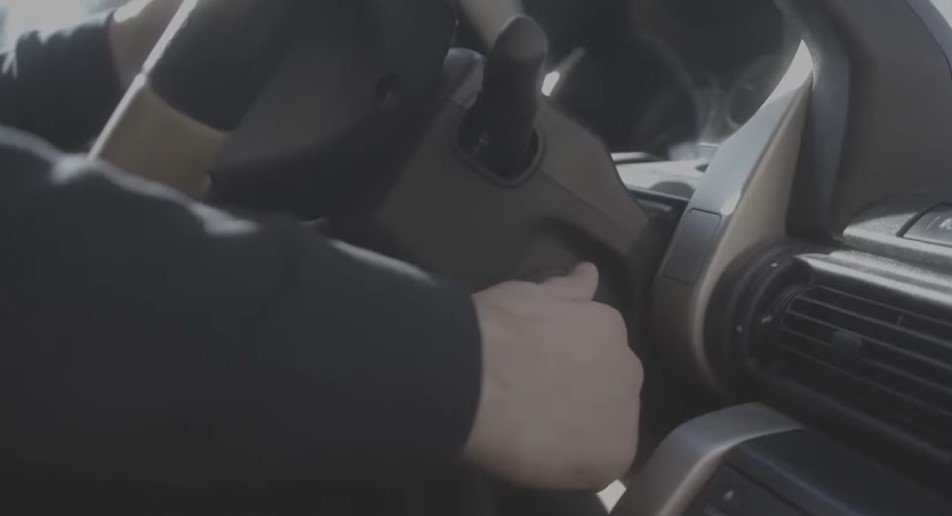
A loose cable, relay, Park/Neutral switch, clutch switch, or immobilizer can behave similarly. Still, recurring no-crank episodes are among the bad starter symptoms most likely to leave the car stranded.
2. You Hear One Solid Click but the Engine Does Not Turn
A single click usually means the solenoid attempted to engage. No engine movement may indicate a failed motor, burned solenoid contacts, or excessive circuit resistance.
Do not confuse one click with a fast click-click-click. Rapid clicking usually occurs when voltage collapses as the solenoid repeatedly engages and releases. A discharged battery or poor connection is more common in that situation.
Even a single click is not conclusive. A poor engine ground or mechanically locked engine can create the same result. Confirm battery condition and circuit voltage before ordering a starter.
3. The Dashboard Has Power, but There Is No Crank
The radio, lights, and dashboard may work while the engine remains still. This makes the starter suspicious after the battery passes a load test and the connections prove sound.
Working accessories do not prove the battery is healthy; lights require far less current than the starter. A weak battery can still collapse under load. A fuse, relay, ignition switch, safety interlock, or immobilizer can also cause no-crank.
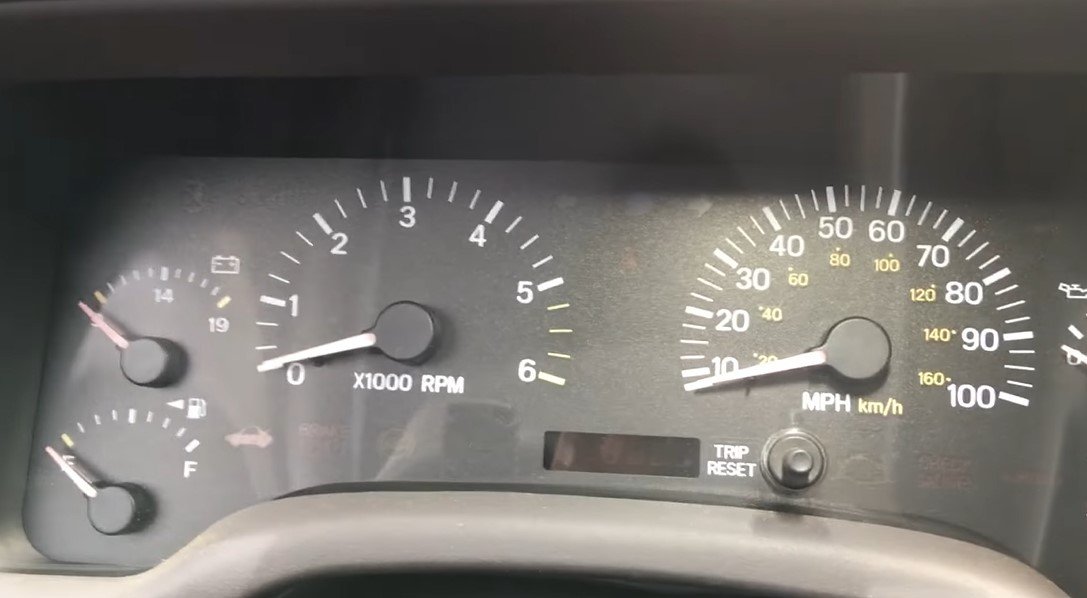
Treat power-without-crank as a clue, not permission to replace a part without testing.
4. The Engine Cranks More Slowly Than It Used To
A worn starter may sound heavy or uneven. Bearing wear, damaged windings, worn brushes, or internal resistance can reduce its torque.
Slow cranking is among the easiest bad starter symptoms to misdiagnose. A weak battery is more common, while corroded terminals, a bad ground, cold weather, incorrect oil, or engine resistance can sound similar. Load-test the battery and check circuit voltage loss first.
5. You Hear Grinding During Startup
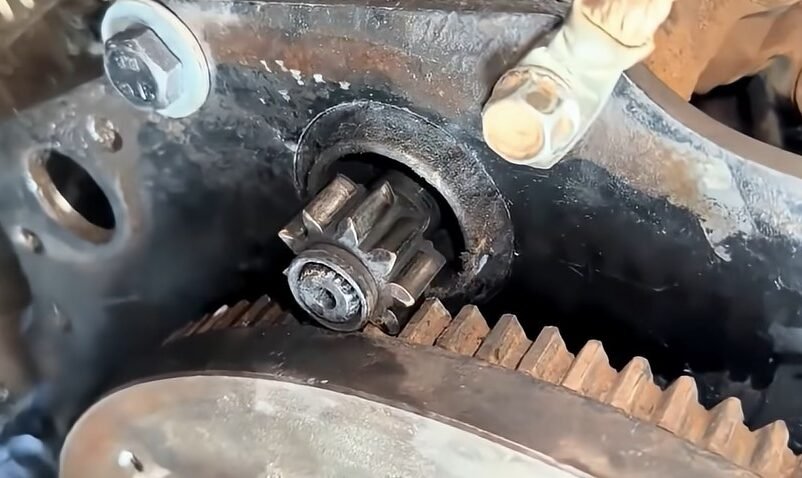
Grinding suggests that the starter pinion and flywheel or flexplate teeth are not meshing correctly. The starter drive may be worn, the starter may be loose or misaligned, or teeth on the ring gear may be damaged.
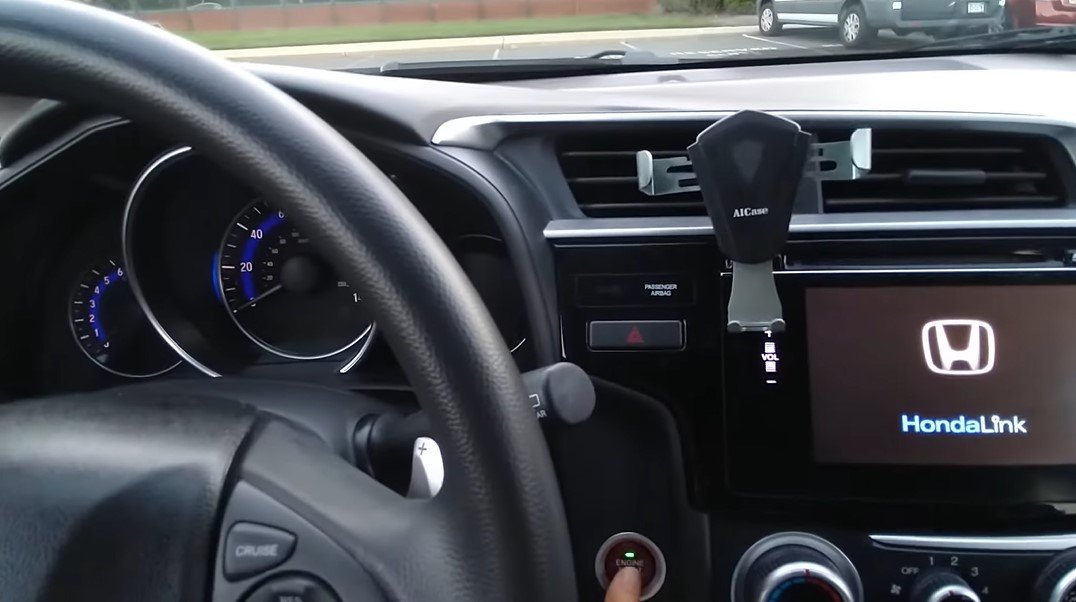
Repeated grinding can destroy more teeth and turn a starter repair into a flywheel or flexplate job. Intermittent grinding may indicate ring-gear damage in only certain positions.
6. The Starter Whirs, but the Engine Does Not Crank
A high-pitched spinning sound without the engine’s normal rhythm is called free-spinning or freewheeling. The motor runs, but its pinion does not engage the flywheel.
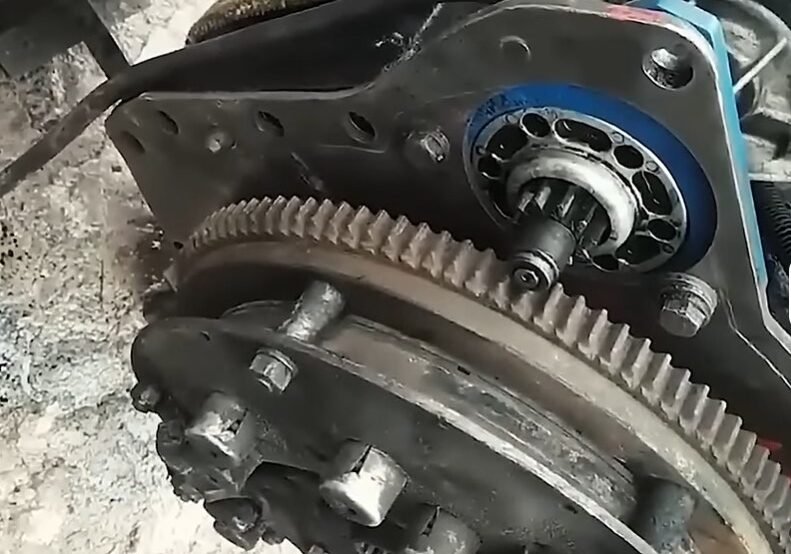
A failed starter drive, overrunning clutch, shift mechanism, or damaged ring-gear teeth may be responsible. This is different from an engine that cranks normally without starting; during free-spinning, the engine itself is not being turned.
7. The Starter Keeps Running After the Engine Starts
The starter should disengage when you release the key or the start sequence ends. Continued whining or grinding means the pinion may remain engaged or the motor may still receive power.
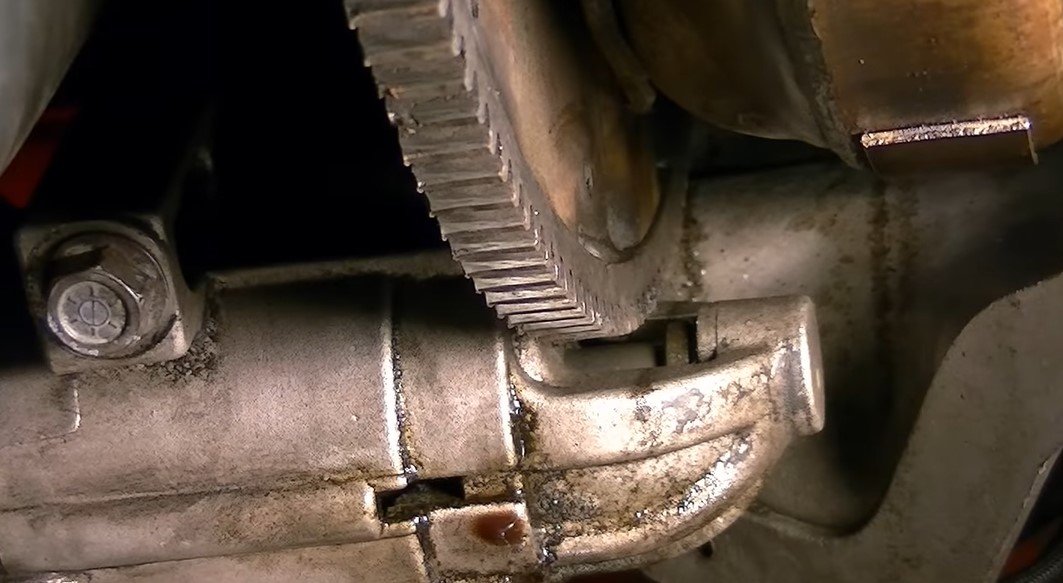
Possible causes include a sticking solenoid, welded relay contacts, faulty ignition switch, or drive that will not retract. It can overspeed the starter and damage the flywheel. Turn the engine off safely and do not restart it.
Smoke or a Burning Smell Is an Emergency Warning
Smoke may indicate an overheated starter, shorted wiring, stuck solenoid, damaged cable, or high-resistance connection. Holding the key in Start too long can also overheat the circuit.
Stop cranking immediately. Switch the ignition off, keep away from hot cables, and arrange assistance. Do not keep trying “one more time.” Smoke and melting insulation may appear alongside bad starter symptoms, but they are electrical fire warnings first.
Starter, Battery, or Alternator?
These three parts can produce overlapping bad starter symptoms, but they work at different stages.
| Clue | Starter more likely | Battery more likely | Alternator more likely |
|---|---|---|---|
| Single click with a verified healthy battery | Yes | Possible | Unlikely |
| Rapid clicking and heavily dimming lights | Less likely | Yes | Indirectly |
| Grinding or free-spinning | Yes | No | No |
| Slow cranking | Possible | Common | Possible if it left the battery discharged |
| Proper jump-start restores normal cranking | Less likely | Yes | Battery still needs charging-system diagnosis |
| Battery warning light while driving | No | Possible | Yes |
| Engine dies while driving as electrical power fades | No | Possible | Yes |
The alternator does not crank the engine; it recharges the battery after startup. Its failure can leave the battery too weak for the next start, but a starter replacement will not fix that.
A jump-start is evidence, not a verdict. If it restores strong cranking, investigate the battery and charging system. If nothing changes, the starter becomes more plausible, but poor cables, control faults, and a locked engine remain possible.
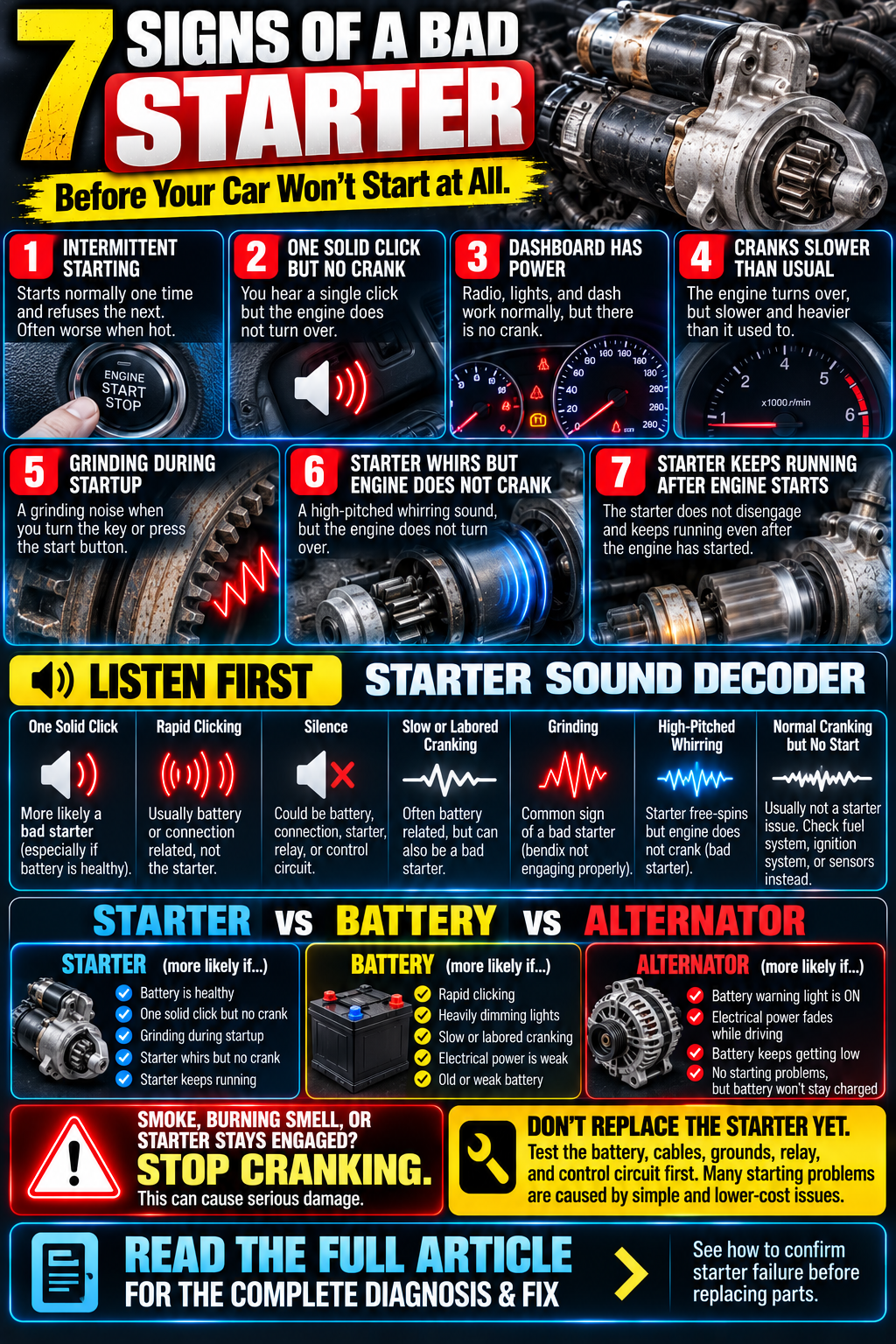
What Can Look Like a Bad Starter?
Before approving replacement, rule out these common impostors:
- A weak or internally damaged battery
- Loose or corroded battery terminals
- Corrosion hidden inside a battery cable
- A broken engine-to-body ground strap
- A blown fuse or fusible link
- A faulty starter relay or ignition switch
- A Park/Neutral safety switch that fails in one shifter position
- A clutch-pedal safety switch on a manual vehicle
- An immobilizer that does not recognize the key
- A seized engine or locked belt-driven accessory
If an automatic vehicle will not crank in Park, hold the brake, apply the parking brake, and try Neutral. If it starts there, the range or neutral-safety circuit needs attention. This simple observation does not repair the fault, but it can prevent an unnecessary starter purchase.
How to Confirm a Bad Starter Before Replacing It
A sensible diagnosis follows current from the battery to the motor instead of guessing.
First, load-test the battery; acceptable resting voltage does not guarantee cranking power. Clean both terminals, then inspect the positive cable, engine ground, body ground, and starter connections.
Next, check the fuse, relay, and solenoid control signal. A missing command points toward the relay, ignition switch, safety interlock, immobilizer, wiring, or control module.
A cranking voltage-drop test can expose hidden resistance. Excessive positive-side loss indicates a cable problem; excessive loss between the starter housing and battery negative indicates a poor ground. Use vehicle-specific specifications.
Current-draw testing adds another clue. High draw with little movement suggests a dragging starter or mechanical resistance; low draw with correct power may indicate an open internal circuit.
Remove the starter for inspection or bench testing only after the battery, cables, grounds, and control circuit pass. A no-load bench test may miss a failure that occurs only when hot or under engine load.
These checks separate genuine bad starter symptoms from voltage and control problems that would remain after a new starter was installed.
What Makes a Starter Fail?
Every start wears the brushes, commutator, bearings, gears, and solenoid contacts. Heat accelerates wear. Oil or coolant can damage the unit, loose bolts can create misalignment, and corroded cables reduce available voltage.
Long crank attempts are harmful. A fuel or ignition problem can make repeated attempts overheat an otherwise healthy starter, so repair the reason for extended cranking.
There is no universal replacement mileage. Some starters last the life of the vehicle; others fail earlier because of heat, contamination, frequent start-stop use, electrical resistance, or manufacturing differences.
Can You Drive With a Failing Starter?
Once the engine is running and the starter has disengaged normally, the starter is no longer needed until the next start. The car may drive normally, but shutting it off could leave you stranded. A starter that works intermittently offers no reliable promise of one more start.
Do not drive if the starter remains engaged, you hear continued grinding, smoke appears, or cables become hot. Those conditions can damage the flywheel, wiring, and surrounding components and may present a fire risk.
Jump-starting will not repair a mechanically failed starter. Tapping it may occasionally move worn brushes, but it is neither conclusive nor universally safe. Never crawl beneath a vehicle supported only by a jack, and never short starter terminals with a tool.
Repair the Starter or Replace the Complete Unit?
On many vehicles, the motor and solenoid are replaced together. Some allow individual component service, but labor and reliability often make a quality complete unit more practical.
Cost depends on vehicle design, labor access, and related damage. An intake-hidden starter costs more to reach than an exposed unit. Damaged flywheel teeth, burned cables, or a contaminating oil leak add separate repairs.
Conventional advice may not apply to every newer vehicle. Automatic start-stop systems can use reinforced starters, and some hybrids use an integrated starter-generator instead of a traditional starter motor. High-voltage hybrid components require vehicle-specific procedures and trained service.
Frequently Asked Questions
What Is Usually the First Sign of a Bad Starter?
Among the earliest bad starter symptoms, intermittent no-crank after a hot shutdown is especially useful. A single solid click with a verified healthy battery is another strong clue. Neither one confirms the starter without circuit testing.
Can a Starter Fail Without Making Any Sound?
Yes. An open internal circuit can produce silence, but so can a dead battery connection, blown fuse, bad relay, ignition switch, safety interlock, immobilizer, or missing control signal.
Can a Bad Starter Drain the Battery?
A shorted or stuck starter can draw excessive current. More commonly, repeated attempts to operate a failing starter discharge the battery. The underlying fault should be repaired before recharging alone is considered a solution.
Will a Bad Starter Turn On the Check-Engine Light?
Usually not. The check-engine light monitors engine and emissions faults, not starter wear directly. Some vehicles may store body, security, low-voltage, or starting-system codes that require an appropriate scan tool to retrieve.
How Long Can a Starter Keep Working After Symptoms Begin?
There is no dependable timeline. It may fail on the next attempt or work intermittently for weeks. Once recognizable bad starter symptoms appear, plan testing and repair before relying on the vehicle for an important trip.
The Decision That Prevents a Wrong Repair
A bad starter announces itself through a pattern: what you hear, whether the engine moves, whether the failure changes with heat, and whether full battery power reaches the motor. One solid click is different from rapid clicking. Free-spinning is different from normal cranking. Working dashboard lights are not the same as a battery that passes a load test.
Use those differences to guide testing, not to skip it. Confirm the battery, cables, grounds, relay, safety interlocks, and control signal before replacing the starter. When the evidence truly points to the unit, acting on the bad starter symptoms early can prevent a no-start, damaged flywheel, overheated wiring, and an inconvenient tow.
Kevin Nicholas is an automotive mechanic and editor of The Effective Guide. He writes about warning lights, car problems, and diagnostic tools, helping drivers understand what to check before replacing a part.