
Last Updated on October 7, 2026
A warning symbol suddenly appears while you are driving. The car may still feel normal, but you now have only a few seconds to decide whether to continue, pull over, or shut the engine off.
Dashboard Warning Lights do not all carry the same urgency. Some indicate that a safety feature is unavailable. Others warn that continued operation may damage the engine, transmission, braking system, or electrical components. The symbol’s color helps, but its flashing pattern, accompanying message, and changes in vehicle behavior matter just as much.
The smartest response is not to panic or guess which part has failed. First determine what system is warning you, whether the vehicle is still safe to control, and what action the owner’s manual recommends.
Quick Answer: Use the 3-Second Rule
When Dashboard Warning Lights appear, immediately ask three questions: Is the light flashing or steady? Has the vehicle’s braking, steering, temperature, power, or sound changed? Does the displayed message or owner’s manual tell you to stop?
A red warning, a flashing light, or a noticeable change in vehicle control generally increases the urgency. Move out of traffic safely before reading messages, taking a photo, or calling for assistance.
What Do the Different Colors Mean?
Red commonly signals a condition requiring immediate attention. Yellow or amber generally indicates a fault that needs diagnosis soon. Green, white, and blue lights often confirm that a feature—such as headlights or cruise control—is operating.
However, color is not a universal decision system. A red seat-belt reminder does not mean the engine must be shut down, while a flashing amber Check Engine Light can indicate a potentially damaging misfire. Symbols and colors also vary among manufacturers, so your vehicle’s owner’s manual remains the final reference.
The 3-Second Dashboard Triage
| Warning Pattern | Possible Urgency | Immediate Decision | First Safe Action |
|---|---|---|---|
| Red light with braking, steering, or temperature change | Potentially critical | Do not continue normal driving | Move safely out of traffic and stop |
| Flashing warning light | Active or worsening condition | Reduce risk and prepare to stop | Follow the displayed message and owner’s manual |
| Steady amber light with normal vehicle behavior | Diagnosis required | Avoid unnecessary or demanding driving | Arrange inspection promptly |
| Several unrelated lights appear together | Possible voltage or network fault | Do not assume every system failed separately | Stop safely if control or power changes |
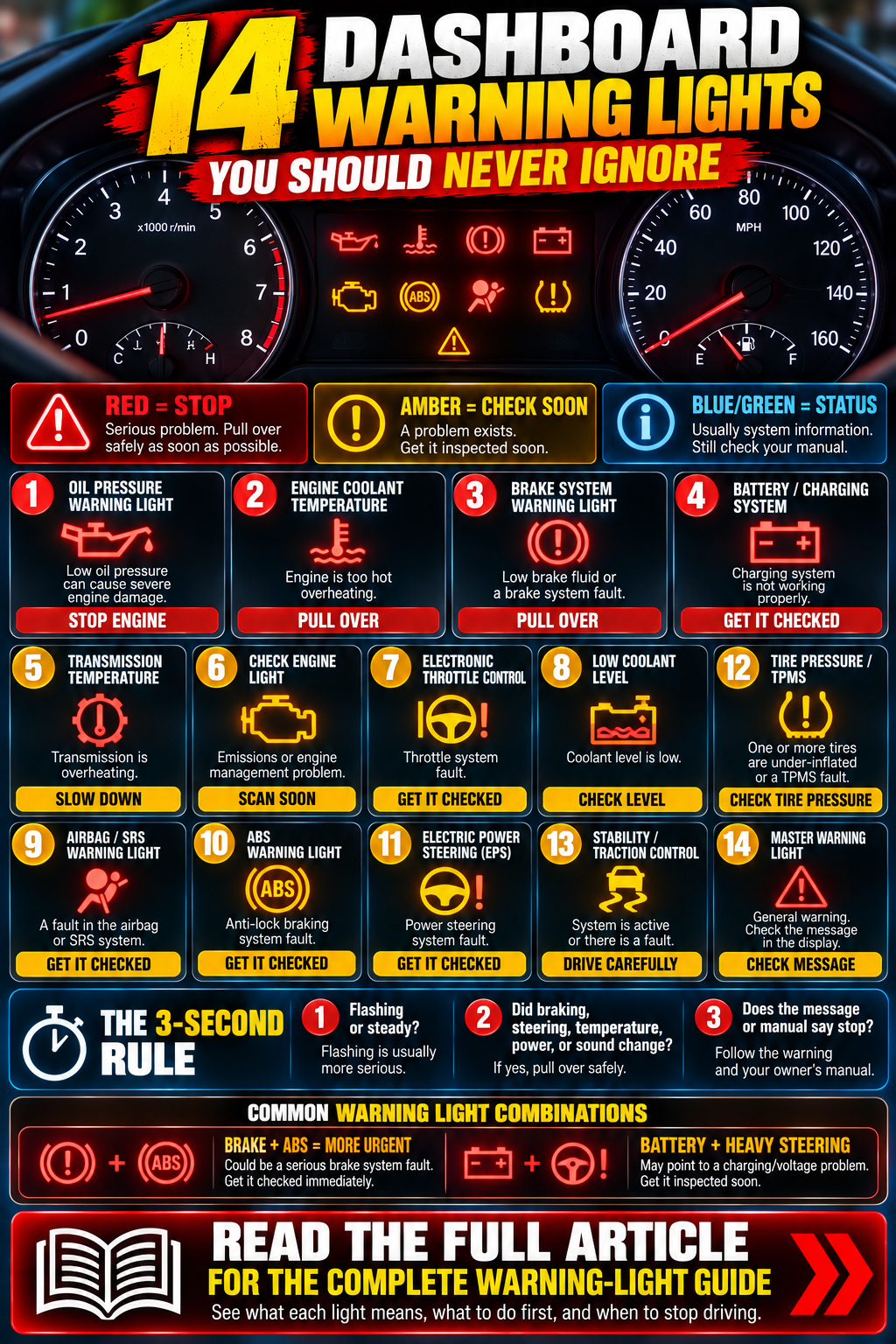
1. Oil-Pressure Warning Light
This symbol usually resembles an oil can. It warns that the engine may not have sufficient oil pressure to lubricate its internal moving components.
Low pressure can result from a low oil level, a leak, a failing oil pump, a blocked passage, a defective pressure sensor, or internal engine wear. Importantly, this is not simply an oil-change reminder, and the warning light is not designed to measure the oil level directly.
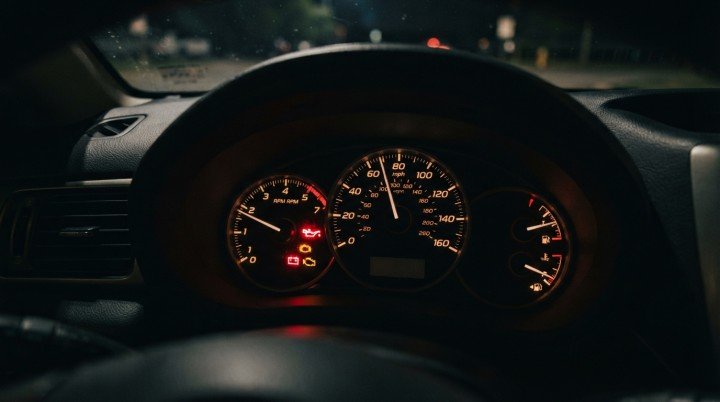
3-second decision: If the oil-pressure light remains on while the engine is running, pull over safely and shut the engine off. Continuing to operate the engine without adequate pressure may cause rapid internal damage.
First safe action: Arrange an inspection or roadside assistance. Even if the oil level later appears low, adding oil does not explain why it disappeared or guarantee that normal pressure has returned.
2. Engine-Coolant Temperature Warning Light
The temperature symbol commonly looks like a thermometer above waves. It may indicate that the engine coolant is too hot, the coolant level is too low, or the cooling system has developed a fault.
Possible causes include a coolant leak, failed thermostat, water-pump problem, restricted radiator, cooling-fan failure, or trapped air. Steam, a sweet odor, reduced engine power, or a temperature gauge entering the red zone increases the urgency.
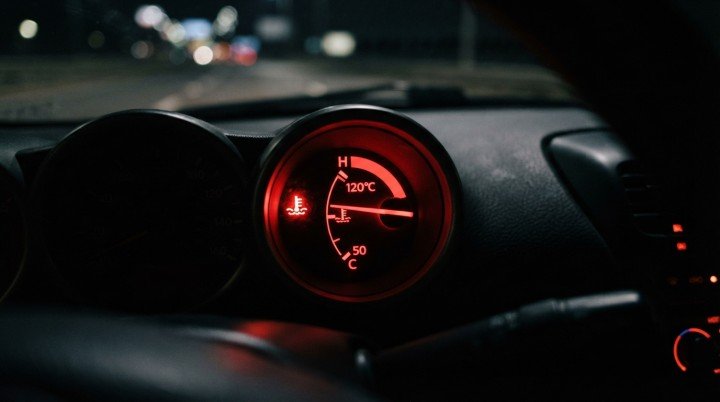
3-second decision: Move safely off the road and shut down the engine. Driving an overheating vehicle can turn a cooling-system fault into serious engine damage.
First safe action: Stay clear of steam and hot engine components. Never loosen a radiator or pressurized coolant-reservoir cap while the engine is hot, because hot coolant may escape under pressure. If coolant has leaked or the warning returns, arrange roadside assistance.
3. Brake-System Warning Light
A red circle containing an exclamation mark or the word “BRAKE” may illuminate because the parking brake is applied. If it remains on after the parking brake is fully released, it may indicate low brake fluid, a hydraulic fault, an electronic parking-brake problem, or another braking-system malfunction.
The light becomes especially serious when the brake pedal feels soft, sinks farther than normal, requires more stopping distance, or the vehicle pulls while braking. A red brake warning combined with the ABS light also raises the urgency.
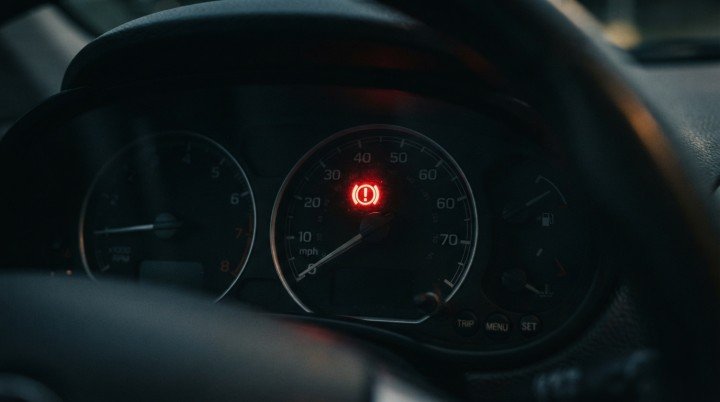
3-second decision: If braking feels different or the red light remains on while driving, stop in a safe location. Do not continue just because the vehicle still slows down.
First safe action: Have the vehicle inspected or towed. Adding brake fluid without locating the reason for the low level can hide evidence of a leak or worn brake components.
4. Battery or Charging-System Warning Light
The battery-shaped symbol usually indicates that the charging system is not supplying power correctly. It does not automatically mean the battery itself is defective.
A failed alternator, damaged drive belt, wiring problem, loose connection, charging-control fault, or battery issue may trigger the warning. The engine may continue running temporarily using stored battery power, but it can eventually stall once that power is depleted.
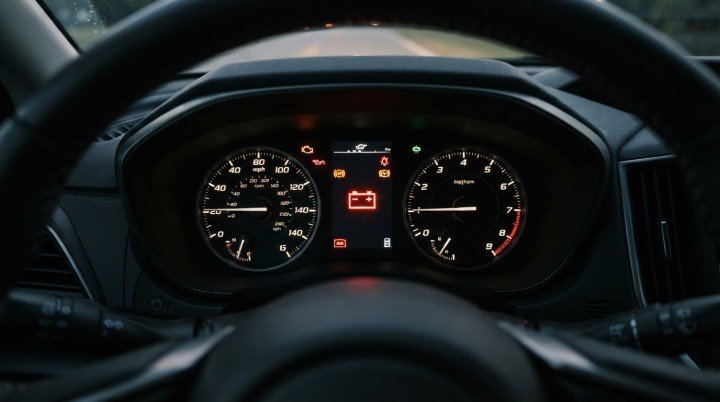
3-second decision: Treat the warning more urgently if the headlights dim, steering assist changes, the temperature rises, or several electrical warnings appear together.
First safe action: Move to a safe stopping location and arrange diagnosis. If the drive belt also operates the water pump on that vehicle, a belt failure may create both a charging problem and rapid overheating.
5. Transmission-Temperature Warning Light
This warning may appear as a thermometer inside a gear, the words “TRANS TEMP,” or a vehicle-specific message. It indicates that the transmission fluid or transmission assembly has exceeded its expected operating temperature.
Heavy towing, carrying an excessive load, low or degraded fluid, restricted cooling, clutch slippage, or an internal transmission fault may trigger it. Some vehicles may also enter a protective mode and limit performance.
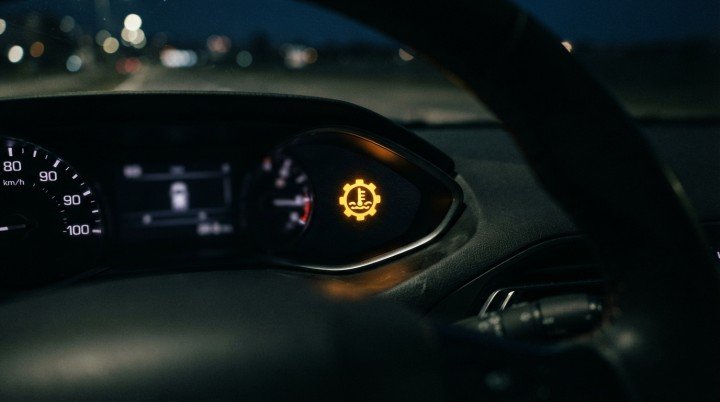
3-second decision: Move safely out of traffic and stop. Continuing under load can increase heat and worsen internal damage.
First safe action: Follow the displayed message and owner’s manual. Do not assume the warning is fixed simply because it disappears after cooling. Repeated overheating requires professional diagnosis before towing or demanding driving continues.
6. Check Engine Light
Among Dashboard Warning Lights, the Check Engine Light requires special attention because the difference between steady and flashing can completely change the urgency.
A steady light means the engine computer has detected a powertrain or emissions-related fault. The cause may be relatively minor, but it may also involve ignition, fuel delivery, airflow, sensors, emissions equipment, or transmission control. Diagnosis should be arranged promptly even if the vehicle feels normal.
A flashing light often indicates an active misfire severe enough to risk overheating or damaging the catalytic converter. The engine may shake, hesitate, lose power, or produce an unusual odor.
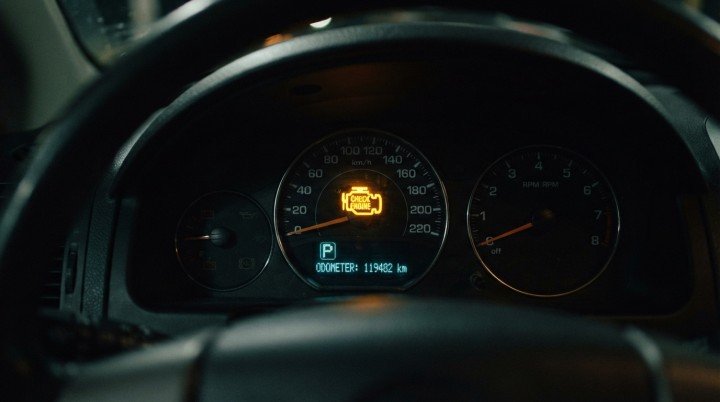
3-second decision: A steady light with normal operation usually allows time to reach a safe location. If it flashes or the engine runs badly, reduce risk immediately and stop driving as soon as it is safe.
First safe action: Do not repeatedly accelerate the engine or clear the code before diagnosis. Stored codes and freeze-frame data may help identify the original fault.
7. Electronic Throttle-Control Warning Light
Depending on the manufacturer, this may look like a lightning bolt between curved lines, a throttle symbol, or a wrench accompanied by a message. It warns that the electronic system controlling engine response to the accelerator may have developed a fault.
Possible causes include a throttle-body actuator, accelerator-pedal sensor, wiring, connector, low-voltage condition, or control-module problem. The vehicle may respond slowly, idle unusually, surge, or enter reduced-power mode.
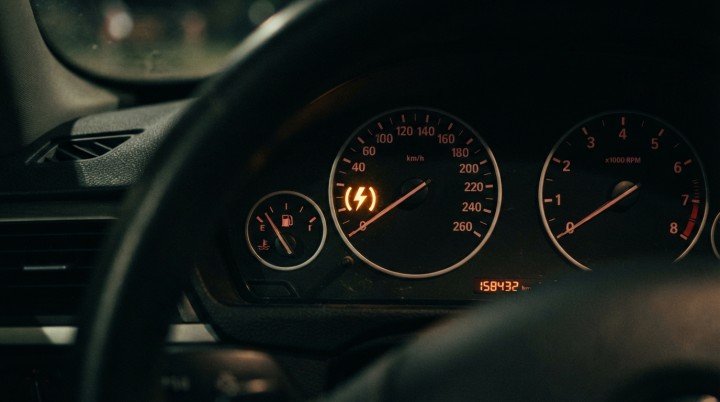
3-second decision: If accelerator response becomes unpredictable or the vehicle cannot maintain speed safely with traffic, move off the road and stop.
First safe action: Arrange diagnosis rather than assuming the throttle body needs replacement. Several sensors and circuits work together, and the warning alone cannot identify which component failed.
8. Low-Coolant-Level Warning Light
This symbol may resemble a fluid reservoir or a thermometer above waves. Unlike the high-temperature warning, it may appear before the engine has actually overheated.
Low coolant may result from a leaking hose, radiator, reservoir, water pump, heater circuit, gasket, or another cooling-system component. A damaged level sensor or wiring fault may also trigger the warning even when the reservoir appears adequately filled.
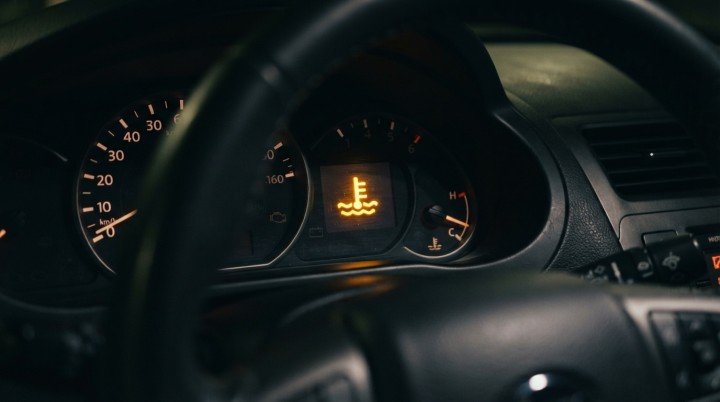
3-second decision: Watch immediately for a rising temperature gauge, steam, reduced power, or a second overheating warning. If any appears, pull over safely and shut down the engine.
First safe action: Never open a pressurized cooling-system cap while the engine is hot. Repeated coolant loss indicates a problem that needs diagnosis; adding coolant without finding the cause is only a temporary response.
When Safety-System Warnings Appear
The following Dashboard Warning Lights may not stop the engine from running, but they can mean that important protection is unavailable. They deserve prompt attention even when braking and driving initially feel normal.
9. Airbag or SRS Warning Light
The airbag warning usually shows a seated person with a circle in front, the letters “SRS,” or an airbag-related message. If it remains on after startup or appears while driving, the supplemental restraint system has detected a malfunction.
The fault may affect an airbag, seat-belt pretensioner, impact sensor, occupant-detection system, clock spring, wiring, connector, or control module. Depending on the failure, one or more safety devices may not operate as designed in a collision.
This warning should not be confused with a normal passenger-airbag status indicator, which may show that the passenger airbag is off under specific conditions.
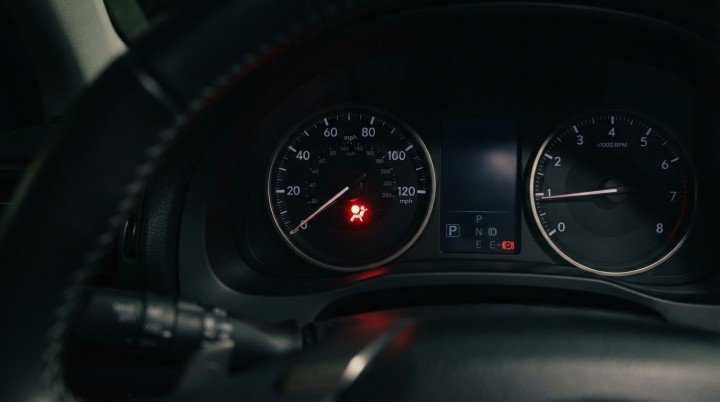
3-second decision: The car may still drive normally, but its full crash-protection system may not be available.
First safe action: Arrange professional inspection promptly. Airbag circuits and deployment components should not be probed or repaired without the correct procedures and equipment.
10. ABS Warning Light
The letters “ABS” inside a circle indicate that the anti-lock braking system has detected a fault. The conventional brakes may still function, but the system designed to reduce wheel lock during hard braking may be unavailable.
Possible causes include a wheel-speed sensor, damaged wiring, contaminated or broken tone ring, wheel-bearing problem, low system voltage, hydraulic-control fault, or ABS module issue. A stored sensor code does not automatically prove that the sensor itself needs replacement.
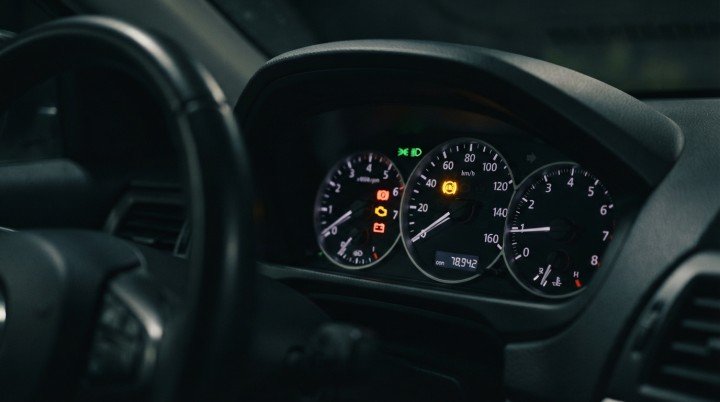
3-second decision: If only the amber ABS light is on and the brake pedal feels normal, avoid aggressive driving and arrange service. If the red brake warning also appears, the pedal feels different, or braking performance changes, stop driving as soon as it is safe.
First safe action: Have the complete braking and ABS system inspected. Until the fault is resolved, allow extra stopping distance and avoid assuming anti-lock assistance will be available during an emergency stop.
11. Electric Power-Steering Warning Light
This symbol usually resembles a steering wheel, sometimes with an exclamation mark. It indicates that the electric or electronically controlled power-steering system has detected a malfunction.
The steering mechanism may still work, but assistance can become reduced or disappear. The steering wheel may suddenly feel much heavier, particularly at low speeds. Low system voltage, a damaged sensor, wiring fault, steering motor, control module, or mechanical steering problem may be responsible.
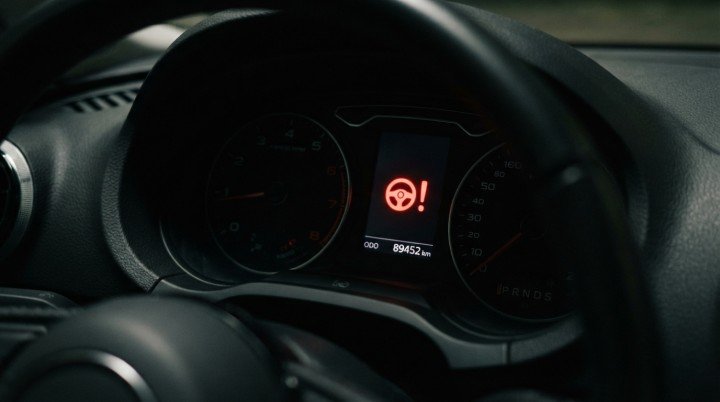
3-second decision: If steering effort increases or the vehicle becomes difficult to control, slow down carefully and stop in a safe location.
First safe action: Arrange an inspection before continuing normal driving. Restarting the vehicle may temporarily restore assistance, but it does not confirm that the fault has been repaired.
12. Tire-Pressure Warning Light
The TPMS symbol resembles a tire cross-section with an exclamation mark. A steady light commonly indicates that one or more tires may be underinflated. A light that flashes for a period and then remains on often indicates a monitoring-system or sensor malfunction.
Low tire pressure can increase heat buildup, reduce handling, lengthen stopping distance, and damage the tire. Temperature changes may lower pressure enough to trigger the warning, but a puncture, leaking valve, wheel damage, or gradual air loss may also be responsible.
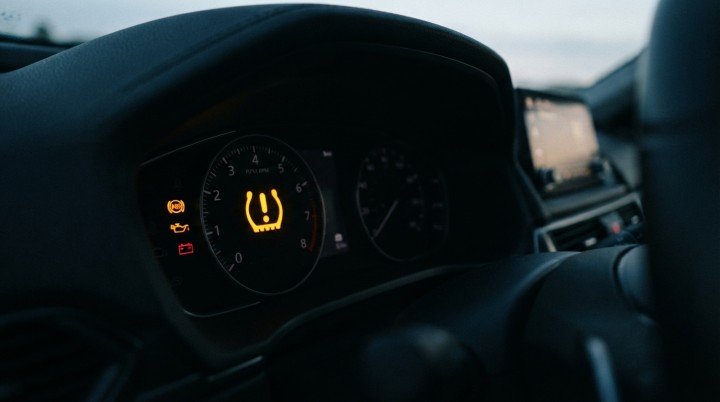
3-second decision: Pay attention to vehicle pulling, vibration, thumping, or sudden handling changes. These symptoms raise the urgency beyond a simple pressure warning.
First safe action: Move safely off the road if the tire may be rapidly losing air or the vehicle no longer feels stable. Tire inspection and pressure adjustment should be performed only in a safe location using the vehicle manufacturer’s specification.
13. Stability or Traction-Control Warning Light
This symbol often shows a car with wavy skid lines. Its meaning depends heavily on whether it flashes or remains illuminated.
A flashing light usually means the stability or traction-control system is actively intervening because it detects wheel slip. This can be normal on a wet, icy, loose, or slippery surface.
A solid light may indicate that the system has been manually disabled or has detected a fault. Possible causes include a wheel-speed sensor, steering-angle sensor, ABS problem, wiring fault, low voltage, or control-module issue.
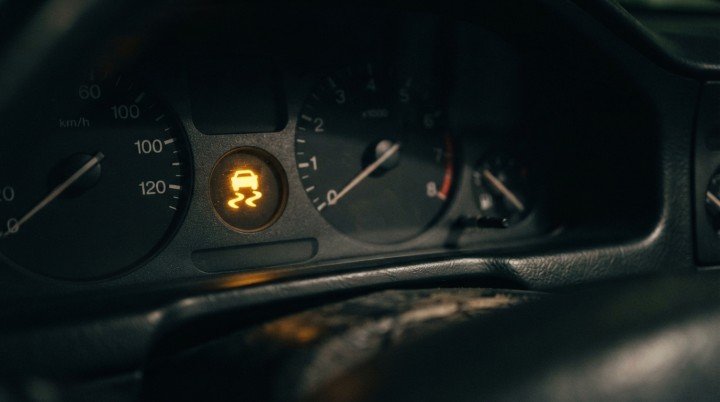
3-second decision: A flashing light calls for smoother, slower driving appropriate for the road conditions. A solid light means electronic stability assistance may not be available.
First safe action: Avoid aggressive steering, acceleration, or braking and arrange diagnosis if the light remains on. If ABS or brake-system warnings appear at the same time, treat the combination more urgently.
14. Master Warning Light
The master warning often looks like a triangle containing an exclamation mark. Unlike a system-specific light, it tells you that the vehicle has detected a condition requiring attention elsewhere.
The cause may range from an open door or low fluid level to a braking, steering, hybrid, charging, or powertrain fault. The accompanying display message, warning buzzer, and owner’s manual are essential for determining urgency.
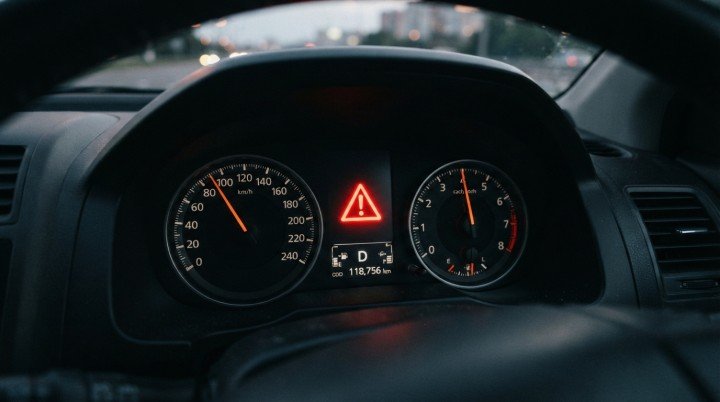
3-second decision: Do not assume that the triangle itself reveals the problem. Read the message only after it is safe to do so.
First safe action: If the master warning is red, sounds repeatedly, or appears with loss of power, abnormal braking, heavy steering, or overheating, stop in a safe location and arrange assistance.
Warning-Light Combinations That Increase Urgency
A single light gives only part of the story. Two or more related warnings can point toward a wider fault or indicate that backup safety features are also unavailable.
| Light Combination | What It May Suggest | Safest Response |
|---|---|---|
| Red brake warning + ABS | A broader braking-system fault or loss of anti-lock assistance | Stop safely, especially if the pedal or braking behavior changes |
| Battery warning + heavy steering | Charging failure or low voltage affecting steering assistance | Move safely off the road before electrical power falls further |
| Temperature warning + low coolant | Coolant loss or a serious cooling-system problem | Shut down the engine and do not open a hot pressure cap |
| Flashing Check Engine Light + engine shaking | Active misfire or another severe running fault | Stop driving as soon as it is safe and arrange diagnosis |
| Several unrelated lights at once | Low voltage, charging fault, communication problem, or shared sensor failure | Watch for loss of control or power and move to a safe location |
When an Illuminated Light May Be Normal
Many symbols briefly illuminate when the ignition is switched on. This bulb check confirms that the instrument cluster can display them, and they should normally turn off after the engine starts or the system completes its check.
A traction-control light may flash while the system actively manages wheel slip. The brake light may appear while the parking brake is applied, and green or blue indicators commonly show that a feature is operating.
A light becomes more concerning when it does not illuminate during its normal self-check, remains on after startup, or appears unexpectedly while driving.
What to Record Before Diagnosis
After stopping in a safe place, record whether the light was steady or flashing, the exact message displayed, and what the vehicle was doing when it appeared. Note changes in temperature, power, steering, braking, sound, smell, or vibration.
A dashboard photo can preserve useful information, but it should only be taken after the vehicle is safely parked. Avoid disconnecting the battery or clearing diagnostic codes before inspection because doing so may erase evidence that helps identify the fault.
Common Mistakes to Avoid
Do not treat the oil-pressure light as an oil-change reminder, assume the battery symbol proves the battery is bad, or continue driving with a flashing Check Engine Light because the engine still runs.
Other mistakes include opening a hot coolant cap, adding brake fluid without investigating why it is low, replacing an ABS sensor based only on a code, and assuming a warning is permanently fixed because it disappeared after restarting.
Frequently Asked Questions
Which warning light is the most serious?
Oil-pressure, high-temperature, and brake-system warnings are among the most urgent. However, any light accompanied by loss of braking, steering, power, or stable vehicle control requires immediate attention.
Can I drive with an amber warning light?
Sometimes, but not automatically. A steady amber light with normal operation may allow travel to a safe location, while a flashing light or major behavior change may require stopping.
Why did several lights appear at the same time?
A charging or low-voltage problem can affect several electronic systems. Shared sensors, wiring, communication networks, or control modules may also trigger multiple warnings.
Why do warning lights appear when the car starts?
Most illuminate briefly as part of a system self-check. A fault may exist if an important safety light never comes on or fails to turn off afterward.
Can a warning disappear even when the problem remains?
Yes. Intermittent faults may disappear temporarily, and some lights turn off after the system completes several tests without detecting the problem again. Stored or pending codes may still provide diagnostic evidence.
Final Thoughts
Understanding Dashboard Warning Lights means looking beyond the symbol itself. Color provides a clue, but flashing behavior, accompanying messages, and changes in braking, steering, temperature, or engine performance determine the real urgency. When control of the vehicle changes or a critical red warning appears, move safely out of traffic, stop, and get qualified assistance rather than guessing.
Kevin Nicholas is an automotive mechanic and editor of The Effective Guide. He writes about warning lights, car problems, and diagnostic tools, helping drivers understand what to check before replacing a part.