
Last Updated on November 21, 2026
Quick Answer: If your transmission is slipping, check the fluid level, leaks, fluid specification and condition, transmission trouble codes, speed sensors, shift solenoids, torque converter or clutch operation, and engine performance. Some problems can be repaired without replacing the transmission, but confirmed internal clutch damage may require major work.
Is Your Transmission Really Slipping? Here’s How to Tell
Actual transmission slipping generally means the engine speed increases without a corresponding increase in vehicle speed because power isn’t being transferred as expected.
Imagine driving at 40 mph. You press the accelerator, the tachometer jumps from 2,000 to 3,500 RPM, but the car barely accelerates. That’s a possible slipping symptom.
Now imagine pressing the accelerator and feeling hesitation while RPM remains relatively steady. That could point toward an engine performance problem instead.
Other transmission complaints include delayed engagement, harsh shifting, shuddering, and unexpected gear changes. These problems can overlap, but they don’t always have the same cause.
Our guide to transmission slipping symptoms explains the warning signs and how they differ from normal shifting behavior.
Also remember that some continuously variable transmissions (CVTs) deliberately hold the engine at a higher RPM during acceleration. That behavior isn’t necessarily a malfunction.
8 Things to Check When Your Transmission Is Slipping
Start with the fluid and external components. Then move toward electronic controls, hydraulic operation, and internal wear. The goal is to narrow down the problem without replacing parts based on guesswork.
1. Check the Transmission Fluid Level Correctly
Automatic transmissions depend on fluid for lubrication, cooling, and hydraulic operation. When fluid is too low, the transmission may struggle to maintain the pressure needed to apply clutches correctly.
That can cause delayed engagement, RPM flare, or slipping under acceleration.
However, adding fluid without checking the level can make things worse. Too much fluid may become aerated, interfering with hydraulic operation.
Some vehicles have a transmission dipstick. Others use a sealed design that requires a specific fluid temperature, engine-running condition, and level-check procedure.
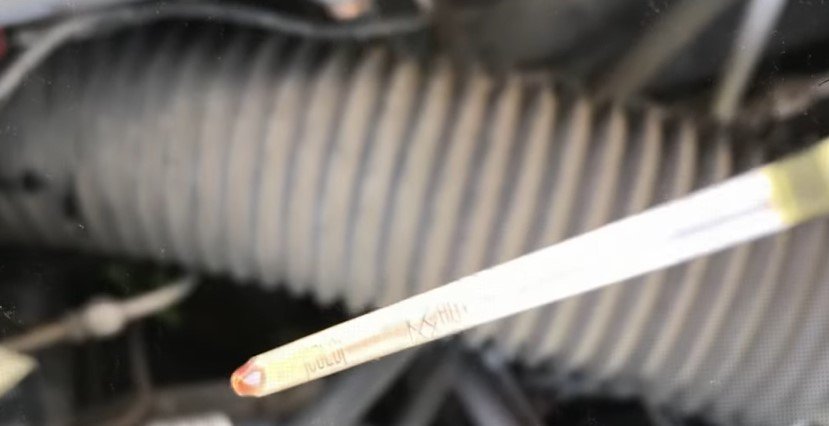
Never assume the engine should be running or turned off during the check. Follow the manufacturer’s instructions.
If the level is low, determine why. Transmission fluid normally shouldn’t disappear simply because the vehicle has accumulated mileage.
What to do: Have the fluid level corrected using the proper procedure. If transmission slipping continues, additional pressure and control testing may be necessary.
2. Look for Transmission Fluid Leaks
A leak can gradually reduce fluid level until shifting problems become noticeable.
Common leak locations include the transmission pan gasket, axle seals, cooler lines, and connections around the transmission case.
You may notice reddish, brown, or other colored fluid under the vehicle. However, fluid color varies by manufacturer, so color alone cannot identify the source.
A small leak may initially produce no driving symptoms. As fluid loss increases, the transmission can begin slipping, overheating, or engaging slowly.
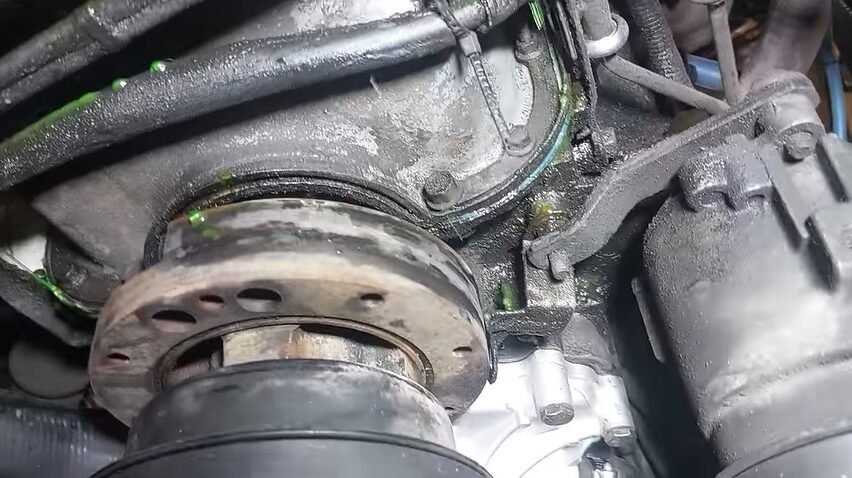
Repeatedly topping off the transmission without repairing the leak isn’t a lasting solution.
Remember that some leaks are difficult to see without lifting the vehicle safely and inspecting the underside.
What to do: Repair confirmed leaks and restore the correct fluid level. If the transmission has operated with insufficient fluid, check for possible internal damage.
3. Verify the Fluid Type, Condition, and Service History
Not all transmission fluids are interchangeable.
A conventional automatic, CVT, and dual-clutch transmission may require completely different fluids. Even two conventional automatic transmissions can specify different ATF formulations.
Using the wrong fluid may affect friction characteristics, clutch operation, shifting, and lubrication.
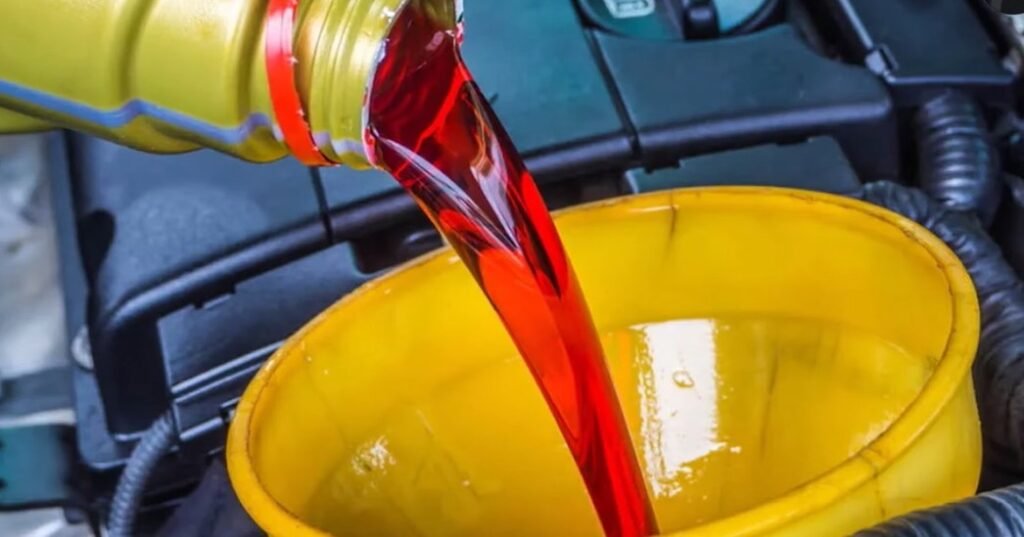
Review the vehicle’s maintenance history. Did the slipping begin shortly after a fluid service? Was the correct specification used?
Overheated fluid may smell burned or look unusually dark. Contamination or excessive debris may also indicate trouble.
Still, dark fluid alone doesn’t prove the transmission needs replacing.
A manufacturer-approved drain-and-fill or filter service may help certain fluid-related problems. But fresh fluid cannot restore worn clutch friction material or repair damaged gears.
Be cautious about transmission flushes and additives promoted as guaranteed solutions. The appropriate service depends on the transmission design and its condition.
What to do: Verify fluid specifications and maintenance history before authorizing service. Diagnose mechanical slipping rather than assuming a fluid change will fix it.
4. Scan Transmission Trouble Codes and Review Live Data
Modern transmissions use electronic controls to manage gear changes, hydraulic pressure, and torque converter operation.
When something goes wrong, the transmission control module (TCM) or powertrain control module (PCM) may store diagnostic trouble codes.
A basic OBD2 scanner might show a general transmission warning but miss manufacturer-specific TCM codes.
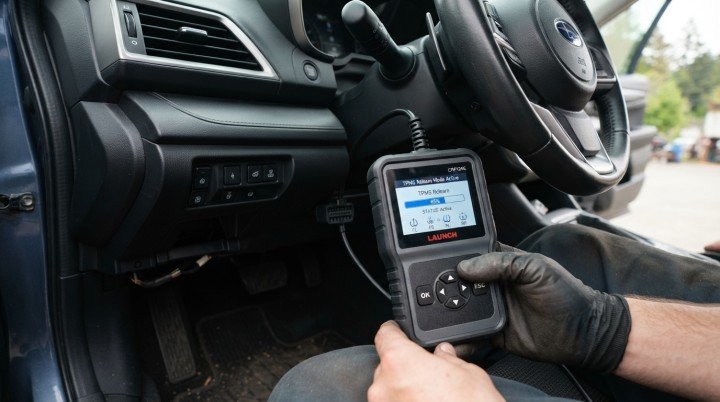
A capable scan tool can provide additional information, including:
- Commanded gear versus calculated actual gear
- Input and output shaft speeds
- Transmission fluid temperature
- Torque converter clutch status
- Pressure-control commands, where available
- Freeze-frame information recorded during the fault
These measurements help a technician determine whether the problem involves a sensor, control system, hydraulic pressure, or an incorrect gear ratio.
Some vehicles also have software updates or adaptation procedures for certain shifting complaints.
What to do: Record the trouble codes and supporting data before clearing them. Use the results to guide diagnosis rather than replacing components immediately.
5. Check the Input and Output Speed Sensors
Transmission computers often compare input and output shaft speed to determine operating conditions and monitor gear ratios.
If a speed sensor sends incorrect information, the computer may command inappropriate shifting, enter a protective mode, or report a gear-ratio problem.
Possible causes include a defective sensor, damaged wiring, corroded connector, or intermittent electrical signal.
Codes such as P0715 and P0720 can indicate input or output speed sensor circuit problems, depending on the vehicle.
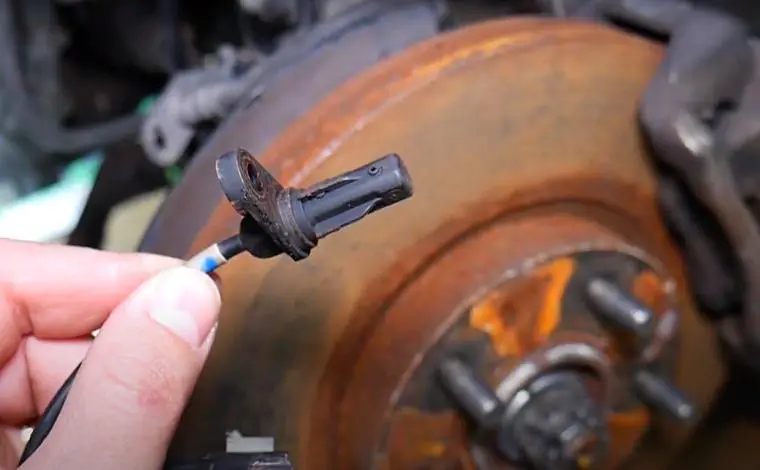
However, a code doesn’t prove the sensor itself is bad.
A technician can compare speed-sensor data with expected transmission operation and test the relevant circuits.
What to do: Repair confirmed sensor or wiring faults before considering major transmission work.
6. Check Shift Solenoids, Valve Body, and Hydraulic Pressure
Shift solenoids and pressure-control components help direct transmission fluid through hydraulic passages.
If a solenoid sticks or a valve body develops a fault, the transmission may shift harshly, engage slowly, remain in the wrong gear, or fail to maintain the expected pressure.
Worn hydraulic valves, internal leakage, restricted passages, and pump problems can create similar complaints.
Electrical testing may identify a defective solenoid circuit, but some hydraulic faults require pressure measurements or more advanced diagnosis.
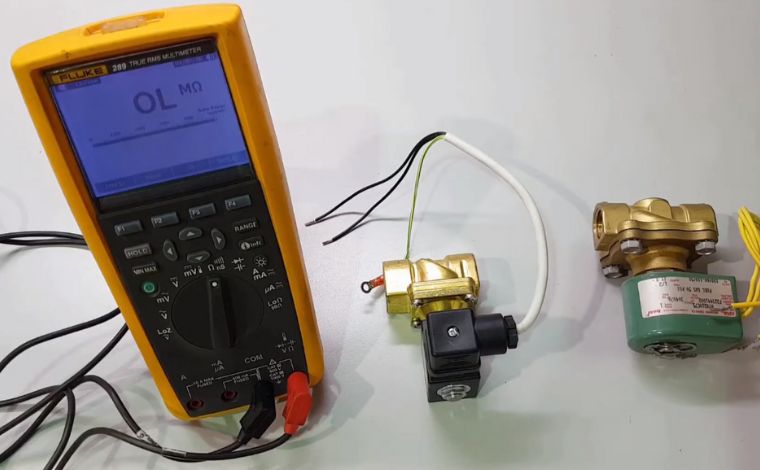
A solenoid-related trouble code doesn’t automatically prove the solenoid is defective. Wiring or control problems may also be responsible.
In some cases, a targeted solenoid or valve-body repair is possible without replacing the entire transmission.
What to do: Verify the hydraulic or electrical fault before approving a component replacement.
7. Check Torque Converter and Clutch Operation
A torque converter transfers engine power into a conventional automatic transmission. Many also use a lockup clutch to improve efficiency at cruising speeds.
If the torque converter clutch engages incorrectly, the driver may feel shuddering, vibration, or fluctuating RPM at steady speed.
That isn’t necessarily the same as a transmission’s internal clutch packs slipping during acceleration.
Internal clutch wear can cause an RPM flare during gear changes or under load. On manual and dual-clutch transmissions, clutch wear or engagement problems can produce related symptoms.
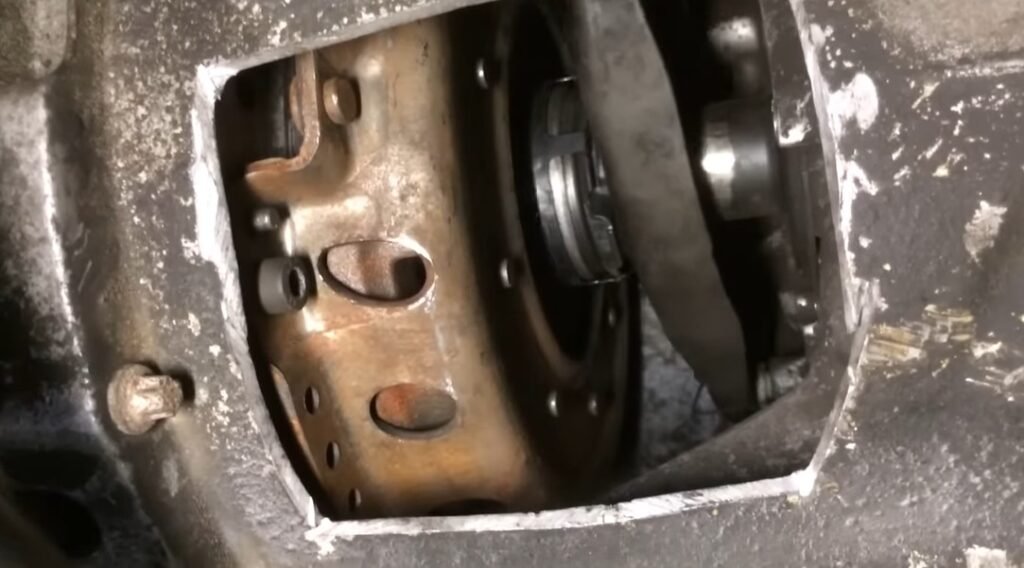
Accurate diagnosis may require comparing commanded clutch operation, shaft speeds, hydraulic pressure, and actual driving behavior.
What to do: Determine whether the problem involves converter lockup, clutch engagement, or confirmed internal wear before approving a transmission rebuild.
8. Rule Out Engine Performance Problems
Sometimes the transmission gets blamed for a problem originating in the engine.
A failing ignition coil, weak fuel delivery, dirty throttle body, or inaccurate airflow sensor can cause hesitation and poor acceleration.
For example, a misfiring engine may jerk when you press the accelerator. That can feel like a harsh gear change even when transmission operation is normal.
Throttle control faults or reduced-power mode can also limit acceleration.
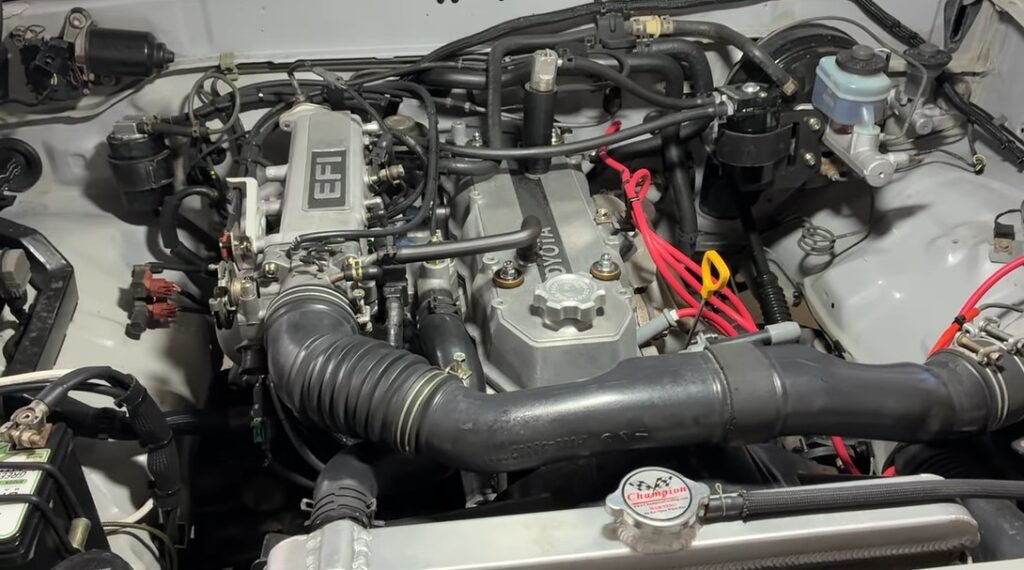
Pay attention to the relationship between engine RPM and vehicle speed. Hesitation without a genuine RPM flare may deserve engine diagnosis first.
If the RPM fluctuates unexpectedly, our guide to RPM fluctuating while driving covers several engine and drivetrain-related causes.
What to do: Investigate engine faults when transmission data shows correct gear engagement and no actual ratio slip.
What Does Your Transmission Slipping Symptom Suggest?
The timing and behavior of the problem can help identify which system needs attention.
| What You Notice | Possible Explanation |
|---|---|
| RPM rises without matching acceleration | Possible clutch slip or hydraulic pressure problem |
| Delay when selecting Drive or Reverse | Fluid level, pressure, or control issue |
| Shudder at steady speed | Torque converter clutch or another vibration source |
| Harsh or unexpected shifting | Sensor, solenoid, valve body, or adaptation issue |
| Slip appears after warming up | Heat-related hydraulic, control, or internal wear problem |
| No movement in Drive or Reverse | Serious transmission or driveline fault |
| Hesitation without RPM flare | Possible engine performance problem |
These are diagnostic clues, not confirmed failures. More than one problem may produce the same symptom.
Transmission Trouble Codes Worth Checking
Transmission codes help narrow the diagnosis, particularly when slipping occurs intermittently.
P0700: Transmission control system has requested a malfunction indication. Additional TCM codes are needed.
P0715: Input or turbine speed sensor circuit problem.
P0720: Output speed sensor circuit problem.
P0730: Incorrect gear ratio.
P0741: Torque converter clutch performance or stuck-off condition.
P0868: Low transmission fluid pressure.
Exact definitions and diagnostic criteria depend on the vehicle. A gear-ratio code can result from several hydraulic, mechanical, or control problems and doesn’t automatically require replacement.
Automatic vs CVT vs DCT vs Manual: Is Slipping the Same?
Transmission design changes how symptoms should be interpreted.
| Transmission Type | Important Difference |
|---|---|
| Conventional automatic | Uses hydraulic controls and internal clutches to select gear ratios. |
| CVT | Continuously changes ratios; higher RPM during acceleration may be normal. |
| Dual-clutch (DCT) | Uses automated clutch engagement and may develop judder or clutch slip. |
| Manual | A worn clutch can allow RPM to rise without a matching increase in speed. |
A CVT holding steady high RPM while accelerating doesn’t necessarily mean it’s slipping. Likewise, a manual transmission with a worn clutch requires different repairs from an automatic with hydraulic pressure loss.
Always identify your transmission type before choosing fluid, tests, or replacement parts.
Why Does Transmission Slipping Happen Only When Hot or Cold?
If slipping appears only after driving for twenty or thirty minutes, heat may be affecting hydraulic pressure, internal clearances, or electronic controls.
Worn seals and clutch components may behave differently as fluid temperature rises. Overheating can also make an existing problem worse.
Cold-only symptoms can involve fluid characteristics, delayed hydraulic pressure buildup, or valves that don’t operate normally until the transmission warms up.
Neither pattern identifies the failed component by itself.
Recording when the problem occurs—and checking fluid temperature and transmission data during the failure—can make diagnosis much more accurate.
When Does Transmission Slipping Mean Internal Damage?
Major internal damage becomes more likely when testing confirms repeated gear-ratio slip despite proper fluid level and correct electronic and hydraulic controls.
Other concerning findings include excessive friction material or metal debris in the transmission pan, confirmed internal pressure loss, and damaged clutch components.
A burned smell or dark fluid can support the diagnosis, but neither proves that the transmission requires rebuilding.
Before approving replacement, ask what evidence confirms the internal failure and whether a more limited repair is possible.
Transmission Fluid Change vs Repair vs Replacement
Choosing the correct repair matters more than choosing the most expensive one.
| Confirmed Problem | Repair Direction |
|---|---|
| Low fluid caused by a leak | Repair the leak and restore the correct level |
| Incorrect or deteriorated fluid | Manufacturer-approved fluid service |
| Speed sensor or wiring fault | Targeted electrical repair |
| Pressure-control or valve-body fault | Hydraulic diagnosis and targeted repair |
| Confirmed torque converter failure | Converter-related repair |
| Severe internal clutch damage | Rebuild or replacement evaluation |
| Engine hesitation resembling slip | Engine diagnosis and repair |
Changing fluid may be appropriate maintenance or part of a repair, but it won’t restore worn clutch packs. Similarly, additives and electronic adaptation resets cannot repair broken mechanical components.
How Much Does It Cost to Fix Transmission Slipping in 2026?
There isn’t one average repair price for transmission slipping because the underlying problems vary so widely.
A fluid-related issue may require relatively limited service, while severe internal damage can require a rebuild or complete transmission replacement.
According to RepairPal’s national US estimates updated September 3, 2026:
| Repair Service | Estimated US Cost |
|---|---|
| Transmission fluid change | $294–$356 |
| Transmission fluid and filter change | $621–$785 |
| Complete transmission replacement | $6,238–$6,764 |
These estimates exclude taxes, local price differences, and additional repairs. Sensor, leak, solenoid, valve-body, and torque converter costs depend heavily on the specific vehicle and confirmed failure.
A replacement estimate should specify whether the unit is new, used, rebuilt, or remanufactured, along with labor and warranty coverage.
Before authorizing major repairs, also check for applicable manufacturer service bulletins, software updates, recalls, or warranty extensions.
Can You Drive With a Slipping Transmission?
Continuing to drive with genuine transmission slipping can generate excessive heat and accelerate internal wear.
More importantly, unpredictable acceleration can make merging, overtaking, or crossing intersections dangerous.
There is no reliable safe-distance estimate for a slipping transmission.
When to Stop: If the vehicle loses drive, slips severely, overheats, produces a burning smell, or becomes unpredictable in traffic, pull over safely and arrange professional assistance. Towing is generally safer than continuing to drive with severe slipping.
Mild symptoms still deserve prompt diagnosis before additional damage develops.
Questions to Ask Before Approving Transmission Replacement
A replacement recommendation should be supported by more than a short road test or a generic trouble code.
- Was genuine transmission slip confirmed, or could it be an engine problem?
- Was the fluid level checked using the correct temperature and procedure?
- What transmission codes and live-data readings were recorded?
- Were speed sensors, solenoids, and hydraulic pressure evaluated?
- What evidence confirms internal mechanical damage?
- Is a targeted repair possible instead of replacing the complete transmission?
If the diagnosis remains uncertain and the estimate is expensive, a second opinion from a qualified transmission specialist may be worthwhile.
Common Transmission Slipping Mistakes to Avoid
- Adding fluid without checking the level: Overfilling can cause additional problems.
- Using the wrong fluid: ATF, CVT, and DCT specifications aren’t interchangeable.
- Assuming every RPM increase means slipping: Normal CVT behavior and downshifts can look similar.
- Ignoring fluid leaks: Topping off doesn’t fix the source of fluid loss.
- Clearing diagnostic codes too early: Important fault information may be lost.
- Using unapproved additives: They aren’t substitutes for proper diagnosis.
- Expecting a flush to repair worn clutches: Internal mechanical wear requires a different repair.
- Continuing to drive with severe slipping: Additional heat and damage may increase costs.
- Approving replacement without evidence: Fluid, electrical, and hydraulic faults should be investigated first.
Frequently Asked Questions About Transmission Slipping
1. Can low transmission fluid cause slipping?
Yes. Insufficient fluid may reduce hydraulic pressure and prevent clutches from engaging correctly. The level must be checked using the manufacturer’s procedure, and any leak should be repaired.
2. Will changing transmission fluid fix slipping?
It may help certain fluid-related problems, but it cannot repair worn clutch packs, damaged gears, or serious internal leakage. Diagnose the cause before expecting a fluid service to solve it.
3. Can a bad transmission sensor cause slipping symptoms?
Yes. Incorrect speed-sensor data can affect shift control and trigger protective operating modes. However, electrical testing is needed to distinguish a faulty sensor from wiring or internal problems.
4. Why does my transmission slip only when hot?
Heat can expose hydraulic pressure problems, worn internal seals, clutch wear, or temperature-sensitive control faults. Testing while the symptoms occur is especially useful.
5. Does transmission slipping always mean I need a rebuild?
No. Some complaints originate from low fluid, leaks, sensors, solenoids, valve-body problems, or engine faults. Rebuilding is appropriate only when diagnosis confirms internal damage that requires it.
6. How long can I drive with a slipping transmission?
There is no dependable safe mileage. Severe slipping can worsen quickly and cause loss of acceleration. If slipping is pronounced or the vehicle is unsafe to operate, stop and arrange towing.
Final Thoughts: Find the Cause Before Replacing Anything
Transmission slipping can indicate serious internal wear, but it can also result from fluid, electrical, hydraulic, or engine-related problems.
Check the fluid level, leaks, fluid condition, diagnostic codes, speed sensors, hydraulic controls, torque converter, and engine performance before approving major repairs.
If testing confirms internal damage, a rebuild or replacement may be necessary. Otherwise, fixing the actual fault could save a substantial amount of money.
Before paying for a transmission replacement, make sure the diagnosis explains exactly why the transmission cannot operate correctly.

Kevin Nicholas is an automotive mechanic and editor of The Effective Guide. He writes about warning lights, car problems, and diagnostic tools, helping drivers understand what to check before replacing a part.