
Your engine doesn’t always fail because of one dramatic breakdown. Sometimes, the damage starts with ordinary habits you barely notice.
You delay an oil change because the car still runs fine. You accelerate hard right after starting on a cold morning. Or you keep driving with a small coolant leak because the temperature gauge looks normal.
None of these decisions guarantees engine failure. But repeated over time, certain driving and maintenance habits can increase wear and shorten engine life.
The tricky part? Some popular warnings about engine damage are exaggerated, while genuinely dangerous habits receive surprisingly little attention.
The difference that matters: Skipping maintenance can cause gradual wear over thousands of miles. Driving with dangerously low oil pressure or severe overheating can cause major damage much faster.
Knowing which situation you’re dealing with is more useful than worrying about every small driving mistake.
14 Common Habits That Are Slowly Ruining Your Engine
These habits range from preventable long-term wear to warning signs that require immediate action. Some affect the engine directly; others create conditions that can eventually damage it.
Gradual Wear
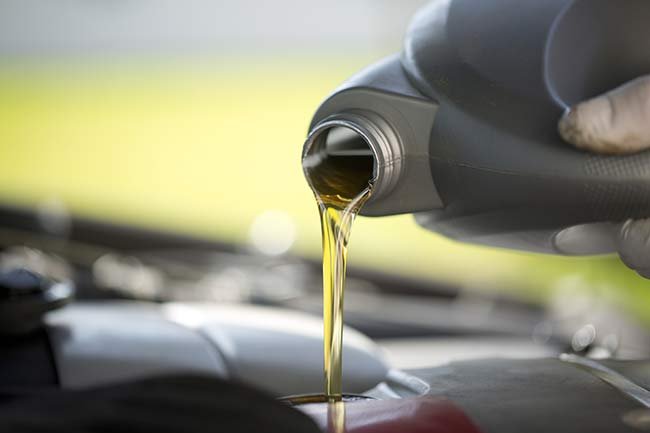
1. Stretching Oil Changes Beyond the Recommended Interval
Engine oil lubricates moving parts, carries away heat, and helps control deposits. Over time, contamination, oxidation, and additive depletion reduce its effectiveness.
Repeatedly exceeding the recommended interval can encourage sludge formation and accelerate wear.
Modern engines don’t all need oil changes every 3,000 miles. Many use longer manufacturer-approved intervals or oil-life monitoring systems.
However, frequent short trips, towing, extreme temperatures, and other severe-service conditions may require more frequent maintenance.
Lubrication Risk
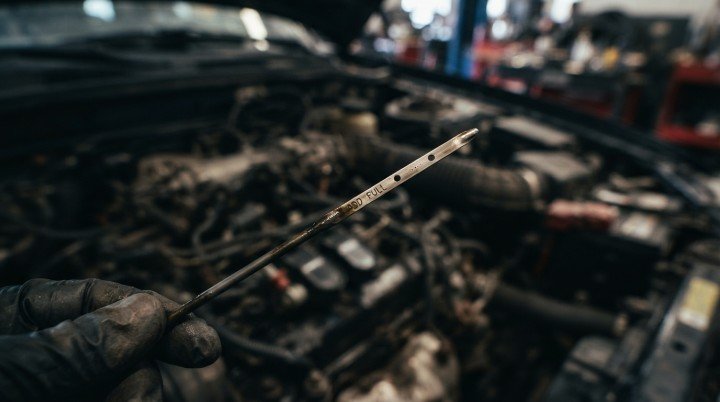
2. Driving With Low Engine Oil
A low oil level can reduce the engine’s lubrication reserve. Under certain driving conditions, the oil pickup may become uncovered, allowing oil pressure to drop.
Bearings, timing components, and turbochargers can suffer when lubrication becomes inadequate.
Oil can disappear through leaks or consumption without leaving an obvious puddle.
Check the oil level using the procedure in your manual, and investigate repeated losses. If the red oil pressure warning appears, treat it as an emergency rather than simply a reminder to add oil.
Driving Technique
3. Accelerating Hard Before the Engine Warms Up
Cold oil, engine components, and operating clearances haven’t yet reached their normal conditions.
Demanding maximum power immediately after startup places unnecessary stress on the engine, particularly in cold weather.
Turbocharged engines also benefit from appropriate lubrication and temperature before heavy loads.
That doesn’t mean you need to idle for 15 minutes. Most modern gasoline vehicles can be driven gently shortly after starting, following manufacturer guidance.
Immediate Danger
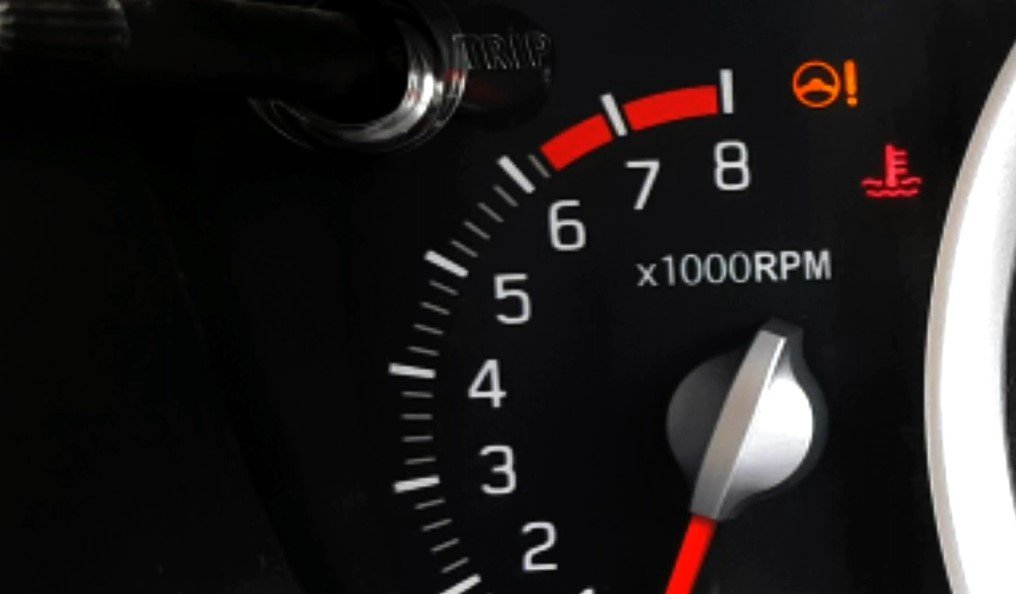
4. Ignoring an Overheating Engine
An overheating engine can suffer warped cylinder heads, head gasket failure, lubrication problems, or severe internal damage.
Even if the vehicle still drives normally, continuing may turn a manageable cooling-system repair into an expensive engine repair.
If the temperature warning appears or the gauge enters the danger zone, stop safely and shut off the engine. Never open a hot pressurized cooling system.
Our guide to driving an overheating car explains the risks and immediate safety steps.
Maintenance Mistake
5. Using the Wrong Engine Oil
Oil viscosity and manufacturer specifications matter. An oil with the wrong properties may not provide the intended protection for bearings, variable valve timing systems, timing chains, or turbochargers.
Two bottles labeled “full synthetic” aren’t necessarily interchangeable.
Some engines require specific manufacturer approvals beyond the viscosity printed on the label.
Immediate Attention
6. Continuing to Drive With a Flashing Check Engine Light
A flashing check engine light often indicates a severe misfire that may damage the catalytic converter.
Misfires can come from ignition coils, spark plugs, fuel injectors, or mechanical problems.
Continuing to drive while the engine shakes severely can increase repair costs.
A steady check engine light doesn’t always require an immediate stop, but it still deserves diagnosis. Read our guide to driving with the check engine light on for more context.

Driving Technique
7. Lugging the Engine in Too High a Gear
Lugging happens when you demand substantial power at an excessively low engine speed, often while accelerating uphill in too high a gear.
The engine may vibrate, struggle, or produce abnormal combustion sounds.
Repeated heavy loading at very low RPM can increase combustion stress in some engines.
Normal low-RPM cruising isn’t the same thing. If the engine runs smoothly under light load, low RPM alone isn’t a problem.
Cooling System
8. Ignoring Small Coolant Leaks
A small coolant leak may seem harmless when the reservoir only needs an occasional top-up.
But coolant loss can eventually reduce the system’s ability to control engine temperature.
Leaks may come from hoses, radiator connections, the water pump, or other components.
Watch for the warning signs of low coolant, and never remove a pressurized coolant cap while the system is hot.
Maintenance Mistake
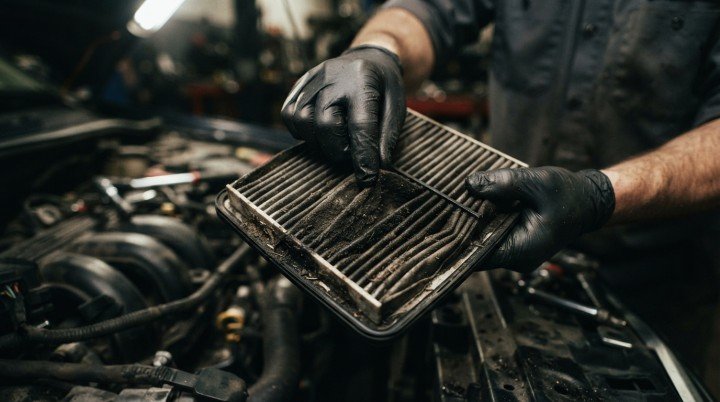
9. Neglecting a Severely Dirty Engine Air Filter
An excessively restricted air filter can reduce airflow and limit engine performance.
In some vehicles, it may also affect efficiency under certain operating conditions.
However, a mildly dirty filter doesn’t automatically damage the engine or cause a dramatic MPG loss.
A damaged or improperly installed filter can be more concerning because it may allow unfiltered air into the intake.
Fuel Quality
10. Using the Wrong Fuel or Ignoring Contamination
Using the wrong fuel type can cause serious problems. Contaminated gasoline can also affect fuel delivery and combustion.
Some engines require premium gasoline to meet their design requirements. Others are engineered to run safely on regular.
Using premium in a vehicle that recommends regular generally doesn’t provide extra engine protection.
If you suspect incorrect or contaminated fuel, avoid repeatedly starting or driving the vehicle until the situation is assessed.
Early Warning Signs
11. Ignoring Misfires, Knocking, or Rough Idle
A small hesitation or occasional shake can be easy to dismiss.
But persistent misfires may indicate failing ignition components, fuel-delivery problems, or internal engine issues.
Some fuel injector failures can also lead to excessive fuel entering a cylinder, potentially contaminating engine oil.
Learn more about what happens when you ignore a bad fuel injector.
New, severe knocking sounds require particular caution because they may indicate a serious combustion or mechanical problem.
Scheduled Maintenance
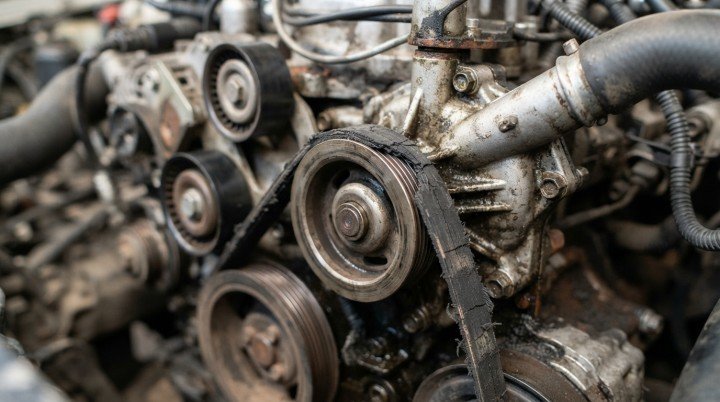
12. Skipping Timing Belt Replacement
Some engines use timing belts that require replacement at manufacturer-specified intervals.
If a timing belt fails on an interference engine, pistons and valves can collide, causing extensive internal damage.
Timing chains are different and don’t necessarily follow the same replacement schedule. However, unusual chain rattling or timing-related trouble codes shouldn’t be ignored.
Driving Pattern
13. Making Only Short Trips Without Adjusting Maintenance
Repeated short trips may prevent the engine and oil from reaching full operating temperature.
Under some conditions, moisture and fuel can accumulate in the oil, especially when the engine is repeatedly started cold.
This doesn’t mean every short trip damages an engine. It means your driving pattern may qualify for a more demanding maintenance schedule.
Immediate Danger
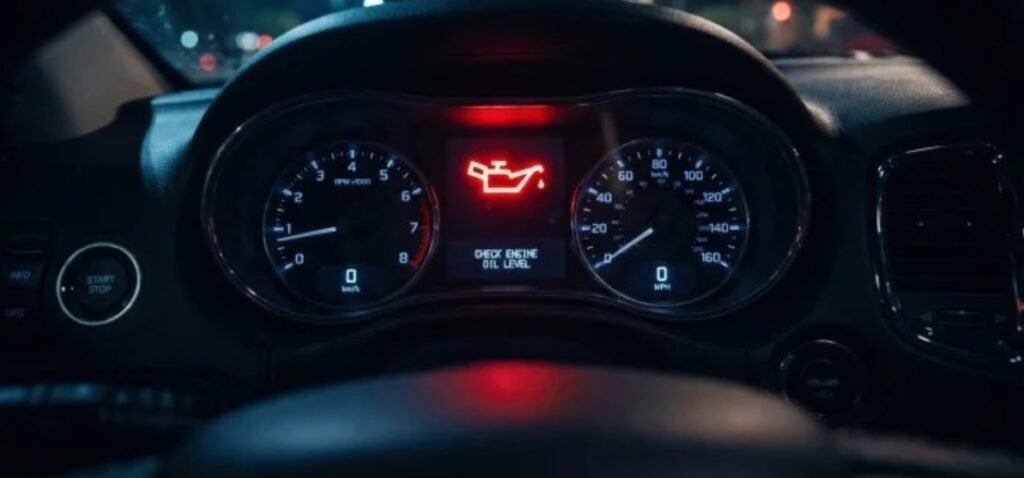
14. Ignoring the Red Oil Pressure Warning
Low oil pressure is different from simply having a slightly low oil level.
It means the engine may not be receiving the lubrication pressure it needs. Continued operation can rapidly damage bearings and other moving components.
Possible causes include low oil, a failing oil pump, internal wear, or a pressure-control problem.
Adding oil may help if the level is dangerously low, but it won’t fix every pressure-related failure.
Which Engine-Damaging Habits Need Immediate Attention?
Not every habit carries the same level of risk. Some problems demand an immediate stop, while others require changes to maintenance or driving technique.
| Situation | Main Risk | Recommended Action |
|---|---|---|
| Red oil pressure warning | Rapid internal engine damage | Stop safely and shut off engine |
| Severe overheating | Head gasket or internal damage | Stop safely and shut off engine |
| Flashing check engine light | Potential catalyst-damaging misfire | Stop safely and seek assistance |
| Severe new knocking | Possible combustion or mechanical damage | Reduce load and stop safely |
| Overdue oil change | Accelerated long-term wear | Arrange maintenance promptly |
| Repeated engine lugging | Excessive stress under load | Use an appropriate gear |
| Frequent short trips | Possible oil contamination | Follow suitable service intervals |
5 Driving Habits That Usually Don’t Ruin a Modern Engine
Some widely repeated engine warnings need context. Avoiding real damage matters more than following outdated rules.
1. Driving Gently Shortly After StartupModern engines generally don’t require extended stationary warm-ups. Gentle driving after startup is usually appropriate, subject to the owner’s manual.
2. Cruising at Low RPMLow RPM is normal when the engine runs smoothly under light load. The concern is heavy throttle when the engine is struggling.
3. Using Regular Gasoline When RecommendedPremium fuel isn’t automatically better. Use the octane grade required or recommended by the manufacturer.
4. Occasionally Using Higher RPMOperating within the normal engine-speed range after warm-up isn’t the same as exceeding the redline or abusing a cold engine.
5. Taking Occasional Short TripsShort trips aren’t automatically destructive. Frequent cold, short-trip operation may simply require different maintenance intervals.
How Can You Tell These Habits Are Damaging Your Engine?
Engine wear doesn’t always create immediate symptoms. When problems do appear, watch for:
- Increasing engine oil consumption.
- New ticking, rattling, or knocking sounds.
- Persistent rough idle or misfires.
- Reduced acceleration or unusual hesitation.
- Unexplained coolant loss or overheating.
- Blue, white, or black exhaust smoke.
- Oil pressure warnings or repeated check engine lights.
These symptoms can have several causes. They don’t automatically mean internal engine damage has occurred.
For example, a rough idle may come from a spark plug, ignition coil, vacuum leak, or injector rather than worn engine components. Our bad ignition coil symptoms guide explains one common possibility.
Can You Reverse Engine Damage Caused by Bad Habits?
It depends on what has happened.
Changing overdue oil, correcting a coolant leak, or fixing a misfire can help prevent additional damage.
Some deposit-related problems may improve with appropriate cleaning or repair.
But fresh oil cannot rebuild worn bearings, repair scored cylinders, or restore a damaged head gasket.
If you suspect mechanical damage, proper testing is more useful than buying an engine flush or additive that promises to reverse wear.
A Simple Engine-Care Routine That Actually Works
You don’t need complicated maintenance habits to protect your engine. Consistency matters more.
Every Few Weeks
- Check engine oil level correctly.
- Inspect coolant when cold.
- Look for leaks.
- Notice new sounds or smells.
At Scheduled Service
- Use approved oil and filter.
- Inspect the air filter.
- Review coolant and spark plugs.
- Follow timing-belt requirements.
While Driving
- Accelerate gently when cold.
- Avoid engine lugging.
- Respond to warning lights.
- Stop for overheating or low oil pressure.
If the vehicle frequently overheats, don’t assume it needs a new thermostat or water pump without testing. Our guides to thermostat failure symptoms and water pump warning signs explain how these problems can overlap.
Frequently Asked Questions
Does revving your engine damage it?
Normal operation within the recommended RPM range isn’t automatically harmful. Excessive revving, over-revving, or heavy loads before warm-up can increase risk.
Is idling bad for your engine?
Normal idling isn’t automatically damaging, but excessive idling adds engine operating hours, wastes fuel, and may contribute to deposits or maintenance demands in some vehicles.
Can short trips ruin an engine?
Not by themselves. Frequent short trips may contribute to moisture or fuel accumulation in oil and may require severe-service maintenance.
Is driving at low RPM bad for the engine?
No, provided the engine runs smoothly and isn’t being heavily loaded at an excessively low speed.
Does skipping one oil change damage your engine?
Not necessarily, but repeatedly exceeding the recommended interval increases the risk of contamination, deposits, and wear.
Can using the wrong oil destroy an engine?
Severely unsuitable oil or continued operation with inadequate lubrication can contribute to serious damage. Always use the specified viscosity and approvals.
Is premium gas better for engine life?
Not automatically. Follow the manufacturer’s octane requirement. Higher octane provides no universal engine-life benefit in vehicles designed for regular fuel.
How can I make my engine last 200,000 miles?
Follow the maintenance schedule, use correct fluids, monitor oil and coolant levels, avoid excessive loads when cold, and diagnose warning signs early. No routine guarantees a specific mileage.
Final Verdict: Small Habits Make a Big Difference
Many everyday habits are slowly ruining your engine by increasing wear or allowing small problems to develop into expensive repairs.
Focus on what actually matters: correct oil, timely maintenance, sensible driving, and early diagnosis.
Most importantly, recognize the difference between gradual wear and immediate danger. An overdue oil change needs attention, but severe overheating or low oil pressure may require stopping the engine right away.
Protecting engine life isn’t about treating every driving habit as dangerous. It’s about preventing avoidable damage before it becomes permanent.

Kevin Nicholas is an automotive mechanic and editor of The Effective Guide. He writes about warning lights, car problems, and diagnostic tools, helping drivers understand what to check before replacing a part.