
One car develops serious engine problems before reaching 150,000 miles. Another passes 300,000 miles and still handles daily driving without major trouble.
What’s the difference?
Vehicle design and luck certainly matter. But maintenance history, driving conditions, and the owner’s response to small problems can make an enormous difference.
Some vehicles have traveled more than 600,000 miles. Reaching that number, however, is exceptional. It may require major repairs, replacement components, and years of careful maintenance.
If you want to make your car last over 600,000 miles, the goal isn’t to find one miracle product. It’s to prevent avoidable damage, catch problems early, and make sensible repair decisions as the vehicle ages.
The Short Answer: Follow the manufacturer’s maintenance schedule, monitor engine oil and coolant, service drivetrain fluids correctly, drive gently when the engine is cold, prevent rust, and investigate warning signs promptly. These habits can extend vehicle life, although no maintenance routine guarantees 600,000 miles.
Can You Really Make Your Car Last Over 600,000 Miles?
Yes, some vehicles can reach 600,000 miles, or approximately 966,000 kilometers. But that’s far beyond the mileage most passenger vehicles accumulate.
Long-term reliability depends on engine and transmission design, previous maintenance, climate, road conditions, and how the vehicle is used.
Highway driving may be easier on some components than repeated short trips involving cold starts and stop-and-go traffic.
There’s also an important distinction between a vehicle reaching 600,000 miles and its original engine and transmission surviving that entire distance.
A car can remain on the road after major components have been repaired or replaced.
| Mileage | Ownership Perspective |
|---|---|
| 100,000 miles | An important maintenance milestone, not necessarily the end of useful life. |
| 200,000 miles | High-mileage ownership where maintenance history becomes especially valuable. |
| 300,000 miles | Exceptional longevity for many passenger cars. |
| 600,000 miles | A rare achievement that may involve substantial repairs and replacement parts. |
15 Proven Habits That Help Make Your Car Last Over 600,000 Miles
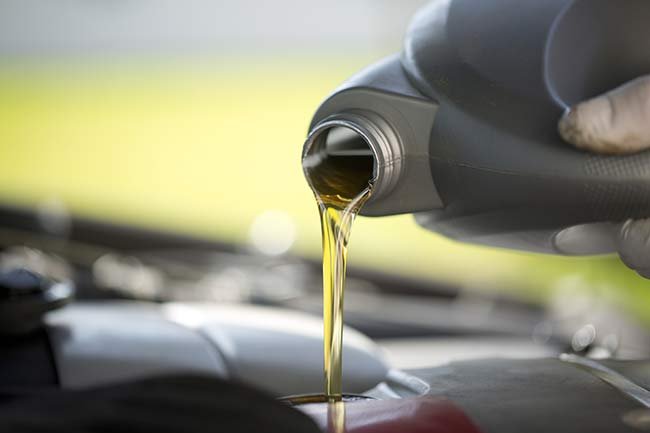
1. Change Engine Oil at the Correct Interval
Clean oil lubricates moving parts, carries away heat, and helps control deposits.
Use the oil viscosity and specification required by your manufacturer. Follow the oil-life monitor or maintenance schedule, including severe-service guidance when applicable.
Repeatedly delaying oil changes can increase sludge formation and engine wear.
2. Check Oil Levels Between Changes
Even a well-maintained engine may consume oil as it ages.
Check the dipstick or electronic oil-level display regularly, particularly before long trips. If consumption increases, investigate leaks or internal oil-burning problems.
Never assume the oil level is safe simply because the next service isn’t due.
3. Protect the Cooling System
Overheating can damage cylinder heads, head gaskets, and other expensive engine components.
Use the specified coolant and inspect hoses, the radiator, thermostat, and water pump for signs of deterioration.
If your car begins overheating, stop safely and investigate. Continuing to drive can turn a manageable cooling-system repair into major engine damage.
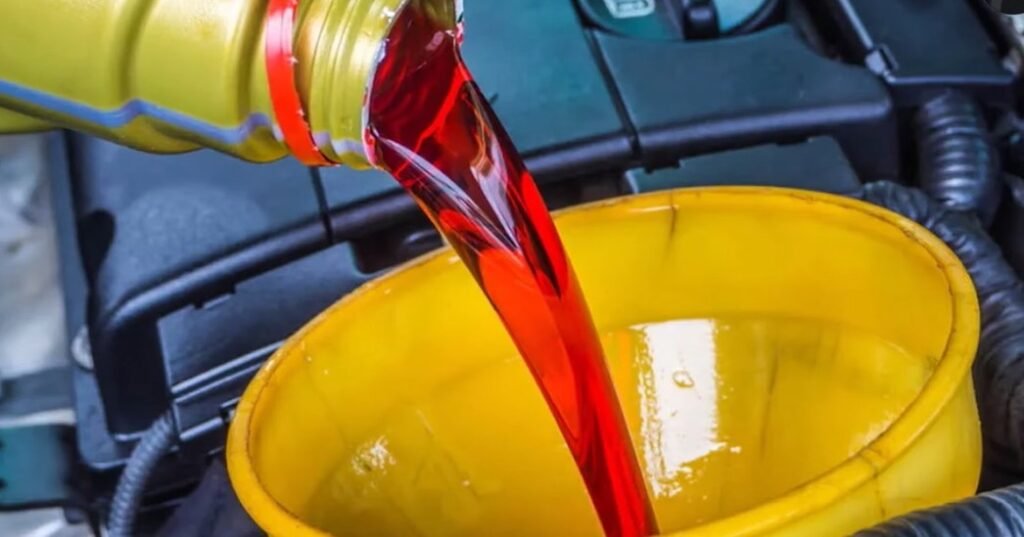
4. Maintain Transmission Fluid Properly
Automatic transmissions, CVTs, and manual gearboxes have different fluid requirements.
Use the exact specified fluid and follow the manufacturer’s service schedule. Vehicles used for towing or severe driving may require additional attention.
Avoid universal advice about flushing every transmission. The correct procedure depends on the transmission’s condition and service instructions.
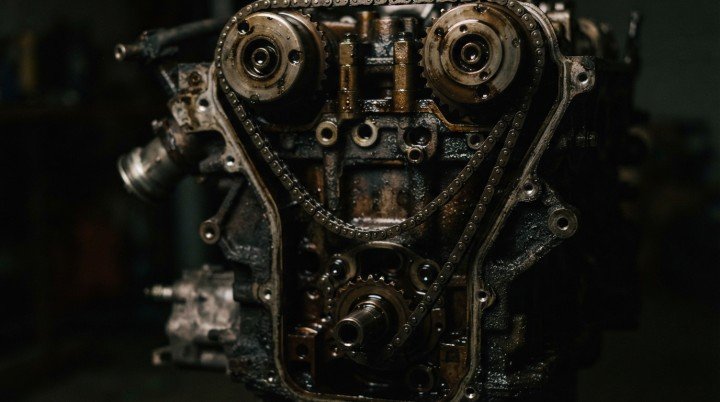
5. Replace Timing Belts Before They Fail
If your engine uses a timing belt, follow its replacement schedule.
A broken belt can cause severe internal damage in interference engines.
Timing chains generally have different service requirements, but unusual chain noise or timing-related trouble codes shouldn’t be ignored.
6. Maintain Air Filters and Intake Components
Replace the engine air filter when required by the maintenance schedule or its condition.
A properly sealed intake system helps keep abrasive dirt out of the engine.
Avoid unnecessary cleaning of delicate sensors. Incorrect cleaning methods can create problems instead of preventing them.

7. Repair Small Leaks Early
A minor oil or coolant leak can become serious if fluid levels drop.
Check for fresh stains, unusual smells, and declining fluid levels.
Fixing a deteriorating hose or gasket early is often easier than dealing with overheating or lubrication failure later.
8. Investigate Warning Lights Promptly
Don’t ignore a persistent check engine light, especially when accompanied by rough running or poor acceleration.
Misfires can damage the catalytic converter. Low oil pressure and overheating warnings may require stopping immediately.
Read diagnostic codes, confirm the cause, and repair the actual fault rather than repeatedly clearing warnings.
9. Accelerate and Brake Smoothly
Hard acceleration and abrupt braking increase loads on tires, brakes, and drivetrain components.
Smooth driving reduces unnecessary stress without requiring you to drive unusually slowly.
10. Avoid Heavy Loads on a Cold Engine
After starting, allow the engine to stabilize, then drive gently while it warms up.
Avoid full-throttle acceleration or heavy towing before normal operating temperature is reached.
Modern engines generally don’t need prolonged idling before ordinary driving.
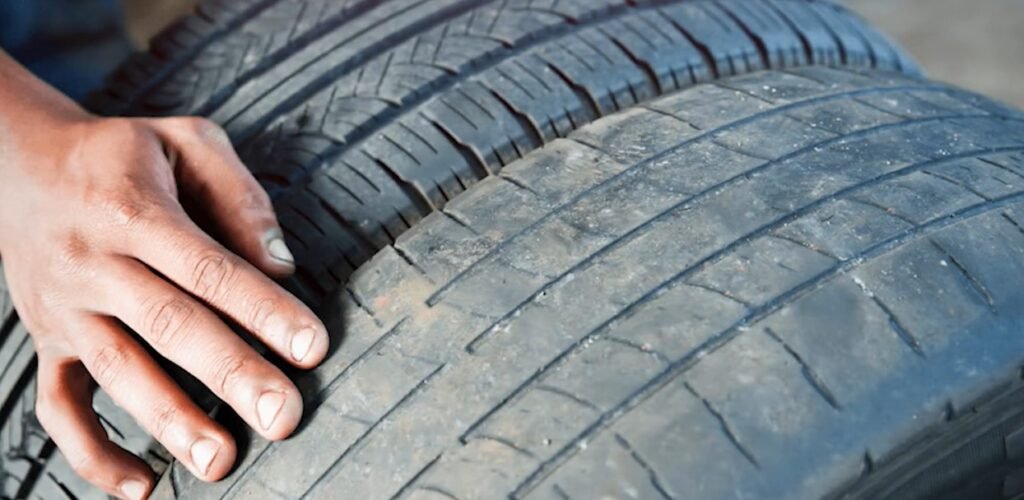
11. Maintain Tires and Alignment
Check cold tire pressures regularly and rotate tires according to the vehicle’s recommendations.
Uneven wear, pulling, or steering vibration may indicate alignment or suspension problems.
Correcting these issues helps protect tires and maintains safe handling.
12. Inspect Brakes, Steering, and Suspension
Worn shocks, bushings, ball joints, and steering components affect vehicle control.
Inspect these systems periodically, especially as mileage increases.
Replace worn parts based on condition rather than waiting for a failure.
13. Protect the Undercarriage From Rust
Road salt can corrode subframes, brake lines, fuel lines, and structural components.
In snow-belt states, wash accumulated salt from the underbody when conditions allow.
Inspect corrosion-prone areas regularly. Severe structural rust can end a vehicle’s useful life even when its engine still runs well.
14. Use Correct Fluids and Quality Parts
Expensive products aren’t automatically better.
What matters is meeting the manufacturer’s specifications for engine oil, coolant, transmission fluid, spark plugs, and replacement components.
Using the wrong fluid can cause more trouble than using a reasonably priced product that meets the required specification.
15. Keep Detailed Maintenance Records
Record oil changes, fluid services, repairs, inspections, and recurring symptoms.
Good records help you identify overdue maintenance and avoid replacing parts unnecessarily.
They also make it easier to decide whether an aging vehicle is still worth repairing.
The 100,000-to-600,000-Mile Maintenance Roadmap
If you want to make your car last over 600,000 miles, your priorities will change as the vehicle ages.
0–100KEstablish consistent maintenance, use correct fluids, and address early defects.
100K–200KComplete scheduled major services and monitor cooling, ignition, and suspension components.
200K–300KTrack oil consumption, leaks, transmission behavior, and structural corrosion.
300K–400KIncrease attention to aging components and plan for possible major repairs.
400K–500KEvaluate drivetrain health, reliability, and the cost of continued ownership.
500K–600K+Prioritize safety, frequent condition checks, and sensible repair decisions.
These stages are ownership guidelines, not automatic replacement intervals. A vehicle’s actual condition and manufacturer schedule remain more important than its odometer reading.
High-Mileage Car Maintenance Schedule: What to Check and When
The following table provides general inspection guidance. Always follow your owner’s manual for actual service intervals.
| Maintenance Item | General Guidance |
|---|---|
| Engine oil | Follow the oil-life monitor or manufacturer interval. |
| Oil level | Check regularly and before long trips. |
| Tire pressure | Check monthly and before extended driving. |
| Tire rotation | Often around 5,000–8,000 miles when recommended. |
| Coolant | Follow the specified coolant type and service interval. |
| Transmission fluid | Follow the transmission-specific schedule. |
| Differential/transfer-case fluid | Service where applicable according to manufacturer guidance. |
| Brake fluid | Follow the specified time or condition-based interval. |
| Timing belt | Replace at the exact engine-specific interval. |
| Battery and charging system | Test when age, symptoms, or inspections indicate. |
| Undercarriage | Inspect periodically, especially after road-salt exposure. |
7 Driving Habits That Can Shorten Your Car’s Life
- Accelerating aggressively with a cold engine: Places unnecessary load on components before normal operating temperature.
- Driving with low oil or coolant: Increases the risk of lubrication failure and overheating.
- Ignoring critical warnings: Oil-pressure and temperature warnings can signal conditions that quickly damage an engine.
- Shifting between Drive and Reverse while moving: Can place unnecessary stress on transmission components.
- Overloading or excessive towing: Raises engine, transmission, braking, and cooling demands.
- Repeated harsh driving: Accelerates wear on tires, brakes, and drivetrain parts.
- Ignoring noises and leaks: Allows small problems to become larger repairs.
Does Highway Driving Help Cars Last Longer?
Highway mileage can be easier on certain vehicle components because it often involves fewer cold starts, less stop-and-go traffic, and reduced brake use.
That’s why a well-maintained vehicle with 200,000 mostly highway miles may be in better condition than one with fewer miles accumulated through short urban trips.
However, high-speed driving, heavy towing, and extreme temperatures can still create significant wear.
Mileage alone doesn’t reveal how well a car has been maintained or driven.
How to Make a 200,000-Mile Car Last Another 100,000 Miles
Start with a complete baseline inspection rather than replacing parts randomly.
Review maintenance records and check the engine for oil consumption, leaks, overheating history, and unusual noises.
Inspect transmission operation, suspension wear, brake condition, and underbody corrosion.
Catch up on overdue manufacturer-recommended maintenance, prioritizing safety-critical and potentially engine-damaging problems.
A healthy 200,000-mile vehicle may still have substantial useful life. But reaching another 100,000 miles depends on its actual condition, not just the maintenance you perform from this point forward.
Can a Car Reach 600,000 Miles With Its Original Engine and Transmission?
It’s possible, but uncommon.
Engine and transmission durability varies significantly by model, maintenance history, and operating conditions.
Some exceptionally high-mileage vehicles retain their original major components. Others reach the same odometer reading after engine or transmission repairs or replacements.
Both represent long vehicle service life, but they are different mechanical achievements.
Maintenance records help establish what has actually survived the mileage.
What Usually Kills a Car Before 600,000 Miles?
Engine Damage From Low Oil or Overheating
Severe lubrication or cooling failures can cause expensive internal damage.
Transmission Failure
Major transmission repairs can become costly relative to an aging vehicle’s value.
Severe Structural Rust
Corroded subframes, mounting points, and structural areas can make a vehicle unsafe.
Neglected Cooling-System Problems
Small leaks or failing components may lead to overheating if ignored.
Expensive Electrical or Emissions Problems
Multiple aging components can create substantial repair bills.
Accident Damage and Repair Economics
A car may be retired because repair costs are impractical, even when the engine still works.
Which Repairs Are Worth Paying for on a High-Mileage Car?
Brakes, tires, steering, and other safety-critical repairs should never be postponed simply because a vehicle has high mileage.
Cooling-system, suspension, and ignition repairs may also be worthwhile when the rest of the vehicle is sound.
Major engine or transmission work requires a closer look at overall condition, repair quality, expected reliability, and replacement-vehicle costs.
A $2,000 repair might be reasonable on a structurally sound car that could provide years of dependable service.
The same repair may be difficult to justify on a vehicle with severe rust and several other major problems.
6 High-Mileage Car Maintenance Myths That Can Cost You Money
Myth 1: Thicker oil is always better for older engines. Use the viscosity and specification approved for your engine unless qualified service guidance recommends otherwise.
Myth 2: Transmission fluid should never be changed after 100,000 miles. Service decisions depend on the transmission, fluid condition, and manufacturer instructions. Neglect is not a maintenance strategy.
Myth 3: Premium gasoline makes every engine last longer. Use the octane required or recommended for your vehicle. Higher octane doesn’t automatically improve longevity.
Myth 4: Engines need 10 minutes of idling before driving. Most modern engines can be driven gently after a brief startup period.
Myth 5: Fuel additives can reverse mechanical wear. Additives cannot rebuild worn bearings, piston rings, or damaged components.
Myth 6: If the engine still runs, maintenance can wait. Preventive maintenance is intended to address problems before they cause failures.
How Much Does It Cost to Keep a Car Running for 600,000 Miles?
There is no universal maintenance budget for a 600,000-mile vehicle.
Over that distance, owners may pay for many sets of tires, brake services, fluid changes, batteries, suspension repairs, and potentially major drivetrain work.
Fuel, insurance, registration, and downtime also affect ownership costs.
One useful comparison is the estimated repair cost per additional mile:
Repair cost ÷ Expected additional miles
For example, a $2,000 repair followed by 40,000 reliable miles works out to $0.05 per mile for that repair alone.
However, future mileage is uncertain. Include likely additional repairs and compare the total with the cost of replacing the vehicle.
When Should You Stop Repairing an Old Car?
High mileage alone isn’t a reason to retire a vehicle.
However, severe structural corrosion, recurring safety problems, frequent breakdowns, or several major failures at once may make continued ownership impractical.
Consider repair costs, expected reliability, downtime, and the condition of the rest of the vehicle.
If the car is structurally unsafe or repairs cannot restore dependable operation at a reasonable cost, replacement may be the better decision.
Frequently Asked Questions
Can a regular car really last 600,000 miles?
Yes, some vehicles do, but it’s rare. Reaching that mileage depends on vehicle design, maintenance, driving conditions, and potentially major repairs.
What is the most important maintenance habit for engine longevity?
Using the correct engine oil, changing it at the recommended interval, and maintaining the proper oil level are among the most important habits.
How often should I change oil on a high-mileage car?
Follow the manufacturer’s oil-life monitor or maintenance schedule, including severe-service guidance. High mileage alone doesn’t establish one universal interval.
Is 200,000 miles too much for a used car?
Not necessarily. Maintenance history, mechanical condition, rust, and price matter more than mileage alone.
Does highway driving make a car last longer?
Highway use often involves fewer cold starts and less stop-and-go wear, but maintenance and driving conditions remain important.
Should I change transmission fluid after 150,000 miles?
Consult the manufacturer schedule and assess the transmission’s condition. Use the correct fluid and procedure rather than following universal flush recommendations.
Can a car reach 600,000 miles without major repairs?
It’s possible but exceptional. Many vehicles reaching extreme mileage require substantial component repairs or replacements.
When should I stop repairing an old car?
Consider replacement when structural safety, reliability, and expected repair costs make continued ownership impractical.
Final Verdict: What Really Makes a Car Last 600,000 Miles?
There is no guaranteed formula to make your car last over 600,000 miles.
However, consistent maintenance, correct fluids, careful driving, rust prevention, and early repairs give your vehicle a better chance of lasting longer.
Choose a reliable vehicle, keep detailed service records, and address problems before they cause additional damage.
Whether your car reaches 200,000, 300,000, or 600,000 miles, the real goal is safe, dependable transportation at a reasonable ownership cost.

Kevin Nicholas is an automotive mechanic and editor of The Effective Guide. He writes about warning lights, car problems, and diagnostic tools, helping drivers understand what to check before replacing a part.