You start your car, back out of the driveway, shift into Drive, and head to work. Nothing unusual happens, so you assume everything is fine.
But some everyday driving habits put unnecessary stress on your engine, transmission, tires, and brakes. The damage may build gradually, long before a warning light appears.
You’ve probably heard claims that more than 80% of drivers make the first three mistakes. There isn’t reliable evidence establishing that exact percentage, but the habits themselves are worth checking.
Here’s how drivers are killing their cars without knowing it, what each mistake can damage, and the simple changes that help prevent expensive repairs.
Start With These Three: Avoid hard acceleration before your engine warms up, stop completely before shifting between Reverse and Drive, and check tire pressure regularly. These are easy habits to correct, and they can reduce unnecessary wear.
Drivers Are Killing Their Cars Without Knowing It: 15 Everyday Mistakes
Not every bad habit causes immediate damage. Some increase wear over thousands of miles, while others can lead to serious problems in a single incident.
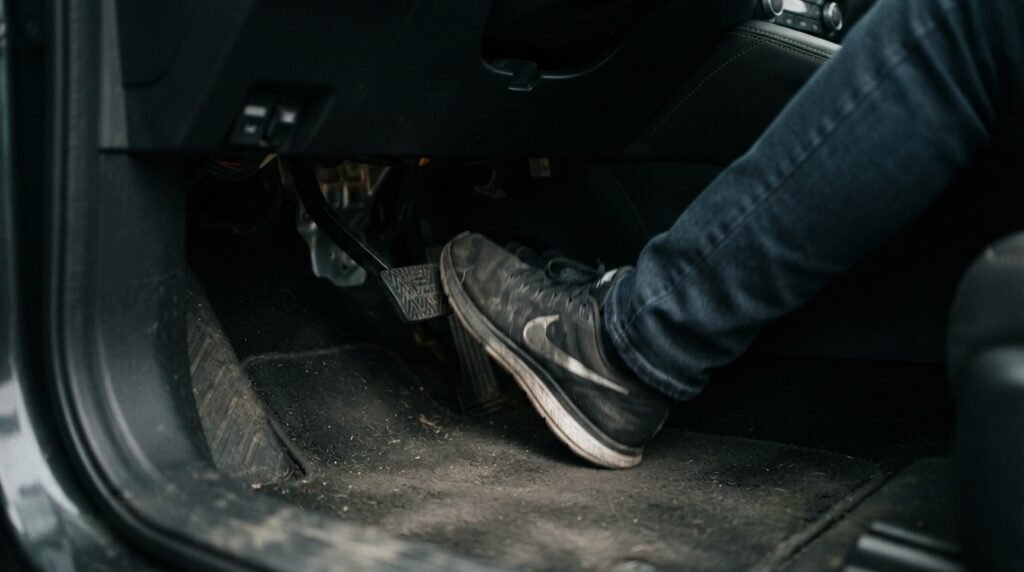
1. Accelerating Hard Before the Engine Warms Up
When you first start a cold engine, oil begins circulating quickly, but the engine and its fluids haven’t reached normal operating temperature.
Heavy acceleration during this period increases mechanical loads while components are still warming up.
Hidden Damage: Repeated high-load cold operation can contribute to unnecessary engine wear.
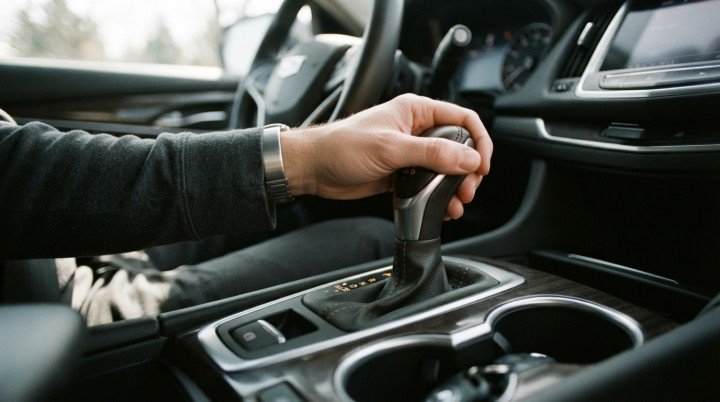
2. Shifting From Reverse to Drive While Still Rolling
Many drivers change direction before their vehicle has completely stopped, especially when backing out of parking spaces.
Doing this repeatedly forces drivetrain components to manage an abrupt change in direction.
Hidden Damage: Additional stress on transmission components and drivetrain mounts. The exact effects depend on transmission design.
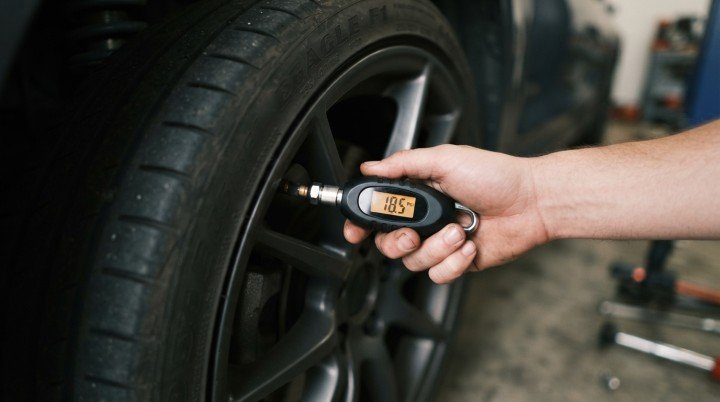
3. Driving With Low Tire Pressure
An underinflated tire flexes more than intended. That increases heat buildup and can accelerate tire wear.
Low pressure can also affect handling and fuel economy. A tire may look normal even when its pressure is significantly below specification.
Hidden Damage: Excessive tire heat, uneven wear, and increased risk of tire failure.
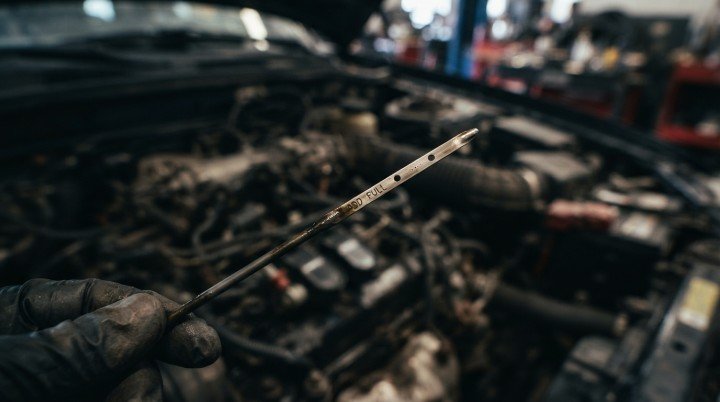
4. Driving With Low Engine Oil
Some engines consume oil between changes, especially as mileage increases.
When the oil level becomes dangerously low, lubrication can suffer and internal components may be damaged.
5. Ignoring Engine Overheating
Continuing to drive an overheating vehicle can damage head gaskets, cylinder heads, and other engine components.
6. Riding the Brakes on Long Downhill Roads
Keeping the brakes continuously applied on a long descent can generate excessive heat and reduce braking effectiveness.
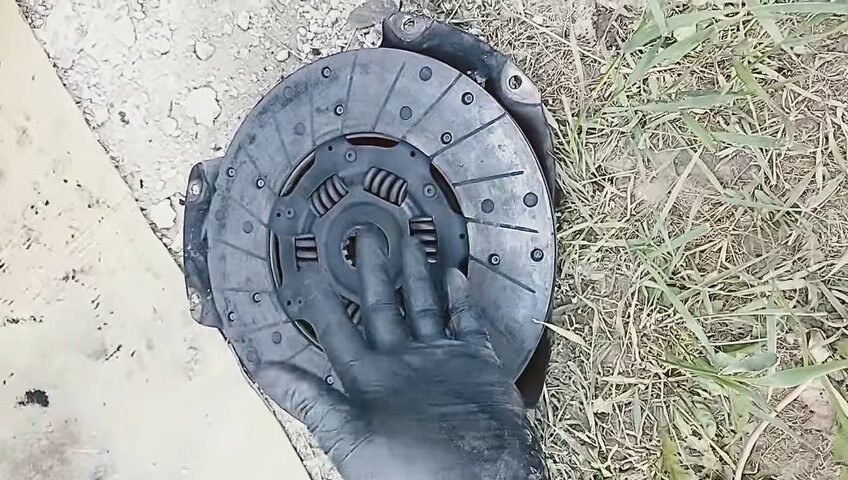
7. Resting Your Foot on the Clutch Pedal
In manual-transmission cars, resting your foot on the clutch can partially load the release mechanism or cause clutch slip.
8. Driving Through Floodwater
Water entering an engine’s intake can cause hydrolock, while submerged electronics and contaminated fluids can create additional damage.
Floodwater can also hide washed-out roads and strong currents.
9. Ignoring Small Fluid Leaks
A small oil, coolant, brake-fluid, or transmission-fluid leak can become dangerous when fluid levels drop.
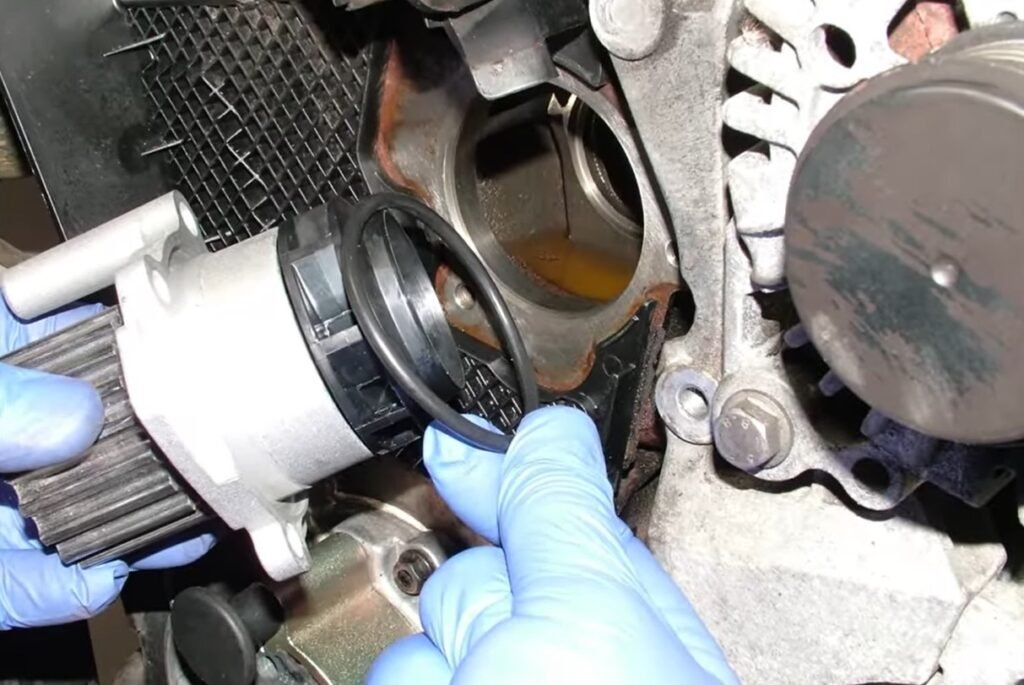
10. Using the Wrong Engine Oil or Coolant
Incorrect oil specifications or incompatible coolant can cause lubrication, cooling, or corrosion problems.
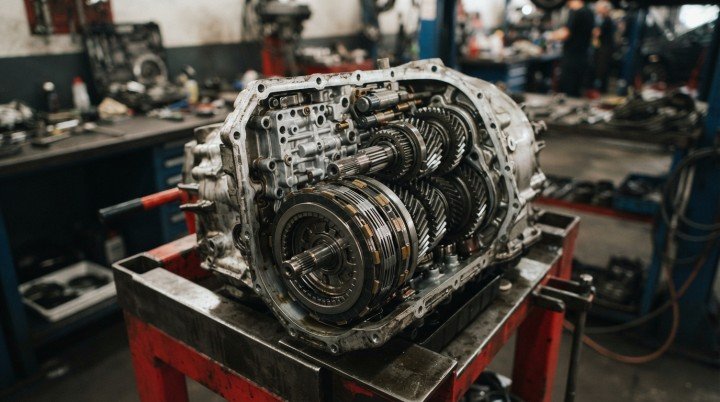
11. Delaying Transmission Maintenance
Automatic transmissions, CVTs, and manual gearboxes have different maintenance requirements.
Neglecting required fluid service can contribute to wear, although servicing an already damaged transmission won’t reverse mechanical failure.
12. Hitting Potholes and Speed Bumps Too Fast
Hard impacts can damage tire sidewalls, bend wheels, and affect suspension components or alignment.
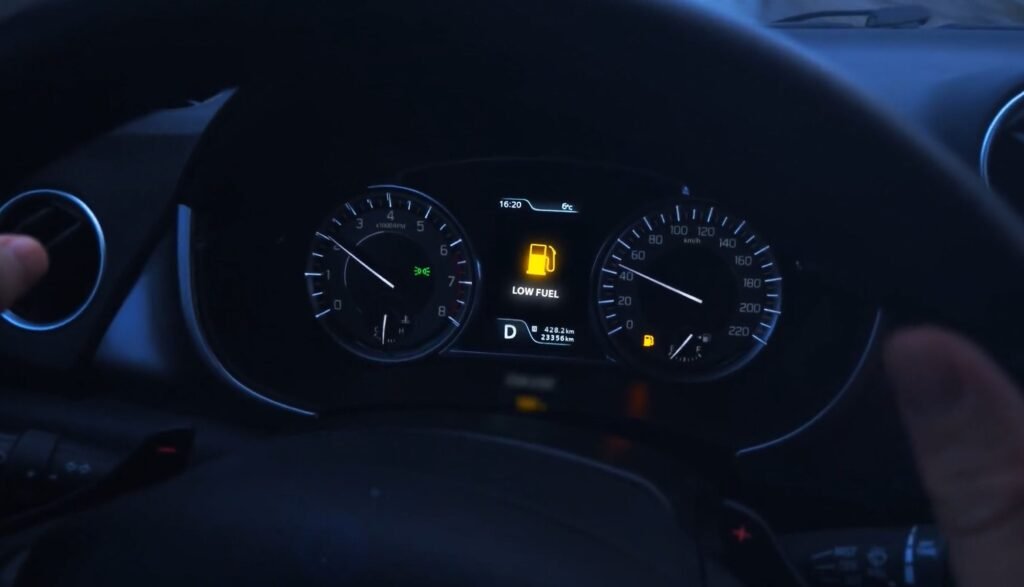
13. Repeatedly Driving With a Nearly Empty Fuel Tank
Very low fuel levels can increase the chance of fuel starvation during turns, hills, or sudden maneuvers.
However, the claim that every low-fuel trip immediately damages the fuel pump is exaggerated.
14. Topping Off the Gas Tank After the Pump Clicks
Continuing to add fuel after automatic shutoff can interfere with the evaporative-emissions system on some vehicles.
15. Skipping Maintenance Because the Car Still Runs Fine
Oil, coolant, brake fluid, and other service items can deteriorate without obvious driving symptoms.
Waiting for something to fail often turns preventive maintenance into an expensive repair.
Which Bad Driving Habits Cause the Most Expensive Damage?
Some mistakes mainly cause gradual wear. Others create an immediate risk of serious damage or an accident.
| Bad Habit | Potential Damage | Urgency |
|---|---|---|
| Ignoring low oil pressure | Severe engine damage | Stop safely |
| Continuing to drive while overheating | Major engine damage | Stop safely |
| Entering deep floodwater | Hydrolock, electrical damage | Avoid entering |
| Overheating brakes downhill | Reduced braking effectiveness | Immediate safety concern |
| Shifting while rolling | Drivetrain stress or damage | Correct the habit |
| Driving on underinflated tires | Excess heat and tire damage | Correct promptly |
| Hitting potholes hard | Wheel and suspension damage | Inspect if symptoms appear |
These urgency categories aren’t statistical rankings. Actual damage depends on the vehicle, operating conditions, and severity of the incident.
5 Warning Signs Your Driving Habits May Already Be Damaging Your Car
- Steering vibration or pulling: May indicate tire, wheel, alignment, or suspension problems.
- Harsh or delayed shifting: Could indicate transmission, fluid, or control-system problems.
- Uneven tire wear: May result from incorrect pressure, alignment, or worn suspension parts.
- Burning smells or fluid loss: Can indicate overheating brakes, leaks, or other mechanical issues.
- Recurring dashboard warnings: Suggest that a system needs diagnosis rather than repeated resets.
These symptoms have multiple possible causes. They don’t automatically prove that your driving habits caused the problem.
Are You Damaging Your Transmission Without Realizing It?
Transmission-damaging habits aren’t limited to aggressive driving.
Shifting into Park before stopping completely can stress parking-lock components. Changing between Drive and Reverse while rolling also creates unnecessary drivetrain loads.
On some vehicles, using the accelerator to hold position on a hill can overheat the clutch or transmission. Use the brakes or appropriate hill-hold feature instead.
Manual-transmission drivers should avoid riding the clutch and forcing the engine to pull heavy loads at excessively low RPM in a high gear.
If your transmission begins slipping, grinding, or engaging harshly, have it diagnosed before continuing normal driving.
Does Aggressive Driving Really Shorten Engine Life?
Repeated hard acceleration, abrupt braking, and unnecessary high-load driving can increase wear on several vehicle systems.
Cold-engine acceleration is particularly worth avoiding because components haven’t reached normal operating temperature.
However, normal brisk acceleration in a healthy, properly warmed engine isn’t automatically harmful.
The concern is repeated abusive operation, excessive loads, overheating, and neglected maintenance.
Are Short Trips Worse for Your Car Than Highway Driving?
Frequent short trips can be harder on some vehicle systems because the engine may not reach full operating temperature.
Repeated cold starts, stop-and-go traffic, and limited battery charging time can increase maintenance demands.
Moisture and fuel dilution may also be concerns under certain operating conditions.
Check whether your manufacturer’s severe-service schedule applies to your driving pattern.
Highway driving isn’t automatically harmless, but consistent operating temperatures and fewer stop-and-go cycles can reduce some types of wear.
The 5-Minute Weekly Check That Can Prevent Expensive Problems
You don’t need to be a mechanic to spot many early warning signs.
Your Quick Car Health Checklist
- Look for tire cuts, bulges, or unusual wear.
- Check cold tire pressure at least monthly.
- Check engine oil using the manufacturer’s procedure.
- Look for new fluid stains under the vehicle.
- Check coolant level in the proper reservoir only when the system is cool.
- Pay attention to new noises, smells, or warning lights.
Some checks take longer than five minutes, and not every vehicle has a traditional oil dipstick. Follow your owner’s manual for the correct procedures.
7 Better Driving Habits That Help Your Car Last Longer
- Drive gently until the engine reaches normal operating temperature.
- Stop completely before changing between Drive and Reverse.
- Maintain tire pressure using the door-jamb specification.
- Monitor oil, coolant, and other fluids according to the manual.
- Anticipate traffic to reduce unnecessary hard braking.
- Stay within the vehicle’s payload and towing limits.
- Investigate unusual symptoms before they become larger problems.
Small improvements won’t guarantee a particular mileage, but they can reduce avoidable wear and support long-term reliability.
How Much Can These Bad Driving Habits Cost You?
Neglected tire pressure can shorten tire life. Repeated hard braking can increase brake wear. Pothole impacts may require wheel, tire, or suspension repairs.
More serious mistakes, such as ignoring overheating or low oil pressure, can lead to major engine repairs or replacement.
Transmission repairs can also become expensive when mechanical damage develops.
Actual costs depend on your vehicle, location, and the extent of damage.
Regular inspections and timely maintenance usually cost less than repairing preventable failures, although no maintenance routine eliminates every breakdown.
6 Common Driving Myths That Can Hurt Your Car
Myth 1: Every engine needs 10 minutes of idling before driving. Most modern engines can be driven gently after a brief startup period.
Myth 2: Premium gasoline protects every engine. Use the octane specified or recommended by your manufacturer. Higher octane isn’t automatically better.
Myth 3: A warning light can wait if the car drives normally. Some warnings indicate conditions that can quickly cause damage.
Myth 4: A tire is properly inflated if it looks fine. Tire pressure must be checked with a gauge or an appropriate pressure-monitoring display.
Myth 5: Transmission fluid never needs service. Requirements vary by transmission and manufacturer.
Myth 6: Engine braking always damages the transmission. Manufacturer-approved engine braking is a normal technique. Inappropriate downshifting or over-revving is the concern.
When Should You Stop Driving Instead of Trying to Reach Home?
Some warnings should never be treated as ordinary maintenance reminders.
Stop safely and seek assistance if you experience:
- A low oil-pressure warning.
- Engine overheating.
- Severely reduced braking performance.
- A flashing check engine light with strong misfiring.
- Significant tire damage or rapid pressure loss.
- Fuel leaks, smoke, or signs of fire.
Avoid flooded roads entirely. When continued driving could be unsafe or cause major damage, arrange roadside assistance rather than trying to reach home.
Frequently Asked Questions
What driving habits damage a car the most?
Ignoring low oil pressure, overheating, serious tire problems, and brake issues can cause severe damage or safety risks. Repeated harsh driving and neglected maintenance contribute to gradual wear.
Is accelerating hard bad for your engine?
Repeated heavy acceleration increases engine loads, especially when cold. Normal acceleration in a healthy, warmed engine isn’t automatically damaging.
Can shifting into Drive while rolling backward damage the transmission?
Yes, changing direction before stopping can stress drivetrain components. Always stop completely before selecting the opposite direction.
Does low tire pressure damage your car?
Underinflation increases tire flexing and heat, which can accelerate wear and increase the risk of tire failure.
Is it bad to drive immediately after starting your car?
Not usually. Most modern cars can be driven gently after startup. Avoid heavy throttle until the engine warms up.
Can short trips shorten a car’s lifespan?
Frequent short trips may increase certain maintenance demands because the engine and fluids may not reach normal operating temperature.
What are the signs you’re damaging your transmission?
Slipping, delayed engagement, grinding, harsh shifts, or unusual noises can indicate problems that require diagnosis.
How can I make my car last longer without spending much money?
Maintain tire pressure, check fluids, drive smoothly, follow service intervals, and investigate small problems before they become expensive.
Final Verdict: Stop These Habits Before They Become Expensive Repairs
Many drivers are killing their cars without knowing it through habits that seem harmless during everyday driving.
The first three are simple to correct: avoid hard cold-engine acceleration, stop before changing driving direction, and maintain proper tire pressure.
More importantly, never ignore overheating, low oil pressure, or serious brake problems.
Good driving habits won’t prevent every repair, but they can reduce unnecessary wear and help your car stay dependable longer.

Kevin Nicholas is an automotive mechanic and editor of The Effective Guide. He writes about warning lights, car problems, and diagnostic tools, helping drivers understand what to check before replacing a part.