
Last Updated on October 7, 2026
A bad water pump does not always fail with a dramatic puddle or cloud of steam. The first clue may be a sweet smell, an RPM-related chirp, or a heater that turns cool as the temperature gauge climbs.
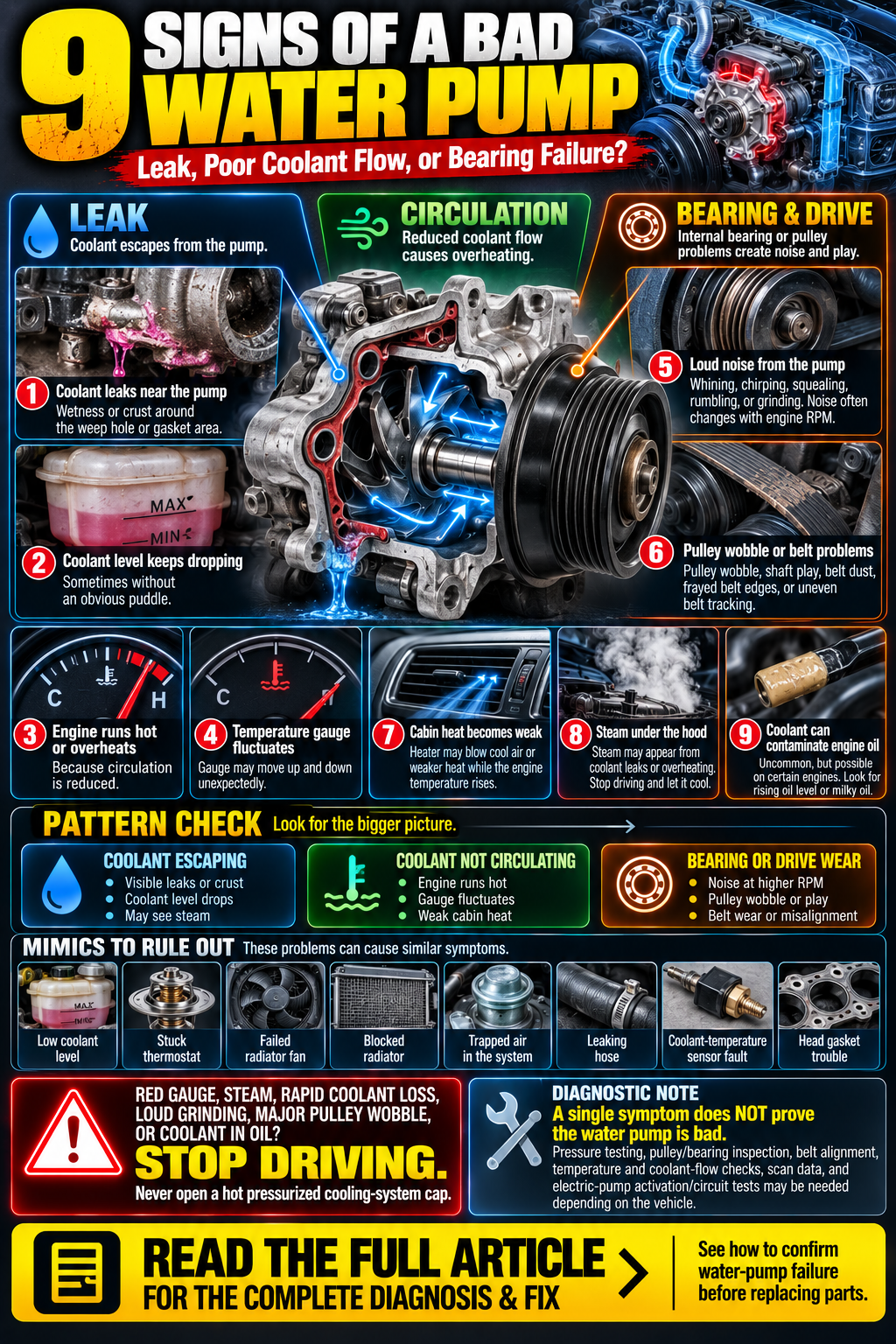
The most common bad water pump symptoms include coolant leakage, repeated coolant loss, overheating, unstable temperature readings, bearing or pulley noise, pulley wobble, weak cabin heat, and steam under the hood. On certain engine designs, an internally mounted pump may also leak coolant into the engine oil.
These signs are warnings, not a final diagnosis. Low coolant, a stuck thermostat, failed radiator fan, blocked radiator, air pocket, leaking hose, or damaged head gasket can create similar problems. The best clue is usually a pattern involving temperature, coolant loss, and mechanical evidence—not one symptom viewed alone.
Bad Water Pump Symptoms at a Glance
Most bad water pump symptoms tell one of three stories: coolant is escaping, coolant is not circulating, or the pump’s bearing and drive components are wearing out.
| What you notice | Possible meaning | Urgency |
|---|---|---|
| Colored residue, a small leak, or sweet smell | Seal or gasket deterioration | Inspect soon |
| Whine, chirp, grinding, or pulley movement | Bearing, shaft, pulley, or belt trouble | Urgent inspection |
| Weak heater with rising temperature | Low coolant or poor circulation | Stop and investigate |
| Red temperature warning or steam | Severe overheating | Stop driving |
| Milky oil on an engine with an internal pump | Possible internal coolant leak | Do not run the engine |
What the Water Pump Does—and How It Fails
The water pump circulates coolant through the engine, heater core, and radiator. The thermostat controls when coolant can pass through the radiator; the pump creates the circulation. The radiator or expansion-tank cap primarily regulates system pressure.
Most mechanical pumps are driven by a serpentine belt, accessory belt, timing belt, or timing chain. A shaft turns an internal impeller that moves coolant. Electric water pumps use a computer-controlled motor and can operate independently of engine speed.
A leaking seal, worn bearing, damaged pulley, broken impeller, slipping belt, or electric-motor fault can disable a pump. Incorrect coolant may also cause corrosion and seal damage. Because failure modes differ, bad water pump symptoms do not look identical on every vehicle.
Bad Water Pump Symptoms: 9 Warning Signs
1. Coolant Leaks Near the Pump
An external leak is one of the clearest bad water pump symptoms. Coolant may appear beneath the front or side of the engine, depending on the layout. Its color varies by manufacturer.
Many pumps have a weep hole near the shaft. Persistent wetness or colored crust around this opening suggests that the internal seal is deteriorating. Coolant can also escape from the pump-to-engine gasket.
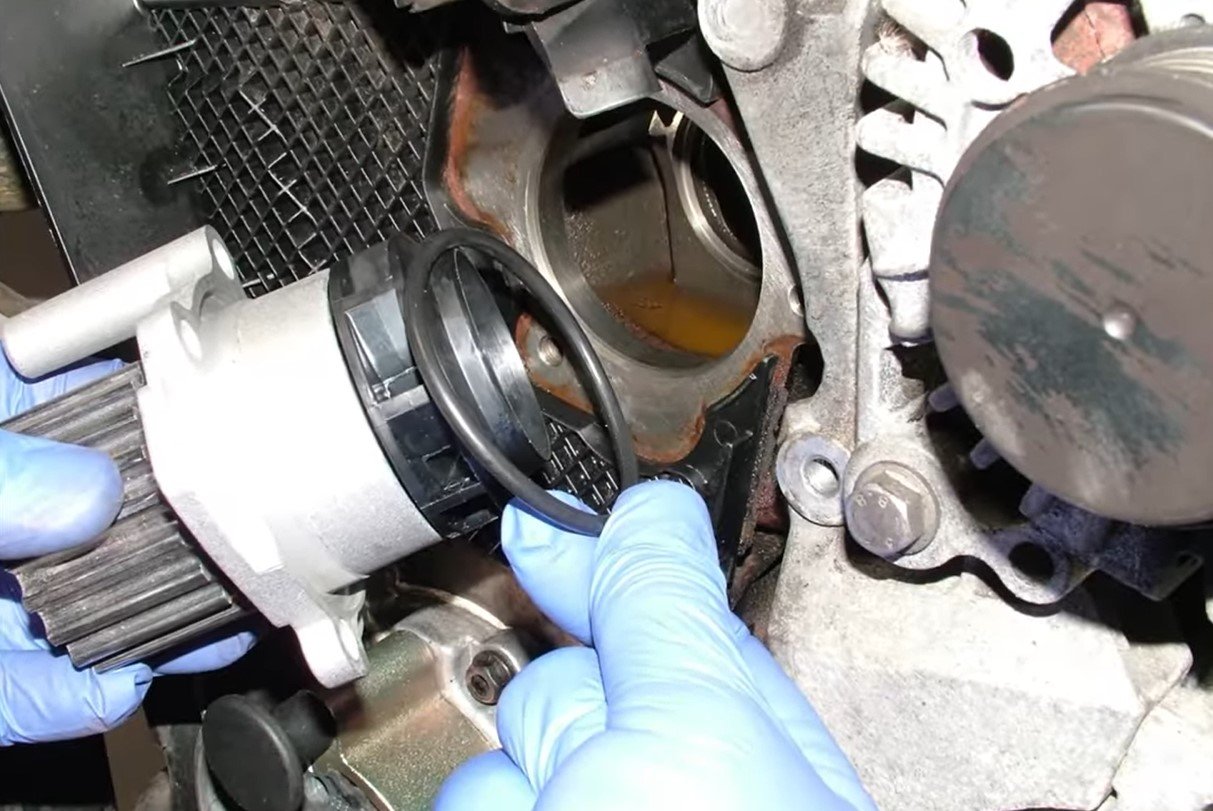
Do not identify the source only by where the puddle lands. Fluid can travel along brackets, covers, and splash shields. A hose, thermostat housing, radiator, reservoir, or fitting above the pump may be responsible.
2. The Coolant Level Keeps Dropping
Some leaks appear only when the cooling system is hot and pressurized. The escaping coolant may evaporate on the engine before it reaches the ground, leaving a sweet smell or a dry colored trail. You may simply notice that the reservoir repeatedly needs topping up.
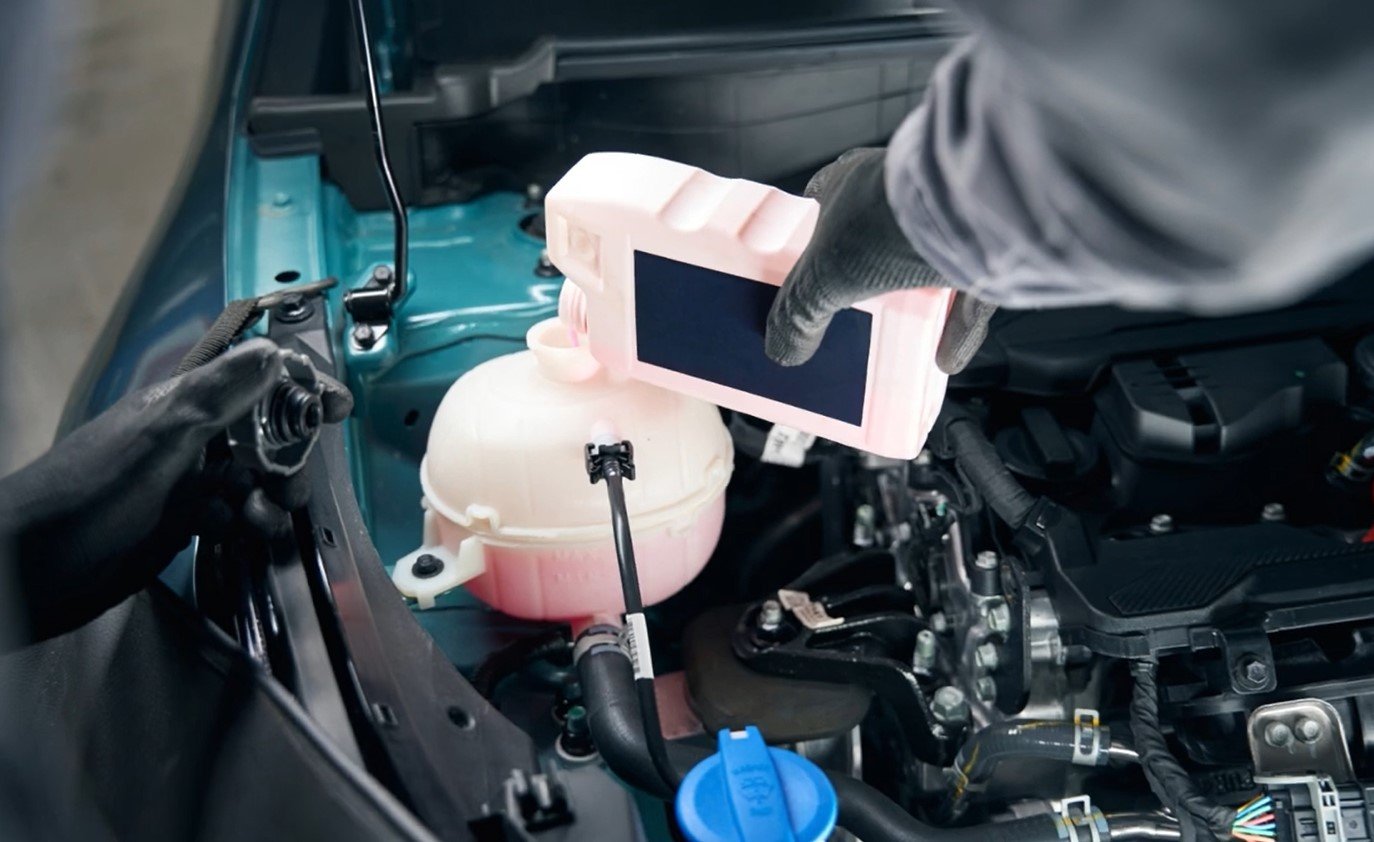
Repeated coolant loss belongs among bad water pump symptoms, but it is not specific to the pump. The entire cooling system should be inspected. Adding coolant without repairing the leak only delays the problem.
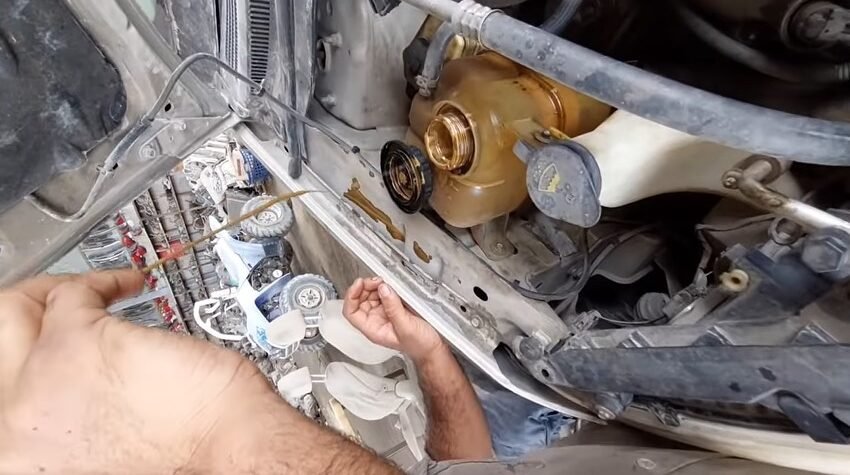
Check the level only when the engine is completely cold. Never remove a radiator or pressurized reservoir cap from a hot engine; scalding coolant can escape suddenly.
3. The Engine Runs Hot or Overheats
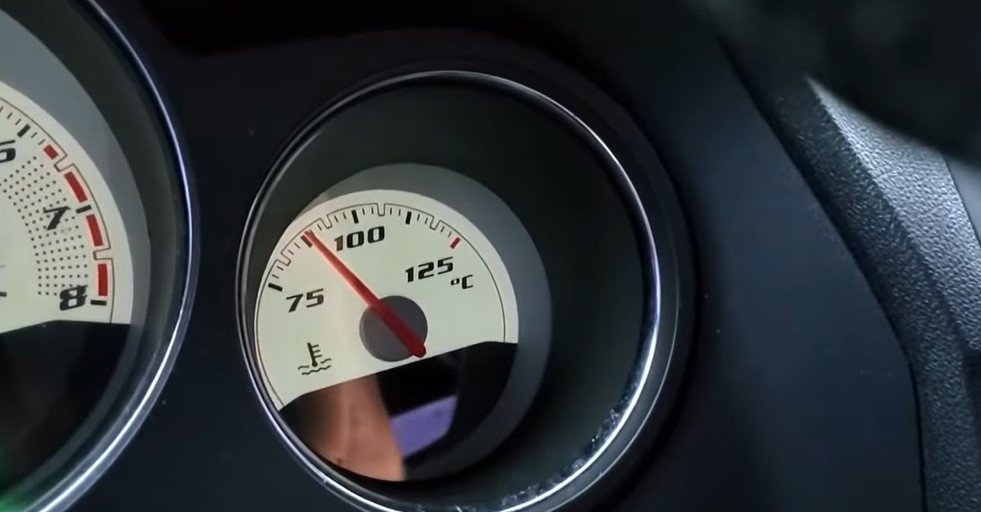
A broken impeller, seized bearing, slipping belt, or failed electric pump can reduce coolant circulation. The gauge may rise above its normal position, a temperature warning may appear, or the vehicle may enter reduced-power mode.
Overheating is one of the most dangerous bad water pump symptoms, but it is not proof of pump failure. Low coolant, trapped air, a stuck thermostat, failed fan, restricted radiator, collapsed hose, or head-gasket trouble can cause the same result.
If the gauge reaches the red zone, stop safely and switch off the engine. Continued driving can warp the cylinder head, damage the head gasket, or seize the engine.
4. The Temperature Gauge Fluctuates
A cracked impeller may slip on its shaft, damaged blades may circulate coolant poorly, or an electric pump may work intermittently. The temperature can move from normal to hot and then drop again.
These fluctuations can support a list of bad water pump symptoms when they occur with coolant loss, pump-area noise, or weak heater output. On their own, they may result from an air pocket, low coolant, thermostat trouble, a faulty coolant-temperature sensor, or wiring.
Driving conditions help: overheating mainly in slow traffic often points toward fan or airflow trouble, while a rise under load with pump noise or coolant loss makes poor circulation more plausible.
5. Whining, Chirping, Squealing, or Grinding
A worn water-pump bearing can whine, rumble, growl, or grind. A dragging pump, loose belt, or misaligned pulley may chirp or squeal. The sound usually changes with engine RPM.
Bad water pump noise can resemble an idler pulley, tensioner, alternator, power-steering pump, or A/C compressor. Noise alone does not confirm the source. A technician may follow the vehicle’s service procedure to isolate the affected pulley or accessory.
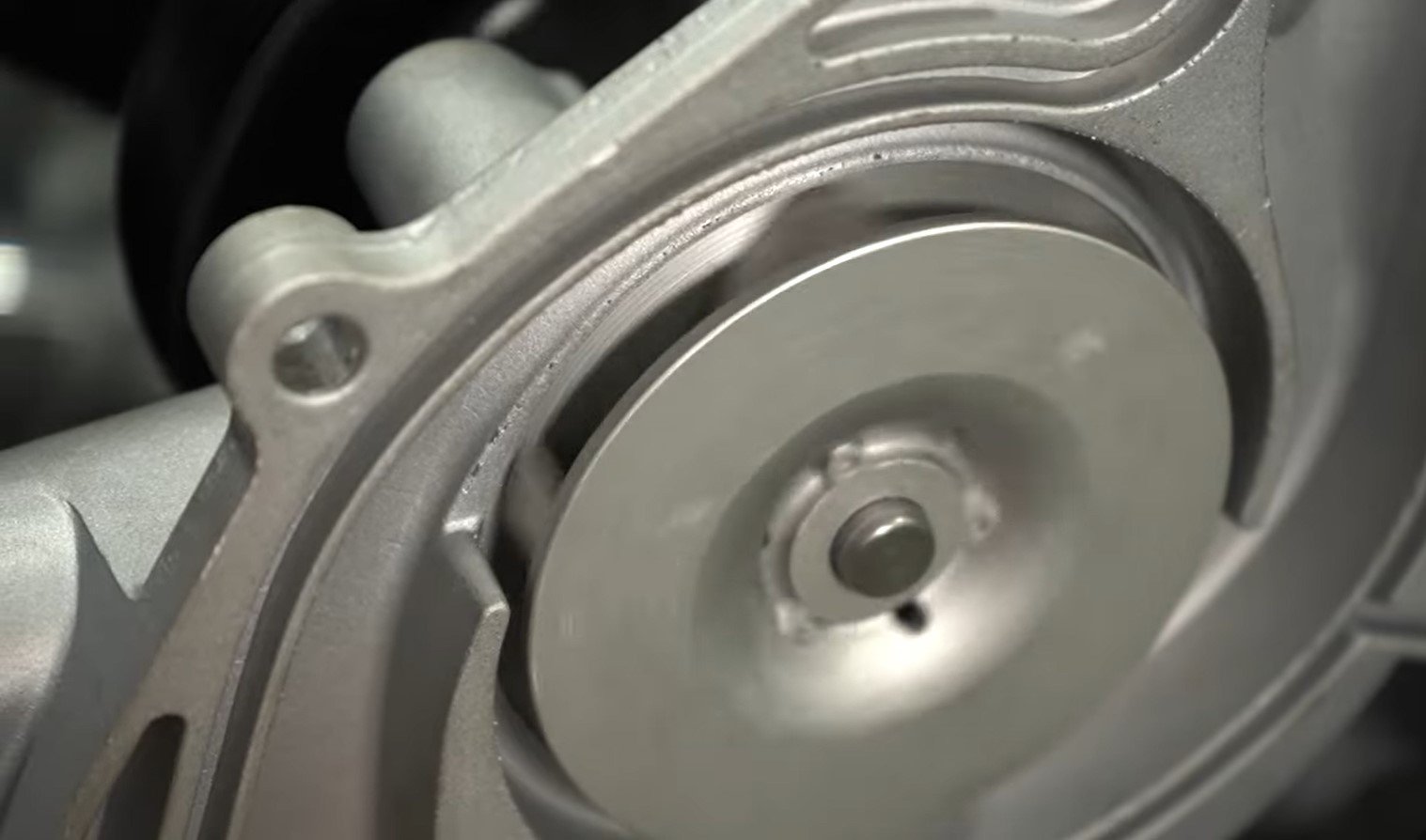
Never place your hands, clothing, or tools near a moving belt or cooling fan. Electric fans may start unexpectedly, even when the engine is not running.
6. The Pulley Wobbles or the Belt Wears Unevenly
With the engine off and cool, pulley misalignment, unusual shaft play, belt dust, frayed edges, or repeated belt-tracking problems may reveal bearing or shaft wear. These are particularly useful bad water pump symptoms because they link a noise or belt problem to the pump drive.
A failing bearing can eventually seize or allow the belt to come off. Depending on the belt layout, this may also stop the alternator and other accessories.
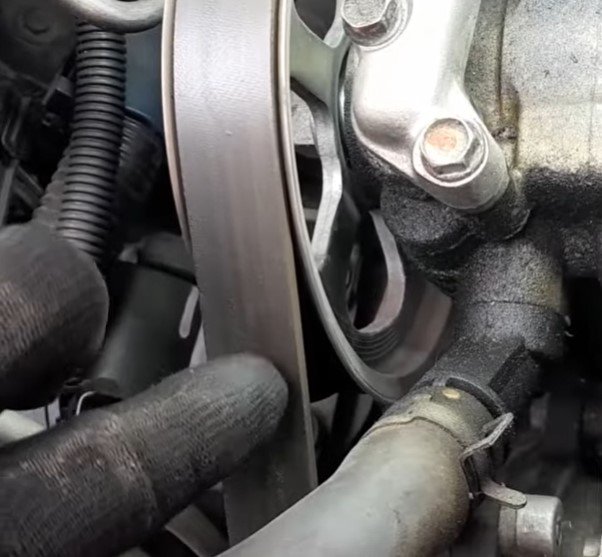
Some pumps are hidden behind timing covers or mounted inside the engine. Do not remove belts or covers without the proper service information and tools.
7. Cabin Heat Becomes Weak or Turns Cold
The heater core needs a steady supply of hot coolant. If coolant is low or circulation weakens, the vents may blow lukewarm or cold air while the engine temperature rises. Heat may disappear at idle and return when engine speed increases.
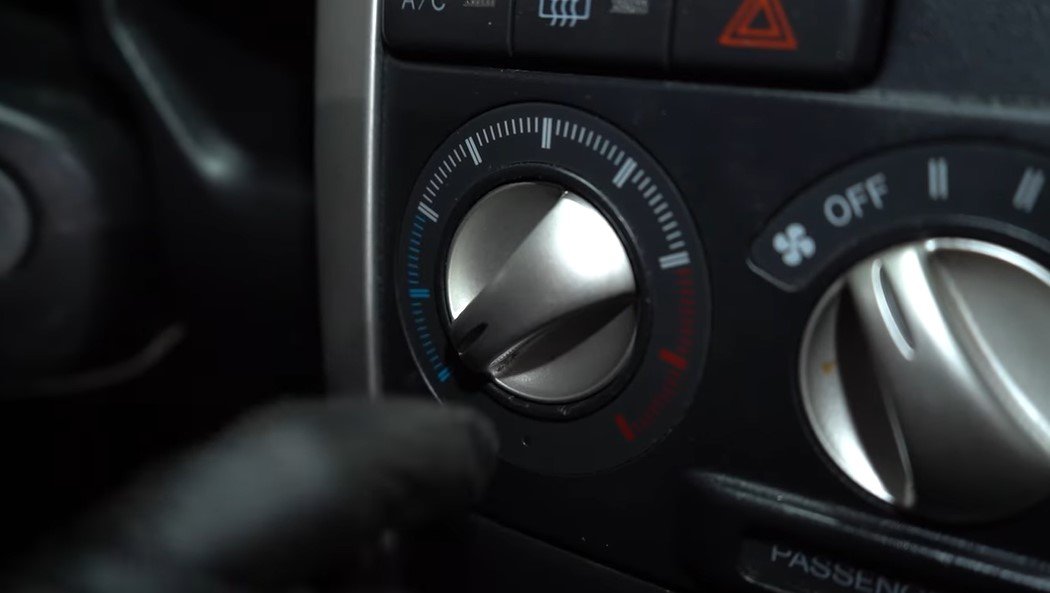
Weak heat is one of the less obvious bad water pump symptoms. It can also come from trapped air, a clogged heater core, blend-door trouble, or a thermostat stuck open. A cold heater paired with an overheating engine is more serious because it can indicate low coolant or interrupted flow.
8. Steam Appears Under the Hood
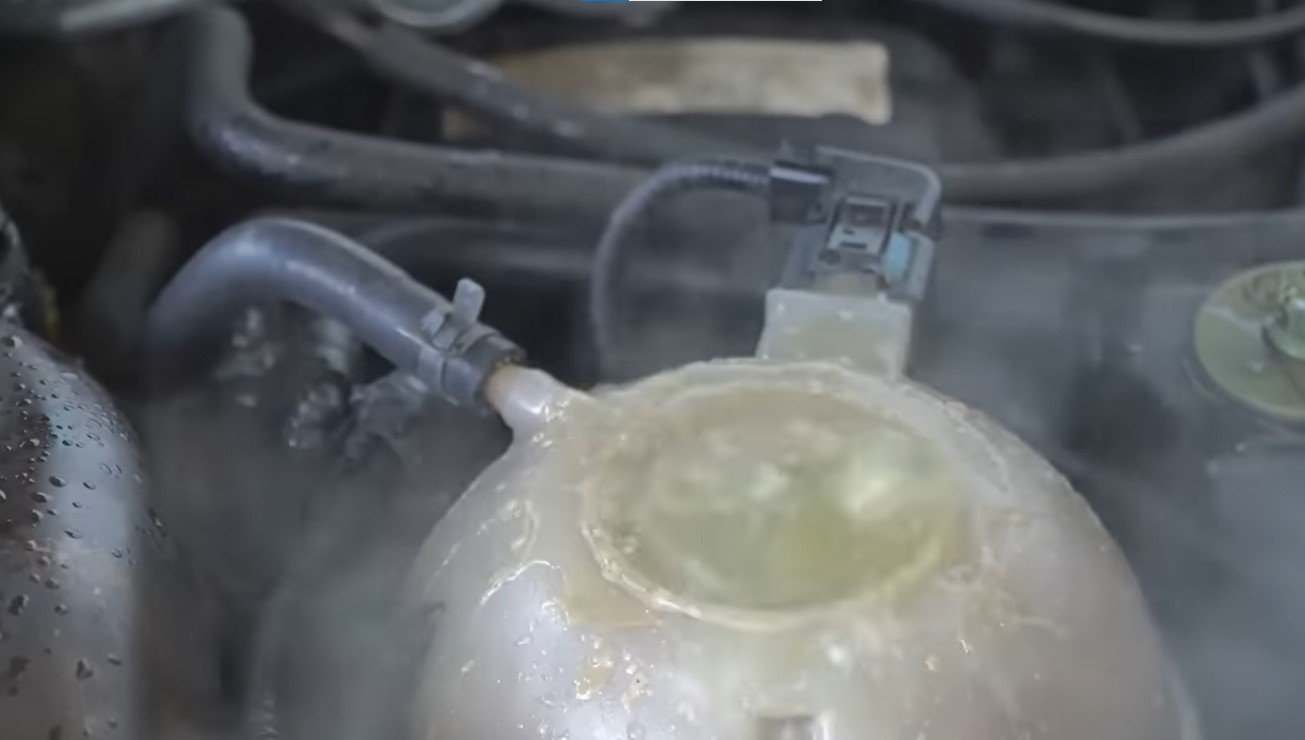
Steam means coolant is boiling or reaching a very hot surface. Pull over safely, turn off the engine, and leave the pressurized cooling system closed until it cools fully.
Under-hood steam is different from persistent white exhaust smoke. Steam can result from an external leak or overheating. Thick white exhaust after warm-up suggests coolant may be entering the combustion chambers, often through a head-gasket or cylinder head problem. Pump failure may cause overheating that contributes to such damage, but white exhaust is not direct proof of a faulty pump.
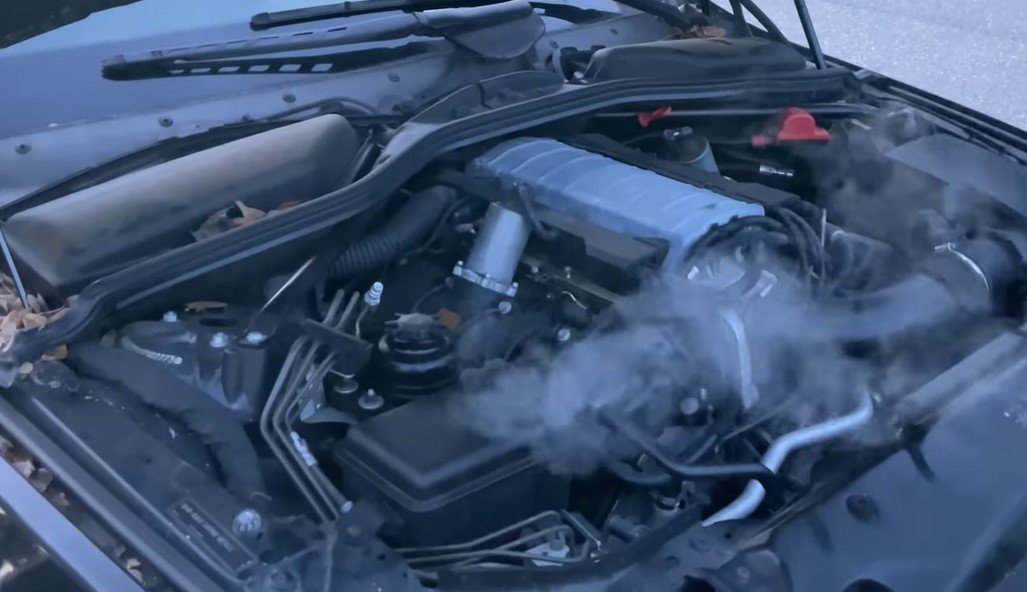
Among all bad water pump symptoms, steam and a red temperature warning require the fastest response: stop driving.
9. Coolant Contaminates the Oil on Certain Engines
This sign is uncommon and model-specific. On some engines with an internally mounted water pump, a failed seal can send coolant into the crankcase instead of onto the ground. Possible clues include unexplained coolant loss, a rising oil level, or milky oil on the dipstick or during an oil change.
Head-gasket and other internal-engine problems can produce similar contamination. Condensation may also create a creamy deposit under the oil cap after frequent short trips, so the cap alone is not enough for a diagnosis.
This rare pattern remains one of the important bad water pump symptoms for applicable engines because coolant-contaminated oil cannot protect bearings properly. Avoid running the engine until the cause has been identified.
Can Bad Water Pump Symptoms Appear Without a Leak?
Yes. A broken or slipping impeller, seized shaft, or failed electric motor can weaken circulation while the pump housing remains dry. The engine may overheat, cabin heat may become inconsistent, or an electric-pump fault may appear without a visible puddle.
When no leak is present, combine the bad water pump symptoms with physical and vehicle-specific evidence. RPM-related bearing noise, pulley play, abnormal temperature under load, weak heat, or an electric-pump circuit fault can justify further testing. They still do not eliminate the thermostat, fan, radiator, sensor, hoses, coolant level, or head gasket.
What Other Problems Mimic Bad Water Pump Symptoms?
| Pattern | More likely possibilities |
|---|---|
| Coolant at the weep hole plus bearing noise | Water-pump seal and bearing failure |
| Very slow warm-up with consistently weak heat | Thermostat stuck open |
| Rapid overheating with a dry, quiet pump | Thermostat stuck closed, failed pump, low coolant, or restriction |
| Temperature rises at idle but improves at road speed | Cooling-fan or airflow problem |
| Uneven hot and cold areas across the radiator | Restricted radiator |
| Persistent white exhaust, misfire, or combustion gas in coolant | Head-gasket or internal-engine problem |
| Gauge reading conflicts with scan data or actual temperature | Sensor, wiring, gauge, or control issue |
This is why bad water pump symptoms should guide diagnosis rather than trigger an automatic parts purchase.
How Mechanics Confirm Bad Water Pump Symptoms
Diagnosis starts with a cold engine. Check the coolant level and condition, then inspect the pump, weep hole, mounting surface, hoses, thermostat housing, radiator, and reservoir for wetness or dried residue. An accessible belt can be checked for glazing, cracking, fraying, contamination, and uneven wear—with the engine off.
A cooling-system pressure test can reveal a leak that appears only under pressure. Depending on the design, a technician may inspect pulley play, bearing roughness, belt alignment, temperature differences, coolant flow, and scan-tool data. Electric pumps may require an activation test plus circuit and power-supply checks.
Diagnostic codes need context. An overtemperature code may record the consequence without identifying the cause. An electric-pump performance code narrows the search but does not rule out damaged wiring, a poor connector, low voltage, trapped air, or another cooling-system fault.
Avoid opening a hot cap to look for coolant movement. Besides the burn risk, thermostat position, pump speed, trapped air, and cooling-system design can make a visual flow check misleading.
Can You Drive When Bad Water Pump Symptoms Appear?
If the pump is confirmed to be failing, driving is not recommended. A minor leak can suddenly become severe, and a noisy bearing may seize with little warning. There is no dependable “safe number of miles” because the risk changes with coolant level, failure type, engine load, weather, and pump design.
Arrange a tow if the vehicle has steam, rapid coolant loss, a red temperature warning, loud grinding, major pulley wobble, overheating-related reduced power, or suspected coolant in the oil. Serious bad water pump symptoms can turn a cooling-system repair into an engine replacement.
Water Pump Replacement Cost and Related Parts
Replacement cost depends heavily on access. A pump behind a timing cover, inside the engine, or within an electric assembly can require several hours of labor, additional seals, coolant, and special bleeding procedures.
When a timing belt drives the pump and the belt is near its service interval, replacing the belt, tensioner, and idlers during the same job can avoid duplicated labor. This does not apply to every vehicle; pumps may also be driven by a serpentine belt, timing chain, or electric motor.
After installation, the system needs the correct coolant and proper bleeding. Trapped air can reproduce bad water pump symptoms such as weak heat, fluctuating temperature, or overheating even when the new pump works correctly.
Preventing Premature Water Pump Failure
Use the coolant specification listed for the vehicle—color alone does not prove compatibility. Avoid mixing formulas unless the manufacturer allows it. Replace degraded coolant at the recommended interval, repair small leaks, and keep the belt and tensioner in good condition.
Do not rely on stop-leak products as a permanent repair. Incorrect gasket preparation, excessive sealant, improper bolt torque, belt misalignment, and incomplete bleeding can also shorten the life of a replacement pump.
There is no universal water-pump lifespan. Design, coolant maintenance, belt tension, driving conditions, and installation quality all matter. Follow the vehicle manufacturer’s schedule rather than replacing the pump solely because it has reached a generic mileage figure.
Frequently Asked Questions
What is usually the first sign of a bad water pump?
A small coolant leak, dried residue, sweet smell, or new RPM-related noise may appear before overheating. The first clue depends on whether the seal, bearing, impeller, drive system, or electric motor is failing.
What does a failing water pump sound like?
It may whine, chirp, squeal, rumble, or grind, and the sound often follows engine RPM. Several neighboring components can make the same noises, so the source should be isolated before replacing the pump.
Will a bad water pump turn on the check engine light?
It can, especially if the engine overheats or an electric pump has a monitored fault. A mechanical pump may fail without illuminating the check engine light.
How can you tell a bad water pump from a bad thermostat?
A leak at the pump, bearing noise, or pulley play points more strongly toward the pump. Thermostats are usually silent. A stuck-open thermostat commonly causes slow warm-up, while a stuck-closed thermostat and a failed pump can both cause overheating.
Should the pump be replaced with the timing belt?
Often, yes—if the timing belt drives the pump and both jobs share substantial labor. Follow the manufacturer’s service interval and inspect the tensioner and idlers at the same time.
Kevin Nicholas is an automotive mechanic and editor of The Effective Guide. He writes about warning lights, car problems, and diagnostic tools, helping drivers understand what to check before replacing a part.