
You turn the key or press the start button. The starter spins the engine, and everything sounds almost normal. But the engine never catches.
When your engine cranks but won’t start, the starter is doing at least part of its job. Something else is preventing the engine from running.
For a gasoline engine to start, it needs the right amount of fuel, properly timed spark, sufficient compression, correct mechanical timing, and working electronic controls. Diesel engines rely on compression ignition instead of spark plugs.
The trick is identifying what’s missing before replacing parts. A failed fuel pump, crankshaft sensor, weak electrical connection, or timing problem can produce similar symptoms, but they require very different repairs.
Quick Answer: If your engine turns over but won’t start, first check cranking speed, battery connections, fuel level, and the security warning light. Common causes include low fuel pressure, missing ignition spark, crankshaft sensor faults, immobilizer problems, and incorrect engine timing. If these basic checks don’t reveal the issue, testing fuel pressure, ignition, engine-speed signals, and compression can identify the missing requirement.
What Does It Mean When Your Engine Cranks But Won’t Start?
Cranking means the starter motor is rotating the engine’s crankshaft. Starting happens when combustion takes over and the engine runs on its own.
These are different problems:
| Starting Condition | What It Usually Means |
|---|---|
| No crank | The engine doesn’t turn. Battery, starter, electrical, or starting-system faults are possible. |
| Slow crank | The engine turns sluggishly. Low voltage, poor connections, starter problems, or mechanical resistance may be involved. |
| Crank but no start | The engine turns but doesn’t run. Fuel, ignition, timing, compression, or electronic-control problems are possible. |
A working starter doesn’t prove that the battery, fuel system, or engine electronics are healthy. It only confirms that the engine is being rotated.
Engine Cranks But Won’t Start? Start With These 5 Checks
Before buying a fuel pump or sensor, spend a few minutes checking the basics.
- Listen to the cranking speed. Does the engine turn at its usual rhythm, unusually slowly, or much faster than normal?
- Check the battery connections. Look for loose terminals, obvious corrosion, or damaged cables. A weak battery can still crank an engine while voltage drops too low for other systems.
- Confirm the fuel level. Don’t rely entirely on the gauge if the reading seems suspicious.
- Look at the security indicator. A flashing or persistent immobilizer warning may indicate that the vehicle isn’t recognizing the key.
- Scan for trouble codes. An OBD2 scanner may reveal useful clues, even when the check engine light isn’t illuminated.
If the engine cranks unusually fast after suddenly stalling, avoid repeated starting attempts until a mechanical timing problem has been ruled out.
8 Common Reasons an Engine Cranks But Won’t Start
1. Fuel Pump or Fuel Pressure Problem
A gasoline engine needs adequate fuel pressure and delivery. A failed pump, relay, fuse, wiring connection, or fuel pump control module can prevent starting.
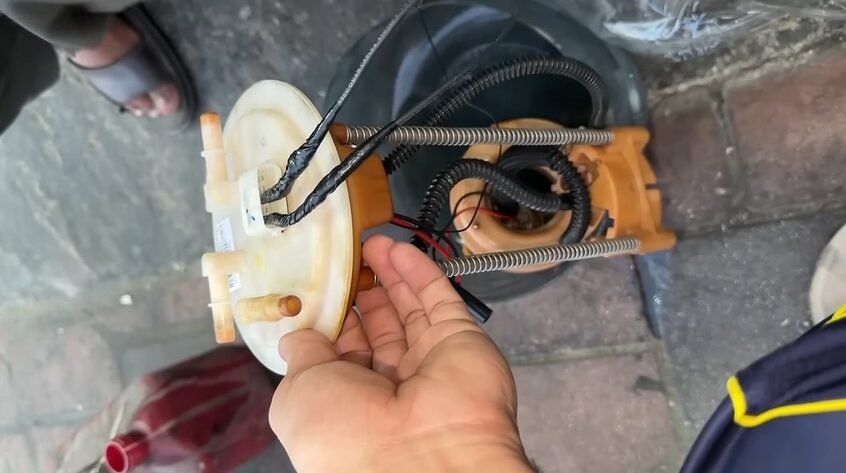
Hearing a brief fuel pump hum doesn’t prove the pump is producing the required pressure. Some vehicles also don’t prime the pump every time the ignition is switched on.
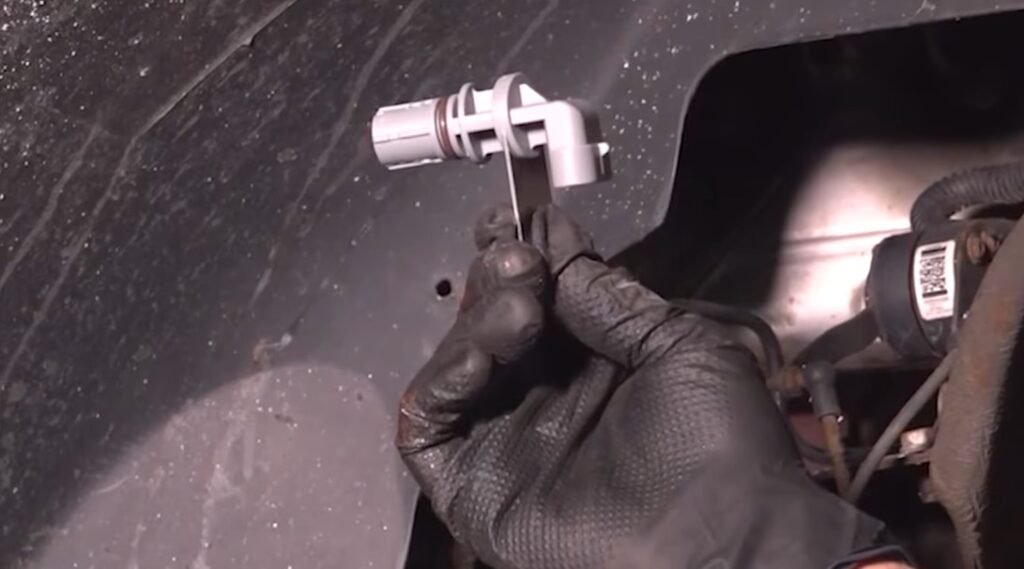
2. Bad Crankshaft Position Sensor
The engine computer uses the crankshaft position sensor to determine engine speed and crankshaft position.
If the signal disappears, some vehicles lose ignition or fuel injection control. A failing sensor may also cause an intermittent hot no-start condition.
3. Ignition System Isn’t Producing Spark
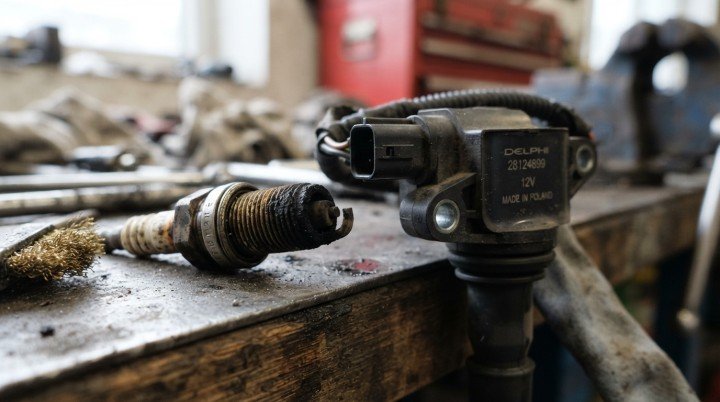
Gasoline engines require correctly timed ignition spark. Problems with coil power, ignition control circuits, wiring, or engine-position signals may prevent spark.
One defective coil usually causes a misfire rather than a complete no-start on a multi-cylinder engine.
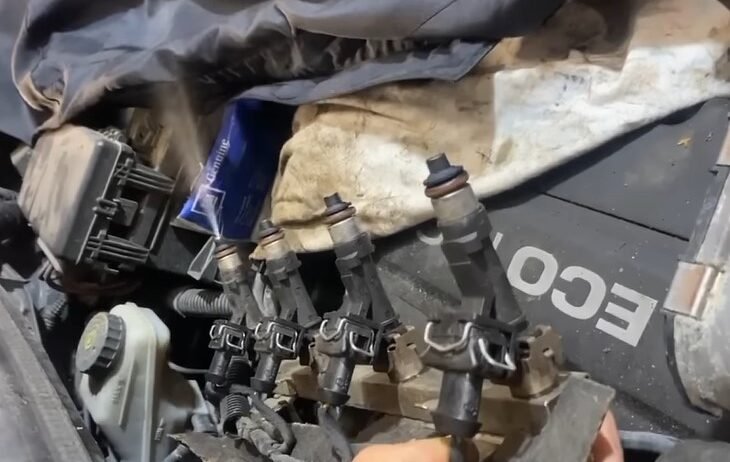
4. Fuel Injectors Aren’t Operating Correctly
Injectors must deliver the correct amount of fuel at the correct time. Missing injector power, control signals, or severe fuel-delivery problems can prevent starting.
A single clogged injector generally won’t stop an entire multi-cylinder engine from starting, but a shared electrical or control fault can affect multiple injectors.
5. Battery Voltage Drops Too Low
A starter may still rotate the engine while battery voltage falls too low for reliable ECU, ignition, or fuel-system operation.
Weak batteries, corroded terminals, and poor engine grounds can all contribute.

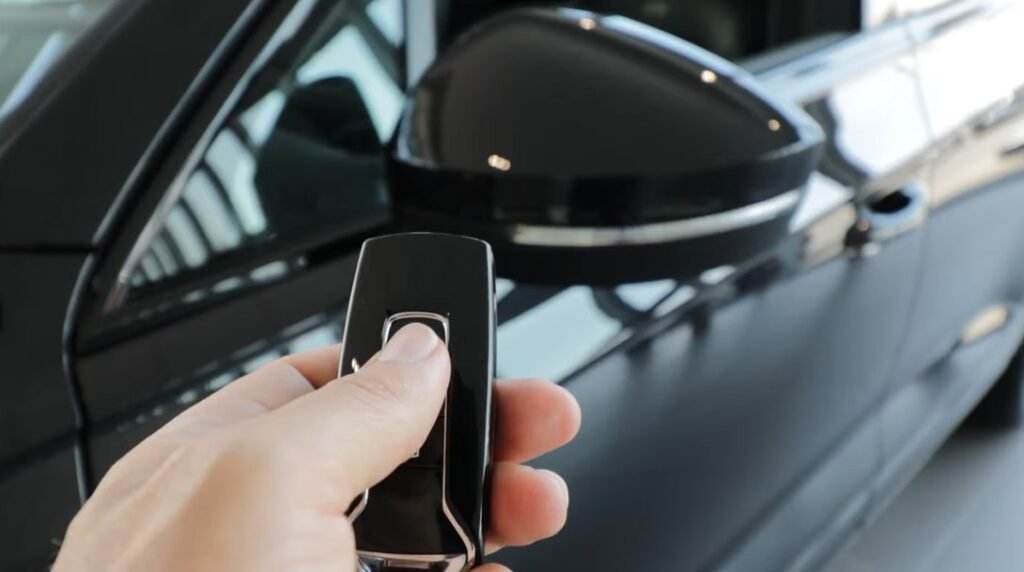
6. Immobilizer Doesn’t Recognize the Key
Modern anti-theft systems may prevent engine operation when key authorization fails.
Depending on the vehicle, the engine may crank without starting or briefly start before shutting off.
7. Timing Belt, Timing Chain, or Compression Failure
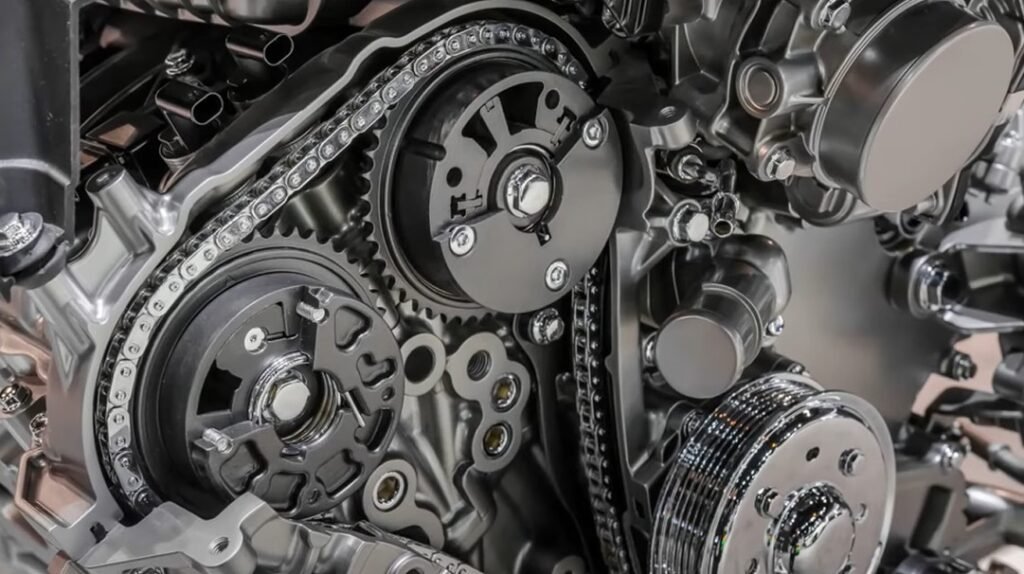
A broken timing belt, jumped timing chain, or serious compression problem can prevent combustion even when fuel and spark are available.
Unusually fast or uneven cranking may be an important clue.
8. Engine Flooding or Incorrect Air-Fuel Mixture
Too much fuel can make a gasoline engine difficult to start. Faulty sensor inputs, leaking injectors, or incorrect air-fuel control may be responsible.
Some vehicles have a clear-flood starting procedure, but it varies by manufacturer and shouldn’t replace proper diagnosis.
What Does the Way Your Engine Cranks Tell You?
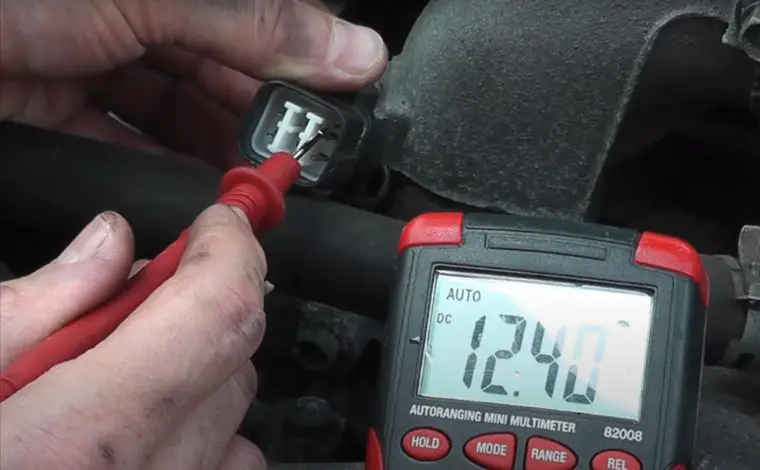
The sound and behavior during starting can help narrow down the next diagnostic step.
| What Happens | Possible Diagnostic Direction |
|---|---|
| Cranks normally but never fires | Fuel delivery, ignition, sensors, security, or mechanical timing |
| Cranks unusually fast | Low compression or valve timing problem |
| Cranks slowly | Battery, cables, starter, or mechanical resistance |
| Fires briefly, then stalls | Fuel pressure, immobilizer, or mixture control |
| Starts after several attempts | Fuel-pressure loss or intermittent electrical fault |
| Backfires while cranking | Incorrect timing, mixture, or ignition-related problem |
These are clues, not confirmed diagnoses. Two vehicles with the same cranking behavior may have completely different faults.
How to Tell Whether Your Engine Is Missing Fuel or Spark
Fuel and ignition problems often sound similar from the driver’s seat. Proper testing separates them.
Signs of a Fuel Delivery Problem
Low fuel pressure, missing pump power, or absent injector operation can prevent combustion.
A mechanic may measure fuel pressure against the manufacturer’s specification and check injector control signals.
Signs of an Ignition Problem
On gasoline engines, missing spark may result from ignition power, coil control, wiring, or crankshaft and camshaft signal faults.
Technicians use appropriate spark-testing equipment rather than holding ignition components by hand.
What If You Have Spark but the Engine Still Won’t Start?
Spark alone isn’t enough. The engine also needs the correct fuel mixture, adequate compression, and proper timing.
Fuel-pressure and compression testing may be necessary when spark is present but the engine never fires.
Safety Note: Modern fuel systems can operate at extremely high pressure, and ignition systems generate dangerous voltage. Don’t loosen fuel lines or improvise spark tests. Leave those procedures to someone with the correct equipment and training.
Why Your Car Cranks but Won’t Start Without a Check Engine Light
A missing check engine light doesn’t mean the engine computer has found no problem.
Some faults don’t immediately meet the conditions required to set a diagnostic trouble code. Others may appear only as pending codes or live-data abnormalities.
Mechanical failures, low fuel pressure, and certain wiring problems may also occur without an obvious dashboard warning.
An OBD2 scanner is useful, but it shouldn’t be the only diagnostic tool. A vehicle can have a genuine crank-no-start problem without a stored code.
Engine Cranks But Won’t Start When Hot
If your car starts normally when cold but refuses to restart after a drive, temperature-sensitive components deserve attention.
A failing crankshaft position sensor may stop providing a reliable signal when hot, then work again after cooling.
Fuel pumps, relays, wiring connections, and other electrical components can also fail intermittently as temperatures rise.
The most useful diagnostic information often comes from testing the vehicle while the failure is happening.
If this pattern sounds familiar, see our guide to bad crankshaft position sensor symptoms for additional warning signs.
Engine Cranks But Won’t Start After Sitting Overnight
When the engine refuses to start after sitting for several hours, consider fuel-pressure loss, weak battery performance, and temperature-related faults.
A leaking fuel-system check valve or injector may allow fuel pressure to drop while the vehicle is parked. However, pressure loss alone doesn’t confirm which component is responsible.
Cold temperatures can also expose a weak battery, while moisture may affect damaged ignition wiring.
If the engine consistently needs several attempts after sitting overnight, testing fuel pressure and cranking voltage can help identify the cause.
Engine Cranks But Won’t Start After Getting Gas
A car that struggles to start immediately after refueling may have a problem with its evaporative emissions system.
One possibility is an EVAP purge valve stuck open. This can allow excessive fuel vapor into the intake during starting and upset the air-fuel mixture.
Incorrect fuel or contaminated fuel can also cause starting problems, particularly when symptoms begin immediately after filling the tank.
Don’t automatically replace the purge valve. The symptom should be confirmed through appropriate testing.
Engine Cranks But Won’t Start After a Jump-Start or Battery Replacement
If the starter now turns normally but the engine still won’t fire, check whether the battery terminals and ground connections are secure.
A jump-start may improve cranking speed without resolving an unrelated fuel, ignition, or security problem.
Some vehicles may also have key-recognition or electronic faults after power interruptions, although normal battery replacement shouldn’t automatically prevent starting.
Measure battery voltage during cranking and inspect relevant fuses before assuming a major component has failed.
Car Stalled While Driving and Now Cranks but Won’t Start
A sudden stall followed by normal cranking can point toward fuel delivery, crankshaft sensor signals, or electrical power to engine controls.
However, a mechanical timing failure is another possibility, especially if the engine now cranks much faster or sounds different.
Think about what happened immediately before the stall. Did the engine sputter, lose power gradually, shut off instantly, or make an unusual mechanical noise?
Those details help a mechanic choose the right tests.
If mechanical damage is suspected, stop cranking and arrange towing rather than repeatedly trying to restart the engine.
Can a Bad Crankshaft Position Sensor Prevent Starting?
Yes. On many modern vehicles, the engine computer needs a valid crankshaft position signal to control ignition and fuel injection accurately.
A missing or incorrect signal can cause an engine to crank without starting.
Codes such as P0335 may indicate a crankshaft position sensor circuit problem, but the sensor itself isn’t always defective.
Damaged wiring, poor connections, incorrect sensor installation, and mechanical timing faults may produce related symptoms.
A technician may inspect live engine RPM during cranking and test the sensor signal directly. An absent RPM reading can be a useful clue, although scanner behavior varies by vehicle.
What If Your Engine Has Fuel and Spark but Still Won’t Start?
Having fuel and spark doesn’t guarantee that combustion can occur.
The engine may have insufficient compression, incorrect valve timing, badly timed ignition, excessive fuel, or inadequate airflow.
For example, a timing chain that has jumped several teeth can disrupt valve operation even though the starter, injectors, and ignition system still function.
Likewise, a flooded gasoline engine may receive plenty of fuel but have a mixture too rich to ignite properly.
When basic fuel and ignition checks pass, compression and mechanical timing become important next steps.
How Mechanics Diagnose an Engine That Cranks but Won’t Start
A good diagnostic process identifies which starting requirement is missing before recommending repairs.
- Check cranking voltage. Confirm the battery and electrical connections can support the starter and engine controls.
- Scan codes and live data. Look for relevant trouble codes, engine RPM, temperature readings, and security-related information.
- Verify ECU power and grounds. Inspect appropriate fuses, relays, and electrical circuits.
- Measure fuel pressure and injector operation. Compare results with vehicle specifications.
- Check ignition spark. On gasoline engines, confirm that spark is present and correctly controlled.
- Test compression and timing. Investigate mechanical faults if electrical and fuel-system checks don’t explain the failure.
Diesel engines require a different diagnostic approach involving fuel injection pressure, compression ignition, and applicable starting aids.
A Simple Way to Think About Crank-No-Start Diagnosis
Normal cranking? Check fuel delivery, ignition, engine-position signals, and security authorization.
Slow cranking? Check battery voltage, cables, starter performance, and mechanical resistance.
Unusually fast cranking? Investigate compression and mechanical timing before further starting attempts.
Fuel and spark confirmed? Check compression, timing, mixture, and injector operation.
When Should You Stop Trying to Start the Engine?
Repeated cranking won’t fix a failed sensor, fuel pump, or timing component. It can also overheat the starter and drain the battery.
Stop attempting to start the engine if you notice:
- Unusually fast cranking after a sudden stall.
- Grinding, knocking, or other abnormal mechanical noises.
- Strong fuel odor or visible fuel leakage.
- Smoke, overheating, or signs of electrical damage.
- Repeated unsuccessful attempts with no improvement.
Follow your owner’s manual for starting-attempt limits and cooling intervals. If the cause remains unclear, professional diagnosis is safer than continued guessing.
How Much Does It Cost to Fix a Crank-No-Start Problem in 2026?
The cost depends entirely on which system has failed. A loose battery connection may be inexpensive, while a timing failure can require major engine work.
These are broad US repair planning estimates, including typical parts and labor where applicable.
| Possible Repair | Estimated US Cost |
|---|---|
| Battery or terminal repair | $30–$350 |
| Crankshaft position sensor | $150–$450 |
| Ignition coil replacement | $100–$350 |
| Fuel pump replacement | $400–$1,200+ |
| Fuel injector replacement | $150–$600+ per injector |
| Key or immobilizer programming | $100–$400+ |
| Timing belt or chain repair | $500–$2,500+ |
Diagnostic labor may be charged separately. Vehicle design, regional labor rates, and additional damage can also change the final cost significantly.
Ask the repair shop what testing confirmed the failed component before approving an expensive replacement.
Frequently Asked Questions
Can a weak battery cause an engine to crank but not start?
Yes. A weak battery may rotate the starter while voltage drops too low for reliable ignition, fuel injection, or engine computer operation. Testing voltage during cranking can help identify the problem.
Why does my engine crank but not start even though I have gas?
Fuel in the tank doesn’t guarantee proper fuel pressure or injector operation. Ignition, crankshaft sensor, immobilizer, compression, and timing problems can also prevent starting.
Can a bad fuel pump cause normal cranking without starting?
Yes. The starter can rotate the engine normally while a failed fuel pump prevents sufficient fuel from reaching the injectors. Fuel-pressure testing is needed to confirm the problem.
Why does my car start after several attempts?
Possible causes include fuel-pressure loss, weak electrical connections, intermittent sensors, or mixture problems. The pattern of failure and test results help narrow down the cause.
Can a bad alternator cause a crank-no-start condition?
Indirectly, yes. A failed alternator may leave the battery undercharged, resulting in insufficient voltage during starting. However, an alternator doesn’t normally supply the primary electrical power while the engine is initially cranking.
Can a clogged fuel filter prevent an engine from starting?
Yes. A severely restricted fuel filter can reduce fuel delivery enough to cause a no-start condition. However, other fuel-system faults can produce similar symptoms.
Will a bad crankshaft sensor always trigger a code?
No. Some intermittent sensor faults may not immediately store a code. Live-data checks and direct signal testing may be needed when symptoms suggest a crankshaft position problem.
Can a broken timing belt cause the engine to crank faster than normal?
Yes. A broken timing belt may prevent the valves from operating correctly, reducing compression and making the engine sound unusually fast during cranking. Stop repeated attempts if this is suspected.
Final Verdict: What Is Your Engine Missing?
When your engine cranks but won’t start, the problem usually involves fuel delivery, ignition on gasoline engines, compression, mechanical timing, or electronic control.
Start with the simple checks: battery condition, fuel level, cranking behavior, security warnings, and trouble codes.
If those checks don’t reveal the cause, fuel-pressure, ignition, sensor-signal, and compression testing can narrow it down.
The most expensive mistake is replacing parts based on a guess. Find out which starting requirement is missing first, then repair the confirmed fault.

Kevin Nicholas is an automotive mechanic and editor of The Effective Guide. He writes about warning lights, car problems, and diagnostic tools, helping drivers understand what to check before replacing a part.