
You’re merging onto the highway, so you press the gas. The engine gets louder, the tachometer jumps from 2,000 to 4,000 RPM, but your car barely picks up speed.
That’s a frustrating feeling, especially when you’re trying to keep up with traffic.
When the RPM goes up but your car won’t accelerate normally, the problem often involves how engine power reaches the wheels. A slipping transmission or worn clutch is a possibility, but it isn’t the only explanation.
Sometimes, what feels like slipping is actually a normal downshift or typical CVT behavior.
The key is understanding the difference before paying for an expensive transmission repair.
Why Your Car Won’t Accelerate Even Though RPM Goes Up
Quick answer: When engine RPM rises sharply without a matching increase in vehicle speed, the transmission, clutch, torque converter, or drivetrain may not be transferring power effectively.
However, normal automatic downshifts, CVT operation, wheelspin, and certain transmission control problems can create similar symptoms.
An engine that struggles to produce power usually behaves differently. It may hesitate, misfire, or refuse to rev normally.
When the engine revs freely but the car barely moves, the first concern is often somewhere between the engine and the wheels.
That doesn’t automatically mean the transmission needs replacing.
How Engine RPM and Vehicle Speed Are Connected
The engine produces torque, but that torque must travel through several components before it moves your vehicle.
In a manual transmission, the clutch connects engine power to the gearbox. In a conventional automatic, a torque converter and internal clutches help manage power transfer.
CVTs use a different system to vary the drive ratio continuously.
Because gear ratios change, engine RPM and road speed don’t always rise at the same rate. A brief RPM increase during a downshift can be perfectly normal.
The warning sign is a sustained or repeated RPM flare when the vehicle fails to accelerate as expected.
10 Reasons RPM Goes Up but Your Car Won’t Accelerate
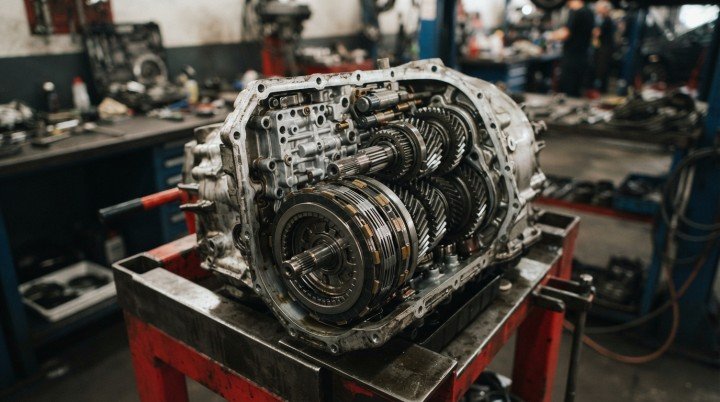
1. Automatic Transmission Is Slipping
Automatic transmissions use internal friction components and hydraulic pressure to transfer power through different gear ratios.
When those components slip excessively, engine RPM can rise without a corresponding increase in speed.
You might notice the engine revving between shifts, delayed acceleration, or a sudden RPM flare when climbing a hill.
Possible causes include worn clutch packs, pressure-control problems, and internal hydraulic leaks.
Before assuming the transmission is finished, read our guide on transmission slipping symptoms to understand how slipping differs from other shifting problems.
2. Low or Incorrect Transmission Fluid
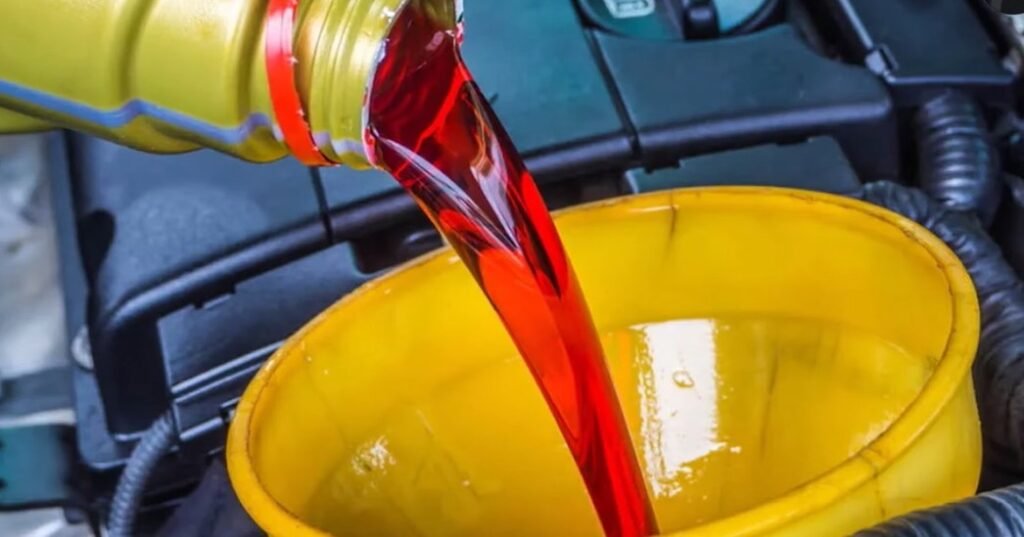
Many automatic transmissions rely on fluid pressure to operate clutches and control gear changes.
Insufficient fluid can cause delayed engagement, slipping, overheating, or erratic shifts.
Leaks may develop around seals, lines, the transmission pan, or other components.
Using the wrong fluid can also affect operation. Some transmissions require specific formulations that aren’t interchangeable.
Don’t assume every vehicle has a dipstick. Many modern transmissions require a particular temperature and service procedure to check fluid level accurately.
3. Worn or Contaminated Manual Clutch
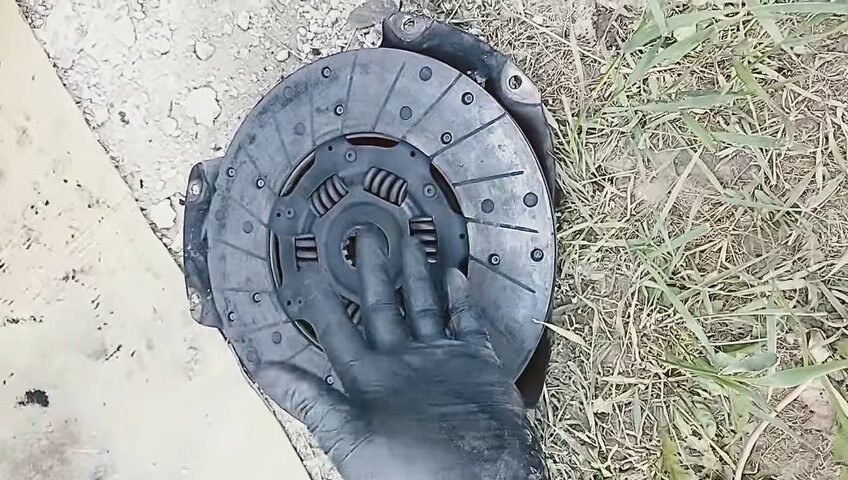
In a manual car, the clutch must grip firmly enough to transfer engine torque to the transmission.
When the friction disc wears or becomes contaminated with oil, it may slip under load.
A classic symptom is RPM climbing rapidly while road speed barely changes, particularly when accelerating uphill.
You may also notice a burning smell after demanding driving.
Clutch slip can involve worn friction material, reduced clamping force, or a release-system problem.
4. CVT Transmission Problems
A continuously variable transmission doesn’t shift through fixed gear ratios like a conventional automatic.
During normal acceleration, a CVT may hold engine RPM relatively high while vehicle speed increases smoothly.
That behavior alone doesn’t prove slipping.
Actual CVT problems may involve hydraulic pressure, pulley control, belt or chain wear, overheating, or electronic faults.
Concerning signs include shuddering, warning lights, unusual noises, and poor acceleration that doesn’t match normal vehicle behavior.
5. Torque Converter Problems
The torque converter connects the engine to a conventional automatic transmission through fluid coupling.
Some converter slip is normal, especially when pulling away from a stop.
Problems with the converter or its lockup system can cause shuddering, inefficient power transfer, excessive heat, or abnormal RPM behavior.
However, a torque converter problem isn’t the default explanation every time RPM rises.
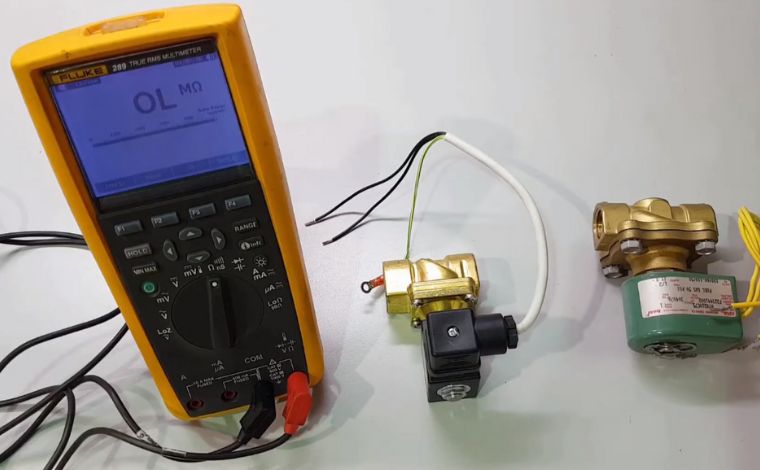
6. Shift Solenoid or Valve Body Fault
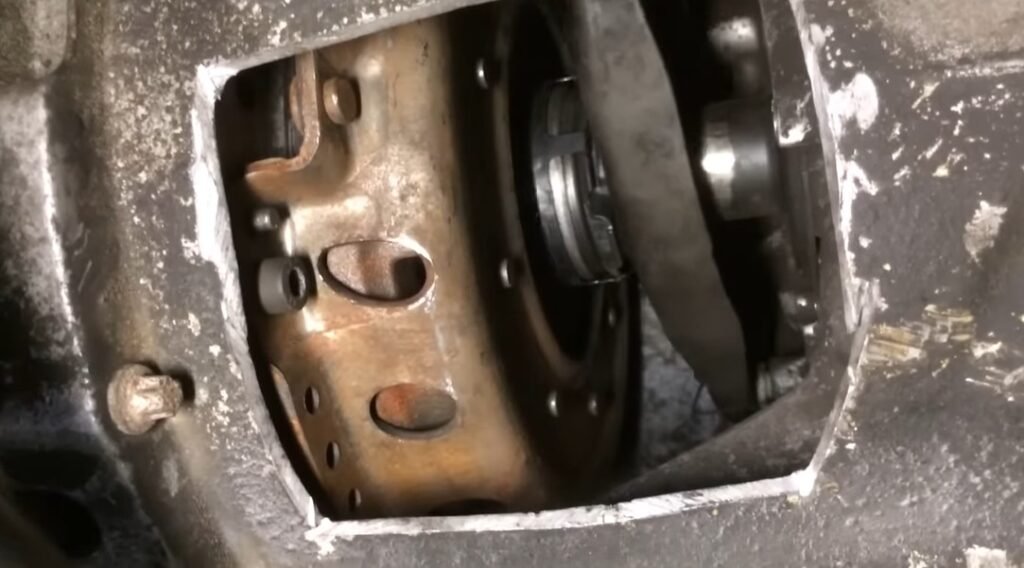
Automatic transmissions use electronic controls and hydraulic passages to manage shifting and clutch pressure.
A faulty solenoid, valve body, wiring connection, or pressure-control system can produce delayed shifts, harsh engagement, or RPM flares.
Some faults may feel like internal transmission wear even when the problem is primarily electrical or hydraulic.
A trouble code pointing to a solenoid circuit doesn’t automatically mean the solenoid itself has failed.
7. Broken CV Axle or Other Drivetrain Component
If the engine revs but the car barely moves—or doesn’t move at all—the problem may be beyond the transmission.
A damaged CV axle, driveshaft, differential component, or related connection can interrupt power transfer.
Some failures happen suddenly, accompanied by a clunk, clicking noise, or complete loss of drive.
Don’t keep accelerating to force the vehicle to move. That can make the situation worse.
8. Transmission Limp Mode or Incorrect Gear Selection
When a transmission control system detects certain faults, it may restrict available gears or change shifting behavior.
The engine may run at unusually high RPM while the vehicle accelerates poorly.
Manual shift mode, low gear selection, or sport settings can also keep RPM higher than expected without indicating a failure.
Check the gear display and dashboard warnings before assuming the transmission is slipping.
9. Wheelspin or Traction Loss
On wet, icy, muddy, or loose surfaces, the driven wheels may spin faster than the vehicle moves.
The engine can rev while actual road speed increases slowly.
Traction control may intervene by reducing engine power or applying individual brakes.
A flashing traction-control indicator is a useful clue.
If the problem occurs only on slippery surfaces, it may not be a transmission problem at all.
10. Brake Drag or Excessive Rolling Resistance
A sticking brake caliper can make a vehicle feel sluggish and require more throttle to accelerate.
Possible signs include a hot wheel, burning smell, pulling to one side, or unusual brake wear.
Brake drag doesn’t usually produce the classic sustained RPM flare associated with a slipping transmission, but it can make acceleration feel unusually weak.
Our sticking brake caliper symptoms guide covers the warning signs in more detail.

Transmission Slipping vs Normal High RPM: How to Tell
Before deciding that your car won’t accelerate because of transmission failure, compare what you notice with these common patterns.
| What You Notice | More Likely Explanation |
|---|---|
| RPM flares during a gear change | Possible automatic transmission slip |
| Manual car revs uphill without gaining speed | Possible worn clutch |
| High steady RPM with smooth CVT acceleration | May be normal CVT operation |
| High RPM and limited available gears | Gear selection or transmission control issue |
| Engine won’t rev normally and feels weak | Possible engine power problem |
| Engine revs but car won’t move | Transmission engagement or drivetrain failure |
| RPM rises while tires spin | Traction loss |
If the engine itself hesitates or struggles, the diagnosis may lead elsewhere. For example, our car jerks when accelerating guide</a discusses common engine and drivability causes that can feel like transmission trouble.
7 Things to Check Before Replacing the Transmission
Replacing a transmission is expensive. A careful diagnosis can reveal whether the problem is internal damage, a control fault, a fluid issue, or something outside the transmission.
- Confirm the RPM-to-speed mismatch. Notice whether the engine revs without a matching increase in speed. Don’t deliberately force the problem with hard acceleration.
- Record when it happens. Is it during shifts, uphill, after warming up, or when pulling away from a stop?
- Check warning lights. Transmission, check engine, and traction-control indicators may help identify the affected system.
- Scan the correct modules. A generic engine scanner may not access every transmission code. Retrieve available codes and freeze-frame information.
- Look for fluid leaks. Inspect accessible areas safely, without crawling beneath an unsupported vehicle.
- Verify the fluid correctly. Use the manufacturer-approved checking procedure, temperature range, and fluid specification.
- Confirm the failure. Professional testing may include hydraulic pressure, input/output speed data, clutch assessment, or drivetrain inspection.
If a warning light appears, our check engine light guide</a explains why reading the code is only the beginning of diagnosis.
Why Does My Car Rev but Barely Move in Drive?
If you shift into Drive and the engine revs while the vehicle barely moves, possible causes include delayed transmission engagement, low hydraulic pressure, severe internal slipping, or a damaged axle.
Whether Reverse still works can provide a useful clue, although it doesn’t identify the failed component by itself.
If the vehicle doesn’t move reliably, don’t keep pressing the accelerator. Arrange an inspection or towing instead.
Why Does My Car Rev High but Accelerate Slowly Uphill?
Climbing a hill increases the load on the drivetrain, making an existing slipping clutch or transmission problem more noticeable.
But an automatic transmission may normally downshift uphill, raising RPM to provide more power.
A CVT may also hold a higher engine speed while climbing.
The important distinction is whether the vehicle continues gaining speed appropriately or the engine races without useful acceleration.
Why Does the Transmission Slip Only When Hot?
Heat can expose problems involving hydraulic pressure, worn seals, internal clutch components, or transmission controls.
As operating temperature changes, an already marginal transmission may begin slipping or shifting abnormally.
Overheating can also worsen fluid degradation and internal wear.
Tell the technician whether the problem appears after a particular driving time, in traffic, or only when the vehicle is fully warmed up.
Testing while the symptom is present may be more revealing than checking the vehicle cold.
Can Low Transmission Fluid Cause High RPM and Poor Acceleration?
Yes. In transmissions that rely on hydraulic pressure, insufficient fluid can interfere with clutch application and gear engagement.
But low fluid isn’t the only reason a transmission slips, and not every vehicle uses the same fluid-checking procedure.
Using incorrect fluid or overfilling can also create problems.
If the level is low, the underlying leak or cause should be addressed. Simply adding fluid repeatedly isn’t a lasting repair.
Will a Transmission Flush or Additive Fix Slipping?
Don’t count on it.
A fluid service may be appropriate when maintenance is due or a confirmed fluid-related issue exists.
However, fresh fluid and additives cannot rebuild worn clutch friction material or repair broken internal components.
A transmission flush isn’t a guaranteed cure for slipping, and the wrong service procedure or fluid can create additional problems.
Find out why the transmission is slipping before paying for a flush, additive, or major repair.
Is It Safe to Drive When RPM Goes Up but the Car Won’t Accelerate?
Important: Continued transmission or clutch slipping can generate excessive heat and increase internal wear. Unreliable acceleration also creates a safety risk when merging, crossing intersections, or climbing hills.
Stop driving and arrange assistance if the vehicle barely moves, loses drive, produces a strong burning smell, makes grinding noises, or displays a serious transmission warning.
Don’t repeatedly accelerate hard to see whether the problem disappears.
If the vehicle cannot maintain reliable acceleration, towing is safer than trying to reach a repair shop under its own power.
How Much Does It Cost to Fix High RPM With Poor Acceleration?
The repair could involve a simple fluid-level correction or a major internal transmission problem. Vehicle design, parts, labor rates, and diagnostic findings determine the actual cost.
| Repair Category | Possible Work Required |
|---|---|
| Transmission fluid leak | Seal, gasket, line, or connection repair |
| Incorrect fluid level | Proper fluid-level service |
| Shift solenoid or valve body | Electrical or hydraulic repair |
| Manual clutch | Clutch assembly and related component replacement |
| Torque converter | Converter replacement and related service |
| CV axle | Axle or joint replacement |
| Internal transmission damage | Transmission rebuild or replacement |
Ask the repair shop what testing confirms the recommended repair. A transmission replacement should be supported by diagnostic evidence, not just a high-RPM symptom.
Frequently Asked Questions
Why does my RPM go up but my speed stays the same?
A slipping clutch or transmission may be failing to transfer power effectively. Wheelspin and certain normal transmission behaviors can also create an RPM-to-speed mismatch.
Can a bad transmission cause the engine to rev without accelerating?
Yes. Excessive internal slipping, hydraulic pressure problems, or gear engagement faults can cause high RPM with little acceleration.
Can a worn clutch make RPM rise without speed increasing?
Yes. A worn or contaminated manual clutch may slip under load, especially during uphill acceleration.
Is it normal for a CVT to stay at high RPM?
Sometimes. CVTs may maintain higher engine RPM while adjusting their ratio for acceleration. Poor acceleration, shuddering, or warning lights deserve investigation.
Can low transmission fluid cause slipping?
Yes. Insufficient fluid may reduce hydraulic pressure in applicable transmissions. The level must be checked using the correct vehicle-specific procedure.
Can a bad torque converter cause poor acceleration?
Yes. Converter or lockup problems can affect power transfer, although some converter slip during launch is normal.
Why does my car rev but barely move in Drive?
Possible causes include severe transmission slip, delayed engagement, hydraulic pressure loss, or a damaged drivetrain component.
Should I keep driving if my transmission is slipping?
No, not when slipping is significant or acceleration is unreliable. Continued driving can increase heat, worsen damage, and create a traffic hazard.
Final Verdict: High RPM Without Speed Usually Points to Power Transfer
When your car won’t accelerate but the RPM rises, start by considering the transmission, clutch, and drivetrain—not automatically the engine.
Remember that normal downshifts and CVT operation can also produce higher RPM.
Check the symptoms, fluid condition, warning lights, and diagnostic data before replacing expensive components.
If the car barely moves or loses reliable acceleration, stop driving until the problem is identified.

Kevin Nicholas is an automotive mechanic and editor of The Effective Guide. He writes about warning lights, car problems, and diagnostic tools, helping drivers understand what to check before replacing a part.