
You turn the key or press the start button. The dashboard lights up, the headlights work, and maybe the radio plays normally. But the engine refuses to start.
It’s easy to assume the battery must be fine because the lights are working. Unfortunately, that isn’t how a car’s electrical system works.
If your car won’t start but lights come on, the problem could be a weak battery, corroded battery terminals, a faulty starter, or a starting-system control problem. A failing alternator can also contribute by leaving the battery discharged.
The fastest way to narrow it down is to pay attention to what happens when you try to start the engine.
Quick Answer: Working headlights don’t rule out a dead or weak battery. If you hear rapid clicking or slow cranking, check the battery and connections first. A single click may point toward the starter, but battery cables can cause the same symptom. If the engine cranks normally without starting, investigate fuel, ignition, and engine-control problems instead.
Why Won’t My Car Start Even Though the Lights Come On?
Your headlights, dashboard, and radio need much less electrical current than the starter motor.
A partially discharged battery may still power those accessories but fail when the starter demands a large amount of current.
Three major components are involved:
- Battery: Supplies electrical energy to start the engine.
- Starter: Turns the engine so combustion can begin.
- Alternator: Recharges the battery and supplies electrical power while the engine runs.
Before blaming any of them, determine whether the engine is actually turning over.
Clicking or No CrankStart with battery power, cables, starter, and starting controls.
Slow CrankingCheck battery condition, voltage drop, and starter load.
Normal CrankingInvestigate fuel, ignition, sensors, and engine operation.
Car Won’t Start But Lights Come On? Identify the Sound First
The sound you hear during a starting attempt often provides the best first clue.
Rapid Clicking but No Start
Repeated clicking commonly indicates low voltage reaching the starter solenoid. A weak battery or high-resistance battery connection is often responsible.
One Click but No Crank
A single solid click can indicate that the starter solenoid is engaging but the motor isn’t turning. A faulty starter is possible, but a weak battery or damaged cable can produce similar symptoms.
No Click and No Crank
Silence may point toward a starter relay, ignition switch, transmission safety interlock, immobilizer, or an interrupted electrical supply.
Slow Cranking
If the engine turns unusually slowly, suspect low battery power, excessive resistance in the cables, a worn starter, or increased mechanical resistance.
Normal Cranking but No Start
If the engine turns at its usual speed but never fires, the starter is already doing its basic job. Fuel delivery, ignition, sensor signals, compression, and timing become more relevant.
For that situation, see our engine troubleshooting resources for additional diagnosis guidance.
Battery vs. Starter vs. Alternator: How Can You Tell?
These components can produce overlapping symptoms, but their typical failure patterns differ.
| Symptom | Battery | Starter | Alternator |
|---|---|---|---|
| Rapid clicking | Common | Less typical | Possible indirectly |
| One solid click | Possible | Common | Possible indirectly |
| Slow cranking | Common | Possible | Possible if battery is discharged |
| Jump-start helps | Often | Usually not | May help temporarily |
| Battery warning light while driving | Not necessarily | Unrelated | Possible |
| Engine dies after electrical power drops | Possible | Unlikely | Possible |
The alternator normally doesn’t crank the engine. However, a failing alternator can leave the battery too weak to operate the starter.
That’s why battery testing and charging-system testing are often needed together.
8 Reasons Your Car Won’t Start Even Though the Lights Work
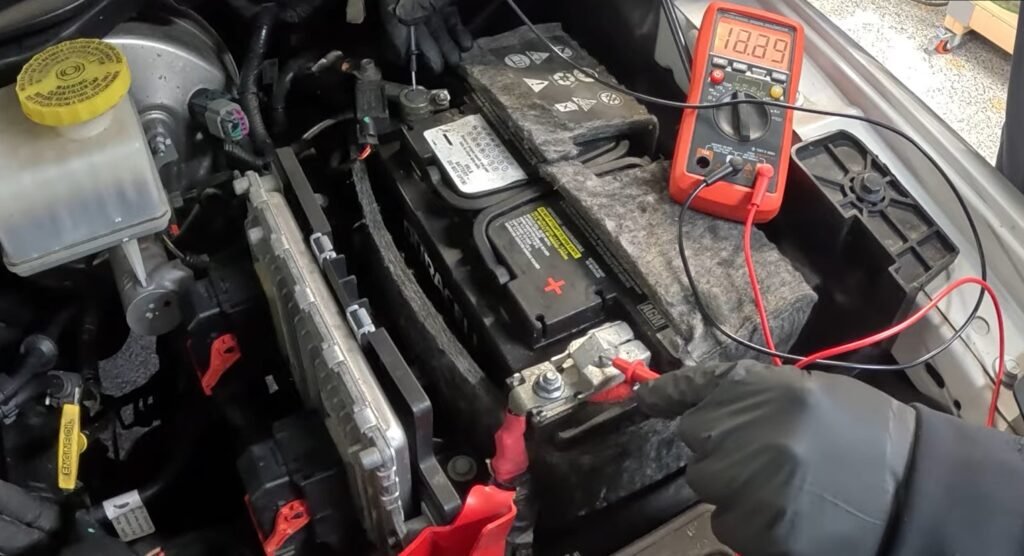
1. Weak or Discharged Battery
A battery can power lights while lacking enough capacity to crank the engine. Age, cold weather, short trips, and electrical drains can contribute.
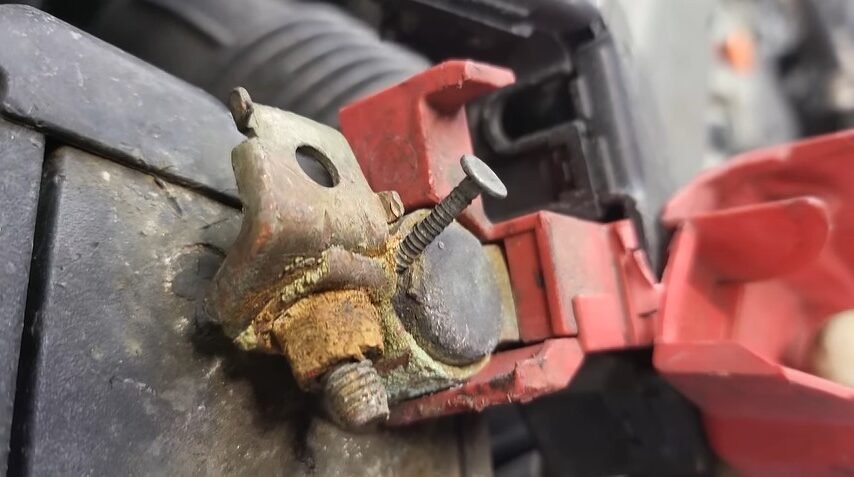
2. Loose or Corroded Battery Terminals
Corrosion or loose connections can restrict the high current required by the starter. The dashboard may still illuminate normally.
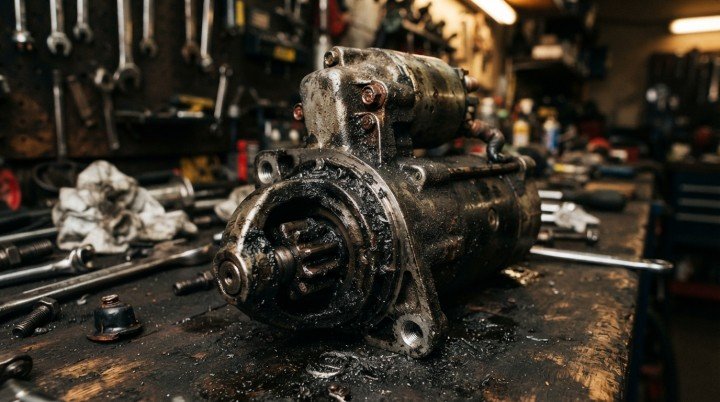
3. Bad Starter Motor or Solenoid
A worn starter may click without turning or work intermittently, especially after becoming hot.
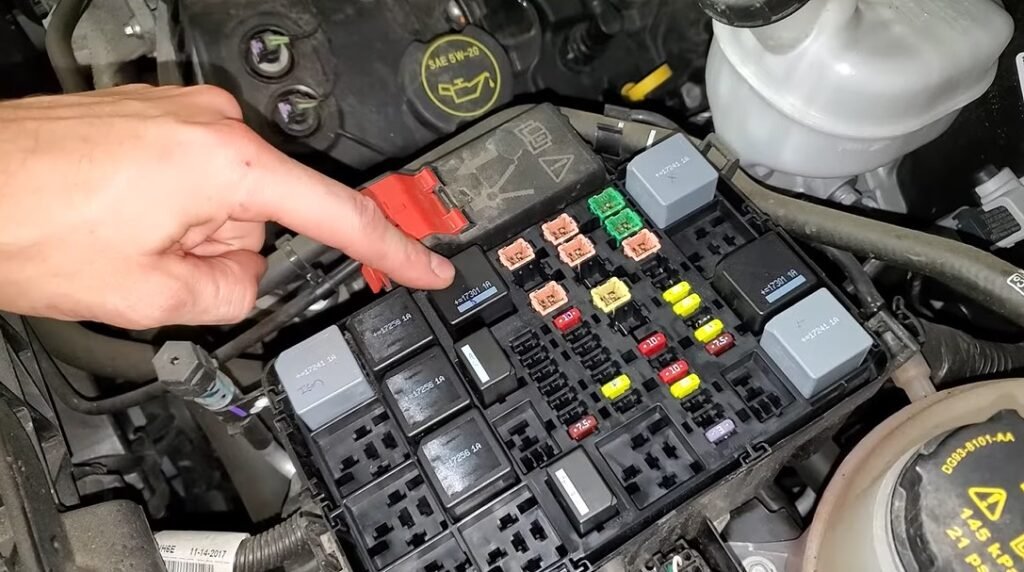
4. Faulty Starter Relay, Fuse, or Wiring
A damaged relay or interrupted starter-control circuit can prevent the starter from receiving the command to operate.
5. Ignition Switch or Start Button Circuit Fault
The electrical start request may fail to reach the starter control system even though other accessories work.

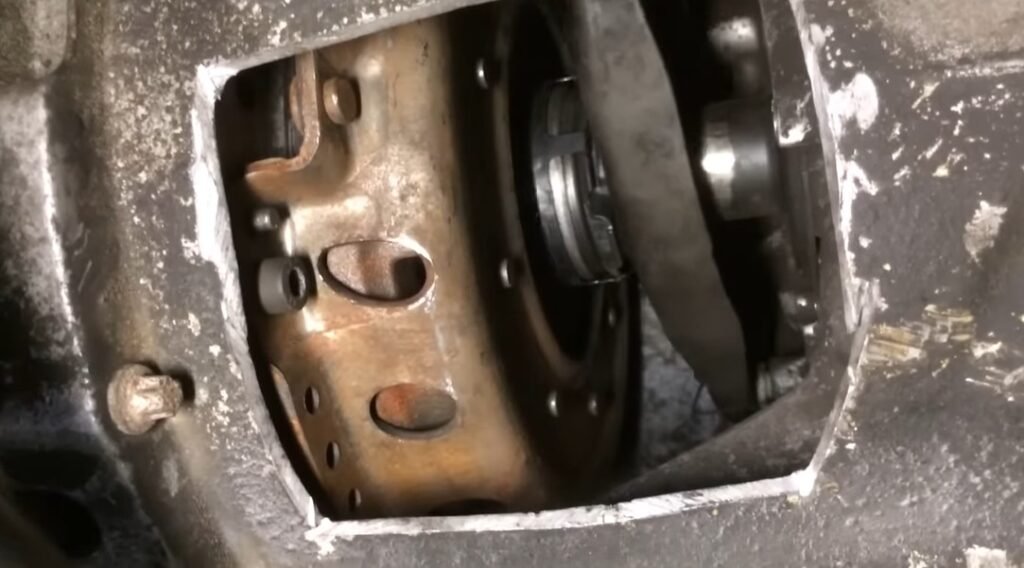
6. Park/Neutral, Clutch, or Brake Switch Problem
Automatic transmissions generally require Park or Neutral. Manual transmissions usually require the clutch pedal to be depressed. Many push-button systems also require a valid brake-pedal signal.
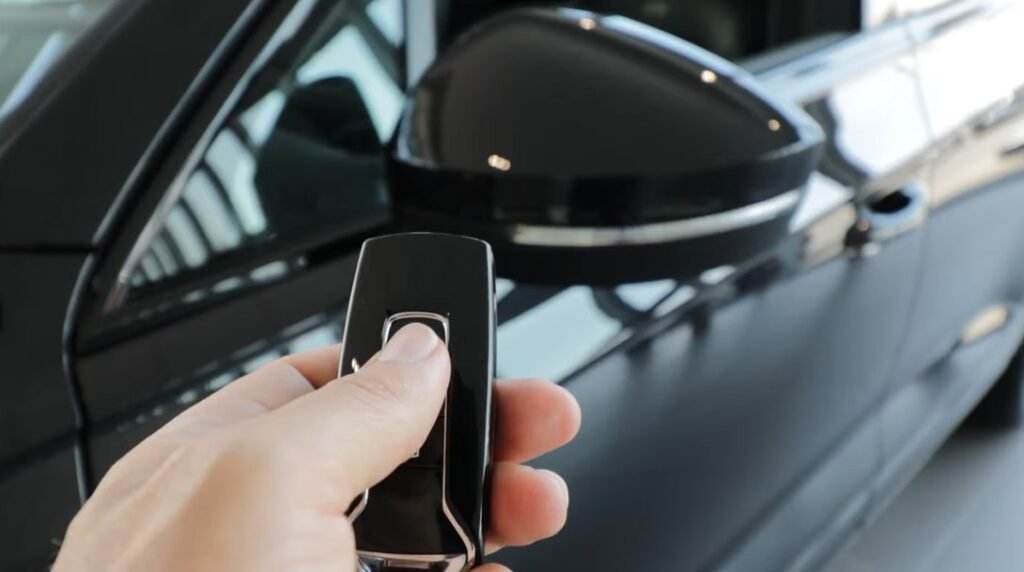
7. Immobilizer or Key Recognition Failure
If the vehicle doesn’t recognize the key, it may disable cranking or prevent the engine from running.
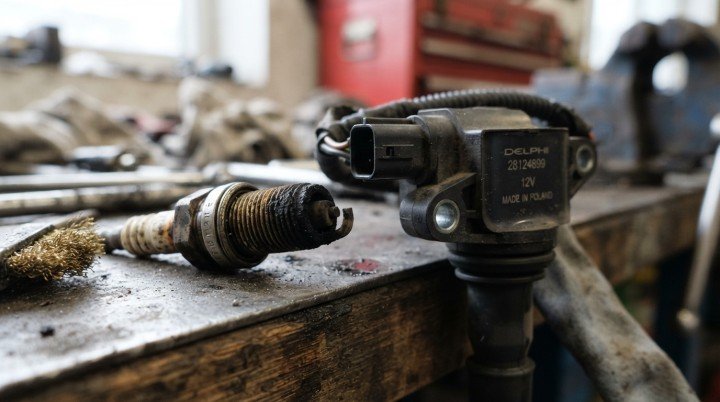
8. Fuel or Ignition Problem
When the engine cranks normally but doesn’t start, possible causes include inadequate fuel pressure, missing spark, faulty crankshaft position information, or mechanical timing problems.
What Do Your Headlights Do When You Try to Start?
Headlight behavior can provide useful clues during a brief starting attempt.
- Lights dim heavily: The battery may be weak, a cable connection may have excessive resistance, or the starter may be drawing excessive current.
- Lights stay bright: The starter may not be engaging, although battery and connection problems remain possible.
- Lights go completely dark: A severe voltage drop, loose main connection, or other electrical fault may be present.
- Lights flicker with clicking: Battery voltage may be collapsing and recovering as the starter relay or solenoid repeatedly operates.
These observations help guide testing but cannot confirm a failed component by themselves.
5 Quick Checks Before Calling a Mechanic
- Confirm the gear position. Put an automatic transmission in Park. With the parking brake applied and your foot on the brake, try Neutral if the owner’s manual permits.
- Inspect battery terminals. Look for visible corrosion, looseness, or damaged cables. Turn the vehicle off before touching connections.
- Observe the lights. Watch for major dimming during one brief starting attempt.
- Check security warnings. Look for messages such as “Key Not Detected” or a flashing immobilizer indicator.
- Consider a jump-start. Follow the manufacturer’s procedure and use the designated connection points.
Safety: Never attempt to jump-start a visibly damaged, swollen, leaking, or frozen battery. Follow the vehicle manual, especially for hybrids, EVs, and vehicles with remote jump terminals. Never touch orange high-voltage cables or components.
How to Test Your Battery Before Replacing the Starter
Measure Resting Battery Voltage
For a conventional 12-volt lead-acid battery that has rested, approximately 12.6 volts indicates a high state of charge. Around 12.2 volts generally suggests partial discharge.
Readings depend on battery chemistry, temperature, and recent charging activity.
Check Voltage Under Starting Load
A battery may show normal resting voltage but collapse under starter load.
A proper load test or cranking-voltage test helps reveal this weakness. Test limits depend on battery specifications and temperature.
Test Battery Cables and Grounds
Even a healthy battery can’t deliver enough current through a severely corroded cable.
A technician can use voltage-drop testing to identify excessive resistance in the positive cable or ground path.
Don’t replace the starter until the battery and its connections have been checked.
What If Your Car Starts With a Jump but Won’t Start Again?
If a jump-start works but the next starting attempt fails, the battery may be weak, discharged, or unable to hold a charge.
However, a successful jump doesn’t prove the battery itself is defective.
Other possibilities include:
- An alternator that isn’t charging properly.
- Loose or corroded battery connections.
- An electrical drain while the car is parked.
- Insufficient driving or charging time after a deep discharge.
Have the battery tested and the charging system checked before purchasing replacement parts.
What If Jump-Starting Doesn’t Work at All?
If the engine still won’t crank after a correctly performed jump-start, several possibilities remain.
Poor jumper connections, inadequate booster capacity, or a severely damaged battery may prevent successful starting.
A faulty starter, starter relay, ignition circuit, or security system may also be responsible.
If the engine cranks normally but doesn’t fire, a jump-start is unlikely to solve a fuel or ignition problem.
Avoid repeated attempts if the cables become hot, you notice smoke, or the starter makes grinding noises.
Can a Bad Alternator Cause a No-Start With Working Lights?
Yes, but usually indirectly.
The alternator charges the battery while the engine is running. If it stops charging, the vehicle may continue operating temporarily using stored battery energy.
Eventually, the battery can become too discharged to crank the engine, even though some dashboard lights still work.
Possible charging-system warning signs include:
- Battery warning light while driving.
- Repeatedly discharged battery.
- Electrical accessories behaving abnormally.
- Engine stalling as available electrical power drops.
With the engine running, charging voltage is often above resting battery voltage, but modern charging systems vary considerably. A proper charging-system test is more reliable than one voltage reading.
Never disconnect a battery cable while the engine is running to test the alternator. That can damage vehicle electronics.
New Battery but the Car Still Won’t Start — What Next?
A new battery doesn’t guarantee the rest of the starting system is working.
First, confirm the replacement battery is correctly specified, sufficiently charged, and securely connected.
Then check for:
- Loose battery terminals or poor engine grounds.
- Damaged battery cables.
- Starter motor or relay failure.
- Faulty Park/Neutral or clutch switch.
- Immobilizer or ignition-control problems.
If the engine cranks normally, move away from starter diagnosis and investigate fuel, ignition, and engine-control systems.
Car Won’t Start but Lights Come On After Sitting Overnight
An overnight no-start often points toward battery discharge.
The battery may be aging, or an electrical component may be drawing power while the vehicle is parked.
Interior lights, aftermarket accessories, and modules that fail to enter sleep mode can contribute to parasitic drain.
Cold temperatures can make an already weak battery less capable of cranking the engine.
If the problem repeats, request a battery health test, charging-system inspection, and parasitic-draw test rather than replacing batteries repeatedly.
Car Won’t Start but Lights Come On After Driving
A vehicle that starts cold but refuses to restart after a drive may have a heat-sensitive starter, solenoid, relay, or electrical connection.
If the battery warning light appeared while driving, a charging-system problem becomes more likely.
Notice whether the engine cranks normally or doesn’t crank at all.
A normal-cranking hot no-start can involve fuel delivery or engine sensors, while a hot no-crank is more consistent with a starter or electrical-control problem.
Why Won’t a Push-Button Start Car Start When the Dashboard Lights Work?
Modern push-button systems depend on several electronic conditions before allowing the engine to start.
A weak key fob battery, failed brake switch, steering-lock issue, or key-recognition fault may prevent starting.
Some vehicles display a “Key Not Detected” message. Others may illuminate the dashboard without engaging the starter.
Many manufacturers provide an emergency key-recognition location or procedure for a weak fob battery. Check your owner’s manual rather than guessing.
Hybrids also differ from conventional cars. Some use the high-voltage motor-generator to start the gasoline engine, while the 12V battery powers control systems and enables the vehicle to enter READY mode.
When Should You Stop Trying to Start the Car?
Stop repeated starting attempts if you notice:
- Smoke or a burning electrical smell.
- Battery cables becoming unusually hot.
- Grinding or harsh mechanical noises.
- A swollen, leaking, or visibly damaged battery.
- Repeated failed attempts with no improvement.
Repeated cranking can overheat the starter and drain the battery further.
If you cannot identify the cause safely, roadside assistance or towing is preferable to forcing another start attempt.
How Much Does It Cost to Fix a Car That Won’t Start in 2026?
Repair costs depend on the failed component, vehicle design, and local labor rates.
| Repair | Approximate US Cost |
|---|---|
| Battery replacement | $150–$350 |
| Battery terminal or cable repair | $30–$250 |
| Starter motor replacement | $300–$900+ |
| Starter relay replacement | $50–$200 |
| Alternator replacement | $400–$1,000+ |
| Ignition switch repair | $150–$500 |
| Neutral safety switch replacement | $150–$450 |
These are broad estimates for planning purposes, not confirmed quotes. Diagnostic fees may be additional.
A battery connection repair may be inexpensive, while starter replacement can require significant labor on vehicles with difficult access.
Testing first helps avoid paying for a starter or alternator that wasn’t actually defective.
Frequently Asked Questions
Can a car battery be dead if the headlights still work?
Yes. Headlights require much less current than the starter. A weak battery may operate the lights but fail under the heavy load of cranking the engine.
Why does my car make one click but won’t start?
A single click may indicate starter solenoid operation without motor rotation. Possible causes include a weak battery, poor cable connections, or a faulty starter.
Why does my car click rapidly when the lights are working?
Rapid clicking often occurs when voltage drops too low during a starting attempt. Check battery charge, battery health, and cable connections first.
Can a bad alternator cause the car not to start?
Yes. A failing alternator can leave the battery discharged. The battery normally supplies the initial starting power, so alternator problems commonly cause no-start conditions indirectly.
How do I know if my starter or battery is bad?
Test the battery under load and inspect cable connections. If adequate power and the proper start command reach the starter but it doesn’t operate, the starter becomes a stronger suspect.
Why won’t my car start even after a jump?
Poor jump connections, a severely damaged battery, starter failure, security problems, or other electrical faults may be responsible. If the engine cranks normally, investigate fuel and ignition instead.
Can a weak key fob battery prevent starting?
Yes, on some vehicles. The car may fail to recognize the key. Many models provide an emergency recognition procedure described in the owner’s manual.
What if my car cranks normally but doesn’t start?
The starter is turning the engine, so fuel delivery, ignition, crankshaft position signals, compression, and timing deserve attention. A normal-cranking no-start is different from a no-crank condition.
Final Verdict: Is It the Battery, Starter, or Alternator?
When your car won’t start but lights come on, don’t assume the battery is healthy or the starter has failed.
Rapid clicking and slow cranking often point toward battery power or connection problems. A single click requires further starter-circuit testing. Normal cranking usually shifts the diagnosis toward fuel, ignition, or engine-control systems.
A failing alternator can cause starting trouble by leaving the battery discharged, but it generally doesn’t operate the starter directly.
Start with the sound, test the battery and cables, and confirm the fault before replacing expensive parts.

Kevin Nicholas is an automotive mechanic and editor of The Effective Guide. He writes about warning lights, car problems, and diagnostic tools, helping drivers understand what to check before replacing a part.