
Last Updated on October 28, 2026
You’re driving home when the battery warning light suddenly appears on your dashboard. The engine sounds normal, the car still accelerates, and nothing seems seriously wrong. So, can you make it home, or are you about to get stranded?
You can sometimes drive with a bad alternator for a short period, but that doesn’t mean you should. Once the alternator stops supplying enough electricity, your vehicle begins relying on its battery. When the battery voltage drops too low, the engine may shut off without much warning.
The difficult part is knowing how much time you have left. A healthy battery might keep certain vehicles running for a while, while another car could stall within minutes.
Quick Answer: A car with a completely failed alternator might continue running for several minutes, potentially longer under favorable conditions. However, there is no reliable driving-time or mileage estimate. Battery condition, electrical demand, and vehicle design make a major difference. The safest choice is to stop somewhere secure and arrange roadside assistance rather than risk getting stranded.
Can You Drive With a Bad Alternator?
Yes, it’s mechanically possible to drive with a bad alternator if the battery still has enough power to operate the vehicle’s essential electrical systems.
The alternator normally supplies electricity while the engine runs and replenishes the battery. If it stops working, the battery must power components such as the engine computer, ignition system, fuel injectors, and electric fuel pump.
However, not every alternator failure is the same.
- Weak alternator: It may produce some electricity but not enough to meet the vehicle’s needs. The battery gradually makes up the difference.
- Completely failed alternator: The vehicle depends almost entirely on stored battery power until voltage becomes insufficient.
- Intermittent alternator: Charging may work sometimes and fail unexpectedly, making the problem particularly difficult to predict.
Even if your car feels normal, continuing to drive is risky. A charging-system warning light deserves prompt attention, and a safe stopping location should be your immediate priority.
How Long Can You Drive With a Bad Alternator?
There’s no fixed answer. Some vehicles can remain operational longer than others, even with similar batteries.
With a Fully Charged Battery
A fully charged, healthy battery gives you the best chance of reaching a nearby safe location. Depending on the vehicle and electrical load, the engine might run for several minutes to an hour or longer.
That is a possibility, not a promise. Modern vehicles often consume considerable electricity just to keep the engine operating.
With a Weak or Partially Discharged Battery
If your battery is already weak, the engine may stall much sooner. A battery that barely had enough energy to start the car might not have much reserve capacity left.
Cold weather, battery age, and previous charging problems can reduce the available reserve further.
Can You Drive 5, 10, or 20 Miles With a Bad Alternator?
You might manage five miles, but even that distance isn’t guaranteed. Ten or twenty miles could be possible under some circumstances, yet attempting them creates a substantial risk of stalling.
Mileage is a poor way to estimate remaining battery power. Five miles in heavy traffic may take longer than fifteen miles on an open road. Electrical demand matters more than the odometer.
Does Daytime Driving Make a Difference?
Potentially. During daylight, you may need fewer electrical accessories than at night. However, headlights, windshield wipers, and defrosters must remain on whenever visibility or driving conditions require them.
Never sacrifice visibility or safety to conserve battery power.
What Determines How Long Your Car Will Keep Running?
The remaining operating time depends on several factors working together.
| Factor | Effect on Remaining Runtime |
|---|---|
| Battery condition | A healthy, fully charged battery generally provides more usable reserve. |
| Electrical accessories | Blowers, heated seats, lighting, and other loads consume additional power. |
| Vehicle design | Different engines and electronic systems require different amounts of electricity. |
| Alternator output | A partially functioning alternator may slow battery discharge. |
| Driving conditions | Traffic, weather, and required electrical equipment affect power consumption. |
That’s why another driver’s experience isn’t a dependable guide for your car.
7 Warning Signs Your Alternator Is About to Leave You Stranded
Alternator problems don’t always announce themselves dramatically. Sometimes, several small electrical issues appear before the vehicle finally stops.
1. Battery Warning Light Stays On
A red battery-shaped dashboard light often indicates a charging-system problem. It doesn’t necessarily mean the battery itself is defective. The alternator, wiring, drive belt, or voltage regulation system could be responsible.

2. Headlights Become Dim or Flicker
Headlights may dim when electrical supply becomes unstable. Their brightness might also change with engine speed, although similar symptoms can result from poor electrical connections.

3. Dashboard Electronics Start Malfunctioning
You may notice warning lights appearing together, an infotainment screen restarting, or accessories behaving strangely. Low voltage can interfere with multiple vehicle control modules.

4. Engine Hesitates or Stalls
As battery voltage falls, the ignition, fuel delivery, and engine management systems may stop functioning correctly. The engine can hesitate, run poorly, or shut down entirely.
5. Whining, Grinding, or Squealing Noises
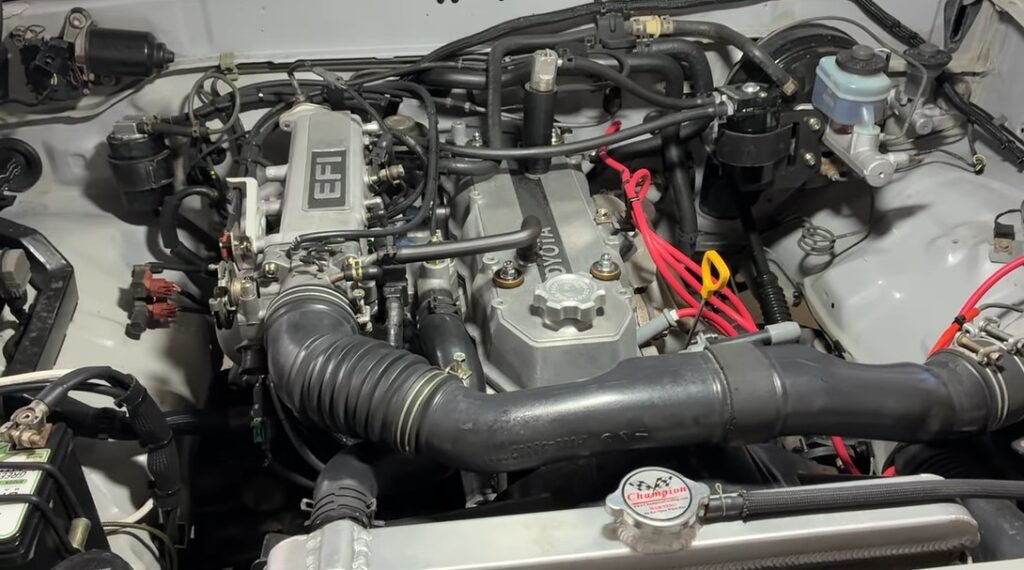
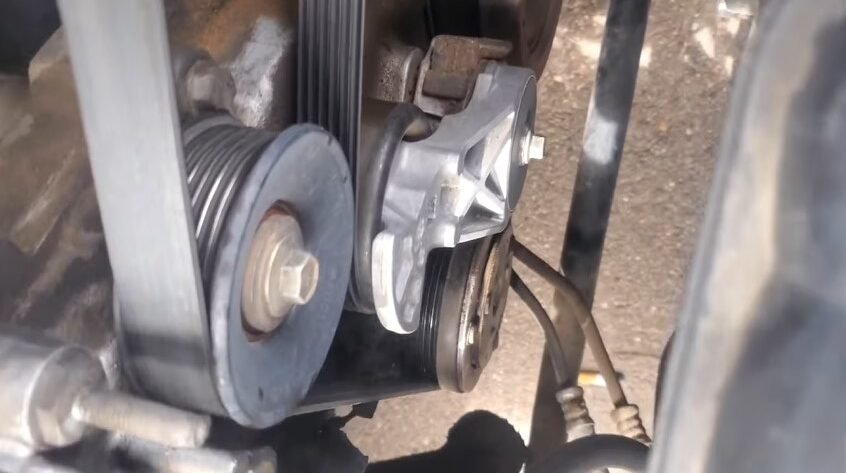
Damaged alternator bearings can produce grinding or whining sounds. A slipping belt or faulty tensioner may cause squealing. Noise alone cannot confirm which component is failing.

6. Burning Rubber or Electrical Smell
A slipping belt may produce a rubber smell, while overheating electrical components can create an unusual burning odor. Smoke or a strong burning smell requires immediate attention.
7. Battery Keeps Dying After Charging
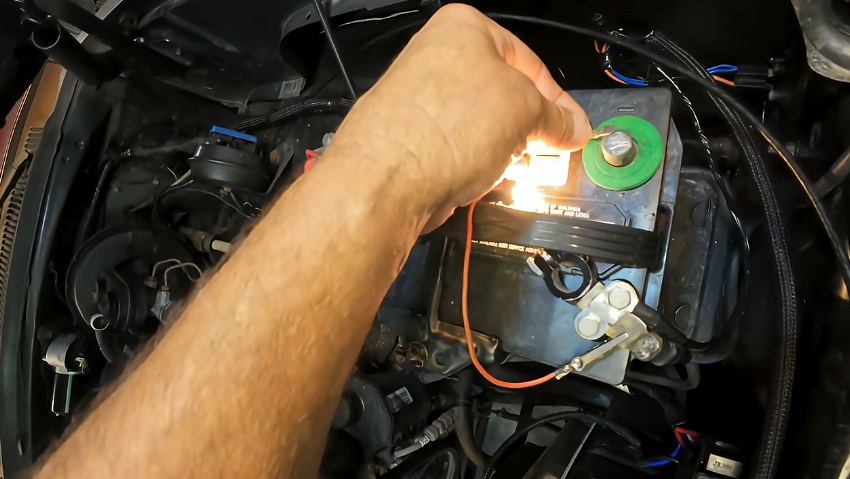
If a battery repeatedly loses charge, the alternator might not be replenishing it properly. However, a defective battery, parasitic electrical drain, or poor connection can cause similar trouble.
Important: An alternator can fail without consistently illuminating the battery warning light. Don’t rule out a charging problem simply because the dashboard appears normal.
What Happens If You Keep Driving With a Bad Alternator?
Imagine the alternator stops charging while you’re traveling down the highway.
At first, everything may seem normal because the battery continues supplying electricity. As its charge declines, some accessories may become unreliable. Eventually, voltage can fall below the level needed by essential engine systems.
The engine may then stall. Once that happens, restarting may be impossible without external power and a working charging system.
Depending on the vehicle, an engine stall can also reduce power steering assistance and brake assistance. You can generally still steer and brake, but the effort required may increase significantly. Some vehicles with electrically assisted systems behave differently.
That makes an unexpected shutdown particularly dangerous in heavy traffic, at intersections, or on high-speed roads.
What Should You Do If Your Alternator Fails While Driving?
If you suspect the alternator has failed, your goal should be reaching a safe stopping location, not squeezing out every remaining mile.
Step 1: Find Somewhere Safe to Stop
Reduce speed smoothly, avoid sudden maneuvers, and look for a suitable parking area or safe roadside location. If you’re on a highway, follow local roadside safety guidance and use hazard lights when appropriate.
Step 2: Reduce Unnecessary Electrical Demand
Turn off nonessential accessories such as seat heaters, entertainment systems, and unnecessary cabin lighting. You can reduce climate-control blower use when conditions permit.
Keep headlights, wipers, defrosters, and other safety-critical equipment operating whenever needed.
Step 3: Watch for Additional Warning Signs
If the engine begins running poorly, electrical systems start shutting down, or the temperature gauge rises, stop as soon as it is safe.
Step 4: Avoid Unnecessary Engine Restarts
Restarting consumes considerable battery power. If the engine is still running, don’t switch it off before reaching a safe stopping location unless smoke, overheating, or another immediate danger requires shutdown.
Step 5: Request Roadside Assistance
Once parked safely, arrange a tow or professional assistance. Recharging the battery alone won’t solve an alternator problem.
Highway Safety: If your vehicle stops in an unsafe position, prioritize your personal safety. Follow local emergency guidance and contact roadside assistance or emergency services when necessary. Do not attempt roadside repairs in moving traffic.
When Should You Stop Driving Immediately?
Some symptoms indicate that continuing could be especially dangerous.
| What You Notice | What You Should Do |
|---|---|
| Battery warning light only | Head toward the nearest safe stopping location and arrange diagnosis. |
| Headlights or electronics failing | Pull over safely and request towing. |
| Engine stalls | Bring the vehicle to a safe stop and seek assistance. |
| Temperature gauge rises rapidly | Stop safely and shut off the engine to prevent overheating damage. |
| Smoke or strong burning smell | Stop immediately when safe, shut off the engine, and move away if fire is suspected. |
If you’re uncertain whether the vehicle can continue safely, treat towing as the better option.
Could a Broken Serpentine Belt Be the Real Problem?
A battery warning light doesn’t always mean the alternator itself has failed.
On many vehicles, a serpentine belt drives the alternator. If that belt breaks or slips, the alternator may stop charging even though it remains mechanically functional.
The same belt may also operate the water pump or power steering pump, depending on the engine design.
If the water pump stops circulating coolant, the engine can overheat quickly. Continuing to drive could cause expensive engine damage.
Before replacing an alternator, a mechanic should inspect the belt, tensioner, pulleys, and related components.
Bad Alternator vs. Bad Battery: How Can You Tell?
A bad battery and a failing alternator can produce nearly identical symptoms. Both may leave you with a vehicle that won’t start.
The difference is usually when and why the electrical system loses power.
| Symptom | Bad Alternator | Bad Battery |
|---|---|---|
| Slow cranking after parking | Possible | Common |
| Battery light while driving | Common | Less typical |
| Engine stalls after running | Possible | Less typical |
| Battery repeatedly goes flat | Possible | Possible |
| Charging output too low | Possible | Not normally caused by the battery alone |
How to Test Alternator Voltage With a Multimeter
A digital multimeter can provide useful clues about charging-system performance.
- With the engine off and the battery rested, a fully charged conventional 12-volt lead-acid battery typically reads around 12.6 volts.
- With the engine running, many conventional charging systems produce approximately 13.5–14.8 volts under suitable conditions.
- If voltage remains unusually low or drops as electrical loads increase, further charging-system testing is needed.
These readings aren’t universal. Modern smart charging systems can intentionally vary alternator output, so one voltage measurement cannot confirm failure.
Never disconnect a battery cable while the engine is running. Doing so can create damaging voltage spikes and is not a safe alternator test.
What Mechanics Check Before Replacing an Alternator
Replacing an alternator without confirming the cause can waste hundreds of dollars.
A proper diagnosis generally includes checking:
- Battery condition and charge level.
- Serpentine belt condition and tension.
- Battery terminals and ground connections.
- Charging cables, fuses, and fusible links.
- Alternator output under appropriate electrical loads.
- Voltage regulation and vehicle-specific charging controls.
A mechanic may also scan for charging-system fault codes and test the battery separately. This helps distinguish an actual alternator failure from wiring or control-system problems.
Can a Bad Alternator Damage Your Battery or Other Components?
Yes. Repeatedly draining a lead-acid battery deeply can shorten its service life, especially if it remains discharged for an extended period.
A failing voltage regulator may also allow excessive charging voltage. Overcharging can overheat the battery and potentially damage sensitive electronics.
Low voltage can cause electronic modules to malfunction, although unusual warning lights don’t automatically mean those modules are permanently damaged.
After repairing the charging system, have the battery fully charged and tested. A new alternator doesn’t automatically require a new battery, but a weakened battery may need replacement.
How Much Does It Cost to Replace a Bad Alternator?
In the United States, alternator replacement commonly costs several hundred dollars. A broad planning estimate is approximately $350–$1,000 or more for parts and labor, depending on the vehicle.
Some economy cars are relatively inexpensive to repair, while luxury vehicles, difficult engine layouts, and high-output alternators can cost considerably more.
New alternators generally cost more than remanufactured units. Labor charges also vary by location and how easily the alternator can be accessed.
Before approving the repair, ask whether the shop has confirmed the alternator is defective and checked the battery, belt, wiring, and charging-system controls.
Frequently Asked Questions
Can I drive 10 miles with a bad alternator?
Possibly, but ten miles isn’t a guaranteed safe distance. A weak battery or high electrical demand could cause the engine to stall much sooner. Stopping safely and arranging towing is the safer decision.
Can a car run without an alternator?
Many gasoline and diesel vehicles can run temporarily on battery power alone. However, the battery eventually discharges, and essential electrical systems may stop operating.
Can I jump-start a car with a bad alternator?
A jump-start may get the engine running if the battery is discharged, but the vehicle can stall again because the alternator isn’t replenishing the battery. Jump-starting doesn’t repair the charging system.
Will turning off the AC help a bad alternator last longer?
Reducing blower speed and other electrical loads may conserve some battery power. However, the benefit varies by vehicle, and it doesn’t guarantee enough power to reach your destination.
Can I charge the battery and drive with a bad alternator?
Charging the battery may temporarily restore starting and operating power, but it won’t fix the alternator. Continued driving still carries the risk of sudden stalling.
Can a bad alternator cause my car to shut off while driving?
Yes. If the charging system cannot supply sufficient electricity and battery voltage falls too low, the engine computer, ignition, or fuel system may stop functioning properly.
Can an alternator fail without the battery warning light?
Yes. Intermittent faults, partial charging failures, or problems with the warning system may occur without a consistently illuminated battery light.
Will a new battery keep my car running with a bad alternator?
A new, fully charged battery may provide additional temporary operating time, but it will eventually discharge without adequate charging. Replacing a good battery instead of repairing the charging system won’t solve the underlying problem.
Final Verdict: Should You Drive With a Bad Alternator?
Although you may be able to drive with a bad alternator temporarily, there’s no dependable way to predict how long the engine will continue running.
A vehicle that seems perfectly normal one moment could lose electrical power and stall shortly afterward. The risk increases when the battery is weak or essential electrical systems begin malfunctioning.
If you suspect alternator failure, find a safe place to stop and arrange professional assistance. Have the complete charging system checked before replacing parts.
Ultimately, the question isn’t how far you can push a failing alternator. It’s whether those extra miles are worth the possibility of getting stranded somewhere dangerous.
