
You notice a small green or orange puddle beneath your car after parking. The engine starts normally, the temperature gauge looks fine, and your mechanic is only ten miles away. Can you make the trip, or could those ten miles turn into an expensive engine repair?
You can sometimes drive with a coolant leak while the cooling system still contains enough coolant to regulate engine temperature. However, even a small leak can worsen when the system heats up and builds pressure.
The biggest danger is overheating. Once coolant becomes insufficient, engine temperatures can rise quickly, potentially damaging the head gasket, cylinder head, or other internal components.
Quick Answer: There is no guaranteed safe distance for driving with a coolant leak. A small seep may not cause immediate overheating, but an active leak can become dangerous within minutes. If the temperature warning appears, steam develops, or coolant is escaping rapidly, stop safely, shut off the engine, and arrange towing. Even minor leaks should be diagnosed promptly.
Can You Drive With a Coolant Leak?
Technically, yes. A car may continue operating with a small coolant leak if the cooling system maintains enough coolant and proper circulation.
However, the amount of fluid visible beneath the vehicle doesn’t always indicate how serious the problem is.
A slow seep from a hose connection might release only a few drops while parked. Once the engine reaches operating temperature, pressure can increase the leakage rate.
A cracked radiator, damaged hose, or failing water pump seal may also release coolant much faster under operating conditions.
Even when the dashboard temperature looks normal, the system could already be losing coolant.
For that reason, an active coolant leak should be treated as a problem requiring prompt attention, not something to ignore until the engine overheats.
How Long Can You Drive With a Coolant Leak?
There isn’t a reliable mileage limit because coolant loss depends on the leak location, severity, system pressure, and engine operating conditions.
Can You Drive 5 or 10 Miles With a Coolant Leak?
A vehicle with a minor seep may complete a short journey without overheating. However, five or ten miles isn’t automatically safe.
If a hose splits or the remaining coolant escapes under pressure, the engine can overheat before you reach your destination.
Can You Drive 20 or 50 Miles?
Longer trips create more opportunities for coolant loss and overheating. Highway airflow may help cool a properly functioning radiator, but it cannot compensate for a system that is losing too much coolant.
Heavy traffic can also increase cooling demands, particularly when airflow through the radiator depends heavily on electric fans.
Can You Drive With a Slow Coolant Leak for a Week?
Some slow leaks develop gradually, but repeatedly adding coolant isn’t a dependable long-term solution.
A small leak can suddenly become larger, and coolant loss may introduce air pockets that interfere with circulation.
The safest approach is to identify and repair the leak before continuing normal driving.
When Is a Coolant Leak Too Dangerous to Drive?
The following situations can help you decide how urgently to stop driving or seek assistance.
| What You Notice | Recommended Action |
|---|---|
| A few drops beneath the car, coolant level adequate when cold, no overheating | Arrange prompt inspection and avoid unnecessary driving. |
| Coolant level repeatedly dropping | Have the system diagnosed before continuing routine trips. |
| Continuous dripping or a growing puddle | Do not drive until the leak has been assessed. |
| Low coolant warning | Stop safely and inspect the level only after the engine cools. |
| Temperature gauge rising or warning light illuminated | Pull over safely and shut off the engine. |
| Steam, empty reservoir, or rapid coolant loss | Do not continue driving; arrange towing. |
These are general safety guidelines. A normal temperature reading doesn’t guarantee that a leaking cooling system is safe.
7 Warning Signs Your Coolant Leak Is Becoming Serious
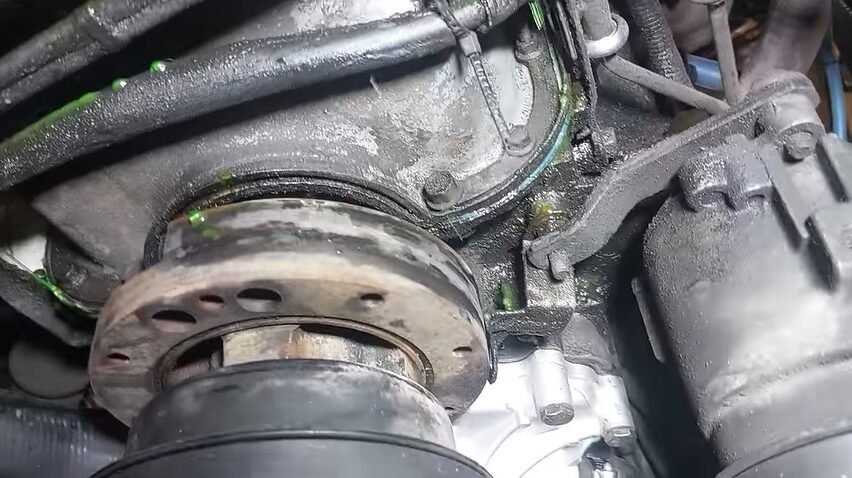
1. Coolant Puddle Under the Vehicle
Coolant may appear green, orange, pink, blue, yellow, or another color, depending on the formulation.
A growing puddle suggests active fluid loss, but some leaks evaporate on hot engine components before reaching the ground.
2. Coolant Reservoir Keeps Losing Fluid
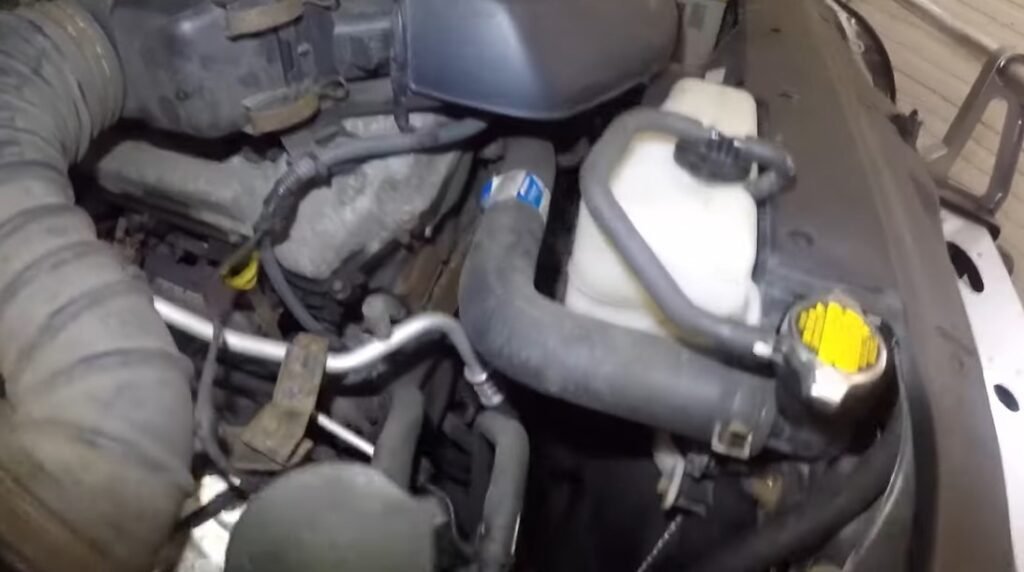
If the coolant level repeatedly drops below the specified cold mark, the system may have an external or internal leak.
Check the level under the same cold-engine conditions for a meaningful comparison.
3. Temperature Gauge Rises Above Normal
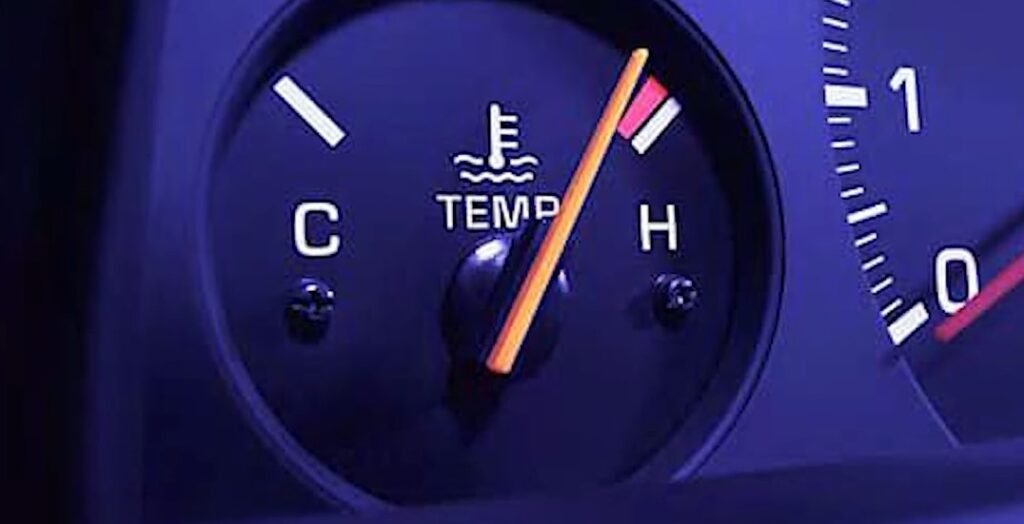
A rising temperature gauge or overheating warning is a serious sign that the cooling system may no longer be controlling engine temperature.
Don’t wait for the gauge to reach its maximum reading.
4. Sweet or Chemical Smell
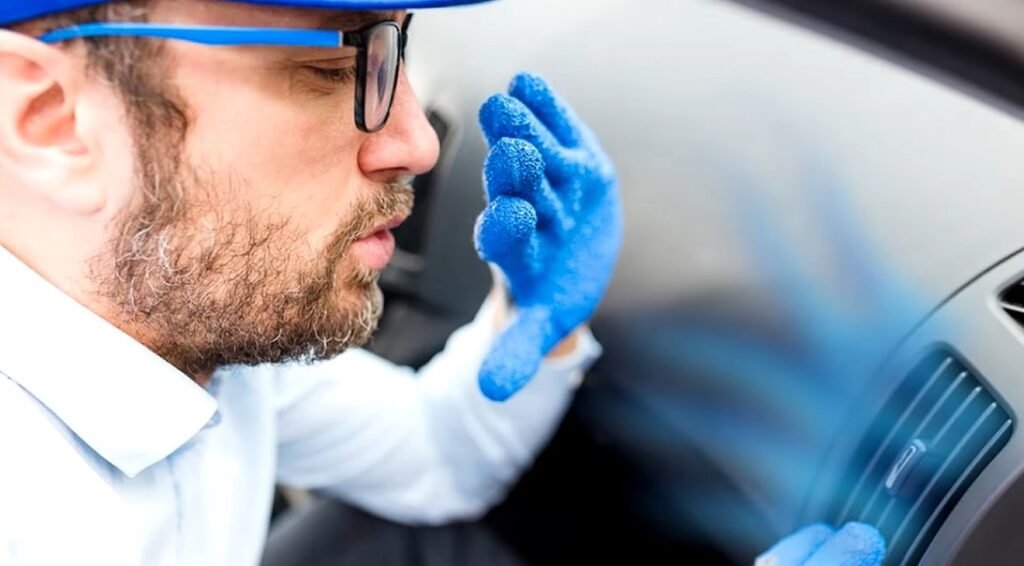
Many coolant formulations produce a distinctive sweet or chemical odor when leaking onto warm components.
However, smell alone cannot confirm a coolant leak.
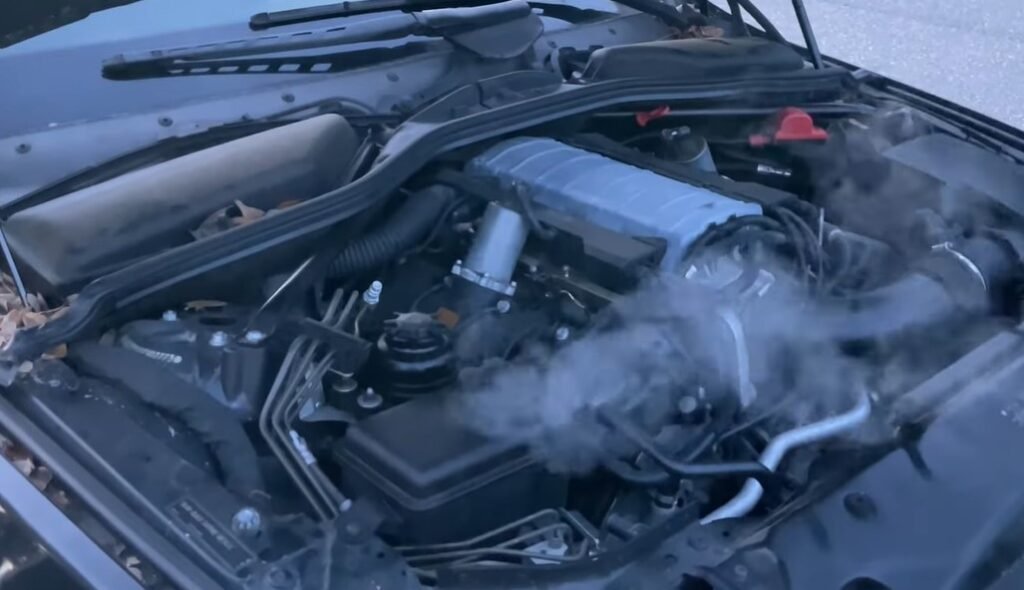
5. Steam Appears Under the Hood
Steam can develop when coolant contacts hot engine or exhaust components. It may also escape directly from a pressurized leak.
Visible steam combined with coolant loss requires immediate attention.
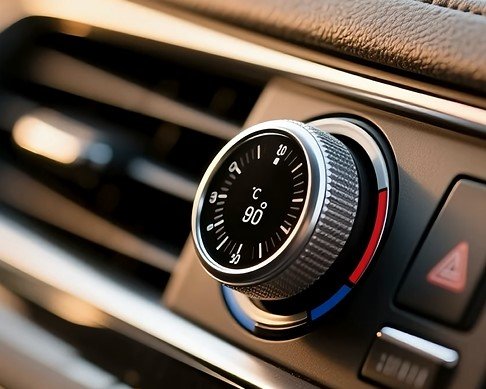
6. Cabin Heater Suddenly Blows Cold Air
If the heater unexpectedly stops producing warm air while the engine is hot, low coolant or trapped air may be interfering with coolant circulation through the heater core.
This can also happen because of unrelated heater-control problems.
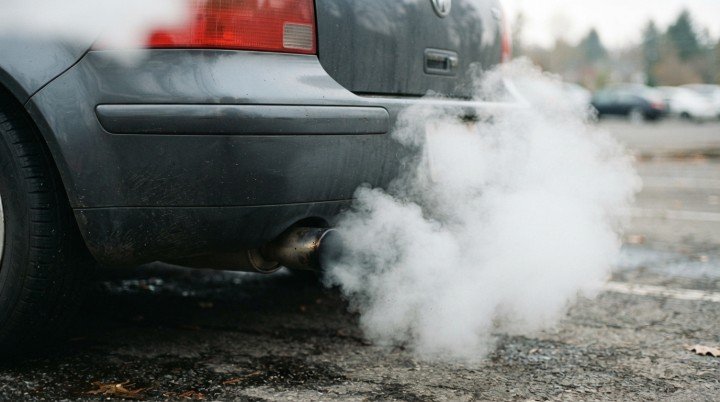
7. Persistent White Exhaust Smoke or Rough Running
Coolant entering a combustion chamber may produce persistent white exhaust vapor, sometimes accompanied by rough running or unexplained coolant loss.
Brief white vapor during a cold start is often normal condensation and doesn’t automatically indicate engine damage.
Why Can a Coolant Leak Be Dangerous Even When the Temperature Gauge Is Normal?
Many drivers assume that a normal temperature gauge means the engine has enough coolant. Unfortunately, that’s not always true.
Some dashboard gauges are designed to remain near the middle across a range of normal operating temperatures. This makes them easy to read but less useful for detecting small temperature changes.
Low coolant can also create air pockets and localized hot spots. Depending on sensor placement and system design, the displayed temperature may not immediately reflect the hottest engine components.
A leak may also become significantly worse before the gauge responds.
That’s why coolant loss, steam, and other warning signs deserve attention even when the dashboard looks normal.
What Happens If You Keep Driving With a Coolant Leak?
As coolant escapes, the cooling system may lose pressure, develop air pockets, or become unable to circulate enough fluid through the engine and radiator.
If engine temperature rises excessively, several problems can follow:
- Head gasket damage: Excessive heat can compromise sealing between the engine block and cylinder head.
- Warped cylinder head: Severe overheating may distort aluminum engine components.
- Oil breakdown: Excessive engine temperatures can reduce lubrication effectiveness.
- Engine seizure: Extreme overheating can damage pistons, bearings, and other internal parts.
These outcomes aren’t inevitable with every small leak, but continuing to operate an overheating engine can turn a relatively inexpensive repair into major engine work.
What Should You Do If Coolant Starts Leaking While Driving?
- Watch for temperature warnings. Pay attention to the gauge, warning lights, steam, and changes in engine behavior.
- Turn off the AC. Reducing unnecessary engine load may help while you move toward a safe stopping location.
- Pull over safely. Avoid sudden maneuvers and stop away from moving traffic whenever possible.
- Shut off an overheating engine. If the temperature warning appears or steam develops, turn off the engine once safely stopped.
- Allow the system to cool. Don’t touch hot hoses, the radiator, or pressurized cooling-system components.
- Never open a hot radiator or reservoir pressure cap. Pressurized coolant can spray out and cause severe burns.
- Arrange roadside assistance. Towing is preferable when the leak is active, coolant is rapidly disappearing, or overheating has occurred.
In some vehicles, setting the cabin heater to maximum can temporarily remove additional heat from the engine while reaching the nearest safe stopping point. However, this isn’t a repair and should never be used to justify continuing an overheating journey.
Burn Warning: A hot cooling system can remain pressurized after the engine stops. Do not remove a pressure cap simply because the dashboard gauge has fallen or the engine has been off for a few minutes. Follow the vehicle manufacturer’s cooling and inspection instructions.
Where Is the Coolant Leaking From?
Coolant can escape from several locations, and identifying the source is essential before replacing parts.
Radiator or Radiator Hose
Cracked radiator tanks, deteriorated hoses, loose clamps, and damaged radiator seams are common sources of external leaks.
Leaks may become more noticeable when the engine is hot and the system is pressurized.
Water Pump
A failing water pump seal may allow coolant to escape through a designed weep hole or around the pump housing.
Depending on the engine, a water pump leak can be difficult to see without removing covers or other components.
Coolant Reservoir or Pressure Cap
Plastic reservoirs can crack with age, while faulty pressure caps may allow coolant to escape or prevent the system from maintaining the intended pressure.
Thermostat Housing
Thermostat housings and their gaskets can develop leaks, particularly where plastic components become brittle or sealing surfaces deteriorate.
Heater Core
A leaking heater core may produce a sweet smell inside the cabin, damp carpeting, or a film on the windshield.
However, these symptoms should be confirmed before replacing the heater core.
Head Gasket or Internal Engine Leak
An internal leak may allow coolant to enter combustion chambers or oil passages without leaving a visible puddle.
Signs can include unexplained coolant loss, persistent white exhaust vapor, or coolant contamination in engine oil.
If you notice unusual milky oil, read our guide to coolant mixed with engine oil to understand possible causes and why proper diagnosis matters.
Why Does Coolant Leak Only When the Engine Is Hot or After Parking?
A leak that appears only after driving can be confusing, especially when the ground is dry before starting the engine.
As coolant warms, the cooling system normally builds pressure. That pressure may force fluid through a weak gasket, cracked plastic housing, or deteriorated hose.
After the engine shuts off, residual heat can temporarily raise temperatures in certain areas. This heat soak may contribute to coolant escaping from an already weakened component.
Some leaks also evaporate against hot engine parts, leaving dried residue instead of a visible puddle.
A cooling-system pressure test can help locate leaks that aren’t obvious during a cold visual inspection.
How to Tell Coolant From AC Condensation or Another Fluid
Not every puddle beneath a parked car indicates a problem. Air conditioning systems normally release water through a drain.
| Feature | Coolant Leak | AC Condensation |
|---|---|---|
| Color | May be green, orange, pink, blue, yellow, or nearly clear | Usually clear |
| Odor | Often sweet or chemical | Usually odorless |
| Residue | May leave colored or crystalline deposits | Usually leaves little residue |
| Coolant level | May gradually decrease | Unaffected |
| Typical source | Radiator, hoses, pump, reservoir, or engine | Air-conditioning drain |
Never identify coolant type based on color alone. Different manufacturers may use similar colors for chemically different formulations.
Also, keep coolant spills away from children and pets. Many antifreeze products contain toxic ingredients, including ethylene glycol. Clean spills using appropriate protective equipment and local disposal guidance.
How Can You Find a Coolant Leak at Home?
You can perform a basic visual inspection without opening a hot cooling system.
- Check the coolant level when cold. Use the markings and procedure specified in your owner’s manual.
- Inspect visible hoses and connections. Look for wet areas, cracks, damaged clamps, or dried coolant deposits.
- Examine the reservoir and radiator area. Check for staining around seams, caps, and fittings.
- Place clean cardboard beneath the parked vehicle. The drip location may help narrow down the source, although coolant can travel along other components before falling.
- Watch for recurring fluid loss. Repeated drops in coolant level suggest the system needs further diagnosis.
A visual inspection won’t reveal every leak. Some only occur under pressure, while internal leaks may leave no external evidence.
How Do Mechanics Confirm a Coolant Leak?
A technician may use several tests depending on the symptoms.
- Cooling-system pressure test: Helps reveal external leaks when performed according to manufacturer specifications.
- Pressure cap test: Checks whether the cap holds and releases pressure correctly.
- UV dye inspection: Can help locate difficult-to-see external leaks.
- Combustion-gas test: May help identify combustion gases entering the cooling system when an internal engine problem is suspected.
- Component inspection: Checks the radiator, hoses, pump, thermostat housing, and related connections.
Testing matters because replacing a radiator or water pump without confirming the leak source may not solve the problem.
Can You Add Coolant and Keep Driving?
Adding the correct coolant to a cold system may restore the level temporarily, but it doesn’t repair the leak or guarantee safe driving.
Use coolant that meets your vehicle manufacturer’s specification. Mixing incompatible formulations can create cooling-system problems, and matching colors doesn’t guarantee compatibility.
In a genuine emergency, clean water may sometimes be used as a temporary top-up if permitted by the vehicle manufacturer. However, water alone lacks the required corrosion protection and freeze resistance, and it can reduce the system’s boiling protection.
If coolant continues escaping, the system cannot maintain its level, or the engine has overheated, arrange towing rather than relying on repeated top-ups.
Do Coolant Stop-Leak Products Actually Work?
Some stop-leak additives may temporarily reduce small leaks by depositing sealing material at the leaking area.
However, they cannot reliably repair split hoses, severely cracked radiators, failed water pumps, or major gasket damage.
These products may also leave deposits in narrow cooling passages or heater cores, depending on the formulation and system condition.
A proper mechanical repair is the more dependable solution. Stop-leak products should not be treated as permission to continue driving an overheating vehicle.
How Much Does It Cost to Fix a Coolant Leak in 2026?
Coolant leak repair costs vary widely because the leak might come from an inexpensive hose or a major internal engine problem.
The following are broad US planning estimates for parts and labor, not guaranteed shop prices.
| Repair | Estimated US Cost |
|---|---|
| Radiator hose replacement | $100–$350 |
| Coolant reservoir replacement | $150–$450 |
| Thermostat housing repair | $150–$500 |
| Radiator replacement | $350–$1,000+ |
| Water pump replacement | $350–$1,000+ |
| Heater core replacement | $600–$1,500+ |
| Head gasket repair | $1,500–$4,000+ |
Vehicle design, local labor rates, corrosion, and additional engine damage can change the final price considerably.
Before approving expensive repairs, ask the shop to identify the confirmed leak source and explain whether overheating caused any additional damage.
What Should You Check After Repairing a Coolant Leak?
After the repair, make sure the cooling system has been filled and bled according to the manufacturer’s procedure.
Some vehicles require special bleeding or vacuum-filling equipment to prevent trapped air.
Post-Repair Checklist
- Correct coolant specification and mixture used.
- Coolant level checked under cold-engine conditions.
- Cooling system properly bled of air.
- Engine temperature remains stable.
- Cooling fans operate as designed.
- No recurring leaks after the system reaches operating temperature.
- Coolant level rechecked after the engine cools.
If coolant continues disappearing after the repair, have the system inspected again rather than repeatedly topping it off.
Frequently Asked Questions
Can I drive 10 miles with a coolant leak?
Possibly, but ten miles isn’t guaranteed safe. A leak can worsen as the cooling system heats and pressurizes. If coolant is escaping rapidly, the level is low, or overheating occurs, stop safely and arrange towing.
Can I drive with a small coolant leak if the temperature stays normal?
A normal temperature reading doesn’t guarantee that the system is safe. Small leaks may worsen under pressure, and some gauges don’t immediately reveal localized overheating. Arrange prompt diagnosis and minimize driving.
Can a coolant leak cause overheating within minutes?
Yes. A major hose rupture, radiator failure, or rapid coolant loss can cause engine temperatures to rise quickly. The exact time depends on the engine and operating conditions.
Can I keep adding coolant instead of fixing the leak?
No. Topping off may temporarily restore coolant level, but it doesn’t address the underlying failure. Continued leakage can lead to overheating or air entering the cooling system.
Can I use water instead of coolant in an emergency?
Clean water may be acceptable as a temporary emergency top-up in some vehicles, but only after the engine cools and if manufacturer guidance permits it. The proper coolant mixture should be restored as soon as possible.
Why is my coolant leaking but the reservoir still looks full?
The leak may be elsewhere in the system, or the reservoir may not accurately reflect coolant volume in every part of the engine. Some cooling-system designs also use separate fill points. Professional inspection may be necessary.
Can a coolant leak trigger the check engine light?
Yes, indirectly. Coolant-related temperature problems or certain cooling-system faults may trigger diagnostic trouble codes. However, many external leaks won’t immediately illuminate the check engine light.
Can a coolant leak stop on its own?
A leak may temporarily disappear when the engine cools or pressure decreases, but that doesn’t mean the damaged component has repaired itself. The leak can return when the system heats up again.
Final Verdict: When Should You Stop Driving With a Coolant Leak?
Although you may be able to drive with a coolant leak temporarily, there is no dependable safe mileage or driving time.
A small seep deserves prompt diagnosis because it can become a larger leak under pressure. If the temperature rises, steam appears, or coolant escapes rapidly, stop safely, shut off the engine, and arrange towing.
Fixing a leaking hose or radiator early is usually far less expensive than repairing an engine damaged by overheating. Don’t wait for the temperature gauge to reach the red zone before taking coolant loss seriously.

Kevin Nicholas is an automotive mechanic and editor of The Effective Guide. He writes about warning lights, car problems, and diagnostic tools, helping drivers understand what to check before replacing a part.