
It starts with a faint humming noise. You notice it around 40 mph, but the car still drives normally. A few days later, the sound gets louder on the highway. Now you’re wondering whether you can keep driving until your next appointment or if you’re risking something serious.
You can sometimes drive with a bad wheel bearing, especially when the damage is still developing. However, there’s no reliable way to predict how many miles the bearing has left. A worn bearing may continue working for some time, or its condition could deteriorate unexpectedly.
The real concern isn’t just the noise. Severe bearing failure can affect wheel stability, damage nearby components, and, in extreme cases, contribute to wheel seizure or separation.
Quick Answer: A vehicle may remain drivable with an early-stage worn wheel bearing, but continued driving isn’t considered safe without knowing the bearing’s condition. There is no guaranteed 10-mile, 50-mile, or 100-mile limit. If you notice grinding, wheel wobble, severe vibration, smoke, or unusual heat, stop safely and arrange towing. Even mild humming deserves prompt inspection.
Can You Drive With a Bad Wheel Bearing?
Yes, a car can still move with a worn wheel bearing because the bearing doesn’t necessarily stop rotating as soon as damage begins.
Wheel bearings support the wheel hub and allow the wheel to rotate smoothly while carrying vehicle loads. Inside the assembly, precisely manufactured rolling elements move between hardened surfaces with minimal friction.
When those surfaces become damaged or lubrication deteriorates, friction and noise can increase.
During early wear, you might hear a low humming sound without noticing any change in handling. As the damage progresses, the bearing may develop excessive looseness, vibration, or heat.
The problem is that noise alone doesn’t reveal how close a bearing is to failure. A relatively quiet bearing can still have significant damage, while some loud noises originate from tires rather than bearings.
If you suspect a bad bearing, arrange an inspection promptly instead of assuming the vehicle is safe because it still drives normally.
How Long Can You Drive With a Bad Wheel Bearing?
There isn’t a dependable mileage or time limit. The remaining life of a damaged wheel bearing depends on its condition, design, vehicle load, and operating environment.
Can You Drive 5 or 10 Miles With a Bad Wheel Bearing?
Some vehicles with mildly worn bearings may complete a short trip without an obvious problem. However, that doesn’t make five or ten miles automatically safe.
If you hear grinding, notice steering instability, or feel significant vibration, even a short drive could be dangerous. Towing is the safer choice when serious symptoms appear.
Can You Drive 50 or 100 Miles?
Driving 50 or 100 miles with a suspected bad wheel bearing is not advisable. Longer trips expose the damaged bearing to continued rotation, loading, and heat.
You may find online claims suggesting that a bad bearing can last hundreds of additional miles. Those estimates aren’t reliable because the actual internal damage is unknown.
Can You Keep Driving for a Week or Month?
Calendar time isn’t a useful measurement either. Someone driving two miles daily places different demands on a bearing than someone commuting 80 miles on the highway.
But low mileage doesn’t eliminate the risk. Once symptoms appear, delaying inspection for weeks can allow the problem to worsen.
Bottom line: Don’t use distance or time as permission to continue driving. Have the bearing checked as soon as possible.
Is Your Wheel Bearing Just Noisy or Already Dangerous?
Different symptoms suggest different levels of urgency, although only a proper inspection can establish the bearing’s actual condition.
| What You Notice | Recommended Action |
|---|---|
| Faint humming with otherwise normal handling | Arrange prompt inspection and avoid unnecessary driving. |
| Growling that becomes noticeably louder | Stop routine driving and seek professional assessment. |
| Grinding with strong vibration | Pull over safely and arrange towing. |
| Wheel wobble or unstable steering | Do not continue driving. |
| Smoke, extreme wheel heat, or wheel locking | Stop safely and request roadside assistance immediately. |
A quiet bearing isn’t necessarily healthy, and a noisy bearing isn’t always the actual cause of the problem. That’s why diagnosis matters.
7 Warning Signs of a Bad Wheel Bearing
1. Humming or Growling That Gets Louder With Speed
One of the most common symptoms is a humming, roaring, or growling sound that becomes more noticeable as vehicle speed increases.
The noise may resemble aggressive tire tread or a distant airplane sound. It usually follows wheel speed rather than engine RPM.

2. Grinding or Rumbling Near a Wheel
A rough grinding sound may indicate advanced bearing damage, although brake components can produce similar noises.
Grinding accompanied by vibration or wheel looseness should be treated as an urgent warning.
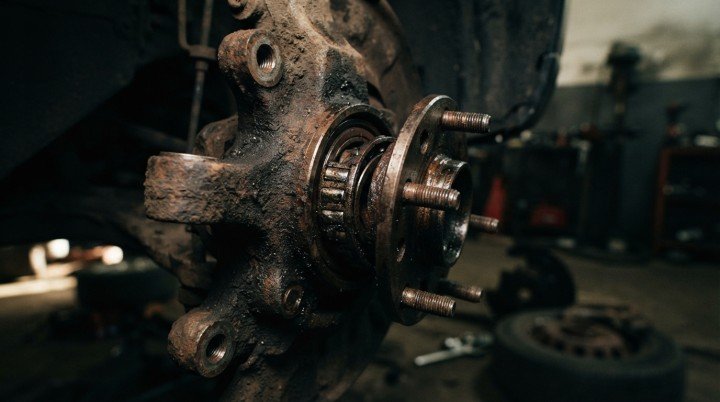
3. Noise Changes When Turning
A damaged bearing may become louder or quieter during a turn because cornering changes the load on each wheel.
For example, a noise that increases during a left turn may suggest a problem on the right side, but this isn’t a reliable rule for every vehicle.
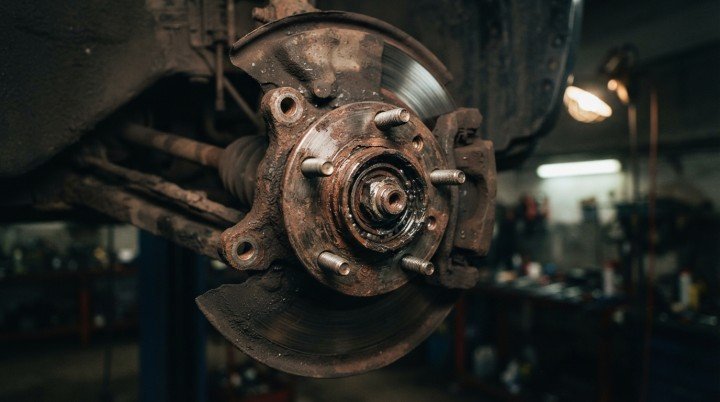
4. Steering Wheel or Floor Vibration
Severely worn bearings may contribute to vibration through the steering wheel, seat, or floor.
However, tire imbalance, damaged wheels, and suspension problems are more common explanations for many vibrations.
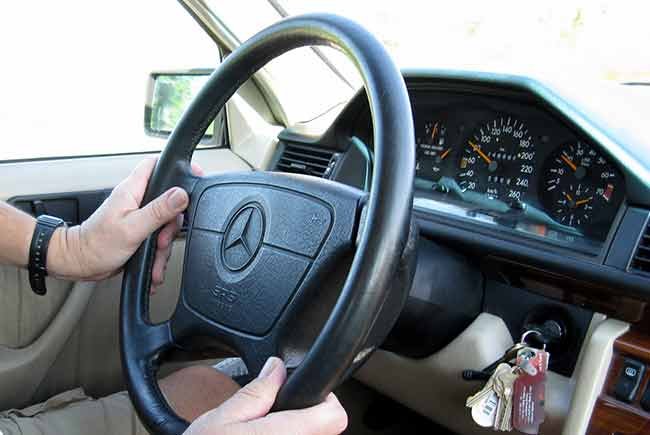
5. Excessive Wheel Play or Wobbling
A badly worn bearing may allow abnormal movement at the wheel hub. This can affect handling and may indicate a serious safety problem.
Keep in mind that some defective bearings make noise without developing noticeable wheel play.
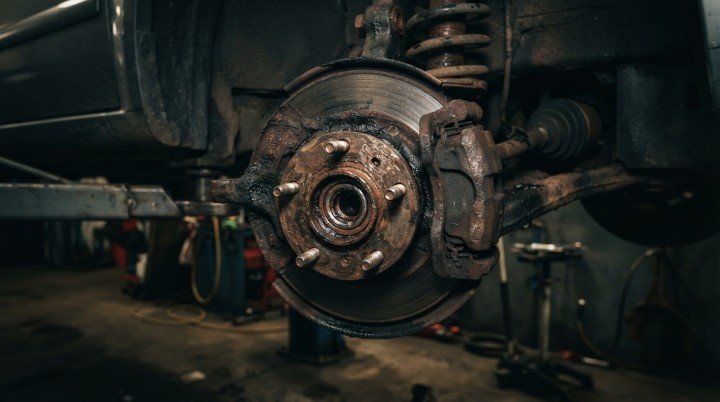
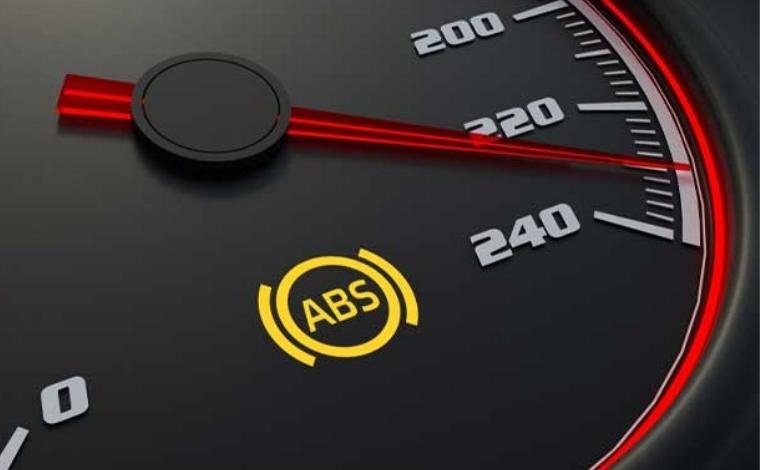
6. ABS Warning Light
On some vehicles, bearing or hub problems can affect the wheel-speed sensor or magnetic encoder used by the anti-lock braking system.
An illuminated ABS light doesn’t automatically mean the wheel bearing is bad. Sensor wiring, tone rings, and other ABS components may be responsible.
7. Uneven Tire Wear or Unusual Handling
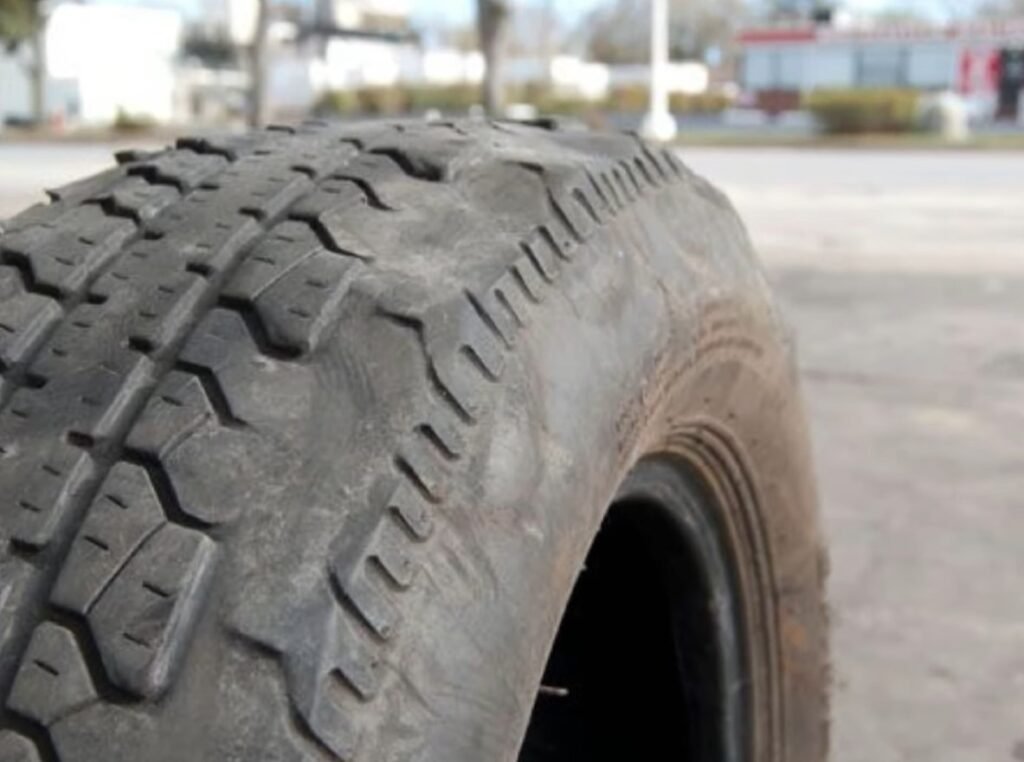
Severe hub looseness may contribute to abnormal tire wear or unstable handling. However, uneven tire wear is more commonly associated with alignment, suspension, or tire-pressure problems.
Don’t replace a wheel bearing based on tire wear alone.
What Happens If You Keep Driving With a Bad Wheel Bearing?
Continued operation can make existing bearing damage worse.
As the rolling surfaces deteriorate, friction may increase. This can produce additional heat and accelerate damage to the bearing and surrounding hub components.
In more advanced cases, excessive movement may affect brake alignment, damage an ABS encoder, or interfere with normal wheel rotation.
The most serious possibilities include:
- Bearing seizure: Severe internal damage may cause the bearing to bind or stop rotating properly.
- Loss of wheel stability: Excessive looseness can affect steering and vehicle control.
- Hub or axle damage: Continued movement and heat can damage nearby components.
- Wheel separation: Certain severe bearing or hub failures can compromise wheel retention.
Wheel separation is not an inevitable outcome of a noisy bearing, but the potential consequences are serious enough that continued driving should not be taken lightly.
What Should You Do If a Wheel Bearing Starts Grinding While Driving?
If a wheel suddenly develops loud grinding or severe vibration, focus on bringing the vehicle to a controlled stop.
- Reduce speed smoothly. Avoid sudden braking or sharp steering unless necessary to prevent an immediate collision.
- Find a safe stopping location. Move away from active traffic when possible and use hazard lights as appropriate.
- Don’t touch the wheel or hub. A damaged bearing or dragging brake can generate enough heat to cause burns.
- Arrange towing. Don’t attempt to drive farther just because the noise temporarily becomes quieter.
- Request a complete inspection. The mechanic should examine the bearing, hub, brakes, wheel mounting, and nearby suspension components.
Important: If the vehicle develops severe wheel wobble, smoke, or a locking wheel, stop as soon as it is safe. Do not attempt to continue driving to a repair shop. If you’re stranded in a dangerous highway location, follow local roadside safety guidance and contact emergency assistance when necessary.
What Makes a Bad Wheel Bearing Fail Faster?
Several conditions can accelerate existing bearing wear:
- Heavy loads: Extra cargo and towing increase the forces acting on wheel bearings.
- Potholes and curb impacts: Sudden impacts can damage bearing surfaces or related hub components.
- Water and contamination: Damaged seals may allow moisture and debris to enter the bearing.
- Road salt: Corrosion can damage surrounding components and contribute to bearing problems.
- Incorrect installation: Improper pressing methods or incorrect axle-nut torque can shorten bearing life.
- Existing internal damage: Continued operation may accelerate wear once bearing surfaces are compromised.
Highway driving also exposes the bearing to sustained rotation and load. However, speed alone cannot predict when failure will occur.
How to Tell Which Wheel Bearing Is Bad
Does the Noise Change When Turning Left or Right?
When a vehicle turns, its weight shifts toward the outside wheels. This can change the load on a damaged bearing and alter the sound.
A right-side bearing may become louder during a left turn, but noise patterns vary with suspension design, bearing condition, and the direction of internal loading.
Don’t use this observation as the only basis for replacing a bearing.
Is It the Front or Rear Wheel Bearing?
Front bearing noises may sometimes be felt through the steering wheel, while rear bearing noises may seem to come from the seat or cargo area.
Unfortunately, sound travels through the vehicle body, making the location difficult to judge from the driver’s seat.
Why Mechanics Check All Four Wheels
A technician may road-test the vehicle, inspect each wheel, and use chassis microphones or other diagnostic equipment to locate the noise.
Checking all four wheels helps avoid replacing the wrong bearing, particularly when tire noise or multiple worn components complicate the diagnosis.
Bad Wheel Bearing vs. Tire, Brake, or CV Joint Noise
Not every humming or grinding sound comes from a wheel bearing. Several problems can sound remarkably similar.
| Possible Problem | Typical Clue |
|---|---|
| Bad wheel bearing | Humming or growling often changes with vehicle speed or cornering load. |
| Uneven tire wear | Roaring or humming may change with road surface and tread condition. |
| Brake problem | Scraping or grinding may change when the brakes are applied. |
| Worn CV joint | Clicking during tight turns, especially while accelerating. |
| Differential problem | Whining may change during acceleration or deceleration. |
For example, a cupped tire can create a roaring sound that closely resembles a failing bearing. A dragging brake caliper can also produce grinding, vibration, and excessive heat.
If the wheel becomes unusually hot, the mechanic should check for both bearing damage and sticking brake caliper symptoms rather than assuming one specific cause.
How Can You Check a Bad Wheel Bearing at Home?
You can look for warning signs, but a home inspection has limitations.
Listen for Changes in Noise
Pay attention to whether the sound follows vehicle speed, changes with road surface, or becomes more noticeable while turning normally.
Don’t perform aggressive swerving maneuvers to test a suspected bearing.
Look for Visible Problems
With the vehicle safely parked, look for obvious wheel tilt, damaged tires, leaking grease around applicable hub assemblies, or unusual brake damage.
Visible problems may indicate other faults, so they don’t confirm bearing failure by themselves.
Check Wheel Play Only With Proper Equipment
A trained person can inspect wheel movement with the vehicle correctly lifted and supported on appropriate jack stands.
Never work under a vehicle supported only by a jack. Also, remember that wheel play may come from suspension or steering components rather than the bearing.
Know When Professional Diagnosis Is Necessary
A bearing can be defective without obvious looseness. A mechanic may need to rotate the wheel, inspect related parts, and perform additional testing to identify the problem accurately.
Before Approving a Wheel Bearing Replacement, Ask:
- Which wheel bearing has been confirmed defective?
- What test or inspection identified the problem?
- Have tire noise, brakes, and suspension issues been ruled out?
- Does the repair include a complete hub assembly or only the bearing?
- Will the replacement include the required new fasteners and proper torque procedures?
Can a Bad Wheel Bearing Damage Other Car Parts?
Yes. Depending on the severity and bearing design, excessive heat or hub movement may damage surrounding components.
Possible affected parts include the wheel hub, ABS sensor or encoder, brake rotor, and nearby axle-related components.
Severe looseness can also affect wheel alignment under load, although unusual tire wear should not automatically be blamed on the bearing.
Repairing the confirmed problem promptly can reduce the chance of additional damage and unnecessary repair costs.
How Much Does Wheel Bearing Replacement Cost in 2026?
In the United States, replacing a wheel bearing commonly costs approximately $200–$500 per wheel for many passenger vehicles. Some repairs cost less, while luxury vehicles, trucks, and difficult-to-service designs can exceed $800.
These are broad planning estimates, not fixed 2026 prices. Actual quotes depend on the vehicle, location, parts, and labor.
Several factors influence the final bill:
- Bearing design: A bolt-on hub assembly may be simpler to replace than a press-in bearing.
- Front or rear location: Labor requirements vary by drivetrain and suspension design.
- Corrosion: Rusted hubs and seized fasteners can increase labor time.
- Parts quality: OEM and reputable aftermarket assemblies may have different prices and warranties.
- Additional damage: Related hub, axle, or brake repairs may increase the total.
Always ask for an itemized estimate and confirmation of which bearing needs replacement.
Do You Need to Replace Both Wheel Bearings at the Same Time?
Usually, no. Wheel bearings don’t generally need to be replaced in pairs the way some other automotive components do.
If one bearing is defective and the opposite bearing passes inspection, replacing only the failed unit is often reasonable.
However, both bearings may have experienced similar mileage, road conditions, and environmental exposure. If the opposite side is also noisy, loose, or otherwise defective, replacing both may make sense.
A shop should explain the condition of each bearing rather than automatically recommending two replacements.
Is There a Temporary Fix for a Bad Wheel Bearing?
For most modern sealed wheel bearings, there is no dependable temporary repair once the internal bearing surfaces are damaged.
Adding grease from the outside won’t restore a sealed, worn bearing. Tightening a loose axle nut also won’t repair damaged rolling surfaces, although incorrect fastener torque can itself cause problems.
Some older vehicles use serviceable wheel bearings that can be inspected, cleaned, lubricated, and adjusted according to manufacturer procedures. However, a worn or damaged bearing still requires replacement.
Don’t rely on temporary noise reduction as evidence that the bearing is safe.
Frequently Asked Questions
Can I drive 10 miles with a bad wheel bearing?
Some mildly worn bearings may continue operating for ten miles, but there is no guarantee. If you notice grinding, looseness, strong vibration, or overheating, don’t attempt the trip. Arrange towing instead.
Can a bad wheel bearing suddenly fail?
Yes. Although many bearings deteriorate gradually, severe damage can progress unpredictably. A bearing may seize or develop dangerous looseness without providing a reliable warning period.
Is highway driving dangerous with a bad wheel bearing?
It can be. Highway driving exposes the bearing to sustained speed and loading. A failure at higher speeds may also make the vehicle more difficult to control. Avoid highway travel until the problem is diagnosed.
Can a bad wheel bearing cause a wheel to fall off?
In certain severe bearing or hub failures, wheel retention can be compromised. This is not the normal outcome of every noisy bearing, but it is one reason advanced bearing damage must be taken seriously.
Can a wheel bearing be bad without making noise?
Yes. Some bearings develop looseness or other defects without producing obvious humming or grinding. An inspection may reveal problems that aren’t noticeable while driving.
Will a bad wheel bearing cause steering wheel vibration?
It can, particularly when wear becomes severe. However, tire imbalance, bent wheels, and suspension problems are common causes of steering vibration, so diagnosis is important.
Can a bad rear wheel bearing be as dangerous as a front one?
Yes. A severely damaged rear bearing can affect wheel stability and vehicle control. Both front and rear bearing failures deserve prompt attention.
Can a bad wheel bearing trigger the ABS warning light?
Yes, on some vehicles. Damage to the wheel-speed sensor, magnetic encoder, or related components may trigger an ABS warning. However, the light can also indicate unrelated ABS faults.
Final Verdict: How Long Is Too Long to Drive With a Bad Wheel Bearing?
There is no reliable number of miles or days that makes it safe to drive with a bad wheel bearing.
A faint humming sound may be the first sign of wear, but it doesn’t tell you how much life the bearing has left. Waiting until the noise becomes unbearable can expose you to unnecessary risk and more expensive repairs.
Arrange professional inspection promptly when bearing symptoms appear. If you experience grinding, wheel wobble, severe vibration, smoke, or unusual heat, stop safely and have the vehicle towed.
The safest approach is to diagnose the problem before a noisy bearing becomes a roadside emergency.

Kevin Nicholas is an automotive mechanic and editor of The Effective Guide. He writes about warning lights, car problems, and diagnostic tools, helping drivers understand what to check before replacing a part.