
Last Updated on October 7, 2026
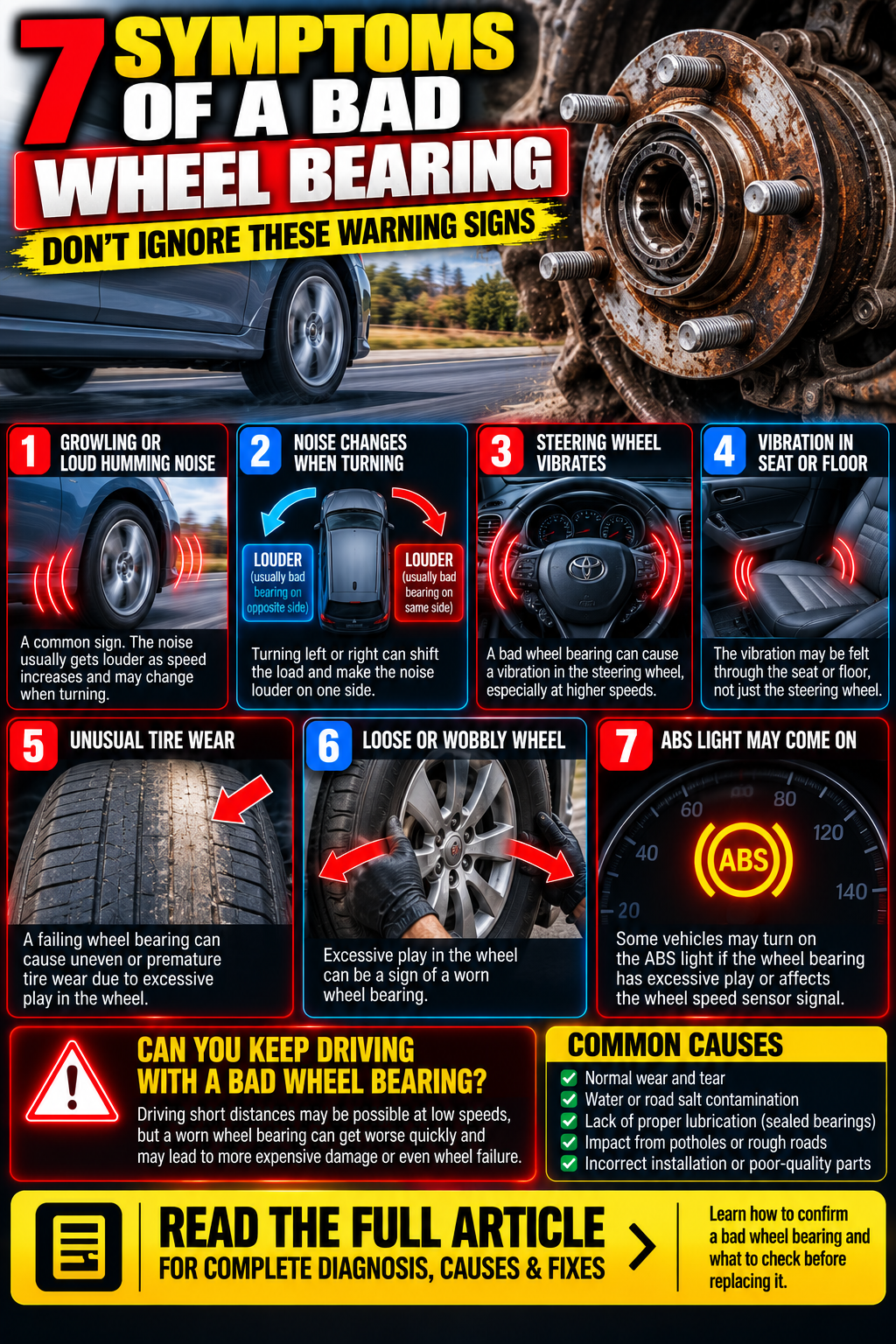
A failing wheel bearing rarely begins with a dramatic bang. More often, it starts as a faint hum that blends into normal road noise. You may hear it only on smooth pavement, or only after the car reaches 35 or 40 mph. By the time that hum becomes a growl, the bearing may already have enough wear to affect the wheel hub, brakes, or ABS system.
That is what makes wheel-bearing trouble easy to misdiagnose. Cupped tires can roar. A worn CV joint can click around corners. An unbalanced wheel can shake the steering wheel. Even a dragging brake can create heat and grinding near one wheel.
The clearest bad wheel bearing symptoms form a pattern rather than appearing as one perfect giveaway: a humming or growling noise that follows road speed, changes when the car turns, and may eventually be joined by wheel play, vibration, or an ABS warning light.
Quick answer: The earliest clue is usually a faint hum or whir that gets louder as the car moves faster. If the sound also changes during a gentle left or right curve, a worn wheel bearing becomes more likely—but the tires, brakes, and CV joints still need to be ruled out before any part is replaced.
Bad Wheel Bearing Symptoms: 9 Signs Worth Taking Seriously
The order matters here. The first few signs can appear while the car still feels normal. The later signs suggest greater looseness or physical damage inside the bearing or hub assembly.
1. A Faint Humming or Whirring Noise
An early wheel bearing noise is often quieter than people expect. It may sound like distant traffic, an electric motor, or the low drone of an airplane cabin. Because it builds gradually, a driver who uses the car every day may not notice it until a passenger points it out.
Pay attention to what controls the sound. A wheel bearing rotates with the wheel, so its noise generally follows vehicle speed, not engine speed. As the car moves faster, the pitch or frequency may increase. If the sound is present while coasting and does not disappear when you lift off the accelerator, the engine becomes a less likely source.
This test does not prove the bearing is bad. Tire tread noise and some drivetrain noises also follow road speed. It simply narrows the search to components that continue rotating with the wheels.
2. A Growl or Rumble That Rises With Speed
As bearing wear progresses, the quiet hum can become a deeper growl, rumble, or roar. The sound may be mild at neighborhood speed but difficult to ignore on the highway. Some drivers describe it as driving over coarse pavement even when the road is smooth.
The important detail is consistency. A failing wheel bearing often produces a repeating, speed-related sound on different stretches of road. Tire noise is more likely to change noticeably when the pavement changes from smooth asphalt to rough concrete.
Do not assume that a louder noise automatically reveals which wheel is responsible. Sound can travel through the suspension, floor, and body of the vehicle. A rear bearing may seem to be coming from the front, and a noise heard near the driver can originate on the passenger side.
3. The Noise Changes During a Gentle Turn
A worn bearing often becomes louder or quieter when the car follows a broad curve. Turning shifts some vehicle weight from one side to the other, changing the load on each bearing.
If the growl becomes louder during a gentle left turn, the right-side bearing may be under greater load and may be the problem. If it becomes louder during a right turn, the left side becomes more suspicious. This common rule is only a clue, not a final diagnosis. Tire noise, vehicle design, and sound traveling through the chassis can make the apparent side misleading.
There is no reason to swerve the car or make a sudden steering input to perform this check. A normal curve on a clear road is enough. If the steering already feels unstable or the wheel is wobbling, skip the road test and arrange an inspection.
4. Snapping, Clicking, or Popping Around a Turn
Excessive movement within a worn hub bearing can sometimes create a snap, click, or pop, particularly during a turn. The frequency may rise as the wheel turns faster.
This symptom has an important rival: the outer CV joint. A damaged outer CV joint commonly makes a rhythmic clicking sound during a sharp turn, especially while accelerating. Clicking by itself is therefore not enough reason to buy a wheel bearing. Listen for the speed-related hum or growl and check for movement at the hub before reaching a conclusion.
A heavy clunk when shifting from Drive to Reverse, crossing a bump, or changing from acceleration to coasting is not a typical wheel-bearing clue. That kind of sound more often points toward a CV joint, U-joint, suspension joint, mount, or drivetrain backlash.
5. Grinding While the Car Is Moving
Grinding is no longer an “early” warning. It can mean that rolling elements or bearing surfaces have been physically damaged and are no longer moving smoothly. The sound may become more obvious while turning or whenever the load shifts across the wheel.
Several brake problems can sound nearly identical. A worn brake pad, bent dust shield, lodged stone, or damaged rotor can all scrape or grind. One useful distinction is timing: brake-related noise often changes when the pedal is applied, while bearing noise is more closely linked to wheel speed and cornering load. That distinction is useful, but a hands-on inspection is still needed.
Loud grinding, a loose wheel, or rapidly worsening vibration is a reason to stop driving rather than test the car again.
6. Wheel Wobble or Excessive Play
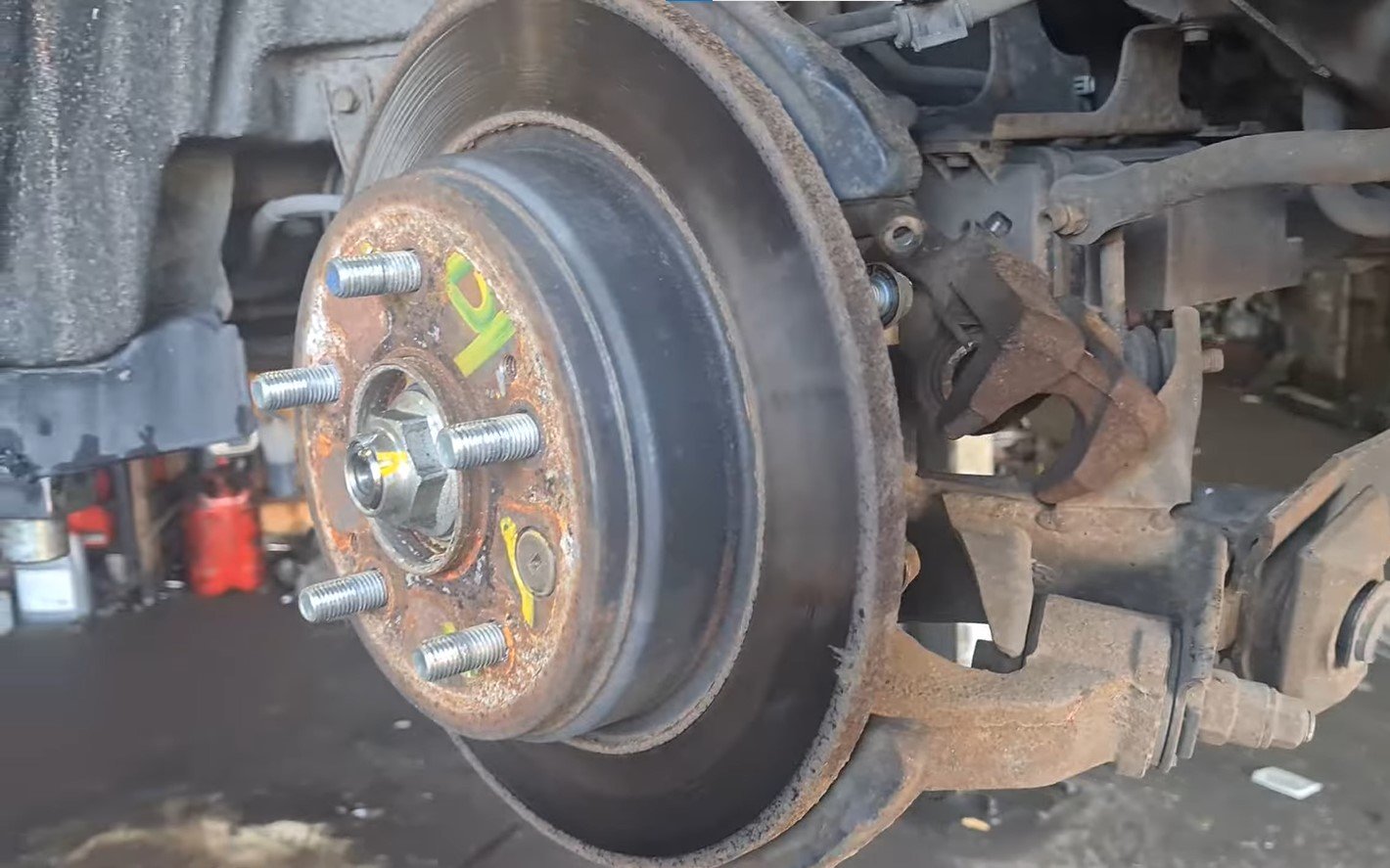
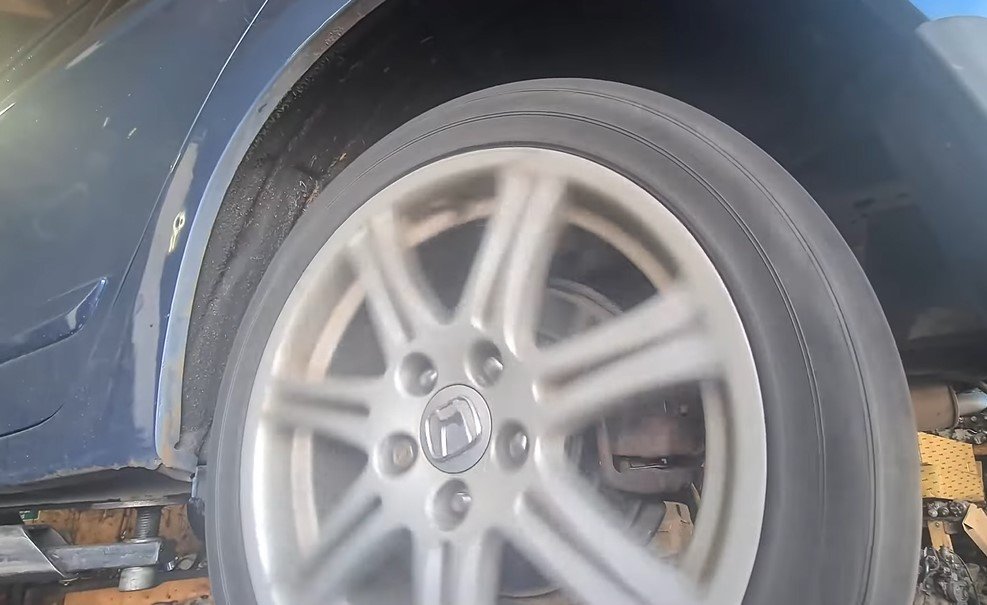
Once a bearing develops enough internal clearance, the wheel and hub may no longer remain perfectly stable. A technician may find movement by safely raising the vehicle, holding the tire at the 12 and 6 o’clock positions, and checking for play. Turning the wheel by hand may also reveal roughness, resistance, or grinding.
Wheel play is serious, but it is not exclusive to the bearing. Worn ball joints, tie-rod ends, control-arm bushings, or loose fasteners can also allow movement. The person performing the test needs to watch which component moves rather than assuming every loose wheel needs a hub assembly.
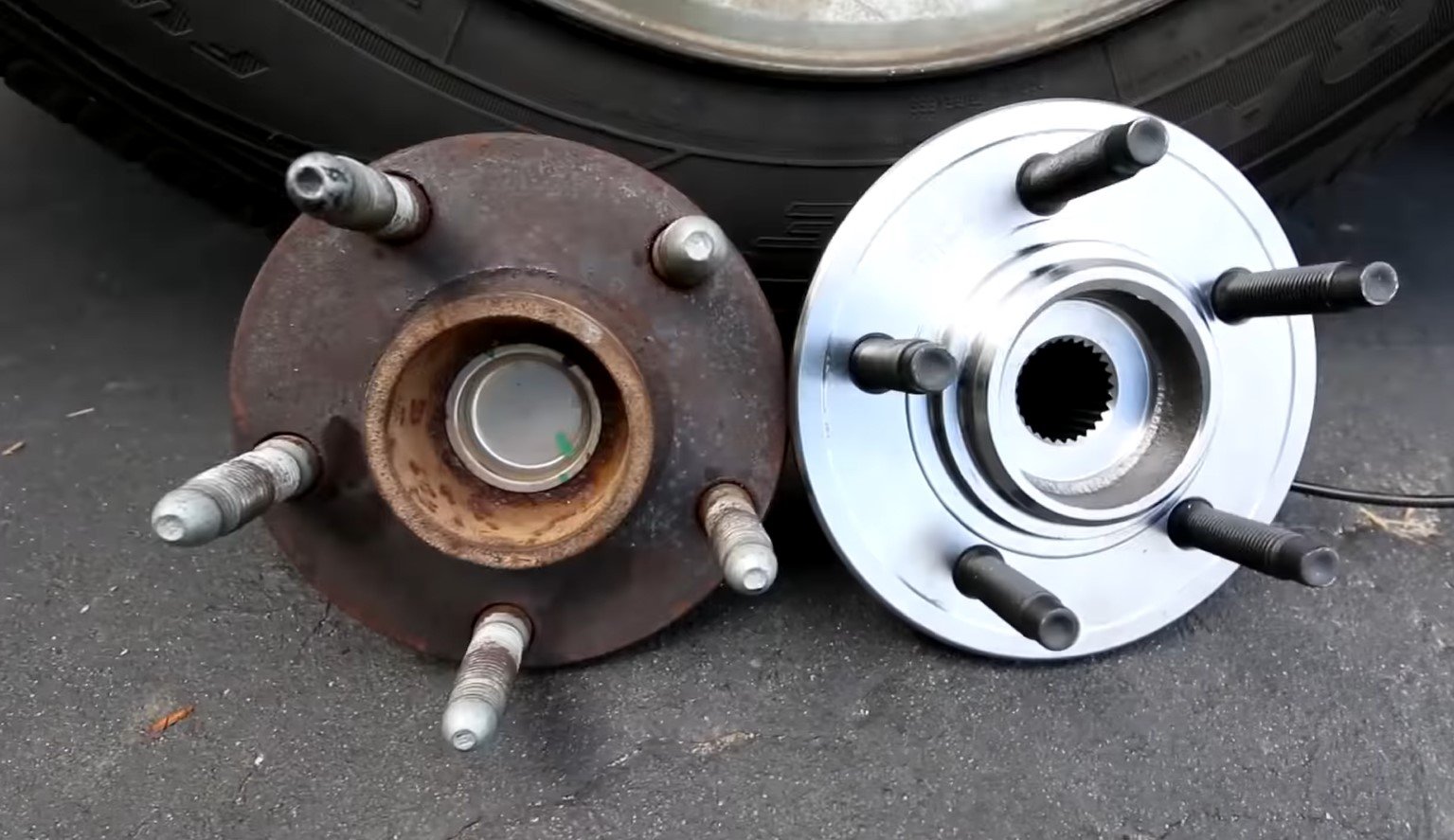
The reverse is also important: a noisy bearing may have no obvious play yet. Some bearings become rough and loud before enough clearance develops to be felt by hand. A quick shake test cannot rule out every early failure.
7. Vibration or an Unsettled Steering Feel
A mechanically damaged wheel bearing can send vibration through the suspension. A front bearing may be felt through the steering wheel; a rear bearing may be easier to feel through the seat or floor. The vibration can become more noticeable as road speed increases or as a turn loads the affected corner.
However, a constant-speed shimmy—or a shake that appears only within a narrow speed range—is not normally a strong wheel-bearing indicator. Wheel balance, a damaged tire, or an out-of-round wheel is more likely. Loose steering can also come from tie rods, ball joints, alignment problems, or the steering rack.
This is why vibration belongs in the overall pattern of signs of a bad wheel bearing, but it should not stand alone as the diagnosis. Vibration plus a speed-related growl and turning-related noise change is much more meaningful than vibration by itself.
8. The ABS or Traction-Control Light Comes On
Many modern vehicles place the wheel-speed sensor next to the bearing or integrate an encoder ring into the hub assembly. Bearing looseness, corrosion, a damaged encoder, or a changing sensor gap can create an erratic wheel-speed signal. The result may be an ABS warning light, sometimes joined by traction-control or stability-control warnings.
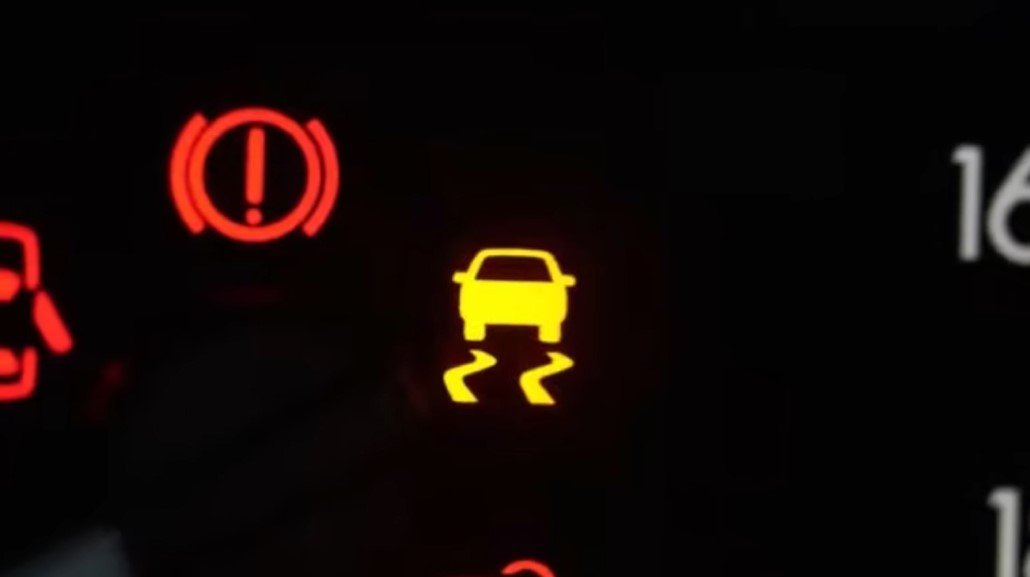
An ABS light has many possible causes, including a failed sensor, broken wire, damaged tone ring, or electrical fault. A scan tool that can read ABS codes and display live wheel-speed data is far more useful than guessing. If one wheel reports an implausible speed or drops out while the others agree, the sensor and hub at that corner deserve closer inspection.
Do not replace the bearing solely because the dashboard light appeared. Confirm whether the fault is internal to the hub, external wiring, or a separate sensor problem.
9. Unusual or Uneven Tire Wear
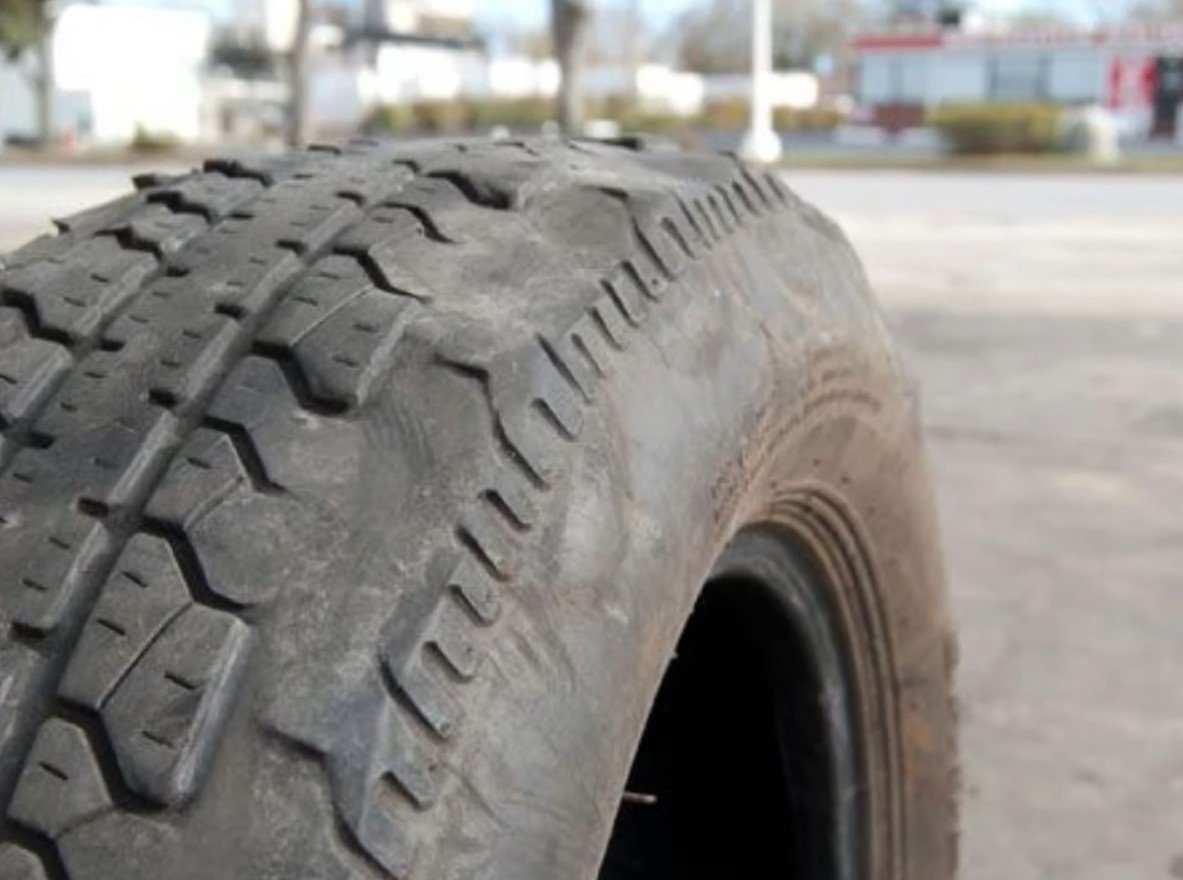
Severe bearing looseness can allow the wheel to move slightly away from its intended position. Over time, that movement may contribute to uneven tread wear, usually alongside clearer clues such as noise, wobble, or measurable play.
Treat tire wear as a supporting sign, not an early diagnosis. Incorrect pressure, misalignment, damaged shocks, and worn suspension parts cause uneven wear far more often than a wheel bearing does. If the tire is wearing unevenly but the wheel is quiet and tight, inspect those more common causes first.
Advanced looseness can also let the brake rotor move enough to contribute to pedal pulsation, uneven pad or rotor wear, or a pull while braking. Those symptoms usually point to the brake system first—especially a sticking caliper, damaged rotor, or hydraulic imbalance. The bearing becomes more relevant when the brake change appears at the same corner as a growl, wobble, ABS fault, or confirmed hub play.
The Earliest Clue Is Not Always Wheel Play
Drivers often expect a failed bearing to feel loose when the tire is shaken. In reality, noise can arrive well before noticeable movement. The raceway may be pitted or rough while the assembly is still tight enough to pass a basic play check.
That creates two common mistakes:
- A bearing is declared good because the wheel does not move by hand.
- The bearing on the side where the driver hears the noise is replaced without confirming the source.
Early detection works better when three observations agree: the sound follows road speed, its intensity changes with steering load, and the tires do not show a wear pattern that explains the noise.
Wheel Bearing Noise vs. Tire Noise vs. CV-Joint Noise
The following comparison is more useful than trying to identify a component from one sound clip:
| What you notice | Wheel bearing is more likely | Another cause is more likely |
|---|---|---|
| Low hum or growl | Sound rises with road speed and changes during a gentle curve | Tire noise changes substantially with the road surface |
| Clicking in turns | Clicking is joined by hum, roughness, or hub play | Rhythmic clicking is strongest during sharp turns under acceleration: inspect the outer CV joint |
| Steering vibration | Vibration builds with bearing noise or cornering load | Shimmy occurs mainly within one narrow speed range: inspect balance and tire condition |
| Grinding | Noise continues with wheel rotation and changes as the wheel is loaded | Noise responds mainly to brake-pedal application: inspect pads, rotor, and dust shield |
| Pulling | Bearing play and other hub symptoms are present | Pull happens mainly under braking: inspect the caliper and brake system first |
| Clunking | Rarely the leading bearing clue | Inspect suspension joints, CV/U-joints, mounts, and drivetrain backlash |
This distinction matters because wheel bearing noise and cupped tire noise can be remarkably similar from the driver’s seat. If the tread has alternating high and low areas, the tire can produce a rhythmic roar that increases with speed. Running a hand carefully across the stationary tire tread can reveal the uneven pattern, although a complete inspection is still the safer choice.
How to Tell if a Wheel Bearing Is Bad Without Guessing
You do not need to recreate a failure or drive aggressively. A simple sequence can provide useful information while keeping the diagnosis grounded.
Start With the Sound, Not the Suspected Side
Turn down the radio and climate-control fan on a familiar, smooth road. Note the speed at which the noise begins. Does it continue while coasting? Does the pitch follow road speed even though engine rpm falls?
Write down what happens instead of relying on memory. “Starts around 35 mph, louder at 50, unchanged by throttle” is more helpful to a technician than “the front wheel sounds bad.”
Compare Two Road Surfaces
Notice whether the sound changes sharply when the pavement changes. A dramatic difference points more strongly toward tire tread. A bearing-related hum is usually more consistent across surfaces, though cabin insulation and road noise can still mask it.
Use Normal Curves to Observe Load Changes
During ordinary driving on a safe road, listen for a change through a broad left or right curve. Do not weave, jerk the steering wheel, release the wheel, or repeat the test at high speed. If the car feels loose, skip this step.
Inspect All Four Tires
Look for cupping, feathering, exposed cords, a bulge, or one tire wearing differently from the others. Check tire pressure against the vehicle placard. A tire defect is not only a diagnostic distraction; it can be an immediate safety problem of its own.
Leave Lifting to Safe Equipment
If the vehicle can be raised on a proper lift or supported correctly on jack stands, the wheel can be checked for play and rotated by hand. A jack by itself is not adequate support. Movement at the tire does not identify the bearing by itself; the person checking it must watch for play in the ball joint, tie rod, and other suspension or steering parts. A bearing can also be noisy before it becomes loose enough to detect this way.
Scan the ABS System When a Warning Light Is Present
A basic engine-code reader may not access ABS data. A capable scan tool can retrieve chassis codes and compare wheel-speed readings. This can identify the corner that deserves inspection, although wiring and sensor condition must still be checked.
Which Wheel Bearing Is Actually Bad?
The usual turning rule is simple: a left curve generally adds load to the right side, and a right curve generally adds load to the left. If the growl becomes louder as a side is loaded, the bearing on that side moves higher on the suspect list—but it is not confirmed yet.
The rule is not perfect. Body structure can transmit sound, rear noise can appear to come from the front, and tires can also respond to weight transfer. A professional may compare all four corners on a lift, feel the suspension spring for rough bearing vibration while the wheel rotates, or use electronic chassis microphones during a road test.
Replacing the side that merely sounds loudest from the driver’s seat can leave the original noise unchanged. Confirming the corner is often more important than confirming that the general noise resembles a bearing.
Can You Drive With a Bad Wheel Bearing?
There is no dependable mileage allowance for a failing bearing. One may remain noisy for a while; another may worsen quickly after a pothole impact, lubricant loss, water intrusion, or internal damage. The current symptoms are more useful than a distance estimate.
Arrange an inspection promptly if you have a new hum or growl that follows road speed, particularly when the sound changes in turns.
Stop driving and arrange a tow if you notice:
- Loud grinding that is becoming worse
- Visible or noticeable wheel wobble
- Significant wheel play
- Sudden steering instability
- Severe vibration
- Smoke, a burning smell, or extreme heat from one wheel area
- A major change in braking behavior
Continued driving can damage the hub, axle, ABS components, brake rotor, or tire. In an extreme failure, the bearing can seize or allow the wheel-and-hub assembly to become dangerously loose. Do not touch a wheel, hub, rotor, or caliper that may be overheated; bearing and brake problems can make those parts hot enough to cause a burn.
What a Mechanic Checks Before Replacing the Hub
A useful diagnosis should do more than confirm that the car makes noise. It should identify the corner and rule out the parts that commonly imitate a bearing.
A technician may:
- Road-test the vehicle and record how the noise responds to speed, throttle, braking, and cornering load
- Inspect the tires for cupping, feathering, damage, and incorrect pressure
- Check wheel, ball-joint, tie-rod, and suspension play
- Rotate each wheel and compare roughness or noise between corners
- Inspect the brake shield, pads, rotor, and caliper for contact or drag
- Scan ABS codes and compare live wheel-speed data
- Use a stethoscope or electronic chassis microphones to isolate the source
- Check axle-nut and wheel-fastener condition when appropriate
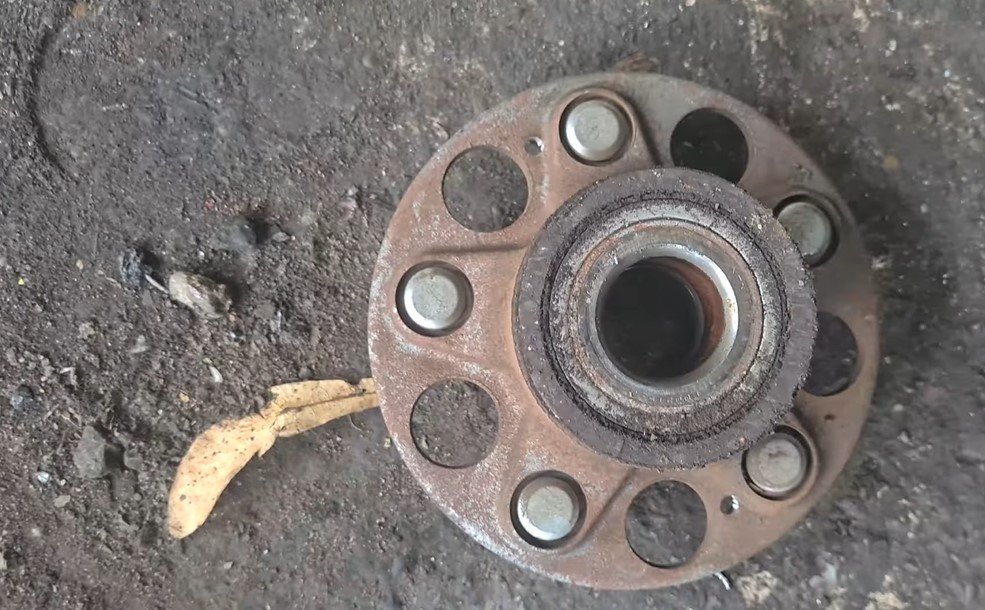
This process prevents an expensive parts-swapping exercise. Modern vehicles often use a sealed hub assembly, but some applications use a separate press-in bearing. The correct repair depends on the vehicle, and installation torque matters. An incorrectly tightened axle nut can shorten the life of a new bearing.
Why Wheel Bearings Fail
Wheel bearings are designed to carry the vehicle’s weight while handling cornering and braking loads. They can last a long time, but they are not immune to damage. Common contributors include:
- Impact from potholes, curbs, or road debris
- Water, dirt, or road salt entering through a damaged seal
- Incorrect installation or improper axle-nut torque
- A previous collision or damaged hub
- Oversized or unusually heavy wheel-and-tire combinations
- Repeated overloading or harsh driving conditions
- Normal wear over high mileage
A bearing that fails soon after replacement deserves a closer look. The root cause may be installation error, a damaged mounting surface, incorrect torque, or another part placing abnormal load on the hub.
Frequently Asked Questions
What Does a Bad Wheel Bearing Sound Like?
It commonly begins as a hum, whir, or drone and may progress to a growl, rumble, or grinding sound. The noise usually follows road speed and may change when steering shifts the vehicle’s weight from one side to the other.
Can a Bad Wheel Bearing Make Noise Without Having Play?
Yes. Internal surface damage can create noise before the bearing develops enough clearance to feel loose during a basic wheel check. No play does not automatically rule out an early bearing problem.
Can a Bad Wheel Bearing Turn On the ABS Light?
Yes, on vehicles where bearing movement or hub damage affects the wheel-speed sensor or encoder ring. However, wiring faults, sensor failure, corrosion, and tone-ring damage can create the same warning, so the ABS system should be scanned before replacing parts.
Do Both Wheel Bearings Need to Be Replaced Together?
Not automatically. Unlike brake pads, wheel bearings are not always replaced in axle pairs. The opposite side should be inspected, especially if both have similar age and mileage, but a confirmed failure on one side does not prove the other side is bad.
Kevin Nicholas is an automotive mechanic and editor of The Effective Guide. He writes about warning lights, car problems, and diagnostic tools, helping drivers understand what to check before replacing a part.