
Your car starts normally, but the temperature gauge acts strangely. One day it barely moves; the next, it climbs sooner than you expect. Then you notice the cooling fan running more often, or the check engine light appears.
Those clues may lead you to the coolant temperature sensor. They may also lead you to a thermostat, a cooling fan problem, or damaged wiring. The symptoms overlap because all these problems can affect what you see on the dashboard.
The key to understanding bad coolant temperature sensor symptoms is to separate the engine’s actual temperature from the temperature reported to the car’s computer. That distinction matters most when the gauge says the engine is hot. You need to rule out real overheating before deciding the sensor is giving a false warning.
What Does the Coolant Temperature Sensor Do?
The engine coolant temperature sensor, usually called the ECT sensor, reports coolant temperature to the engine computer. The computer uses that reading when managing fuel delivery and, on many vehicles, the electric cooling fan. Some vehicles also use it to supply information to the dashboard temperature gauge.
An engine needs different fueling when it is cold than when it has warmed up. If the computer receives a false “cold” reading, it may add more fuel than the engine needs. An unreliable reading can also affect fan operation or trigger a warning.
The ECT sensor does not measure how much coolant is in the system. A coolant level sensor is a different part. Some cars also have a separate temperature sender for the gauge. That is why an odd gauge reading deserves investigation, but does not prove the ECT sensor itself has failed.
Bad Coolant Temperature Sensor Symptoms: 8 Signs to Watch For
None of these signs is exclusive to an ECT fault. Pay attention to when a symptom appears and whether the car shows other clues at the same time.
1. The Check Engine Light Comes On
An ECT signal problem can turn on the check engine light. A scan may show a code such as P0116, P0117, or P0118.
The code tells you where to begin checking. It cannot, by itself, tell you to replace the sensor. The connector may be corroded, a wire may be damaged, or the signal may be interrupted elsewhere in the circuit. For example, P0117 describes low circuit voltage; it does not simply mean the engine is cold.
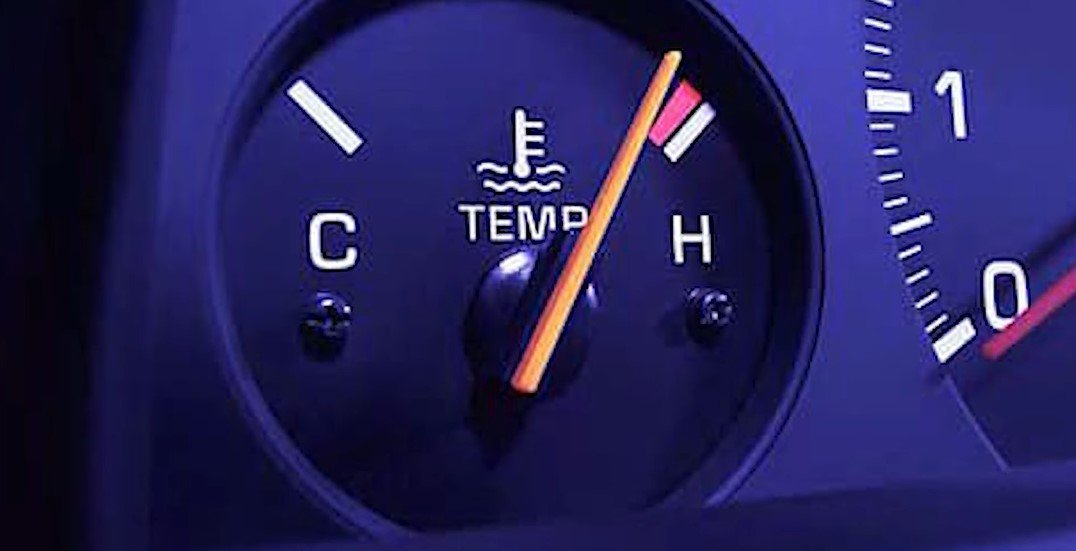
Record the code before clearing it. If you have a scanner that displays live data, look at the reported coolant temperature as well. A code and an obviously unreasonable temperature reading together provide a more useful starting point than the warning light alone.
2. The Temperature Gauge Gives an Unbelievable Reading
Picture a car that has been parked overnight. You turn the key, and the gauge immediately shows hot. Unless the engine has another explanation for being hot, that reading deserves a closer look.
The opposite can happen too: the gauge stays cold well into a drive or jumps around without a clear change in driving conditions. A sensor signal or electrical connection may be at fault. On a vehicle with a separate gauge sender, the problem might not involve the ECT sensor at all.
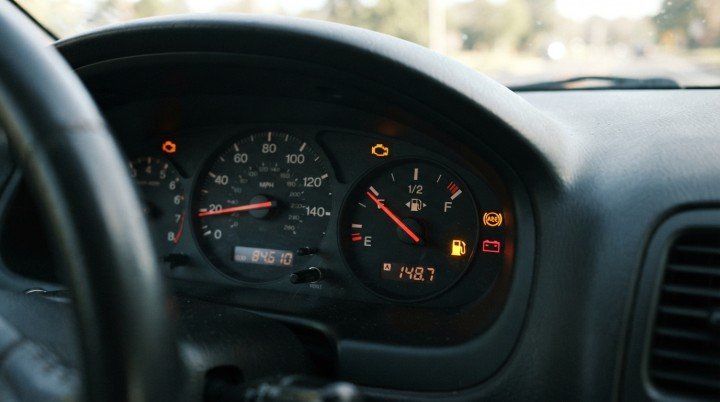
There is one distinction you should never skip. A gauge that steadily climbs toward hot may be reporting real overheating. Do not keep driving because you suspect the gauge is wrong.
3. The Cooling Fan Runs at an Odd Time
A fan that fails to come on when the engine gets hot can lead you toward the temperature information the car is receiving. On some vehicles, the opposite pattern—fans running unusually often—can occur when the computer loses a reliable temperature signal.
Fan behavior is not a simple sensor test. The air conditioner can request fan operation. Different vehicles also respond differently to a signal fault, and a bad fan motor, relay, fuse, or wire can create its own problem.
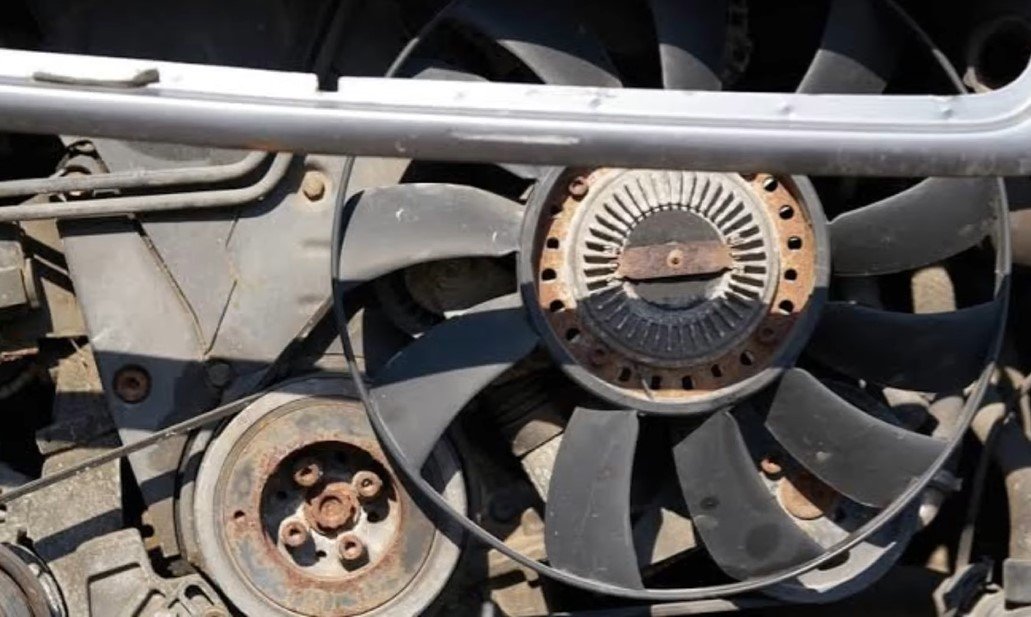
Among bad coolant temperature sensor symptoms, this is one where context matters especially much. Note whether the air conditioner is on, what temperature the scanner reports, and whether the engine actually begins to run hot.
4. The Engine Is Hard to Start Cold or After a Warm Stop
The car cranks, but it takes longer than usual to start. Perhaps it struggles only first thing in the morning. Perhaps it starts cold without trouble and becomes difficult to restart after you have driven it.
Temperature information helps the engine computer decide how much fuel to deliver during a start. An inaccurate reading can contribute to the wrong mixture for the engine’s actual condition.

That does not make every long crank an ECT fault. Battery, fuel, and ignition problems are often worth checking. Write down when the starting trouble happens; that pattern is more useful than simply telling a mechanic that the car “sometimes won’t start.”
5. Fuel Economy Gets Worse
A sensor that continues reporting a cold engine after warm-up may cause the computer to deliver extra fuel. You might first notice the difference because you are filling the tank more frequently on the same commute.
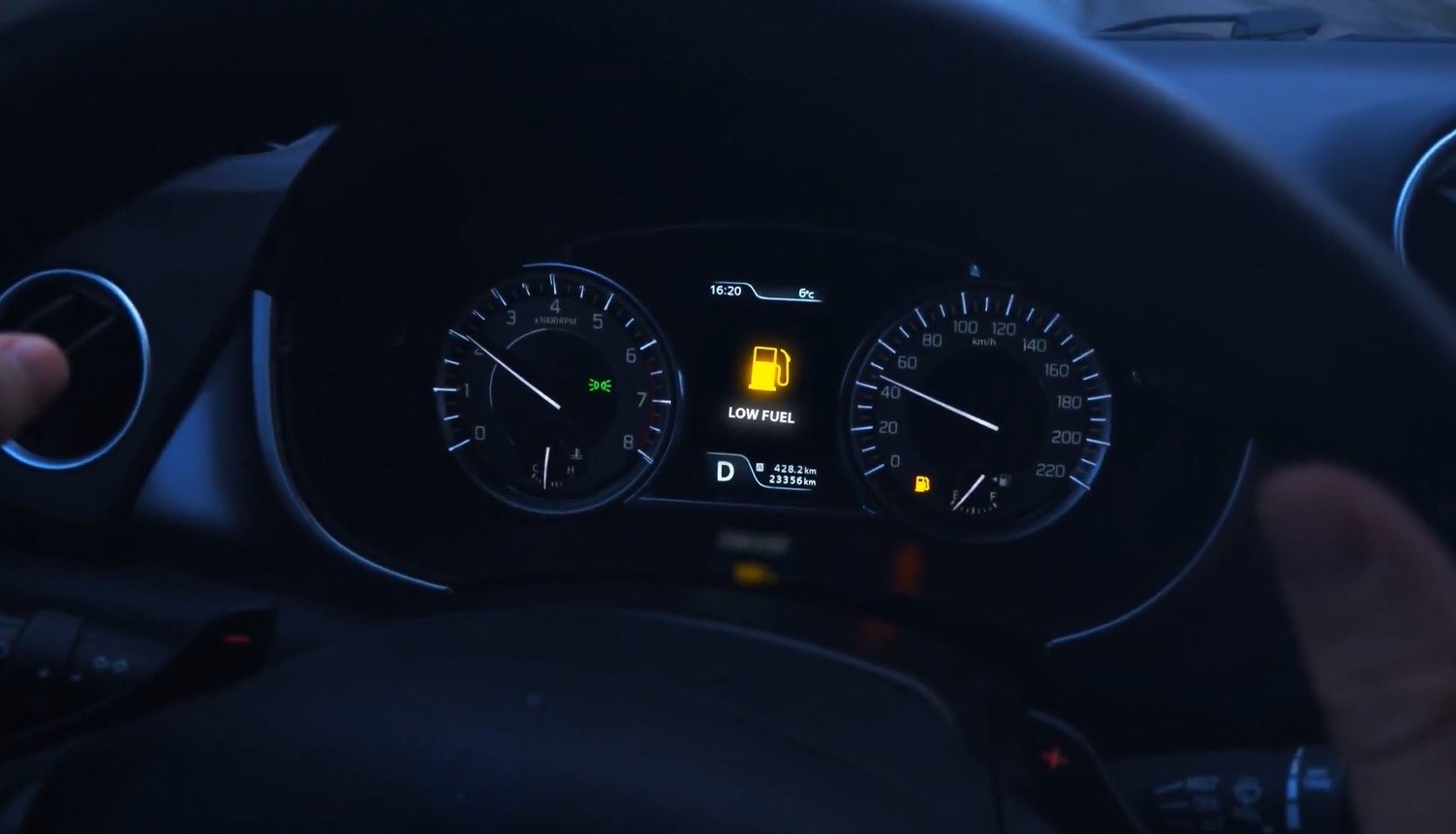
Mileage changes for many reasons, so compare like with like. Has your route or traffic changed? Are the tires properly inflated? Does the engine also idle poorly, or does the scan tool show an implausibly low coolant temperature once the car is warm?
Poor mileage becomes a stronger clue when it accompanies a temperature reading that does not make sense.
6. The Engine Idles Roughly or Hesitates
You stop at a light and feel an uneven idle that was not there before. The engine may also hesitate as you pull away. Incorrect temperature information can affect fueling and contribute to these changes.

Rough running has a long list of other possible causes. Spark plugs, intake leaks, and fuel delivery faults can all produce a similar complaint. Notice whether the engine acts differently cold and warm, then compare that pattern with its live temperature reading.
A rough idle without any temperature-related clue is a reason to diagnose the engine, not a reason to buy an ECT sensor.
7. The Exhaust Produces Black Smoke
Black smoke can indicate that the engine is running with too much fuel. A false cold reading is one possible way an ECT fault could contribute to an overly rich mixture. It may also affect emissions-test results.

This sign will not appear with every faulty sensor. If you do see black smoke, do not assume the ECT sensor caused it; other fuel and engine problems need consideration.
A smell of exhaust inside the car is a separate concern. Have it addressed promptly rather than treating it as one more sign on a sensor checklist.
8. An Overheating Warning Appears
An ECT circuit can report an incorrect high temperature and produce a warning. An unreliable signal can also affect fan control on some vehicles, potentially contributing to genuine overheating. A low coolant level, leak, thermostat fault, or another cooling system problem may be responsible instead.
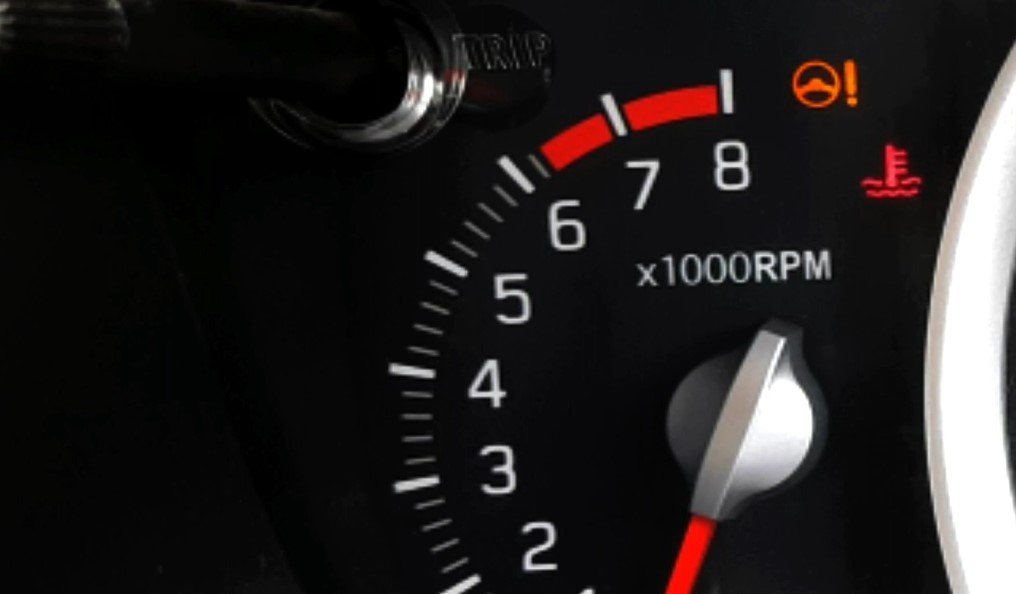
From the driver’s seat, you cannot safely decide that a hot warning is false. If the temperature keeps climbing, you see steam, or coolant is escaping, pull over in a safe place and turn off the engine. Let it cool. Never open the radiator cap while the system is hot.
Once the immediate problem is under control, compare the reported temperature with the engine’s behavior and inspect the cooling system. The sensor is only one possibility.
Which Symptoms Point More Strongly Toward the Sensor?
A check engine light and poor fuel economy could be unrelated. A strange gauge and a hard start could be unrelated too. The case for an ECT signal problem becomes stronger when several changes appear together and the reported temperature is implausible.
For example, a car that has been sitting overnight should not report that its coolant is already extremely hot. If that same car has an ECT-related code and a rough start, the sensor circuit deserves attention. If its cold reading looks reasonable but the engine genuinely overheats during a drive, the cooling system deserves attention.
This is the practical value of comparing bad coolant temperature sensor symptoms with live data. You are looking for a pattern the car’s actual condition cannot explain.
How to Check the Coolant Temperature Reading Before Replacing a Part
You can gather useful information without removing the sensor:
- Let the engine cool completely. A car parked overnight is a good starting point for comparing temperatures.
- Read the ECT live-data value before starting. It should be reasonably close to the surrounding air or intake-air temperature when the engine has had time to cool.
- Watch the reading during warm-up. Look for a believable progression rather than a fixed number or abrupt, unexplained jumps.
- Record any stored codes. Do this before clearing the check engine light.
- Inspect the connector and nearby wiring. Look for looseness, corrosion, visible damage, or coolant contamination.
- Check coolant level only when the engine is cool. Investigate a low level or leak as a cooling system problem in its own right.
These observations narrow the search; they do not replace a vehicle-specific circuit test. Resistance and voltage expectations depend on the sensor and vehicle, so use the correct repair information if you move on to electrical testing. Standard Motor Products recommends comparing cold-engine coolant temperature with ambient temperature and checking the circuit when the reading is abnormal.
Is It the Coolant Temperature Sensor or the Thermostat?
The two parts do different jobs. The sensor reports temperature. The thermostat regulates coolant flow as the engine warms.
Suppose the engine is stone cold, but the scanner already displays an extremely high coolant temperature. A thermostat cannot explain that pre-start reading. Investigate the temperature signal and its circuit.
Now suppose the cold reading is believable, but the engine’s temperature behaves abnormally as you drive. A thermostat or another cooling system fault becomes more relevant. The warm-up pattern helps direct the next test; it is not a diagnosis on its own.
This distinction prevents bad coolant temperature sensor symptoms from becoming a catch-all label for every car that runs hot or has a gauge problem.
Why Can the Reading Go Wrong?
The sensor can fail internally, but it is not the only part of the signal path. A poor connection, corroded terminals, damaged wiring, or coolant reaching the connector can interfere with the information the computer receives.
That matters when a repair quote says “temperature sensor.” Ask whether the shop found a faulty sensor or a fault in its connector or wiring. Replacing the sensor alone will not repair a broken wire.
Low coolant needs its own investigation as well. It does not automatically mean the sensor is bad, and replacing a sensor will not fix a leak.
Can You Drive With a Bad Coolant Temperature Sensor?
If the car runs normally, the check engine light is steady, and there is no indication of overheating, arrange a diagnosis soon. You still want reliable temperature information, both for normal engine operation and for recognizing a future cooling problem.
If the gauge heads toward hot, you see steam, or the engine begins running badly, stop somewhere safe. The cost of assuming a real overheating warning is merely a sensor error can be far greater than the cost of checking it.
When judging bad coolant temperature sensor symptoms, use the car’s current condition to decide whether to continue driving. A suspected sensor fault is not permission to ignore a hot engine.
What Affects the Replacement Cost?
The sensor’s price is only one part of the repair. Its location affects access and labor time. The job may also involve coolant service, a connector repair, or further diagnosis if the initial symptom has more than one possible cause.
Ask for the finding behind the quote: What reading was wrong, and how was the fault confirmed? That question helps you understand why the proposed repair should solve the problem.
Frequently Asked Questions
Can a bad coolant temperature sensor prevent the car from starting?
An inaccurate temperature signal can contribute to difficult starting because it affects fueling. A complete no-start has many possible causes, so confirm the reported temperature before blaming the sensor.
Will a faulty ECT sensor always turn on the check engine light?
No. A sensor may report an inaccurate but still plausible value without immediately setting a code. That is one reason live data can be useful even when no ECT code appears.
Can a faulty sensor make the fan run all the time?
It can on some vehicles, depending on how the computer responds to an unreliable signal. Air-conditioning operation and fan-control faults can cause similar behavior.
Can you reset the coolant temperature sensor?
Clearing a code does not repair a failed sensor, connector, or wire. If the underlying problem remains, the symptom or warning can return.
How many coolant temperature sensors does a car have?
It depends on the model. A vehicle may have more than one temperature-related sensor or a separate sender for its dashboard gauge.
Where is the ECT sensor located?
Possible locations include the cylinder head, engine block, thermostat housing, or intake manifold. Check information for your particular engine before looking for it.
What to Do Next
If you recognize several bad coolant temperature sensor symptoms, begin with a cold-engine scan reading, the stored codes, and a look at the connector. Then check whether the engine’s actual warm-up behavior supports what the sensor reports.
And if the engine might be overheating, deal with that first. A sensor can lie, but a hot warning is never safe to dismiss without checking.
Kevin Nicholas is an automotive mechanic and editor of The Effective Guide. He writes about warning lights, car problems, and diagnostic tools, helping drivers understand what to check before replacing a part.