
Last Updated on October 8, 2026
If you’ve scanned your vehicle and discovered the P0430 code, don’t panic. This trouble code points to a problem with your vehicle’s emissions system, specifically the catalytic converter efficiency on Bank 2.
However, a P0430 code doesn’t automatically mean you need a new catalytic converter. Exhaust leaks, faulty oxygen sensors, engine misfires, and fuel mixture problems can also trigger it.
In this guide, we’ll explain what the P0430 code means, its common causes and symptoms, and how to diagnose and fix the problem without replacing parts unnecessarily.
What Does the P0430 Code Mean?
The P0430 trouble code is a generic OBD-II code defined as:
Catalyst System Efficiency Below Threshold (Bank 2)
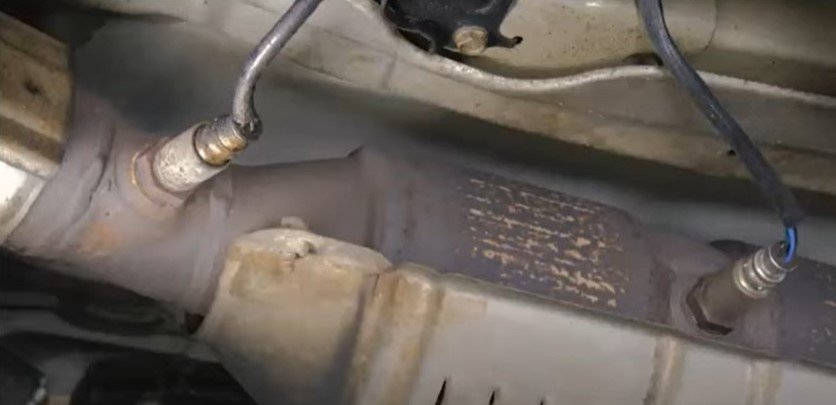
Your car’s engine control module (ECM) monitors catalytic converter efficiency using oxygen (O2) sensors located before and after the converter.
When the ECM determines that the catalytic converter on Bank 2 is not working as efficiently as expected, it stores the P0430 code and may turn on the check engine light.
Bank 2 refers to the side of the engine that does not contain cylinder #1. This is important because the Bank 2 location can be different depending on the vehicle’s engine design.
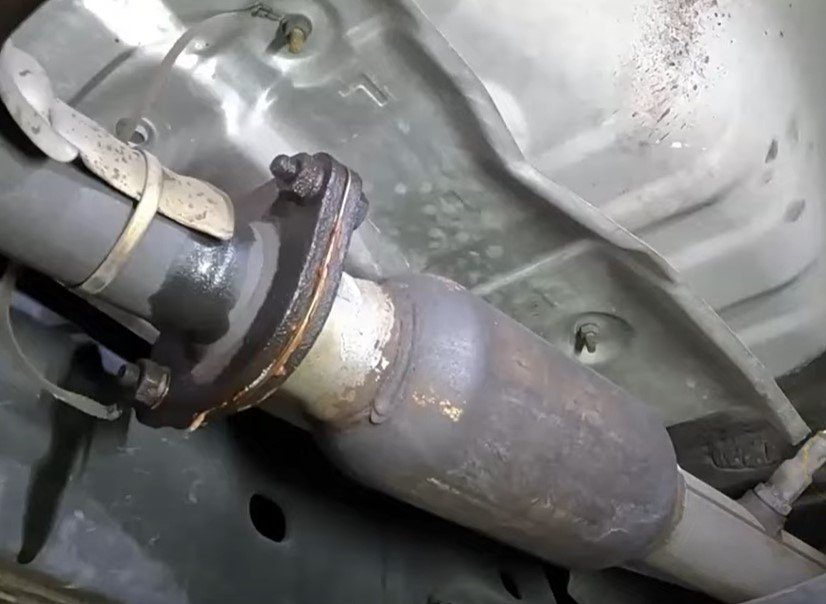
The catalytic converter helps reduce harmful exhaust emissions by converting carbon monoxide, hydrocarbons, and nitrogen oxides into less harmful substances.
If the converter loses efficiency, the vehicle may release more pollutants than allowed.
However, the ECM makes this decision using sensor readings. An exhaust leak, incorrect air-fuel mixture, or faulty sensor can affect those readings and cause the code to appear even when the converter is not the original problem.
Common Causes of the P0430 Code
Several problems can trigger the P0430 code. The most common possibilities include:
- Faulty Catalytic Converter: Over time, the converter can lose its ability to process exhaust gases efficiently. Excessive heat, contamination, or physical damage can also affect the internal catalyst material. Learn more about bad catalytic converter symptoms and how to recognize different types of converter failure.
- Oxygen Sensor Problems: A faulty upstream or downstream O2 sensor may provide inaccurate information to the ECM, affecting how it evaluates catalytic converter efficiency. Other bad oxygen sensor symptoms can help you recognize when the sensor itself needs further testing.
- Exhaust Leaks: Leaks near the catalytic converter or oxygen sensors can allow outside air to enter the exhaust system and affect sensor readings.
- Engine Misfires: A misfiring engine can send unburned fuel into the exhaust system. This may overheat and damage the catalytic converter. If you notice shaking, hesitation, or rough running, check these engine misfire symptoms before blaming the converter.
- Rich or Lean Fuel Mixture: Problems with fuel delivery, air intake, or engine sensors can cause an incorrect air-fuel mixture. If left unresolved, these conditions can affect converter performance.
- Leaking Fuel Injectors: A leaking injector can deliver too much fuel, potentially damaging the converter over time. Our guide to bad fuel injector symptoms explains how leaking, restricted, and electrically faulty injectors can produce different problems.
- Oil or Coolant Contamination: Oil burning or coolant entering the combustion chambers can contaminate the catalytic converter and reduce its efficiency.
- Damaged Wiring or Connectors: Corroded terminals, broken wires, or poor electrical connections can affect oxygen sensor signals.
- Incorrect Replacement Converter: An aftermarket catalytic converter that does not meet the vehicle’s emissions requirements may fail to provide the efficiency expected by the ECM.
One important point is that the P0430 code identifies low catalyst efficiency, not the exact failed component.
Replacing the catalytic converter without checking these possible causes may not solve the problem.
Symptoms of a P0430 Trouble Code
You may not notice any major driving problems when the P0430 code first appears. In fact, some vehicles continue to run normally.
However, depending on the underlying problem, you may experience the following symptoms:
- Check Engine Light: The most common symptom is an illuminated check engine light on the dashboard.
- Decreased Fuel Efficiency: If the code is caused by a fuel mixture or combustion problem, your vehicle may use more fuel than usual.
- Reduced Engine Performance: Poor acceleration, hesitation, or loss of power may occur if the engine has a separate running problem or the converter becomes restricted.
- Rotten Egg Smell: A sulfur-like smell from the exhaust can occur with certain fuel mixture or catalytic converter problems.
- Failed Emissions Test: An active P0430 code can cause the vehicle to fail an OBD-based emissions inspection.
- Rattling Noise Under the Vehicle: If the converter’s internal material breaks apart, you may hear a rattling noise from the exhaust system.
Keep in mind that P0430 alone does not usually cause rough idling, stalling, or severe power loss.
If you notice these problems, the vehicle may have another fault that is also affecting catalytic converter performance.
How Serious Is the P0430 Code?
The P0430 code is generally a moderate concern when the engine runs normally.
You may still be able to drive your vehicle, but the code should not be ignored.
A catalytic converter that is no longer working properly can increase exhaust emissions and cause the vehicle to fail an emissions inspection.
More importantly, if the code is caused by an ongoing engine misfire or rich fuel mixture, continued driving can damage the catalytic converter further.
A flashing check engine light is a different situation. It can indicate a serious misfire that may quickly damage the converter. Our guide explains what to check when the check engine light comes on, including the difference between steady and flashing warnings.
If the light flashes, reduce engine load, stop driving as soon as it is safe, and arrange for the vehicle to be inspected.
How to Diagnose the P0430 Code
Diagnosing the P0430 code requires more than simply reading the trouble code. Before replacing the catalytic converter, check for problems that could affect its performance or sensor readings.
Tools Needed:
- OBD-II scanner with live data capability
- Digital multimeter, if electrical testing is required
- Infrared thermometer (optional)
- Smoke machine or suitable exhaust leak testing equipment (optional)
- Vehicle-specific repair information
Step-by-Step Diagnosis:
- Scan the Vehicle for Additional Codes: Use an OBD-II scanner to confirm P0430 and check for other stored or pending codes. Misfire codes, fuel trim codes, and oxygen sensor codes can help identify the underlying problem. If your scanner supports it, review the freeze-frame data before clearing anything.
- Identify Bank 2: Confirm which side of the engine is Bank 2 using your vehicle’s service information. Do not assume it is always the driver’s side or passenger’s side.
- Inspect for Exhaust Leaks: Check the Bank 2 exhaust manifold, gaskets, pipes, and connections around the catalytic converter and oxygen sensors. Look for soot marks, damaged joints, or signs of leaking exhaust gases.
- Check Oxygen Sensor Readings: Use live data to examine the upstream and downstream oxygen sensors on Bank 2. On many vehicles with conventional narrowband O2 sensors, the upstream sensor changes more rapidly while the downstream signal is comparatively stable when the converter is working properly. If the downstream signal closely follows the upstream signal under the correct test conditions, it may indicate reduced catalyst efficiency.
- Check Fuel Trim Readings: Review short-term and long-term fuel trims if your scanner supports them. Unusually high positive or negative fuel trims may point to a lean or rich condition that needs attention before replacing the converter.
- Inspect the Ignition and Fuel Systems: Check for misfires, worn spark plugs, failing ignition coils, injector problems, and other issues that may affect combustion.
- Inspect Sensor Wiring and Connectors: Look for corroded connectors, damaged insulation, loose terminals, or wiring exposed to excessive exhaust heat.
- Evaluate Catalytic Converter Condition: If the other checks do not reveal a problem, further testing may be needed to confirm whether the converter itself has lost efficiency or developed an internal restriction.
Important: Comparing the temperature before and after a catalytic converter with an infrared thermometer can sometimes provide supporting information, but it is not a reliable standalone test of catalyst efficiency. Converter temperature depends on engine load, operating conditions, and other factors.
Similarly, oxygen sensor readings must be interpreted according to the vehicle’s sensor design. Some vehicles use wideband air-fuel ratio sensors rather than conventional switching O2 sensors.
For these reasons, manufacturer-specific diagnostic procedures are the best way to confirm a failed catalytic converter.
Common Mistakes When Diagnosing P0430
One of the biggest mistakes is replacing the catalytic converter immediately after seeing the P0430 code.
Although a worn converter is a possible cause, replacing it without checking for exhaust leaks, misfires, or fuel mixture problems can lead to an unnecessary repair.
Another mistake is replacing oxygen sensors simply because they are involved in monitoring the converter.
An O2 sensor should be replaced when testing shows it is faulty, not just because P0430 appears.
Also, make sure you identify Bank 2 correctly. Replacing a component on Bank 1 will not fix a problem that is limited to Bank 2.
How to Fix the P0430 Code
Once you have identified the actual cause, the repair becomes more straightforward.
Here are the most common fixes:
- Replace the Catalytic Converter: If proper testing confirms that the Bank 2 catalytic converter is no longer efficient, replacement may be necessary. Make sure the replacement meets the vehicle’s applicable emissions requirements.
- Replace Faulty Oxygen Sensors: If an upstream or downstream O2 sensor is providing incorrect readings, replace the confirmed faulty sensor.
- Repair Exhaust Leaks: Fix leaking gaskets, damaged exhaust pipes, cracked components, or loose connections that affect sensor readings.
- Fix Engine Misfires: Repair faulty spark plugs, ignition coils, fuel injectors, or other components responsible for misfires.
- Correct Fuel Mixture Problems: Diagnose and repair problems involving fuel injectors, fuel pressure, intake air leaks, or related sensors.
- Address Oil or Coolant Contamination: Repair engine problems that allow excessive oil or coolant to enter the exhaust system.
- Repair Wiring and Connectors: Replace damaged wires and repair poor electrical connections affecting the oxygen sensor circuits.
After completing the necessary repair, clear the trouble code with an OBD-II scanner and perform the appropriate drive cycle.
The catalytic converter readiness monitor may take several driving cycles to complete, depending on the vehicle.
Important Tip: Clearing the check engine light does not repair the problem. If the underlying fault remains, the P0430 code may return.
Can You Drive with a P0430 Code?
In many cases, yes. If your car is running normally and the check engine light is steady, you can usually drive it temporarily while arranging a diagnosis.
However, continuing to drive with an unresolved problem is not always a good idea.
Depending on the cause, you could experience:
- Increased exhaust emissions
- Reduced fuel economy if an engine problem is present
- Additional catalytic converter damage from misfires or excess fuel
- Failed emissions inspections
- Loss of engine power if the converter becomes restricted
- More expensive repairs if the underlying problem gets worse
If the vehicle runs normally, avoid unnecessary hard acceleration and have the problem diagnosed soon.
If the check engine light flashes, the engine misfires severely, or you notice substantial power loss, stop driving as soon as it is safe.
Those symptoms require more urgent attention than a P0430 code with no noticeable driving problems.
How Much Does It Cost to Fix the P0430 Code?
The cost to fix a P0430 code depends on the vehicle, the actual cause, the parts required, and local labor rates.
Replacing a catalytic converter is generally much more expensive than repairing a small exhaust leak or wiring problem.
Here are approximate repair costs in the United States:
| Repair | Estimated Cost (Parts + Labor) |
|---|---|
| Catalytic Converter Replacement | $800 – $2,500+ |
| O2 Sensor Replacement | $150 – $400+ |
| Exhaust Leak Repair | $100 – $400+ |
| Ignition or Injector Repair | $100 – $600+ |
| Wiring Repair | $100 – $300+ |
| Professional Diagnosis | $100 – $200+ |
These are general estimates, not fixed prices. Some catalytic converters, especially manufacturer-specific or emissions-compliant assemblies, can cost substantially more.
Before approving an expensive replacement, ask the mechanic what testing confirmed the converter was faulty and whether any underlying engine problems have been ruled out.
How to Prevent the P0430 Code in the Future
Not every catalytic converter failure can be prevented, especially as the vehicle ages. However, regular maintenance can help prevent problems that damage the converter.
- Follow Regular Maintenance Schedules: Replace spark plugs, filters, and other maintenance items according to the manufacturer’s recommendations.
- Fix Engine Misfires Promptly: Misfires can send unburned fuel into the exhaust and overheat the catalytic converter.
- Address Fuel Mixture Problems: Diagnose rich or lean running conditions before they cause further damage.
- Repair Exhaust Leaks: Fix damaged exhaust components and leaking connections when they are found.
- Watch for Excessive Oil Consumption: Burning oil can contaminate the converter over time.
- Repair Coolant Leaks into the Engine: Internal coolant leaks can damage the catalytic converter and other engine components.
- Use the Correct Replacement Parts: Make sure oxygen sensors and catalytic converters are compatible with your vehicle and its emissions system.
These steps can help protect the catalytic converter, but they cannot guarantee that a P0430 code will never appear.
Frequently Asked Questions (FAQs)
Q1: Is the P0430 code serious?
The P0430 code is usually not an immediate emergency if the engine runs normally. However, it indicates that the ECM has detected a catalyst efficiency problem on Bank 2. The cause should be diagnosed to prevent possible converter damage and emissions-related issues.
Q2: Can a bad O2 sensor cause a P0430 code?
Yes. A faulty oxygen sensor can provide inaccurate readings that affect how the ECM evaluates catalytic converter performance. However, an O2 sensor should only be replaced after testing confirms a problem.
Q3: How long can I drive with a P0430 code?
There is no fixed safe driving distance. If the vehicle runs normally and the check engine light is steady, temporary driving is often possible. However, a flashing check engine light, severe misfire, or significant power loss requires immediate attention.
Q4: Will a fuel additive fix a P0430 code?
Fuel additives are not a reliable repair for P0430. They cannot restore a physically damaged or worn-out catalytic converter, repair exhaust leaks, or fix faulty sensors. The actual cause should be identified before spending money on additives.
Q5: Is Bank 2 on the left or right side of the engine?
Bank 2 is the cylinder bank that does not contain cylinder #1. Its physical location depends on the engine design and how the engine is installed in the vehicle. Check manufacturer service information to identify it correctly.
Q6: Will replacing only the catalytic converter clear the P0430 code?
If the Bank 2 catalytic converter is the confirmed cause, replacing it with the correct part should resolve the efficiency problem. However, an underlying misfire, fuel mixture issue, or exhaust leak must also be repaired to prevent the new converter from failing.
Q7: What is the difference between P0420 and P0430?
Both codes indicate that the ECM has detected catalytic converter efficiency below the expected threshold. The difference is the affected engine bank.
P0420 refers to Bank 1, while P0430 refers to Bank 2.
Q8: Can P0430 go away on its own?
The check engine light may turn off if the vehicle completes enough successful monitoring cycles without detecting the fault again. However, this does not necessarily mean the underlying problem has been permanently fixed. If the converter or another component is faulty, the code may return.
Conclusion: Final Thoughts on the P0430 Code
The P0430 OBD-II trouble code means your vehicle’s ECM has detected lower-than-expected catalytic converter efficiency on Bank 2.
Although a failing catalytic converter is one possible cause, exhaust leaks, oxygen sensor problems, engine misfires, and incorrect fuel mixtures can produce similar results.
That is why proper diagnosis matters.
Before paying for a new catalytic converter, check for related trouble codes, inspect the exhaust system, and review the oxygen sensor and fuel trim data.
Whether you plan to fix the vehicle yourself or visit a repair shop, understanding what causes the P0430 code can help you avoid unnecessary repairs and make a more informed decision.
Russell D. Steele writes trouble-code and repair guides for The Effective Guide. His work helps drivers understand what a code means, what might cause it, and which checks to make first.