
You turn the key, the engine fires, and everything sounds normal. Then the RPM drops, the engine shakes, and the car shuts off.
You try again. Same result.
When a car starts then dies within a few seconds, it’s easy to blame the fuel pump or battery. But an engine that starts successfully and one that stays running depend on several systems working together.
The way it stalls matters. Does it shut off cleanly? Sputter first? Stay running when you press the accelerator?
Those details can help narrow the problem before you spend money replacing parts that may be working perfectly.
Why Your Car Starts Then Dies After a Few Seconds
Quick answer: A car that starts but won’t stay running may be losing fuel pressure, idle airflow, ignition signals, electrical power, or security authorization. Incorrect sensor information or a mechanical problem can also prevent the engine from maintaining combustion.
The exact cause depends on how the engine stalls, when it happens, and what diagnostic tests reveal.
There’s an important distinction between an engine that cranks but never fires and one that starts, runs briefly, then stalls.
Starting confirms that combustion occurred at least momentarily. It doesn’t prove that fuel delivery, ignition, airflow, or electronic controls will continue working.
What Happens in the First 10 Seconds After Starting?
The first few seconds offer useful clues, although no particular stall time guarantees a specific failure.
Engine fires
Initial fuel, spark, and combustion are present.
Early shutdown
Watch for security or electrical power clues.
Engine fades
Fuel delivery, sensor signals, and control issues become possibilities.
Idle collapses
Idle airflow, mixture, and load control deserve attention.
These are illustrative symptom patterns, not fixed engine-computer timing rules. The same fault can cause stalling at different times in different vehicles.
Pay attention to whether the engine stops abruptly or struggles first. A clean shutdown can suggest interrupted power or security authorization, while sputtering may point toward fuel, airflow, or combustion problems.
Neither pattern confirms the cause on its own.
11 Common Reasons a Car Starts Then Dies
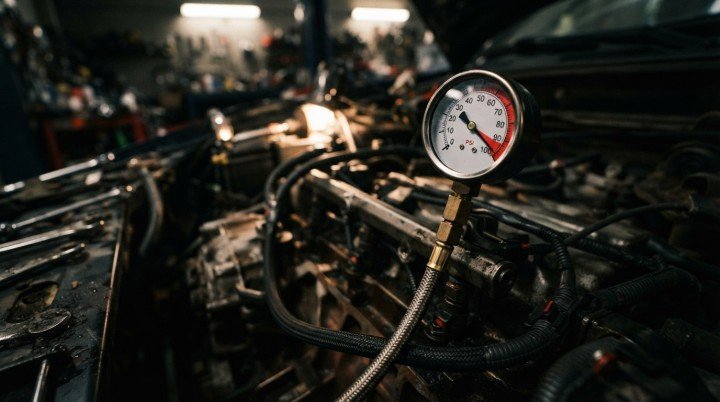
1. Fuel Pressure Drops After Startup
A weak fuel pump, restricted supply, faulty pressure regulator, or electrical problem can prevent the fuel system from maintaining the pressure the engine needs.
The engine may fire initially, then hesitate, sputter, and stall.
Hearing the fuel pump briefly run when the ignition is switched on doesn’t prove it can deliver adequate pressure or volume.
2. Dirty Throttle Body or Idle Air Control Problem
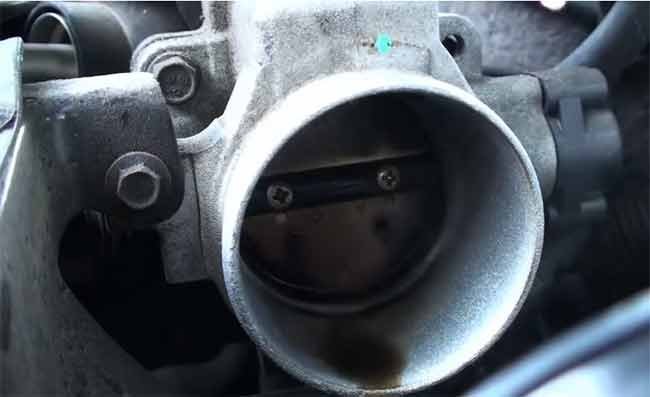
At idle, the engine needs a carefully controlled amount of air. Carbon buildup around the throttle plate can interfere with that airflow.
Older vehicles may use a separate idle air control valve. Many newer vehicles control idle through an electronic throttle body.
A useful clue is an engine that stays running with slight accelerator input but dies when the pedal is released.
Our guide to common rough idle causes explains how throttle deposits, vacuum leaks, and ignition problems can produce similar symptoms.
3. Immobilizer or Security System Rejects the Key
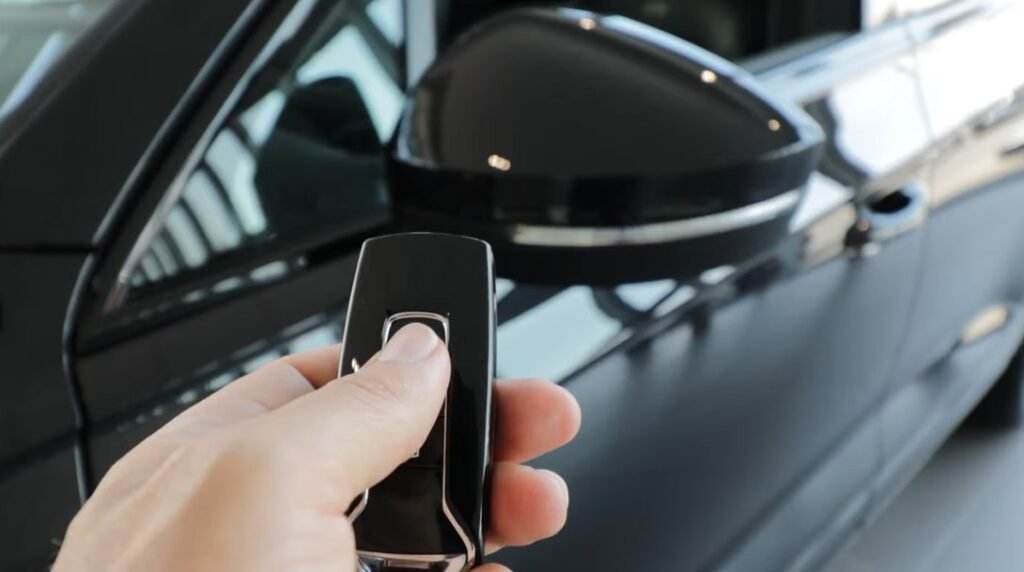
Some anti-theft systems allow the engine to start briefly before stopping it when key authorization fails.
An unusual security-light pattern, an unrecognized key, or a problem following key programming can be useful clues.
However, not every two-second stall is an immobilizer problem. A security indicator may also illuminate normally during the dashboard’s startup check.
4. Crankshaft or Camshaft Position Sensor Signal Drops Out
The engine computer uses crankshaft and camshaft information to coordinate ignition and fuel injection.
If an essential position signal disappears or becomes unreliable, the engine may stall or refuse to restart.
Some faults become more noticeable after the engine warms up. Others appear intermittently.
Related codes may identify a sensor circuit or timing-correlation problem, but they don’t automatically prove a sensor has failed. For example, our P0016 code guide explains why mechanical timing, wiring, and variable valve timing can also matter.

5. MAF Sensor, Intake Leak, or Incorrect Air Measurement
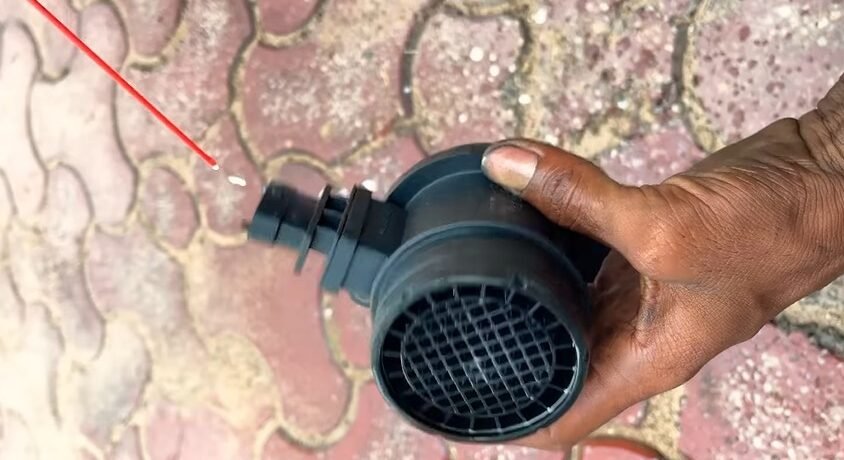
The engine computer estimates the air entering the engine to calculate fuel delivery.
A disconnected intake tube, major vacuum leak, or inaccurate mass airflow reading can upset the mixture enough to cause rough running or stalling.
A contaminated throttle body or incorrect throttle-position information can create overlapping symptoms.
Our article on why a car jerks during acceleration also explains how airflow and throttle signals affect engine operation.
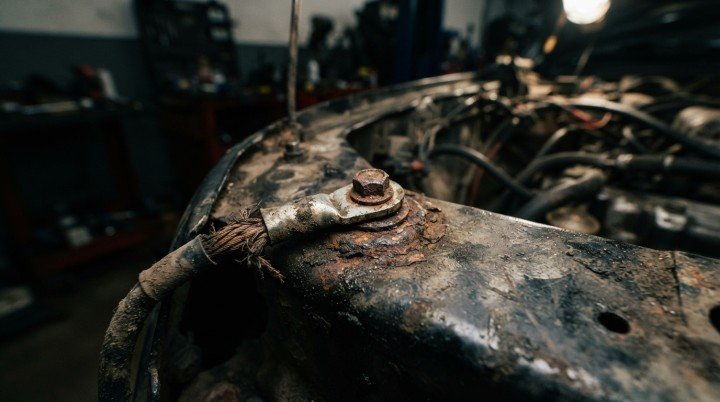
6. Battery, Ground, or Electrical Power Problem
A car can crank successfully yet have an intermittent electrical connection that interrupts engine operation.
Loose battery terminals, poor engine grounds, failing relays, or interrupted power to the engine computer can cause unexpected shutdowns.
A failing alternator can also contribute to low system voltage, but it isn’t the automatic explanation for a car that stalls two seconds after starting.
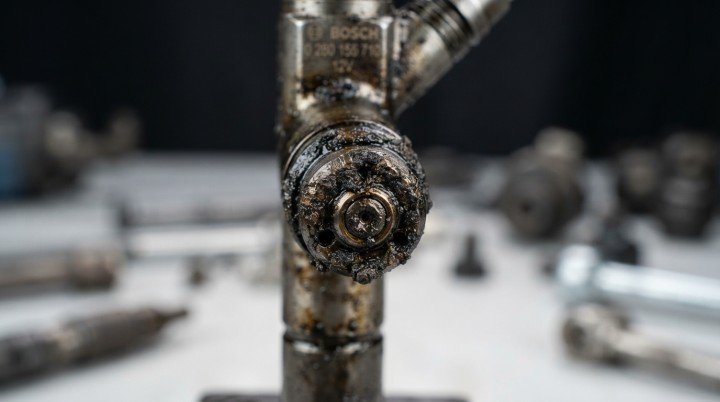
7. Fuel Injector or Ignition Problems
Faulty spark plugs, ignition coils, or fuel injectors can prevent stable combustion after startup.
These problems often cause shaking, hesitation, or misfires rather than an immediate clean shutdown.
A severe ignition problem can also make the engine stall at idle.
Before replacing a coil, compare the symptoms with our bad ignition coil symptoms guide.
8. Incorrect Coolant Temperature or Startup Fueling Data
The engine computer adjusts fuel delivery based partly on engine temperature.
If the coolant temperature sensor reports an unrealistic reading, the computer may command an unsuitable mixture during cold or hot starting.
Other sensor or fuel-system faults can create the same symptoms.
9. Ignition Switch or RUN-Circuit Failure
Here’s a particularly useful clue: the engine runs while you’re holding the key in START but dies the moment you release it.
Some vehicles use different electrical paths or switch contacts during cranking and normal running.
A faulty ignition switch, relay, or RUN-circuit connection may interrupt power when the key returns to its normal position.
10. Stuck-Open EVAP Purge Valve After Refueling
If the problem happens mainly after filling the gas tank, the evaporative emissions system deserves attention.
A purge valve stuck open may allow excessive fuel vapor into the intake during startup, creating a mixture the engine struggles to burn.
The engine may start roughly, stall, and then improve after several attempts.
This symptom can also have other causes, including fuel delivery problems.
11. Mechanical Timing or Compression Problems
Less commonly, the engine may start briefly but fail to run because of inadequate compression, incorrect valve timing, or another serious mechanical fault.
Timing-chain or belt problems can also interfere with crankshaft and camshaft synchronization.
Our P0017 timing-correlation guide explains why a timing-related code may involve more than a failed sensor.
Car Starts Then Dies: Match the Symptom to the Likely Cause
The best starting point is often the detail you notice before the engine stops.
| What You Notice | Area to Investigate First |
|---|---|
| Starts cleanly and shuts off after 1–3 seconds | Security authorization or electrical power |
| Runs only with accelerator pressed | Idle airflow, throttle body, vacuum leak |
| Sputters before stalling | Fuel pressure, mixture, ignition |
| Dies when key returns to RUN | Ignition switch or RUN circuit |
| Starts cold but stalls hot | Heat-sensitive sensor, wiring, fuel delivery |
| Starts hot but stalls cold | Cold-start fueling, idle control |
| Stalls mainly after refueling | EVAP purge valve or fuel-related problem |
| Dashboard loses power | Battery connections, grounds, main electrical supply |
| Problem began after engine repairs | Disturbed hoses, wiring, connectors, or grounds |
| Abnormal security indicator | Key recognition and immobilizer system |
These are diagnostic directions, not confirmed diagnoses. More than one failure can create the same pattern.
8 Things to Check Before Replacing Any Parts
A Practical Start-and-Stall Investigation
- Observe the shutdown. Does the engine stop instantly, sputter, or lose RPM gradually?
- Watch dashboard indicators. Note security, battery, and check engine warnings.
- Try a programmed spare key. This may help when key authorization is suspected.
- Scan for trouble codes. Save stored and pending codes before clearing anything.
- Check electrical connections. Inspect battery terminals, grounds, and accessible wiring.
- Inspect the intake. Look for disconnected hoses, loose clamps, or disturbed connectors.
- Note throttle response. If it can be observed safely while stationary, determine whether slight throttle helps the engine maintain idle.
- Test fuel pressure and live data. A technician can check pressure, RPM, temperatures, and throttle information while reproducing the fault.
Don’t assume a lack of trouble codes means the vehicle has no problem. Intermittent faults and some security-system issues may not store a generic engine code.
Safety warning: Don’t spray flammable cleaners into the intake, open pressurized fuel lines, bypass anti-theft systems, or repeatedly run an engine with severe mechanical noises. Some diagnostic procedures require professional equipment.
Why Does My Car Start Then Die Only When Cold?
Cold starting requires the engine computer to adjust fueling and idle operation for lower temperatures.
A dirty throttle body, vacuum leak, incorrect coolant temperature reading, or ignition weakness may become more noticeable after overnight parking.
Cold weather can also expose weak electrical connections or battery problems.
If the engine improves after warming up, record the outside temperature, how long it was parked, and whether pressing the accelerator changes the symptom.
Those details are often more useful than replacing a temperature sensor based on a guess.
Why Does My Car Start Then Die When Hot?
Heat can expose intermittent electrical faults, including problems with crankshaft sensors, wiring, relays, or fuel-delivery components.
A car may run normally when cold, stall after a hot restart, and then start again after cooling.
However, a hot-start stall doesn’t automatically mean the crankshaft sensor is defective.
The best diagnostic opportunity is while the fault is actually happening. Live RPM, voltage, fuel pressure, and sensor information can help narrow the cause.
Why Does My Car Start Then Die After Getting Gas?
A repeated start-and-stall problem immediately after refueling can point toward an EVAP purge-valve issue.
If the purge valve remains open when it shouldn’t, excess fuel vapor may enter the intake and disturb the startup mixture.
Some drivers notice longer cranking, rough idle, or several failed starts after filling the tank.
Fuel pressure and other mixture-related faults can cause similar symptoms, so the purge valve should be tested rather than replaced automatically.
Can a Bad Battery or Alternator Cause a Car to Start Then Die?
Yes, electrical problems can cause stalling, but neither component should be blamed without testing.
The battery provides starting power and supports vehicle electronics. The alternator normally supplies electrical power while the engine runs.
Low voltage, poor grounds, or interrupted power to engine controls can prevent stable operation.
If the engine cranks strongly but stalls almost immediately, check connections, voltage, and control-system power before buying a battery or alternator.
Is It Safe to Drive a Car That Starts Then Dies?
Not if the engine repeatedly stalls or cannot remain running reliably.
An unexpected stall in traffic can reduce or change power steering and braking assistance, depending on the vehicle.
You may also lose acceleration while crossing an intersection or merging into traffic.
If the engine repeatedly starts and dies, leave the vehicle in a safe location and arrange diagnosis or towing.
Don’t keep restarting it in active traffic to see whether it will stay running.
How Much Does It Cost to Fix a Car That Starts Then Dies?
Repair costs depend on the vehicle, labor rates, and the confirmed failure.
| Repair Category | Possible Work Required |
|---|---|
| Intake or vacuum leak | Hose, gasket, or connection repair |
| Dirty throttle body | Cleaning and possible idle relearn |
| Battery terminal or ground | Cleaning, tightening, or wiring repair |
| Key or immobilizer | System diagnosis, programming, or component repair |
| Crankshaft sensor | Sensor, connector, or wiring repair |
| Fuel pressure fault | Pump, regulator, relay, or related repair |
| EVAP purge valve | Valve or control-system repair |
| Mechanical timing problem | Timing-system or internal engine work |
Simple connection or intake problems may be relatively inexpensive to correct. Fuel-system, security, wiring, or mechanical repairs can be more involved.
Testing first is usually cheaper than replacing several working components.
Frequently Asked Questions
Why does my car start then die after 2 seconds?
Possible causes include security authorization, interrupted electrical power, fuel delivery, or engine-control problems. The timing alone cannot identify the failed component.
Why does my car start then die unless I press the gas?
Idle airflow problems, a dirty throttle body, vacuum leaks, or incorrect mixture control are common areas to investigate.
Can a bad fuel pump cause a car to start then die?
Yes. A weak pump or fuel-pressure problem may allow initial combustion but fail to maintain sufficient fuel delivery. Pressure testing is needed.
Can an immobilizer cause the engine to stall?
Yes. Some systems permit brief starting before shutting off the engine when authorization fails. Security indicators and module data can help confirm the problem.
Why does my car start then die with no check engine light?
Some intermittent electrical, fuel, idle, or security faults may occur without a generic engine warning or stored code.
Can a bad alternator cause a car to start and stall?
It can contribute if system voltage becomes inadequate, but a two-second stall doesn’t automatically indicate alternator failure.
Why does my car start then die after getting gas?
A stuck-open EVAP purge valve is one possibility. Fuel delivery and mixture problems should also be considered.
Can I keep restarting the car if it stalls?
A limited restart attempt in a safe location may provide useful information, but repeated cranking can drain the battery, overheat the starter, or worsen some faults. Stop if the engine repeatedly stalls or makes abnormal noises.
Final Verdict: Diagnose the First 10 Seconds Before Replacing Parts
When your car starts then dies, the most useful clues are how quickly it stalls, whether it sputters, and what the dashboard shows.
A clean shutdown, falling idle, and rough misfire point toward different diagnostic paths, but none identifies a failed part by itself.
Start with observations, codes, connections, and basic checks. Confirm fuel pressure, electrical power, and sensor data before replacing expensive components.
And if the engine cannot stay running reliably, don’t risk driving it in traffic.

Kevin Nicholas is an automotive mechanic and editor of The Effective Guide. He writes about warning lights, car problems, and diagnostic tools, helping drivers understand what to check before replacing a part.