
Last Updated on October 7, 2026
A battery light appears, the steering suddenly feels heavy, and the temperature gauge starts climbing. Those problems seem unrelated until you realize that one belt may drive the alternator, hydraulic power-steering pump, and water pump.
The serpentine belt transfers power from the crankshaft pulley to several accessories, so one drive-system problem can create a chain reaction. It may slip quietly at first; once broken, it can remove charging, cooling, or steering assist within moments.
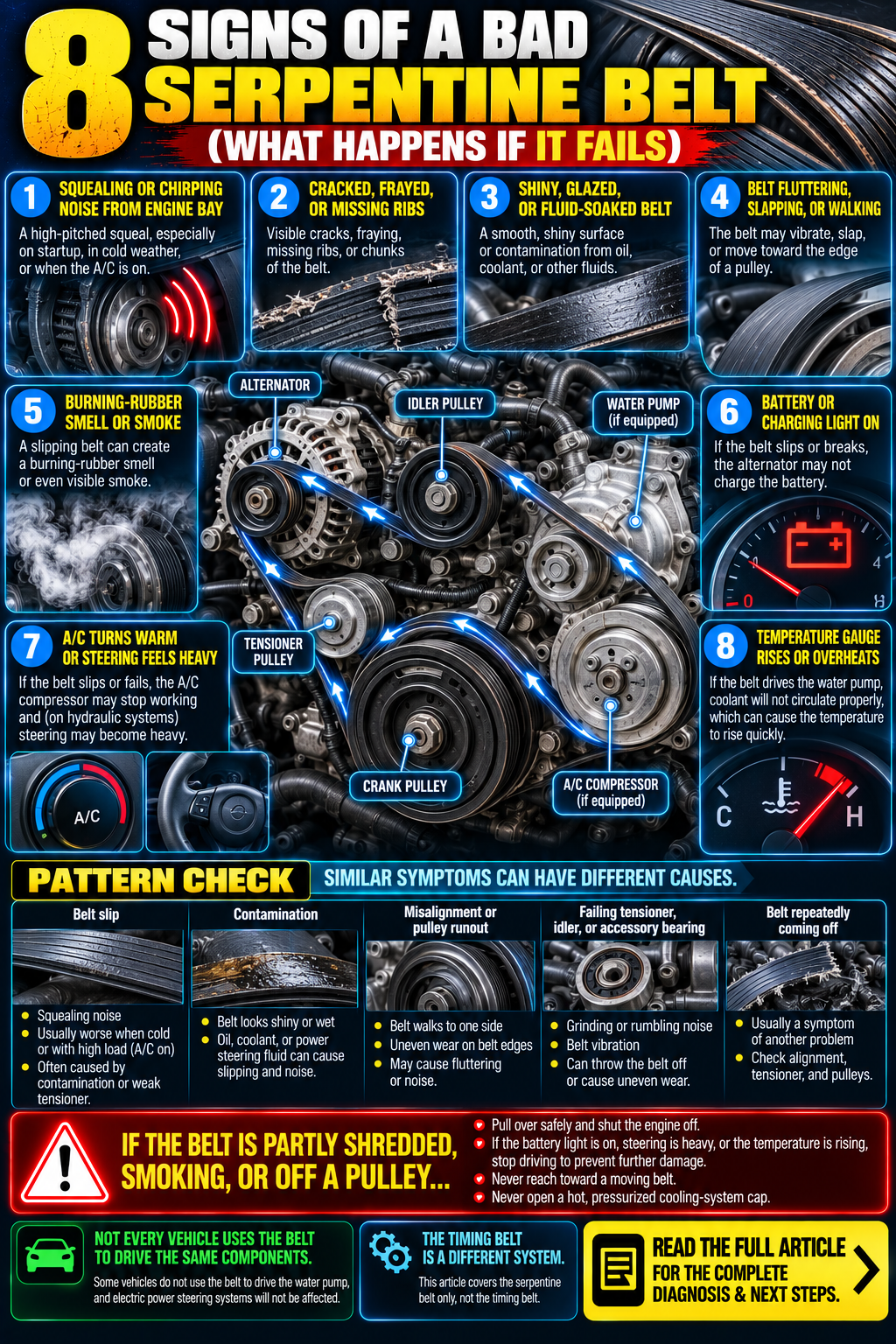
Common serpentine belt symptoms include squealing or chirping, visible fraying, missing ribs, a shiny belt surface, abnormal belt movement, a burning-rubber smell, a battery warning, warm A/C, heavy steering, and overheating. However, not every vehicle uses the belt to drive the same components, so the combination of symptoms matters more than any one clue.
One Belt Can Create Several Unrelated Warnings
The belt winds around several pulleys and may operate the alternator, A/C compressor, hydraulic power-steering pump, mechanical water pump, or another accessory. A tensioner keeps it tight while idler pulleys guide its path.
Electric power steering does not depend on the belt, and a water pump may be timing-driven or electric. Some engines use multiple accessory belts or a stretch-fit belt without a conventional tensioner. Check the routing diagram before assuming which systems should be affected.
Do not confuse it with the timing belt, which synchronizes the crankshaft and camshaft. Their functions and failure consequences are very different.
Serpentine Belt Symptoms: 8 Signs to Watch For
1. Squealing or Chirping Comes From the Engine Bay
A long, high-pitched squeal usually indicates slip. It may be loudest during a cold start, acceleration, steering input on a hydraulically assisted system, or when the A/C compressor engages and adds load. A glazed or contaminated belt can slip, but so can a weak tensioner.
A chirp is shorter and repeats with engine speed. It more often suggests misalignment, rib damage, pulley runout, or localized contamination. Neither sound proves the belt is defective; an idler, tensioner, alternator, water pump, or compressor bearing can sound similar.
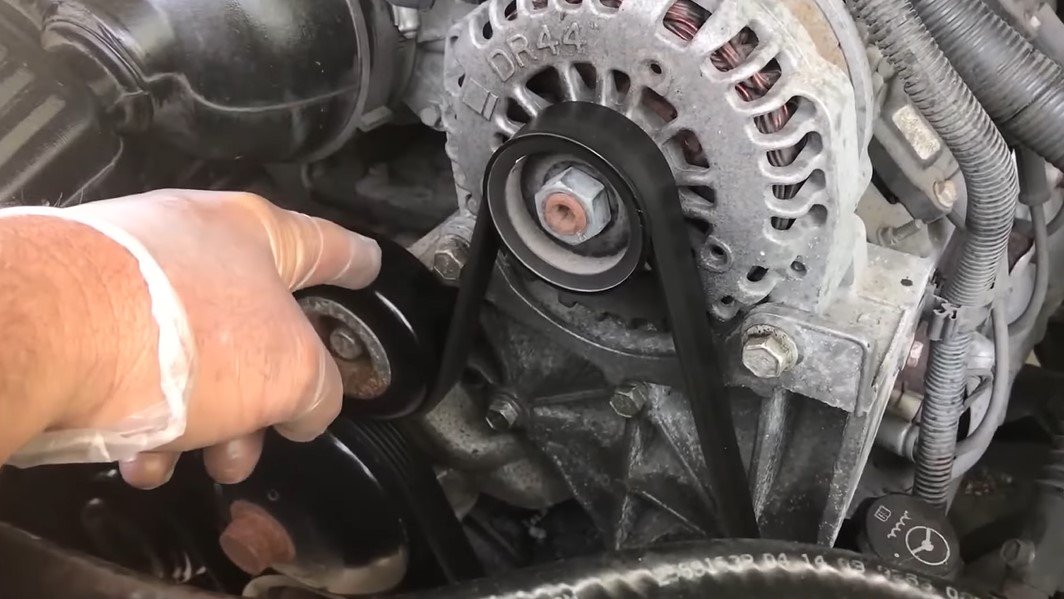
A brief squeal after driving through deep water may disappear when the belt dries. Noise that returns at every startup or under accessory load is one of the serpentine belt symptoms that calls for an inspection rather than more volume from the radio.
2. The Belt Is Cracked, Frayed, or Missing Ribs
With the engine off, look for frayed edges, exposed cords, missing chunks, rib separation, or reduced width. Edge damage often means a pulley, tensioner, bracket, or harmonic balancer is guiding the belt sideways.
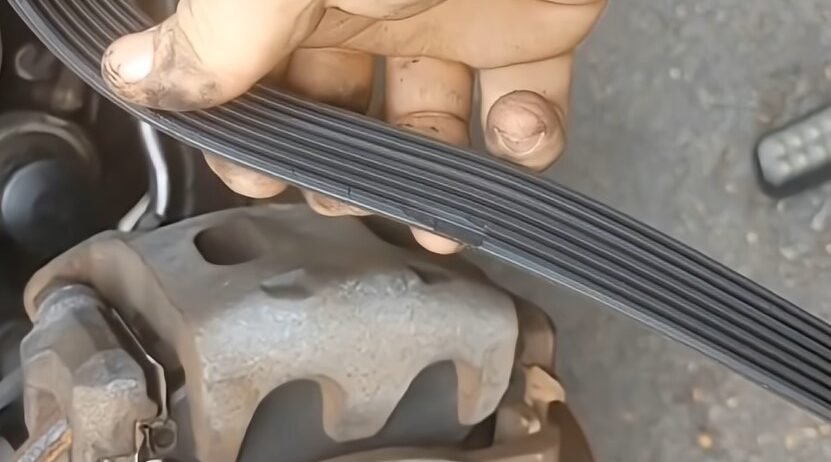
Do not rely on cracks alone. Modern EPDM belts can lose rib material with few visible cracks. An appropriate wear gauge can reveal shallow, worn ribs better than a glance.
3. The Belt Looks Shiny, Hardened, or Fluid-Soaked
A polished or glossy surface is called glazing. It develops when the belt slides across a pulley instead of gripping it correctly. The belt may harden, lose traction, and squeal under load.
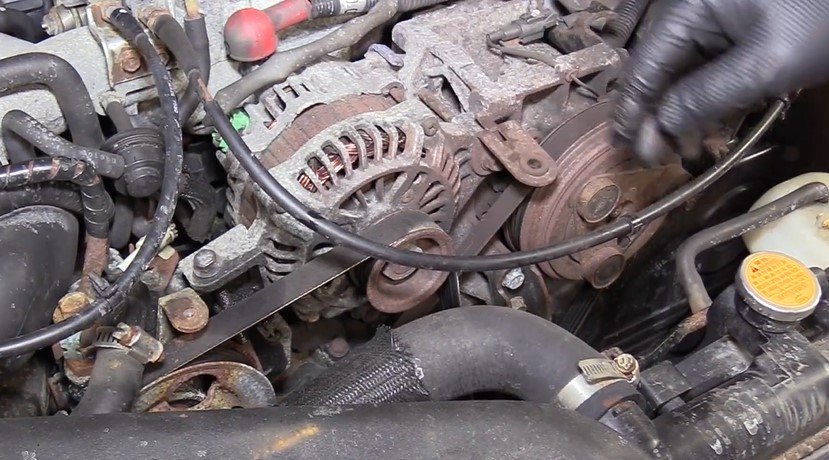
Oil, coolant, or power-steering fluid can weaken the material. Repair the leak before replacing the belt. Belt dressing is not a repair; it masks noise and may worsen contamination.
4. The Belt Flutters, Slaps, or Walks Toward a Pulley Edge
A healthy belt tracks consistently. Slapping or a tensioner arm that jumps continuously suggests unstable tension or changing accessory load.
Possible causes include a weak tensioner, failing idler, seized accessory, damaged crankshaft pulley, misaligned bracket, or overrunning alternator pulley that no longer works correctly. A belt running near the outer edge of a pulley may soon shed ribs or come off completely.
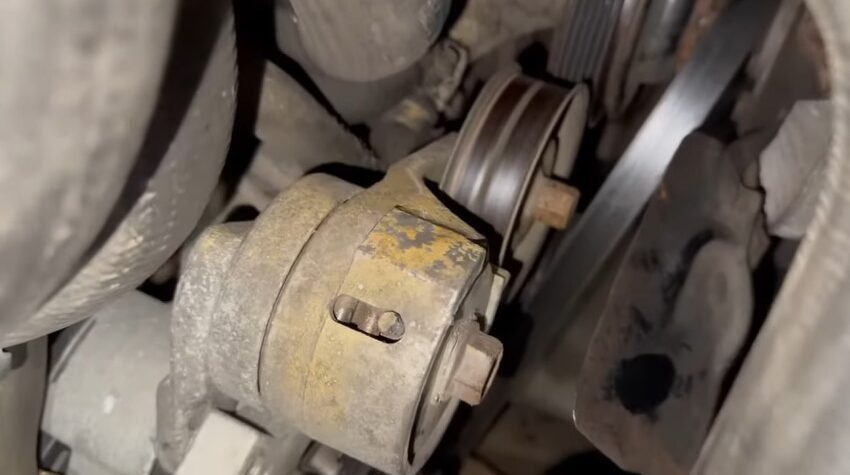
Abnormal movement is one of the serpentine belt symptoms that should be observed from a safe distance only. Never reach toward the belt, tensioner, or pulleys while the engine is running.
5. You Smell Burning Rubber or See Smoke
A rubber smell can develop when the belt slips, rubs a pulley edge, or drags across a seizing component. Smoke may come from the belt or nearby wiring.
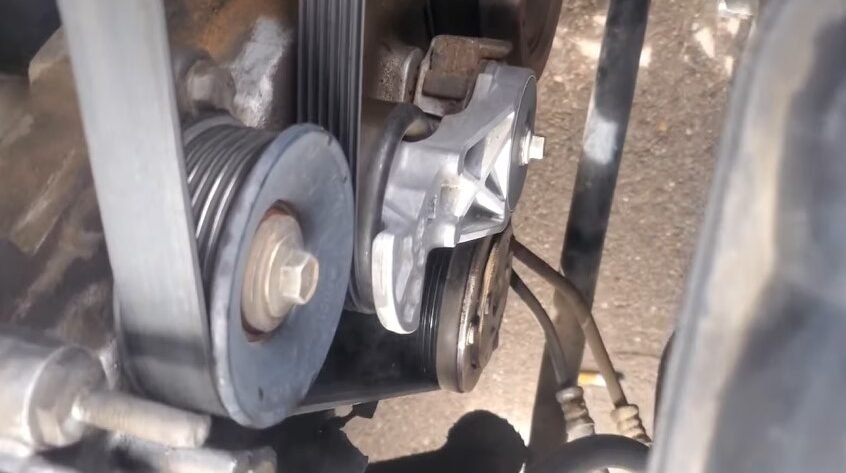
Switch the engine off as soon as it is safe. Do not keep restarting it to identify the sound. A locked idler, alternator, water pump, or A/C compressor can destroy a new belt within seconds and may create a fire risk.
6. The Battery or Charging Warning Light Turns On
The battery-shaped dashboard light normally indicates a charging-system problem, not necessarily a bad battery. If the belt is slipping on the alternator pulley—or has come off—the alternator may not generate enough electricity to operate the vehicle and recharge the battery.
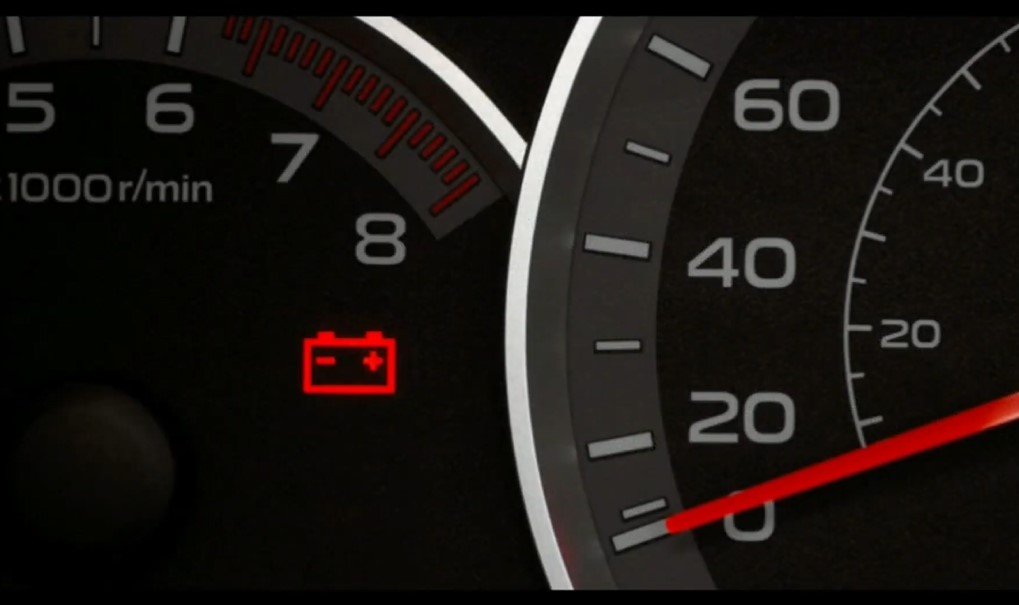
Lights may dim and the engine may eventually stall as battery power runs out. The alternator can also fail with an intact belt, so test charging output before choosing a repair.
7. The A/C Turns Warm or Steering Becomes Heavy
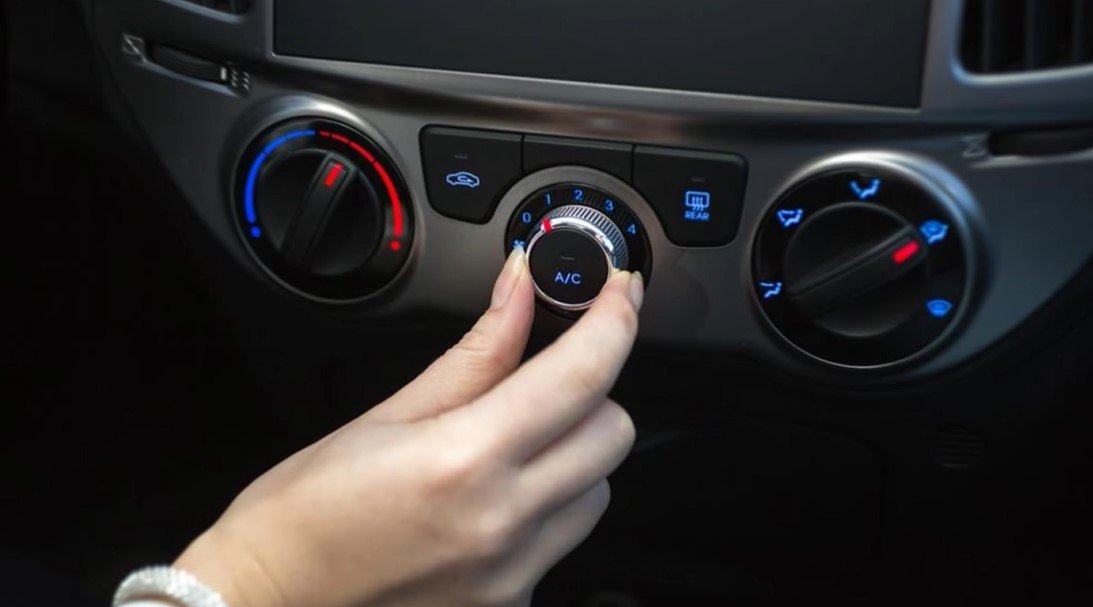
If the belt stops driving the compressor, vent airflow may remain strong but turn warm. Weak airflow instead suggests the blower, cabin filter, or ductwork.
If the vehicle uses hydraulic power steering, belt slip or failure can remove steering assist and make the wheel much harder to turn, especially at low speed. The steering does not physically lock, but controlling the car can become difficult. Vehicles with electric power steering may not show this symptom.
On hydroboost-equipped vehicles, loss of the belt-driven power-steering pump may reduce both steering and brake assistance, making the brake pedal require more effort.
8. The Temperature Gauge Starts Rising
If the serpentine belt drives the water pump, slip or complete failure can reduce coolant circulation. The temperature gauge may climb, a warning may appear, and steam may eventually come from under the hood.
This does not occur on every design. However, a charging warning, heavy steering, and rising temperature together strongly suggest a missing or broken accessory belt.
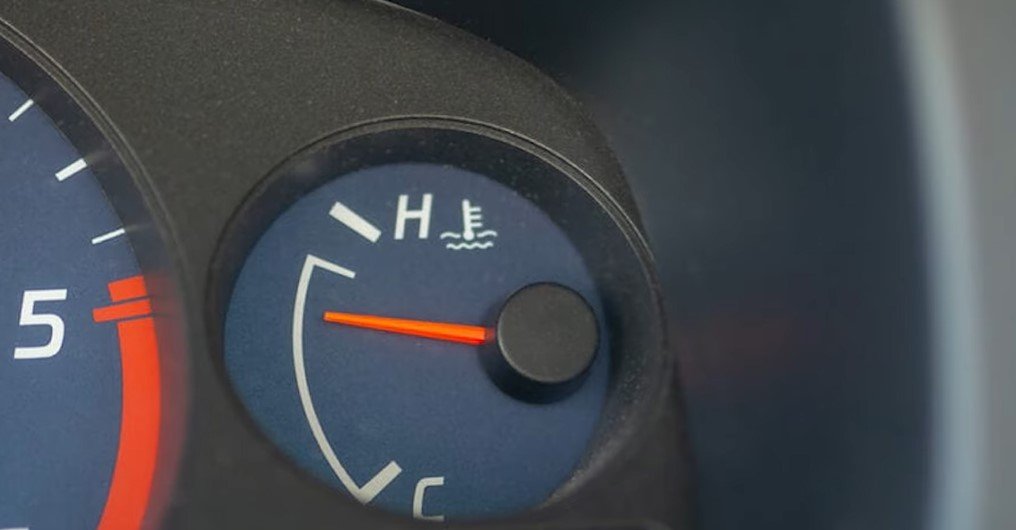
Overheating is the most dangerous of the serpentine belt symptoms. Pull over and shut the engine off before the gauge reaches the red zone. Do not open a pressurized cooling-system cap while the engine is hot.
Reading the Pattern: Belt, Tensioner, or Pulley?
Replacing the most visible part is not always the correct repair. The belt may be the victim of another component.
| What you find | More likely explanation |
|---|---|
| Smooth squeal when accessory load increases | Belt slip, contamination, or weak tension |
| Rhythmic chirp that follows engine speed | Misalignment, pulley runout, or rib damage |
| Fraying along one edge | Belt tracking or pulley-alignment problem |
| Grinding or rough growling | Idler, tensioner, or accessory bearing |
| Tensioner arm moving violently | Weak tensioner, accessory drag, or pulley issue |
| Belt repeatedly comes off | Misalignment, wrong belt, damaged balancer, or failing tensioner |
| New belt quickly becomes damaged | Root cause was not corrected |
A seized bearing can stop the belt, a weak tensioner can cause slip, and a wobbling harmonic balancer can pull it off line. Diagnosis must cover the complete accessory drive.
What Happens If the Serpentine Belt Breaks While Driving?
The sequence depends on belt routing. You may hear a snap or slap, followed by a battery light, warm A/C, or loss of hydraulic steering assist.
If it operates the water pump, temperature can rise rapidly. Continued driving may warp the cylinder head, damage the head gasket, or seize the engine. Loose strands can also strike hoses and wiring or wrap around nearby components.
These late-stage serpentine belt symptoms do not come with a guaranteed number of safe miles. Battery capacity, engine temperature, traffic, weather, and belt routing all vary. The fact that the engine still runs does not mean continuing is safe.
If failure occurs:
- Hold the steering wheel firmly in case assist is lost.
- Switch on the hazard lights and reduce speed smoothly.
- Move out of traffic as soon as it is safe.
- Watch the temperature warning without waiting for it to reach red.
- Shut the engine off and avoid repeated restarts.
- Do not open a hot coolant cap or attempt to reinstall a damaged belt roadside.
- Arrange towing or roadside assistance.
How to Inspect the Belt Safely
Park on level ground, switch the engine off, remove the key, and let hot parts cool. Keep clothing, jewelry, hair, and tools away from the accessory drive.
Use the routing diagram to confirm every rib sits in its pulley groove. Inspect both surfaces where safely visible for missing ribs, exposed cords, fraying, glazing, contamination, and uneven wear.
Also look for coolant or oil leaks near the belt path, a tensioner sitting outside its normal range, cracked pulleys, or visible crank-pulley wobble. Checking bearing roughness or accessory drag generally requires removing the belt and should be left to someone with the correct procedure and tools.
Do not spray water, lubricant, or belt dressing onto a moving belt as a “test.” A change in sound does not justify the risk, and the spray may worsen contamination.
Can You Drive With a Bad Serpentine Belt?
There is no universal safe distance. A faint recurring chirp with the belt correctly routed is different from fraying, smoke, warning lights, or a rising temperature gauge, but either condition still deserves diagnosis.
Stop driving if the belt is partly shredded, has moved off a pulley, is slapping, or smells as if it is burning. The same applies when a battery warning appears with heavy steering, loss of A/C, or increasing engine temperature. Those combined serpentine belt symptoms suggest the belt is no longer driving one or more accessories correctly.
If inspection finds minor wear without noise, warnings, contamination, or tracking problems, schedule replacement according to the vehicle’s service information. Do not use a generic mileage estimate as permission to postpone visible damage.
Why Serpentine Belts Fail
Heat and flexing gradually remove material. A weak tensioner, rough bearing, misaligned pulley, fluid leak, damaged balancer, seizing accessory, road debris, or packed snow can cause earlier failure.
The wrong length, rib count, routing, or groove placement can cause noise and edge wear. A new belt that squeals or walks sideways needs immediate rechecking, not time to “wear in.”
Should You Replace Only the Belt?
Belt-only replacement may be reasonable when wear is age-related and the tensioner, pulleys, alignment, accessories, and surrounding seals all check out. If the belt is frayed on one side, contaminated, overheated, or repeatedly thrown off, another repair is needed.
A technician may inspect tensioner movement, pulley alignment, bearing condition, accessory drag, and crankshaft-pulley condition. Any oil or coolant leak should be repaired. Installing a belt over a failing bearing or weak tensioner can lead to another breakdown and may erase the savings of replacing only the belt.
Replacement cost depends on access, engine layout, belt type, and the parts that caused the damage. A conventional automatic-tensioner system differs from a stretch-fit belt, and some engines require removal of other components for access.
When Should a Serpentine Belt Be Replaced?
No mileage fits every vehicle. Materials, routing, heat, age, usage, and manufacturer requirements differ. Follow the owner’s manual and inspect the drive system during routine service.
Replace the belt earlier if it has missing ribs, frayed cords, separation, severe glazing, measurable EPDM rib wear, or fluid damage. Noise alone calls for diagnosis because installing a new belt will not correct a misaligned pulley or failed bearing.
Frequently Asked Questions
What Is Usually the First Sign of a Bad Serpentine Belt?
A startup squeal, recurring chirp, glazing, or shallow belt ribs may appear before accessory performance changes. The first serpentine belt symptoms vary depending on whether the belt, tensioner, alignment, or a pulley is beginning to fail.
Can a Serpentine Belt Cause the Battery Light?
Yes. A slipping, displaced, or broken belt may stop the alternator from charging. The alternator itself, its wiring, or another charging fault can trigger the same light, so inspect and test the system.
Can a Bad Belt Make the Check-Engine Light Come On?
The check-engine light is not a primary belt-wear indicator. It may appear secondarily if low voltage, overheating, or an affected component creates a monitored fault. Battery, charging, and temperature warnings are usually more direct clues.
Why Does a New Serpentine Belt Squeal?
Possible causes include incorrect routing, the wrong belt, a weak tensioner, pulley misalignment, contamination, a dragging accessory, or ribs that are not seated correctly. A new belt should not need belt dressing.
Can a Belt Fail Without Visible Cracks?
Yes. Modern EPDM belts can lose rib material with few obvious cracks. Misalignment, fluid contamination, or a seized pulley can also cause sudden failure even when the belt did not look old.
Does Every Vehicle Have a Serpentine Belt?
No. Some use multiple V-belts or separate stretch belts, while electric vehicles generally do not use a conventional engine accessory belt. Hybrid designs vary and may use electrically driven accessories.
The Important Part Is Finding the Cause
A noisy belt is evidence, not always the root failure. Good serpentine belt symptoms diagnosis checks what the belt drives, how it tracks, and whether a tensioner, pulley, leak, or accessory caused the damage.
Early serpentine belt symptoms give you time to correct a relatively manageable accessory-drive problem. Battery and temperature warnings, heavy steering, smoke, or a belt coming off mean that time has run out. Stop safely, shut the engine down, and diagnose the complete system before fitting another belt.
Kevin Nicholas is an automotive mechanic and editor of The Effective Guide. He writes about warning lights, car problems, and diagnostic tools, helping drivers understand what to check before replacing a part.