
Last Updated on September 22, 2026
P0016 code means the engine computer sees the Bank 1 Sensor A camshaft position out of step with the crankshaft position. The name sounds like a sensor diagnosis, but it isn’t one. A chain or belt that’s out of time, a variable valve timing (VVT) problem, trouble with oil supply, or a bad position signal can all produce the same code.
Before buying a camshaft sensor, think about how the car behaves. Did the code appear just after a timing job? Does the engine rattle when it starts? Is there an oil pressure warning? Those clues will tell you much more than the code alone.
What P0016 is actually comparing
P0016 is a generic OBD-II trouble code commonly described as Crankshaft Position–Camshaft Position Correlation (Bank 1 Sensor A). The crankshaft and camshaft must stay in a known relationship as the engine turns. The engine control module compares signals from their position sensors and sets a correlation code when the relationship falls outside the range it expects.
Bank 1 is the side of the engine containing cylinder 1. Sensor A generally refers to the intake camshaft on engines that distinguish intake and exhaust cams, but the layout and code definitions can vary by vehicle. Check the service information for your make, model, and engine before ordering a sensor or opening a timing cover.
A sensor reports position; it does not set the mechanical timing. That distinction matters. A stretched chain or a cam phaser that does not return to its expected position may set P0016 even when both position sensors work correctly.
Is it safe to drive?
Take this code seriously, but judge the immediate risk by how the engine behaves. If the light is steady, there is no unusual noise, and the car starts and drives normally, you may be able to drive a short distance to have it inspected. Avoid putting off the diagnosis, especially if the code returns after being cleared.
If you hear a new rattle from the timing cover area, the engine cranks without starting, it stalls, loses power sharply, or the check engine light flashes, pull over safely. Do not keep restarting a noisy engine just to see whether the code disappears. A slipped timing chain can cause internal damage on some engines. For help distinguishing a steady from a flashing warning, see our check engine light guide.
The risk is vehicle-dependent. A Volkswagen service bulletin, for example, documents certain vehicles with P0016, startup rattle or no-start symptoms, and a timing chain tensioner fault that can let the chain skip. That is a reason to take those symptoms seriously, not proof that every P0016 needs a chain: read the vehicle-specific VW bulletin.
What happened just before the P0016 code appeared?
Some cars show little beyond a warning light. Others crank longer than usual, idle roughly, hesitate, stall, or rattle on startup. The timing of the problem often gives you a better place to begin than a generic list of failed parts:
- Right after a belt or chain replacement: Have the installed timing and any disturbed connectors checked against the repair procedure before ordering sensors.
- With a new startup rattle: Ask for a timing-chain, guide, and tensioner assessment. Don’t keep running the engine to reproduce the noise.
- After low oil or an oil pressure warning: Address the oil issue first. On engines with oil-operated VVT, inadequate pressure or flow can affect cam position. An oil change will not put a slipped chain back in time.
- With other cam, crank, or VVT codes: Save them. They may point toward a signal, circuit, oil control, or timing problem and change the order of tests.
Those patterns are starting points, not proof. A recently fitted belt may be correct; a rough idle may have another cause. A sticking cam phaser, damaged reluctor wheel, or vehicle-specific calibration issue can also be behind a P0016 code. The next step is to capture the evidence while it’s still there.
Finding Bank 1 Sensor A without guessing
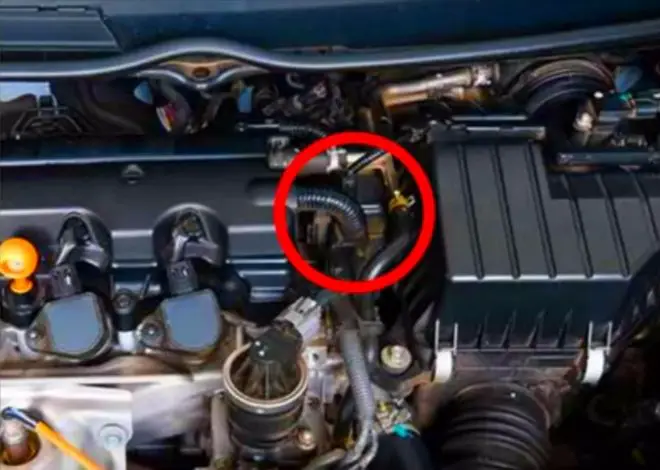
The label identifies the camshaft position being monitored, not a universal sensor mounting spot. On many engines the relevant camshaft position sensor is on or near the cylinder head, while the crankshaft position sensor is lower on the engine. Access and connector locations vary widely. A vehicle-specific diagram is more useful than a generic photo if you need to unplug or test a sensor.
Also remember that P0016 does not prove the Bank 1 Sensor A sensor is bad. It says the computer does not see the expected relationship between the two position signals.
Follow the evidence before replacing parts
Start with information you can collect without taking the engine apart. The advanced tests below require the correct service procedure and, in some cases, a scan tool that shows camshaft data or an oscilloscope.
Save the scan results
Write down all stored and pending codes and save freeze-frame data if your scanner provides it. Note any camshaft timing, oil pressure, misfire, or sensor-signal codes that appeared with P0016. A P0016 code alongside an oil pressure warning, for example, calls for a different first check than a code that appeared just after a belt replacement. If you need to identify an unfamiliar code from the same scan, use the diagnostic codes list. Clearing codes before recording them removes useful clues and may reset emissions readiness monitors.
Check oil level and recent work
Check the oil level on level ground using the procedure in your owner’s manual. Look for a neglected oil change, incorrect oil grade, or signs of an oil pressure problem. If the oil pressure warning light is on, shut off the engine and have that condition assessed first. On engines with oil-operated VVT, the oil supply can affect cam phaser operation.
Ask whether the code appeared after a timing belt or chain replacement, cam phaser work, sensor replacement, or another engine repair. A recent repair makes it especially important to confirm the installed timing and connectors before buying more parts.
Listen and inspect with the engine off
Make note of a brief startup rattle, persistent metallic noise, difficult starting, or a no-start condition. With the engine off and cool, check accessible cam and crank sensor connectors for loose plugs, damaged locks, rubbed wires, oil contamination, or recent repairs. Do not put your hands near a running belt, fan, or timing component.
If the engine cranks but won’t start, a failed cam or crank sensor is one possibility. It does not establish that a sensor is the cause of your P0016.
Prove whether the timing or a signal is wrong
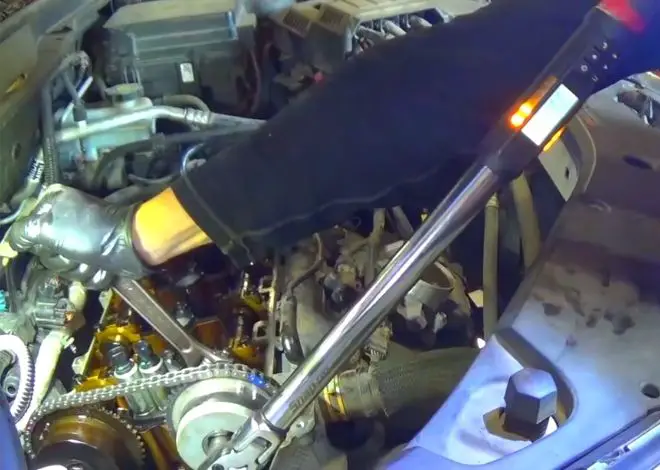
If the basic checks do not explain the code, a technician may compare commanded and actual camshaft position where the vehicle provides that data. The service manual may call for checking mechanical timing marks, chain or belt tension, oil control valve operation, oil pressure, sensor waveforms, and the condition of the reluctor wheels. Which check comes first depends on the engine and the other symptoms.
A simple resistance or voltage check does not establish that the cam and crank signals are correctly timed. Do not apply battery power to a VVT valve or probe computer terminals unless the procedure for your specific vehicle calls for it. If a timing chain has slipped, further running may make the damage worse.
Check bulletins for the exact vehicle
Before approving a large timing repair or a computer update, ask the shop to check manufacturer bulletins for your VIN. As one example, a Subaru bulletin for certain 2023 Impreza and Crosstrek models includes a diagnostic path for P0016 and a calibration update for specified vehicles. It also calls for oil, timing chain, and harness checks as directed. That bulletin applies only to the vehicles it lists.
The repair depends on what the tests show
There isn’t one P0016 code fix. The repair follows the test result, and a sensor swap is not a general fix for a correlation problem.
- Oil is low or does not meet the engine’s specification: Correct the underlying oil issue and then retest the cam timing system. Investigate an oil pressure warning rather than assuming an oil change is enough.
- Timing is physically off: A qualified technician should correct the belt or chain installation and inspect the tensioner, guides, sprockets, and possible engine damage as the manufacturer directs.
- The VVT valve or cam phaser fails a specified test: Repair the affected part and confirm the commanded and actual cam positions now agree.
- A wiring, sensor, or reluctor fault is confirmed: Repair the circuit or replace the failed component. Confirm the new part and connector suit the exact engine.
- A service bulletin applies: Follow its diagnostic path and perform a software update only when the manufacturer calls for one.
After the repair, clear the code with a scan tool and carry out the manufacturer’s verification procedure. Recheck for P0016 and any related codes. Some monitors may need additional driving before they show ready; a short test drive alone cannot prove every fault has been fixed.
What might the repair cost?
There is no useful single price for this code. An oil or connector problem costs much less to address than an internal timing repair, and labor varies considerably by engine layout. Ask the shop which test identified the fault, what the estimate includes, and whether it has checked for a bulletin that applies to your vehicle. Get a second opinion before approving a major timing or engine replacement if the diagnosis has not been explained clearly.
What if your scanner also shows P0017?
Both codes describe a crankshaft-to-camshaft correlation issue on Bank 1. P0016 refers to Sensor A; P0017 refers to Sensor B. On engines with separate intake and exhaust cams, A generally points to the intake side and B to the exhaust side. The location and service procedure still depend on the vehicle. Record the exact code shown by your scanner instead of treating the two as interchangeable.
Clearing P0016 or disconnecting the battery will not put the camshaft back in time or repair a damaged signal. If there’s a rattle, no-start, or oil pressure warning, address that before driving farther. Otherwise, start with the codes, oil, and repair history, then let the test results decide the part.

Kevin Nicholas is an automotive mechanic and editor of The Effective Guide. He writes about warning lights, car problems, and diagnostic tools, helping drivers understand what to check before replacing a part.