
Your car still starts every morning, but lately it hesitates when you accelerate. The idle feels slightly rough, and fuel economy isn’t what it used to be.
You suspect the spark plugs are worn, but replacing them doesn’t seem urgent because the engine still runs.
That delay can become expensive.
Ignoring bad spark plugs can lead to frequent engine misfires, poor acceleration, increased fuel consumption, and difficult starting. If the plugs cause severe or prolonged misfires, unburned fuel may overheat and damage the catalytic converter.
However, worn spark plugs don’t automatically cause major engine damage. The real concern is whether they’re simply approaching the end of their service life or already causing combustion problems.
Quick Answer: If your spark plugs are overdue for replacement but the engine runs normally, schedule maintenance soon. If the engine is misfiring, shaking, or losing power, arrange diagnosis promptly. A flashing check engine light can indicate a potentially catalytic-converter-damaging misfire and requires immediate attention.
What Happens If You Ignore Bad Spark Plugs? 7 Possible Consequences
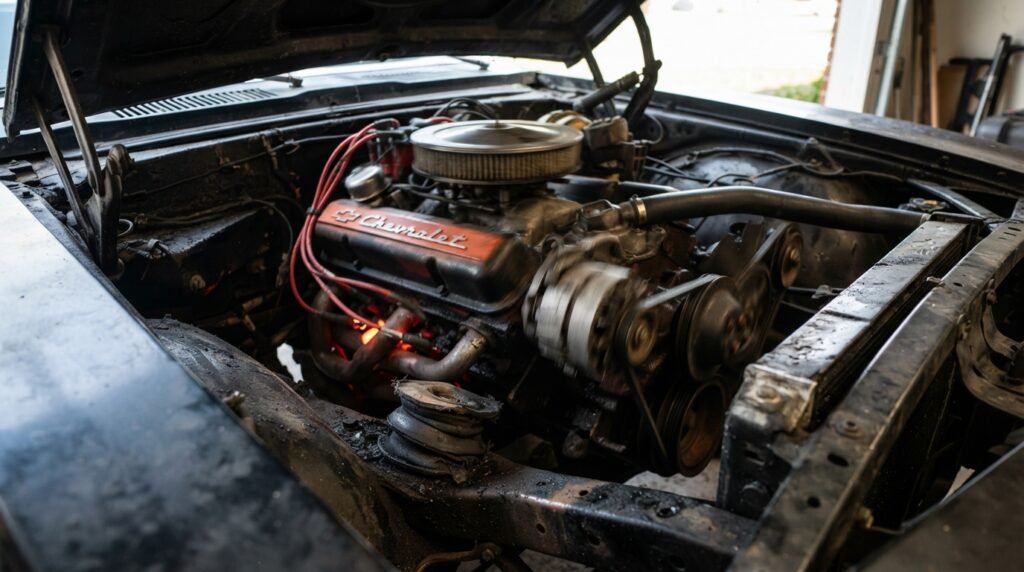
1. Engine Misfires May Become More Frequent
As spark plug electrodes wear, the gap can increase, making it harder for the ignition system to produce a reliable spark.
The engine may begin misfiring, especially during acceleration or when climbing hills.
2. Fuel Economy Can Drop
Inconsistent combustion can reduce efficiency. You may find yourself visiting the gas station more often, although the actual fuel-economy change varies.

3. Acceleration and Engine Power May Suffer
Misfires interrupt smooth power delivery. The car may hesitate, jerk, or feel weaker when you press the accelerator.

4. Rough Idle and Hard Starting Can Develop
Worn or fouled plugs may struggle to ignite the mixture consistently, causing uneven idling or longer starting attempts.

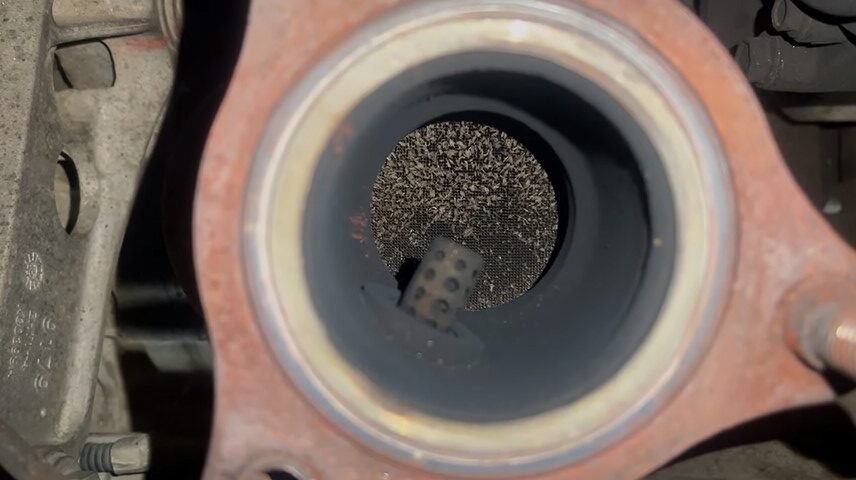
5. The Catalytic Converter Can Be Damaged
During a misfire, unburned fuel and oxygen may enter the exhaust. The fuel can burn inside the catalytic converter, generating excessive heat.
Severe or persistent misfires can damage the converter’s internal structure.
6. Ignition Coils May Experience Additional Stress
An excessively worn spark plug can require higher firing voltage. This may increase stress on ignition components, although coil failure isn’t inevitable.

7. Emissions and Repair Costs May Increase
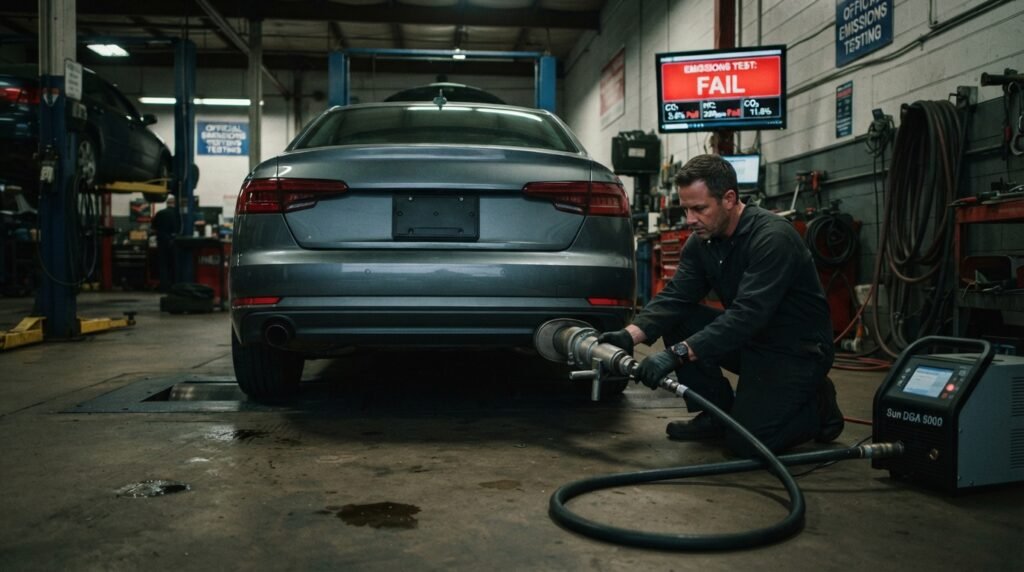
Misfires can increase exhaust emissions, trigger the check engine light, and cause an emissions inspection failure.
What began as routine maintenance may eventually require additional diagnosis or repairs.
How Serious Are Bad Spark Plugs? Mild Wear vs. Active Misfire
Not every spark plug problem has the same urgency.
Mild WearThe plugs are due for replacement, but the engine starts, idles, and accelerates normally. Schedule maintenance rather than waiting indefinitely.
Active MisfireThe engine shakes, hesitates severely, or triggers a flashing check engine light. Stop driving safely if the symptoms are severe.
| Condition | Concern | Recommended Action |
|---|---|---|
| Overdue plugs, no symptoms | Increasing wear | Schedule replacement |
| Occasional hesitation | Possible developing misfire | Diagnose soon |
| Persistent rough running | Active combustion problem | Prompt inspection |
| Flashing check engine light | Potential converter-damaging misfire | Stop safely and seek assistance |
The important question isn’t simply how old the plugs are. It’s whether the engine is burning fuel correctly.
Can You Drive With Bad Spark Plugs?
You may be able to drive a short distance with mildly worn plugs, especially if the engine runs normally.
However, continued driving with an active misfire increases the risk of additional problems.
A steady check engine light calls for timely diagnosis. A flashing light often indicates a more serious misfire that could damage the catalytic converter.
Stop driving safely if the engine shakes severely, loses substantial power, produces a strong raw-fuel smell, or the check engine light flashes. Avoid forcing the vehicle to continue under load. Roadside assistance or towing may be the safer option.
Remember that rough running doesn’t automatically mean the plugs are responsible. Ignition coils, fuel injectors, and other faults can produce similar symptoms.
What Happens If You Keep Driving With Bad Spark Plugs for Weeks or Months?
After a Few Days
Mild wear may cause no noticeable change. But if the engine is already misfiring, even a short delay can expose the catalytic converter to unnecessary stress.
After Several Weeks
Hesitation, rough idle, and fuel consumption may worsen as the plugs deteriorate or become more heavily fouled.
After Several Months
Persistent misfires can increase the chance of converter damage and other ignition-related problems.
There is no universal safe mileage limit. A car with slightly worn plugs is very different from one experiencing severe misfires on every drive.
Can Bad Spark Plugs Damage Your Engine or Catalytic Converter?
The catalytic converter is usually the bigger immediate concern when bad spark plugs cause repeated misfires.
When combustion fails, unburned fuel can enter the exhaust and burn inside the converter. Excessive heat may damage its internal catalyst structure.
Ordinary electrode wear doesn’t automatically destroy the engine. However, prolonged severe misfires can contribute to poor running and additional mechanical or emissions-related problems.
Physical spark plug damage is a separate concern. A broken electrode, incorrect plug specification, or improper installation can create more serious risks.
If you suspect a misfire, diagnose it before assuming the converter needs replacement.
Can Bad Spark Plugs Leave You Stranded?
Yes, although one worn plug usually won’t prevent a multi-cylinder engine from starting completely.
If several plugs are severely worn or fouled, the engine may become difficult to start or run poorly enough to stall.
A vehicle can also lose substantial power when multiple cylinders misfire.
However, fuel-pressure problems, ignition coil failures, and engine sensors can cause similar symptoms.
If your engine cranks but refuses to start, check the broader starting and combustion systems rather than assuming spark plugs are the only possibility.
8 Warning Signs Your Spark Plugs Are Getting Worse
1. Rough Idle
The engine may vibrate or run unevenly while stopped.
2. Hesitation During Acceleration
Weak ignition can become more noticeable when engine load increases.
3. Engine Misfires or Jerking
Intermittent combustion can cause sudden interruptions in power delivery.
4. Hard Starting
Worn or fouled plugs may struggle to ignite the mixture, particularly during cold starts.
5. Poor Fuel Economy
Incomplete combustion may reduce overall efficiency.
6. Check Engine Light
Misfires can trigger diagnostic trouble codes and illuminate the warning light.
7. Reduced Engine Power
The vehicle may feel sluggish, especially uphill or under acceleration.
8. Unusual Engine Vibration
A misfiring cylinder can make the engine shake more than usual.
These symptoms aren’t exclusive to spark plugs. A proper diagnosis helps distinguish plug wear from fuel, ignition, or mechanical faults.
Why Do Bad Spark Plugs Often Misfire Under Acceleration?
A spark plug may work adequately at idle but struggle when you accelerate.
Under heavier engine load, cylinder pressure generally increases. This raises the voltage required to jump the spark plug gap.
If the electrodes are worn or the gap is excessive, the ignition system may struggle to fire consistently.
That’s why a vehicle can idle smoothly but hesitate while merging onto a highway or climbing a hill.
However, a weak ignition coil or inadequate fuel delivery can produce similar load-related misfires.
Bad Spark Plugs vs. Bad Ignition Coils: How Can You Tell?
Spark plugs and ignition coils work together, so their failure symptoms often overlap.
| Feature | Spark Plug Problem | Ignition Coil Problem |
|---|---|---|
| Typical symptoms | Misfire, hesitation, rough idle | Similar symptoms |
| Common failure | Electrode wear, fouling, damage | Electrical or insulation failure |
| Diagnosis | Inspect condition and specifications | Check coil operation and wiring |
| Repair | Replace specified plugs | Replace confirmed faulty coil |
A cylinder-specific misfire code doesn’t identify the failed component by itself.
For example, P0302 indicates a misfire detected on cylinder two. The cause might be the plug, coil, injector, compression, or another issue.
What Do Bad Spark Plugs Look Like?
Inspecting removed plugs can provide useful clues about wear and engine condition.
Worn Electrodes
Rounded or eroded electrodes and an excessive gap indicate wear. The plug may require more voltage to fire.
Carbon-Fouled Spark Plugs
Dry black deposits can indicate incomplete combustion, rich operation, or other operating problems.
Oil-Fouled Spark Plugs
Wet, oily deposits may indicate oil entering the combustion chamber. Replacing the plug alone won’t correct the source of the oil.
Overheated or Damaged Spark Plugs
Abnormal electrode erosion, blistering, or physical damage can point toward overheating, incorrect plug specifications, or other engine problems.
Cracked Insulator
A cracked ceramic insulator may allow electrical leakage and cause ignition problems.
Plug appearance is a diagnostic clue, not proof of one specific underlying fault.
Which Trouble Codes Can Point to Bad Spark Plugs?
Misfire codes commonly include:
- P0300: Random or multiple-cylinder misfire detected.
- P0301: Cylinder one misfire detected.
- P0302: Cylinder two misfire detected.
- P0303–P0308: Misfires detected on the corresponding cylinders.
These codes don’t automatically mean the plugs are defective.
A mechanic may review freeze-frame information, live misfire counters, and ignition-system operation before identifying the cause.
A flashing check engine light requires urgent attention because a severe misfire may damage the catalytic converter.
How Do Mechanics Confirm Spark Plugs Are the Problem?
Good diagnosis involves more than reading a misfire code.
- Read trouble codes. Identify affected cylinders and operating conditions.
- Review misfire data. Determine whether the problem occurs at idle, under load, or during cold starts.
- Inspect spark plugs. Check electrode wear, deposits, cracks, and correct specifications.
- Check related components. Test ignition coils, injectors, wiring, or compression when needed.
- Verify the repair. Confirm that the engine runs properly and misfire counts no longer indicate a problem.
Avoid removing ignition components or attempting improvised spark tests while the engine is running. Modern ignition systems can generate dangerous voltages.
What If You Replace the Spark Plugs but the Engine Still Misfires?
New spark plugs won’t solve every misfire.
If the problem remains, possible causes include a weak ignition coil, damaged wiring, a clogged or leaking injector, a vacuum leak, or low cylinder compression.
Incorrect plug type, damaged installation, or improper gap can also create problems.
Don’t keep replacing plugs without testing the affected cylinder and related systems.
Should You Replace One Bad Spark Plug or All of Them?
If one plug fails prematurely because of isolated damage, replacing that plug may be reasonable after diagnosing the cause.
However, when all plugs have similar mileage and are approaching their scheduled replacement interval, replacing the complete set is often more practical.
Always use the manufacturer’s specified plug type and heat range.
Ignition coils don’t automatically need replacement simply because you’re installing new plugs.
How Often Should Spark Plugs Be Replaced?
Spark plug replacement intervals depend on the engine, plug design, and manufacturer.
Some conventional plugs have relatively short service intervals, while long-life platinum or iridium plugs may be specified for 60,000, 100,000, or more miles.
There isn’t one interval that applies to every vehicle.
Follow the maintenance schedule in your owner’s manual. Oil contamination, overheating, or other engine problems can shorten spark plug life regardless of the scheduled mileage.
Can You Clean Bad Spark Plugs Instead of Replacing Them?
Cleaning won’t restore electrodes that have worn away or correct an excessive gap caused by erosion.
It also won’t solve oil burning, rich fuel mixtures, or other problems responsible for fouling.
Abrasive cleaning can damage delicate electrodes, especially on fine-wire platinum and iridium plugs.
For worn plugs, replacement with the correct specification is generally the better solution.
How Much Does Spark Plug Replacement Cost in 2026?
Spark plug replacement is usually a routine maintenance expense, although labor costs vary widely by engine design.
| Expense | Estimated US Cost |
|---|---|
| Individual spark plug | $5–$30+ |
| Four-plug set | $20–$120+ |
| Typical professional replacement | $100–$500+ |
| Difficult-access engines | Potentially higher |
These are broad planning estimates, not confirmed local repair quotes. Diagnostic testing may cost extra.
Some engines provide easy access to all plugs. Others require removal of intake components, increasing labor time.
Replacing worn plugs on schedule is generally less expensive than repairing a catalytic converter damaged by prolonged severe misfires.
However, converter damage isn’t a guaranteed result of overdue spark plugs.
How to Prevent Spark Plugs From Failing Early
- Follow your vehicle’s recommended replacement interval.
- Use spark plugs with the correct heat range and specifications.
- Repair oil consumption or coolant contamination problems.
- Address rich-running conditions and ignition faults.
- Follow manufacturer installation and torque procedures.
Correct maintenance helps prevent premature plug failure and reduces the risk of repeated misfires.
Frequently Asked Questions
Can bad spark plugs cause a car to stall?
Yes. Severe or multiple-cylinder misfires may cause unstable running or stalling. However, fuel delivery, ignition coils, and engine sensors can cause similar problems.
Can bad spark plugs prevent an engine from starting?
Severely worn or fouled plugs can contribute to hard starting. If several cylinders cannot ignite the mixture properly, the engine may crank without starting.
Will bad spark plugs damage my engine?
Ordinary wear doesn’t automatically cause engine damage. However, severe misfires and certain physical plug failures can create additional risks, including catalytic converter damage.
Can bad spark plugs cause poor gas mileage?
Yes. Inconsistent combustion can reduce fuel efficiency, although the size of the change depends on the engine and severity of the problem.
Can I drive 100 miles with bad spark plugs?
There is no guaranteed safe distance. Mild wear may not cause immediate trouble, but active misfires can create risks even during a relatively short drive.
Can bad spark plugs damage ignition coils?
Excessive spark plug wear can increase ignition voltage demand and stress coils. However, worn plugs don’t automatically cause coil failure.
Will new spark plugs improve acceleration?
If worn plugs were causing misfires or weak ignition, replacement may restore normal acceleration. New plugs won’t necessarily increase performance when the existing plugs are functioning correctly.
Should I replace all spark plugs if only one is bad?
If all plugs are similarly aged and near their service interval, replacing the set often makes sense. An isolated early failure may justify replacing one plug after the underlying cause is identified.
Final Verdict: Is Ignoring Bad Spark Plugs Worth the Risk?
Ignoring bad spark plugs isn’t always an immediate emergency, but it can turn a routine maintenance job into a more expensive problem.
Mild electrode wear may cause few symptoms. Active misfires are different because they can affect drivability and potentially damage the catalytic converter.
If the engine shakes severely or the check engine light flashes, stop driving safely and arrange assistance.
For ordinary wear, follow the manufacturer’s maintenance schedule. For misfires, confirm the cause before replacing parts.
Fixing the right problem early is usually the simplest way to avoid unnecessary repair costs.

Kevin Nicholas is an automotive mechanic and editor of The Effective Guide. He writes about warning lights, car problems, and diagnostic tools, helping drivers understand what to check before replacing a part.