
A car that runs fine on the road but acts strange at idle can be frustrating. You stop at a red light, and the engine starts shaking. The RPM jumps up and down. Maybe the car starts, then dies right away. Or it stalls when you turn on the AC.
That kind of problem often sends people toward spark plugs, fuel injectors, or even the fuel pump. But on many older vehicles with a cable throttle body, one small part can cause all of this: the idle air control valve.
The idle air control valve, often called the IAC valve, helps your engine breathe when your foot is off the gas pedal. When it gets dirty, stuck, or fails electrically, the engine may not get the right amount of air at idle.
The tricky part is that Bad Idle Air Control Valve Symptoms can look a lot like vacuum leaks, dirty throttle body problems, MAF sensor issues, throttle position sensor faults, or ignition problems. That is why it helps to know the pattern before replacing anything.
This guide covers the most common Bad Idle Air Control Valve Symptoms, what causes them, how mechanics diagnose the problem, whether cleaning helps, and when replacement makes more sense.
What Does an Idle Air Control Valve Do?
The idle air control valve controls idle speed when the throttle plate is closed or nearly closed.
When you press the gas pedal, the throttle plate opens and lets air into the engine. But when you release the pedal, the throttle plate mostly closes. The engine still needs air to keep running, so the idle air control valve allows a controlled amount of air to bypass the throttle plate.
The engine computer adjusts the IAC valve based on what the engine needs. During a cold start, it may allow more air to raise idle speed. When the AC compressor turns on, it may open slightly to keep the engine from stalling. When you shift into Drive or turn the steering wheel at low speed, it helps compensate for the extra load.
That is why a bad idle air control valve usually shows up at idle, during cold starts, while stopping, or when accessories add load to the engine.
One important detail: not every modern car has a separate IAC valve. Many newer vehicles use an electronic throttle body to control idle speed instead. If your vehicle has electronic throttle control, the same symptoms may come from a dirty throttle body, throttle body motor issue, vacuum leak, or idle relearn problem rather than a separate IAC valve.
Bad Idle Air Control Valve Symptoms You Should Watch For
The symptoms below do not prove the IAC valve is bad by themselves. But if several show up together, especially on an older vehicle with a separate IAC valve, the idle air control system becomes a strong suspect.
1. Rough Idle or Engine Shaking at Stop
One of the most common Bad Idle Air Control Valve Symptoms is a rough idle.
The engine may shake when you are stopped at a red light. You may feel vibration through the steering wheel, seat, or brake pedal. The engine may sound uneven, like it is struggling to stay smooth.
This happens because the IAC valve is supposed to meter the right amount of air at idle. If the valve is dirty, sticky, or slow to respond, the engine may get too much air, too little air, or inconsistent airflow.
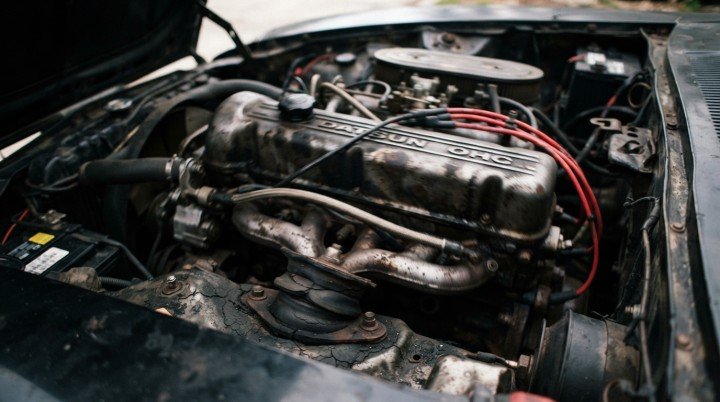
A rough idle can feel like an engine misfire. That is why many drivers replace spark plugs or ignition coils first. Sometimes those parts are the real problem. But if the rough idle happens mostly when stopped, and the RPM is unstable, the idle air control valve should be checked.
This symptom is often worse when the engine is cold. Carbon buildup inside the valve or idle passage can make the valve stick until heat and vibration loosen it slightly.
2. Engine Stalls When Idling
A bad IAC valve can cause the engine to stall when you are not pressing the gas pedal.
The car may run normally while driving, then shut off when you stop. It may stall at traffic lights, stop signs, in parking lots, or when shifting from Park into Drive or Reverse.
This is one of the more serious Bad Idle Air Control Valve Symptoms because it can happen at the worst time. If the engine dies while turning into traffic or backing out of a parking space, it becomes more than an annoyance.
Stalling happens when the engine does not get enough air to maintain idle speed. If the IAC valve is stuck closed or clogged with carbon, the engine may drop below its normal idle RPM and shut off.

The AC can make this worse. When the AC compressor turns on, it adds load to the engine. A healthy IAC valve compensates for that load. A failing one may not react fast enough, so the RPM drops and the engine stalls.
Repeated stalling should be diagnosed quickly. Do not keep driving normally if the car shuts off at stops. If you are unsure how risky it is to keep moving, this guide on whether it is safe to drive with a warning or symptom can help you think through the next step.
3. Idle RPM Goes Up and Down
Idle RPM that rises and falls repeatedly is often called idle surging or hunting.
You may notice the tachometer moving up and down while the car is sitting still. The engine may rev slightly, drop down, almost stall, then recover again. This cycle may repeat every few seconds.
A sticking IAC valve can cause this because the computer is constantly trying to correct idle speed. If the valve does not respond smoothly, the engine may overshoot and undershoot the target RPM.

For example, the RPM drops too low, so the computer commands more air. The valve opens too much, so RPM jumps. Then the computer reduces air, and RPM drops again.
This symptom can also come from a vacuum leak. A vacuum leak lets unmetered air into the engine, which can confuse fuel control and idle speed. That is why Bad Idle Air Control Valve Symptoms should never be diagnosed by RPM movement alone.
If the idle surges and the engine has a hissing sound, lean codes, or high fuel trims, a vacuum leak may be more likely. If the valve is dirty or the idle passage is clogged, the IAC valve may be the better suspect.
4. Idle Speed Is Too High
A high idle can happen when the IAC valve is stuck open.
The engine may idle at 1,200 RPM, 1,500 RPM, or even higher after it should have settled down. The car may feel like it wants to move harder than normal when shifted into Drive. On a manual transmission, the engine may hang at a higher RPM between shifts.
Extra air at idle raises engine speed. If the IAC valve stays open too far, the engine computer may not be able to bring the RPM down.
A high idle can also come from other issues. A vacuum leak, stuck throttle plate, dirty throttle body, misadjusted throttle cable, or electronic throttle problem can all create a similar result.

That is why the inspection should include the throttle body and intake system, not just the IAC valve.
Still, if the high idle appeared along with surging, stalling, or idle control codes, the IAC valve deserves attention.
5. Idle Speed Is Too Low
A low idle is the opposite problem.
The engine may idle below the normal range, shake badly, or feel like it is about to shut off. You may notice the RPM dipping when you turn the steering wheel, switch on the headlights, or turn on the AC.
This often happens when the IAC valve is stuck closed, clogged, or unable to open enough. The engine cannot get enough bypass air when the throttle plate is closed, so the RPM drops too low.
Low idle is one of those Bad Idle Air Control Valve Symptoms that can sneak up slowly. At first, the engine may only dip for a second and recover. Later, it may shake more often. Eventually, it may stall.
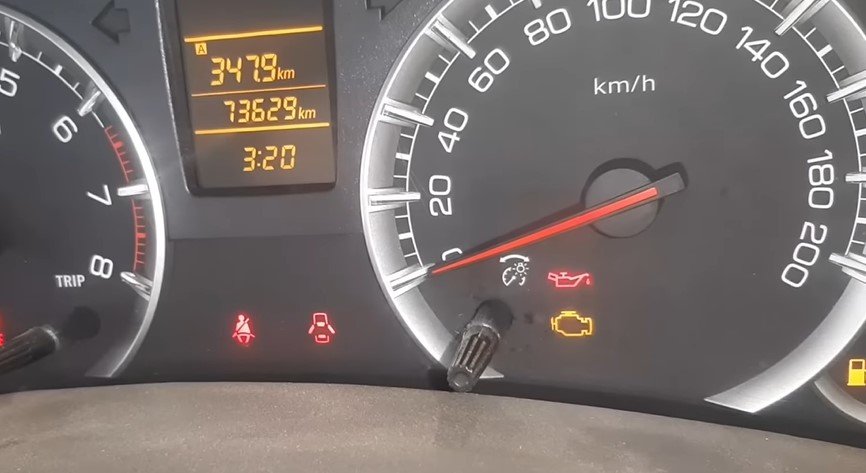
A low idle can also be caused by a dirty throttle body, weak battery, alternator load, vacuum leak, fuel problem, or engine misfire. But if the symptom happens mostly when the car is stopped and the throttle is closed, the idle control system should be checked.
6. Hard Starting or Starts Then Dies
Another common sign is a car that starts, then immediately dies.
The engine may fire for one or two seconds, then shut off unless you press the gas pedal. Some drivers say the car only stays running if they “help it” with a little throttle.
This clue can point toward the IAC valve because pressing the gas pedal opens the throttle plate and lets more air in. If the IAC valve is clogged or stuck, your foot is temporarily doing the job the valve should be doing.

This symptom may be worse during cold starts. Cold engines often need more air to idle smoothly. If the IAC valve cannot provide it, the engine may start and die until it warms up.
Hard starting can also come from a weak battery, fuel pressure problem, dirty throttle body, crankshaft sensor issue, or air/fuel problem. But when hard starting appears with rough idle, low RPM, and stalling at stops, the IAC valve becomes more likely.
7. Check Engine Light Comes On
A bad idle air control valve can trigger a check engine light, especially if the computer cannot control idle speed within the expected range.
Common idle control related codes may include P0505, P0506, P0507, or P0511. These codes can point to idle control malfunction, idle speed lower than expected, idle speed higher than expected, or an idle air control circuit problem.
But a code does not automatically prove the valve is bad.
A vacuum leak can cause a high idle. A dirty throttle body can cause a low or unstable idle. Wiring damage can interrupt the IAC circuit. On some vehicles, an idle relearn problem can set idle speed codes after cleaning or battery disconnect.

A scan tool helps, but it should be used with inspection. The mechanic should look at live idle data, commanded idle speed, actual RPM, fuel trims, and related sensor readings.
If the check engine light appears along with several Bad Idle Air Control Valve Symptoms, the IAC valve or idle control circuit should be tested before replacing parts.
8. Engine Struggles When AC or Power Steering Is Used
A weak IAC valve often shows itself when the engine gets an extra load at idle.
Turn on the AC, and the RPM drops. Turn the steering wheel while parking, and the engine shakes. Shift into Drive, and the car almost stalls. These moments require idle compensation.
A healthy IAC valve reacts by allowing more air to keep idle stable. A dirty or failing valve may react too slowly or not enough.

This symptom is common during parking maneuvers, backing up, sitting in traffic with the AC on, or turning the steering wheel at low speed.
If the engine only struggles when accessories are on, the IAC valve is not the only possible cause. A weak battery, charging problem, dirty throttle body, bad engine mount, or AC compressor issue can also add stress at idle. But the IAC valve should be part of the diagnosis.
What Causes an Idle Air Control Valve to Go Bad?
The most common cause is carbon buildup.
Over time, oil vapor from the PCV system, dirt from the intake, and combustion residue can collect around the throttle body and IAC passage. This buildup can make the valve stick or restrict airflow.
Electrical failure is also possible. The IAC valve may have an internal motor or solenoid that stops responding. Wiring, connectors, or corrosion can also cause idle control problems.
Common causes include:
- Carbon buildup
- Dirt and oil vapor contamination
- Stuck valve pintle
- Electrical failure
- Damaged wiring or connector
- Dirty throttle body
- Vacuum leak
- High mileage wear
- Poor maintenance
- PCV system problems
A dirty air filter or neglected throttle body can make the problem worse. Engines with a lot of blow-by or oil vapor in the intake may clog the valve faster.
Stuck Open vs Stuck Closed IAC Valve
The symptoms depend on how the valve fails.
If the IAC valve is stuck open, the engine may get too much air at idle. That can cause high idle, surging, or RPM that hangs longer than normal.
If the valve is stuck closed, the engine may not get enough air. That can cause low idle, rough idle, hard starting, starts then dies, or stalling.
If the valve sticks only sometimes, the symptoms may come and go. The car may run fine one day, then stall the next morning. Intermittent problems can be harder to diagnose because the valve may behave normally during testing.
This is why inspection for carbon buildup matters. A valve that is not fully dead electrically can still cause problems if it cannot move smoothly.
Can You Drive With a Bad Idle Air Control Valve?
It depends on how bad the symptoms are.
If the engine only idles slightly rough but does not stall, you may be able to drive a short distance to a shop. But if the car stalls repeatedly, idle speed is unpredictable, or the engine dies when turning or stopping, driving becomes risky.
A stalling vehicle can surprise you in traffic. It can also make parking and low-speed turns stressful.
Driving with a bad IAC valve usually does not damage the engine immediately, but ignoring it can lead to unsafe driving, poor fuel economy, failed emissions tests, and repeated starting issues.
If your car stalls at stops, diagnose it before using it as a daily driver.
How Mechanics Diagnose a Bad Idle Air Control Valve
A good diagnosis starts with confirming that the vehicle actually has a separate IAC valve.
If it does, the mechanic may scan for trouble codes, observe idle RPM, check live data, and inspect the throttle body. They may look for vacuum leaks with a smoke test or spray test. They may also check wiring and connector condition.
On some vehicles, a scan tool can command the IAC valve open and closed. If the valve is commanded but the RPM does not respond, the valve or passage may be clogged or failed.
A diagnosis may include:
- OBD2 scan
- Idle RPM observation
- Vacuum leak check
- Throttle body inspection
- Wiring and connector inspection
- IAC command test with scan tool
- Resistance or voltage testing
- Carbon buildup inspection
- Comparison with MAF, TPS, or throttle body data
This matters because Bad Idle Air Control Valve Symptoms overlap with several other common engine problems.
Bad Idle Air Control Valve vs Vacuum Leak
A bad IAC valve and a vacuum leak can create similar symptoms, especially high idle, surging idle, rough idle, and stalling.
The difference is control.
The IAC valve allows controlled bypass air. The computer expects that air and adjusts it. A vacuum leak allows uncontrolled air to enter the engine where it should not.
A vacuum leak may cause lean codes, hissing sounds, high fuel trims, or idle problems that do not respond correctly to IAC commands.
A smoke test is one of the best ways to find vacuum leaks. If a leak is found, it should be repaired before blaming the IAC valve.
Bad Idle Air Control Valve vs Dirty Throttle Body
A dirty throttle body can mimic many Bad Idle Air Control Valve Symptoms.
Carbon around the throttle plate can restrict airflow. Dirt inside the IAC passage can reduce bypass air. On some vehicles, cleaning the throttle body and IAC passage may restore normal idle.
But cleaning must be done carefully. Some electronic throttle bodies are sensitive, and forcing the throttle plate open by hand can cause problems on certain vehicles. Some cars also need an idle relearn after cleaning.
If the vehicle has a separate IAC valve, cleaning both the throttle body area and the valve passage may help. If the valve has electrical failure, cleaning will not fix it.
Can You Clean an Idle Air Control Valve?
Yes, sometimes cleaning works.
If the valve is dirty or sticking because of carbon buildup, cleaning can restore movement. A proper throttle body or IAC cleaner may remove deposits from the valve and passage.
But do not force the pintle or internal moving parts. Some IAC valves are delicate. If the valve is not serviceable, cleaning may damage it or do nothing.
Cleaning is less likely to help if the valve has a failed motor, damaged connector, broken wiring, or internal electrical fault.
After cleaning, the idle may be abnormal for a short time. Some vehicles relearn automatically after a few drive cycles. Others need a specific idle relearn procedure.
Idle Relearn After Cleaning or Replacement
After cleaning or replacing an IAC valve or throttle body, the engine computer may need to relearn the correct idle position.
Some vehicles relearn by idling for a certain time, driving under specific conditions, or cycling the key. Others require a scan tool.
If the battery was disconnected, idle memory may also be reset. That can make the idle too high, too low, or unstable until relearn is complete.
This is one reason some people replace a good part and still have idle problems. The repair may be correct, but the relearn step is missing.
Always check the service procedure for your vehicle before assuming the new valve is defective.
Idle Air Control Valve Replacement Cost
Replacement cost depends on the vehicle and how easy the valve is to reach.
On some engines, the IAC valve is mounted on or near the throttle body and can be replaced quickly. On others, access is tighter and labor costs more.
Cleaning is usually cheaper than replacement, but it is not always a permanent fix. If the valve is worn or electrically failed, replacement is the better repair.
The final cost may include diagnosis, the part, labor, cleaning, and sometimes idle relearn. It is worth paying for diagnosis if the symptoms could also be caused by a vacuum leak, dirty throttle body, or sensor issue.
Replacing the IAC valve without checking those things can waste money.
How to Prevent Idle Air Control Valve Problems
You cannot prevent every failure, but you can reduce the chances.
Keep the air intake system clean. Replace the air filter when needed. Fix vacuum leaks early. Maintain the PCV system so excessive oil vapor does not enter the intake. Clean the throttle body when symptoms begin, using the correct method for your vehicle.
Do not ignore early idle problems. A small rough idle can turn into stalling later.
If your vehicle uses an electronic throttle body instead of a separate IAC valve, follow the correct cleaning and relearn procedure for that system.
FAQs About Bad Idle Air Control Valve Symptoms
What is the most common symptom of a bad idle air control valve?
The most common symptom is rough or unstable idle. The engine may shake, surge, or feel like it is about to stall when stopped.
Can a bad idle air control valve cause stalling?
Yes. If the valve cannot provide enough air at idle, the engine may stall at stoplights, parking lots, or when shifting into gear.
Can a bad IAC valve cause high idle?
Yes. If the valve is stuck open, too much air can bypass the throttle plate and raise idle speed.
Will a bad idle air control valve trigger a check engine light?
It can. Codes like P0505, P0506, P0507, or P0511 may appear, but vacuum leaks and throttle body issues can also trigger idle control codes.
Can I clean an idle air control valve instead of replacing it?
Sometimes. Cleaning may help if carbon buildup is the cause. If the valve has an electrical failure, cleaning will not fix it.
How do I know if it’s the IAC valve or a vacuum leak?
A smoke test, fuel trim data, and IAC command testing can help separate the two. A vacuum leak allows uncontrolled air into the engine, while the IAC valve controls bypass air intentionally.
Final Thoughts
The most common Bad Idle Air Control Valve Symptoms show up when the engine is idling: rough idle, stalling, surging RPM, high idle, low idle, hard starting, check engine light, or RPM drop when the AC turns on.
But the IAC valve should not be blamed too quickly. Vacuum leaks, dirty throttle body, MAF sensor problems, TPS issues, and ignition faults can all look similar.
Start with the basics. Check for codes. Inspect the throttle body. Look for vacuum leaks. Confirm whether your vehicle even has a separate IAC valve. Then decide whether cleaning, relearn, or replacement makes sense.
A bad idle air control valve is usually not the biggest repair on the engine, but it can make the car annoying and unsafe to drive if it starts stalling at the wrong time.
Kevin Nicholas is an automotive mechanic and editor of The Effective Guide. He writes about warning lights, car problems, and diagnostic tools, helping drivers understand what to check before replacing a part.