
Last Updated on November 23, 2026
QUICK ANSWERYou may be able to drive cautiously for a short period when the only symptom is a steady catalyst-efficiency code and the vehicle otherwise operates normally. However, that doesn’t guarantee the car is safe or the converter is the actual problem.
Stop driving if you experience severe power loss, a flashing check engine light with misfiring, repeated stalling, smoke, burning odors, or exhaust entering the cabin. Arrange professional diagnosis before the problem gets worse.
What Does a Catalytic Converter Actually Do?
The catalytic converter is part of your vehicle’s exhaust system. It uses a coated internal structure to help convert harmful pollutants into less harmful emissions.
On gasoline vehicles, it helps reduce carbon monoxide, unburned hydrocarbons, and nitrogen oxides.
It works best when the engine runs with the correct fuel mixture and combustion is stable.
Misfires, excessive fuel, or oil contamination can damage its internal catalyst material. Some vehicles also have multiple converters, making correct identification important before replacement.
What Are the Signs of a Bad Catalytic Converter?
A catalytic converter can fail chemically, mechanically, or through restricted exhaust flow. Symptoms vary depending on the type of failure.
- Check engine light: Codes P0420 or P0430 may appear.
- Weak acceleration: A restricted converter can limit engine power.
- Poor performance under load: The engine may struggle uphill or at higher speeds.
- Rattling: Broken internal substrate material may move inside the housing.
- Unusual exhaust odor: Sulfur-like smells may occur under certain conditions.
- Excessive exhaust heat: Often associated with abnormal combustion or fuel delivery.
- Failed emissions inspection: The catalyst may not clean exhaust effectively.
- Stalling or difficult starting: Possible with severe exhaust restriction.
These symptoms aren’t exclusive to catalytic converters. Ignition faults, fuel-delivery problems, exhaust leaks, and oxygen sensor issues can produce similar complaints.
For a broader symptom comparison, see our 10 signs of a bad catalytic converter guide.
Can You Drive With a Bad Catalytic Converter?
Before deciding to keep driving, separate a suspected emissions-efficiency problem from signs of a serious exhaust restriction or overheating.
| Your Situation | Recommended Action |
|---|---|
| Steady P0420/P0430, normal acceleration, no other warnings | Arrange prompt diagnosis; monitor for changing symptoms |
| Mild rattling or declining performance | Limit unnecessary driving and have the exhaust inspected |
| Major loss of acceleration | Avoid continued driving; towing may be appropriate |
| Flashing check engine light with severe misfire | Stop safely and arrange immediate service |
| Smoke, strong burning odor, or excessive underbody heat | Stop safely, turn off the engine, and seek assistance |
| Exhaust entering the cabin | Stop safely, leave the vehicle, and move into fresh air |
| Repeated stalling | Do not continue driving; arrange towing |
A steady check engine light doesn’t guarantee safe operation. The car’s actual performance, noises, temperatures, and other warnings determine how urgent the problem may be.
7 Risks of Driving With a Bad Catalytic Converter
1. Severe Loss of Engine Power
A clogged catalytic converter can restrict the flow of exhaust gases leaving the engine.
Imagine trying to breathe out through a partially blocked straw. The harder you work, the more noticeable the restriction becomes.
Something similar happens when exhaust back-pressure builds. The engine has difficulty moving exhaust gases out of the cylinders, reducing its ability to produce power.
You may notice sluggish acceleration, difficulty climbing hills, or an engine that struggles as driving load increases.
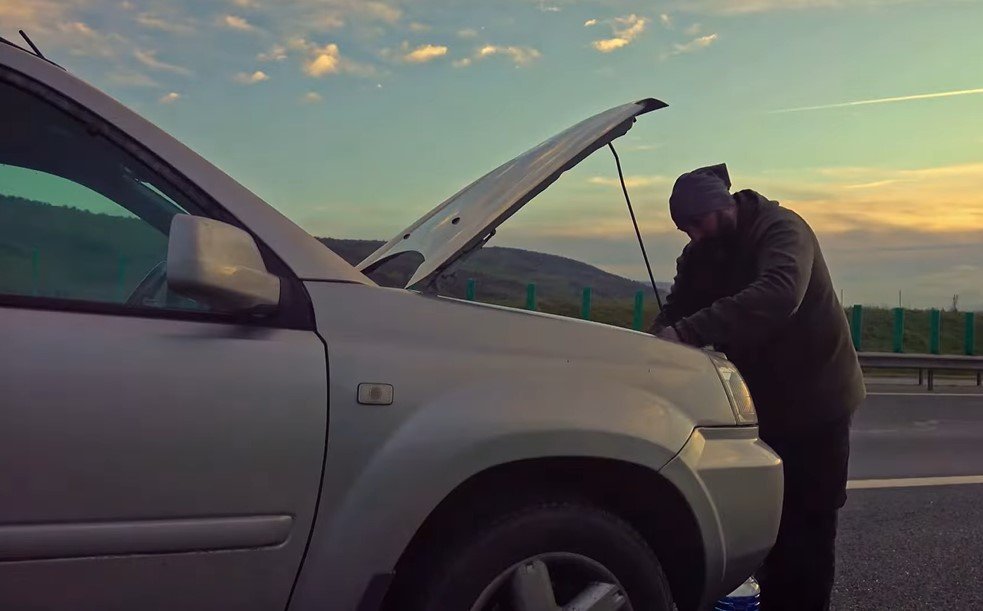
Loss of power is especially dangerous when merging onto a highway or overtaking another vehicle.
However, weak acceleration can also result from fuel pressure, ignition, intake, or engine-control problems.
Driving decision: If acceleration becomes severely limited or unpredictable, don’t attempt normal highway driving. Arrange inspection or towing.
2. Excessive Exhaust Heat and Fire Hazards
Catalytic converters normally operate at high temperatures, but abnormal engine conditions can make them much hotter than intended.
A rich fuel mixture or ignition misfire may send unburned fuel into the exhaust. That fuel can react inside the converter and generate excessive heat.
Extreme temperatures may damage the internal catalyst, surrounding heat shields, wiring, and nearby underbody components.
There may also be a fire hazard if an excessively hot exhaust system contacts dry grass or other combustible material.
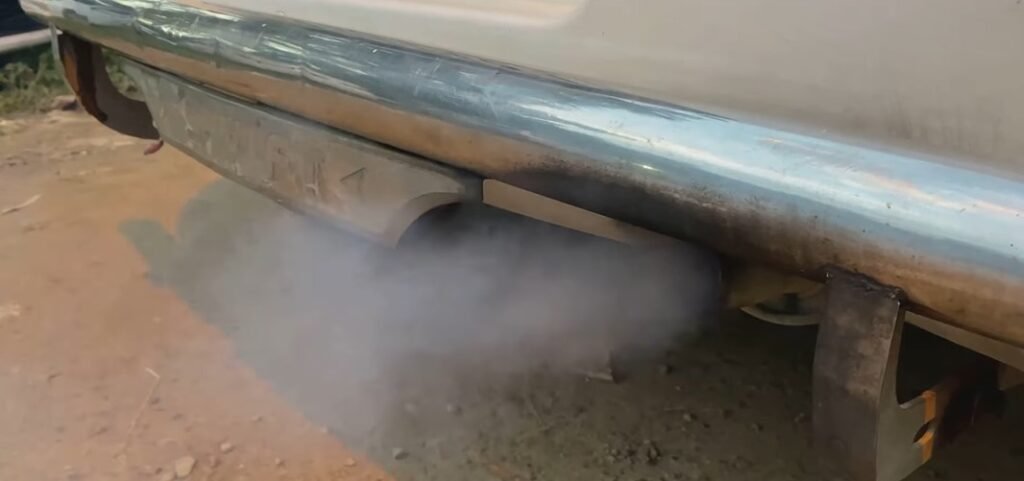
Warning signs can include unusual burning odors, visible smoke, or abnormal heat beneath the vehicle.
Not every hot converter is defective. The critical issue is whether engine operation or exhaust restriction is creating dangerous temperatures.
Driving decision: Stop safely if smoke or strong burning odors appear. Turn off the engine and obtain professional assistance.
3. Expensive Damage From an Ignored Engine Misfire
A bad catalytic converter is sometimes the result of an engine problem rather than its original cause.
When a cylinder misfires, some of its fuel may leave the engine without burning properly.
That unburned fuel can enter the converter, react with oxygen, and raise internal temperatures enough to damage or melt the catalyst substrate.
A flashing check engine light often signals a severe misfire capable of damaging the catalytic converter.
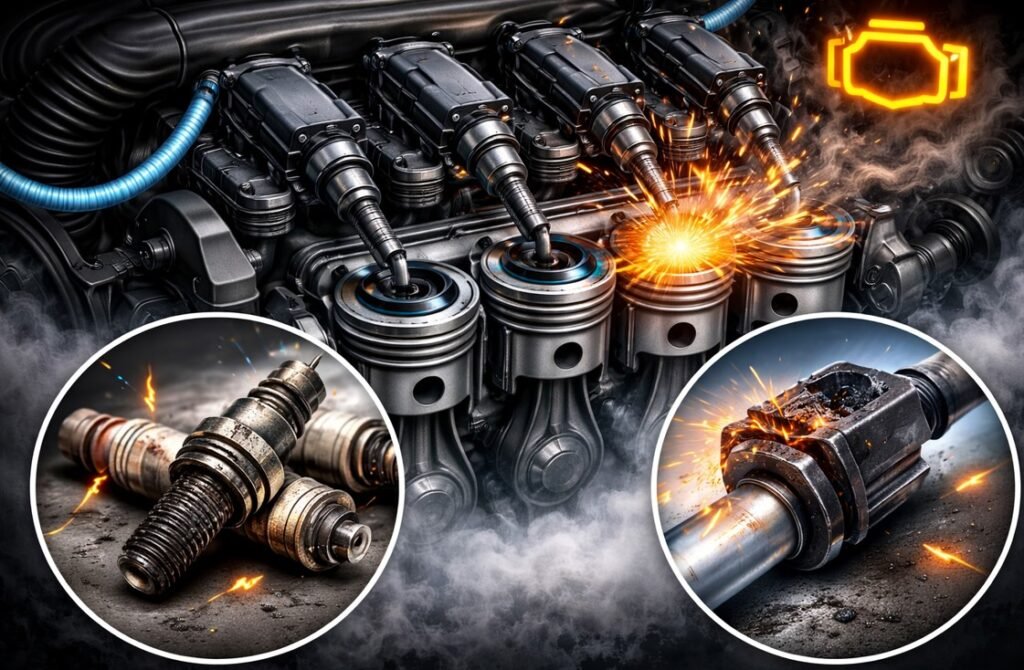
Codes such as P0300 through P0308 may accompany misfire problems, depending on the engine.
If you replace the converter but ignore the misfire, the new part may fail again.
Driving decision: A flashing check engine light accompanied by rough running is a reason to stop safely and seek immediate diagnosis—not to continue driving until the converter fails.
4. Engine Stalling or Failure to Restart
Severe exhaust restriction can interfere with the engine’s ability to breathe and maintain power.
As the blockage becomes worse, the engine may struggle under load, hesitate, or stall.
In extreme cases, restricted exhaust flow can contribute to difficult starting or a no-start condition.
Stalling in traffic creates a safety risk because you may lose engine power at an intersection or while changing lanes.

These symptoms don’t prove the converter is clogged. Fuel delivery, crankshaft position sensors, ignition systems, and other engine problems can cause stalling too.
Driving decision: If the vehicle repeatedly stalls or cannot maintain predictable power, stop using it and arrange towing.
5. Poor Fuel Economy and Increasing Repair Costs
A restricted converter can make the engine less efficient by increasing exhaust back-pressure and limiting performance.
You may need more throttle to maintain speed or accelerate, and fuel economy can suffer.
However, an isolated P0420 code doesn’t automatically mean the converter is reducing fuel mileage.
Sometimes a rich fuel mixture, weak ignition coil, leaking injector, or another engine fault causes both the poor economy and the converter problem.
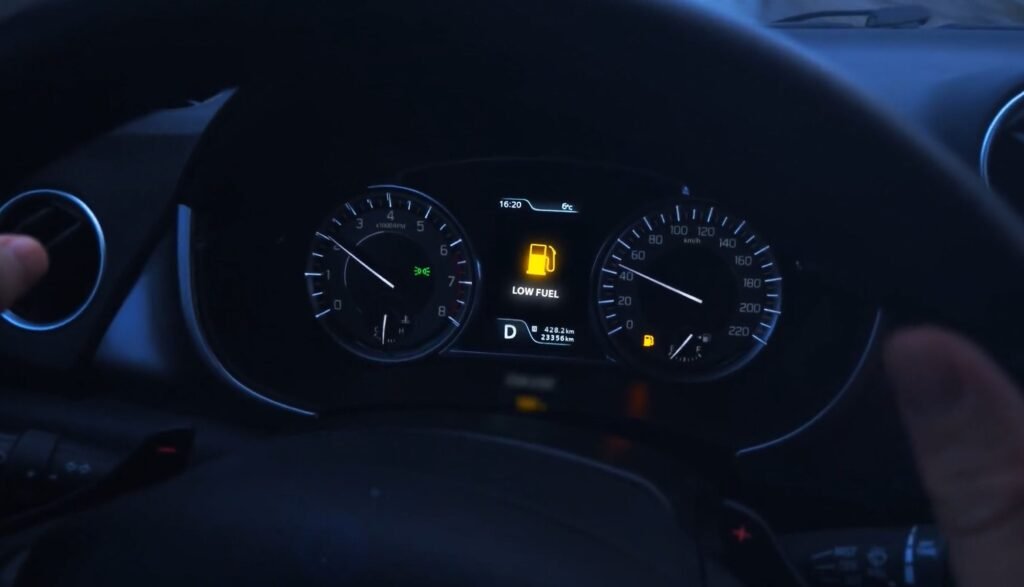
Delaying diagnosis can mean paying for additional fuel while the original fault continues damaging expensive emissions components.
Driving decision: Investigate unusual fuel consumption alongside misfires, fuel trims, and engine performance before buying a converter.
6. Higher Emissions and Failed State Inspection
A chemically deteriorated converter may no longer reduce exhaust pollutants as effectively as required.
That can trigger catalyst-efficiency codes such as P0420 or P0430 and may cause an emissions inspection failure.
States and local areas have different inspection and registration requirements. A vehicle with an unresolved emissions fault may not pass the required test.
Clearing the check engine light doesn’t repair the problem. It may also reset OBD readiness monitors, leaving the vehicle unprepared for inspection until the required monitors complete.
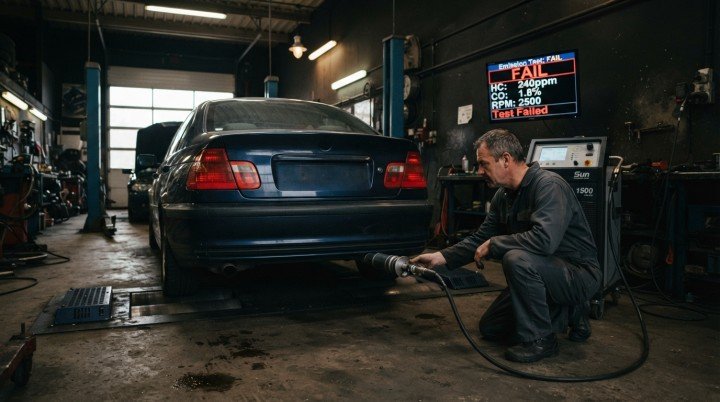
Removing or bypassing the converter isn’t a legitimate solution for a street-driven vehicle subject to US emissions requirements.
Driving decision: Schedule compliant emissions diagnosis and repair rather than treating the warning as something to erase.
7. Dangerous Exhaust Exposure When a Leak Is Present
A defective catalytic converter doesn’t automatically cause exhaust gases to enter the cabin.
However, leaks around exhaust pipes, converter flanges, damaged gaskets, or other exhaust components can allow fumes to reach the passenger compartment.
Exhaust gases may contain carbon monoxide, which is colorless and odorless.
Possible symptoms of carbon monoxide exposure include headache, dizziness, nausea, weakness, and confusion.
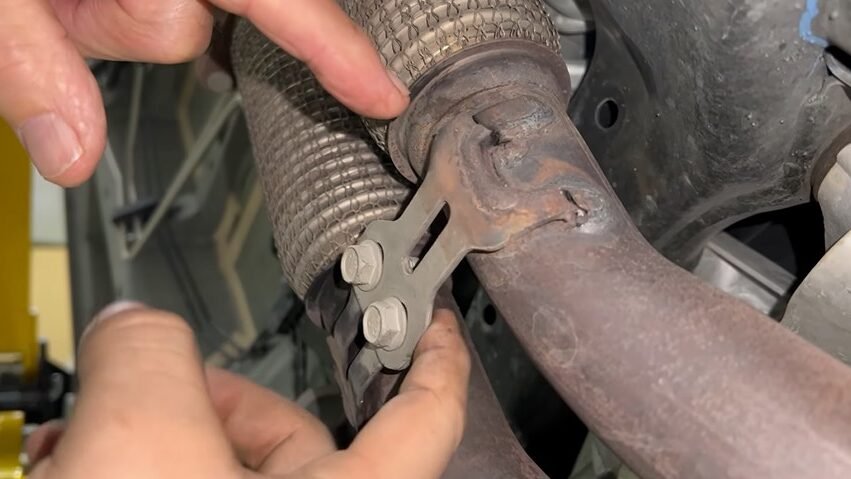
A sulfur-like exhaust smell is not a reliable way to detect carbon monoxide. You cannot depend on odor to judge whether the cabin is safe.
Driving decision: If exhaust fumes appear to enter the cabin, stop safely and move everyone into fresh air. Seek urgent medical attention if exposure is suspected, and don’t drive the vehicle again until the leak is repaired.
Bad Catalytic Converter vs Clogged Converter: What’s the Difference?
Not every catalytic converter failure creates the same level of danger.
| Failure Type | Common Symptoms | Main Concern |
|---|---|---|
| Low catalyst efficiency | P0420/P0430, failed emissions test | Emissions compliance and diagnosis |
| Partially restricted converter | Weak acceleration, declining power | Reduced drivability |
| Severely clogged converter | Major power loss, possible stalling | Unsafe driving conditions |
| Overheating converter | Burning odor, excessive heat, possible smoke | Fire hazard and component damage |
| Broken internal substrate | Rattling, possible exhaust restriction | Mechanical damage or blockage |
The important distinction is that a converter may fail an emissions-efficiency test without being physically clogged.
Likewise, severe power loss doesn’t prove the converter is blocked until exhaust restriction is tested.
When Should You Stop Driving Immediately?
Stop Safely and Arrange Assistance If You Notice:
- A flashing check engine light with severe engine misfiring.
- Major or sudden acceleration loss.
- Repeated engine stalling.
- Smoke or strong burning smells beneath the vehicle.
- Excessive exhaust heat or signs of an underbody fire.
- Exhaust fumes entering the passenger compartment.
These symptoms can indicate problems more serious than a simple catalyst-efficiency fault. Don’t attempt to drive a fixed distance just to reach a repair shop.
How Long Can You Drive With a Bad Catalytic Converter?
There is no guaranteed safe number of miles or days.
A vehicle with a confirmed non-restrictive catalyst-efficiency problem may continue running normally while you arrange a repair. That doesn’t mean the underlying fault should be ignored.
A partially clogged or overheating converter can become more dangerous, particularly if active misfires or fuel-control problems are present.
If the car is losing power, stalling, overheating, or producing smoke, the answer changes immediately: stop driving and have it inspected.
Don’t rely on advice promising that every car with a bad catalytic converter can safely travel another 100 or 1,000 miles.
Does P0420 or P0430 Always Mean a Bad Catalytic Converter?
No. These codes describe catalyst-efficiency problems detected by the vehicle’s diagnostic system.
P0420 generally means catalyst system efficiency below threshold on Bank 1.
P0430 generally identifies the corresponding issue on Bank 2.
Possible causes include genuine catalyst deterioration, exhaust leaks, oxygen sensor or wiring faults, misfires, and incorrect fuel mixtures.
An exhaust leak near the oxygen sensors can affect the measurements used to assess catalyst performance.
If both banks report efficiency problems, it’s worth investigating engine-wide fuel or combustion faults before approving two converter replacements.
Our P0430 troubleshooting guide explains the Bank 2 diagnostic process in more detail.
A catalyst-efficiency code does not establish that the converter is physically blocked.
What Should You Check Before Replacing a Bad Catalytic Converter?
Catalytic converter replacement is expensive enough that a proper diagnosis is worth the effort.
- Read all codes: Look for pending faults, misfires, fuel-trim problems, and oxygen sensor codes.
- Resolve active misfires: Check ignition, fuel delivery, and mechanical causes before replacing the converter.
- Inspect exhaust leaks: Pay attention to joints, flanges, and piping around the converter and sensors.
- Review fuel trims: Rich or lean conditions may explain why catalyst monitoring fails.
- Evaluate oxygen and air-fuel sensors: Use vehicle-specific scan data and proper sensor testing.
- Check oil or coolant consumption: Internal engine contamination can damage catalyst material.
- Test exhaust restriction: If power loss suggests blockage, a technician may perform back-pressure or other appropriate tests.
Be cautious about approving converter replacement solely because the downstream oxygen sensor behaves similarly to the upstream sensor. Catalyst-monitor diagnostics depend on operating conditions and system design.
The repair shop should explain which tests established that the converter itself failed.
Can a Bad Catalytic Converter Damage Your Engine?
A severely restricted converter can make it difficult for exhaust gases to leave the engine. That increases pumping losses and can contribute to poor performance and abnormal operating conditions.
In some cases, broken catalyst material can create additional restrictions.
However, it’s often an existing engine problem—such as misfiring, excessive fuel, or oil consumption—that damages the converter in the first place.
A P0420 code by itself doesn’t mean your engine is being destroyed.
The safest approach is to identify whether the converter is merely inefficient, physically restricted, or being damaged by another fault.
How Much Does Catalytic Converter Replacement Cost in 2026?
RepairPal’s US national estimates, updated September 3, 2026, place average catalytic converter replacement at approximately $2,280–$2,480.
| Cost Component | Estimated US Cost |
|---|---|
| Replacement parts | $2,044–$2,133 |
| Labor | $236–$347 |
| Total | $2,280–$2,480 |
These are national estimates, excluding taxes, location differences, and related repairs. The cost for your specific car may be considerably lower or higher.
Pricing depends on converter location, whether it’s integrated with the exhaust manifold, OEM versus legally compliant aftermarket parts, and whether multiple converters are involved.
Before paying, confirm that the replacement meets your vehicle’s emissions certification and applicable state requirements, including California rules where relevant.
Check the Federal Emissions Warranty First
For applicable US light-duty vehicles, catalytic converters are among the major emissions components generally covered by the federal 8-year/80,000-mile warranty, whichever limit comes first, subject to eligibility and warranty conditions.
Check the vehicle’s emissions warranty booklet and contact the manufacturer or authorized dealer before approving an expensive repair.
Some vehicles may also qualify for manufacturer-specific warranty extensions or emissions-related service programs.
Can You Clean a Bad Catalytic Converter Instead of Replacing It?
Products marketed as catalytic converter cleaners are not a reliable fix for a melted, broken, or severely restricted catalyst.
If a misfire, rich fuel mixture, or other engine problem is causing the warning, correcting that fault may improve operation and prevent further converter damage.
But clearing P0420 after adding a chemical doesn’t prove that catalyst efficiency has been permanently restored.
A converter with confirmed physical damage or severe internal restriction usually needs proper repair or replacement.
Removing, hollowing out, or bypassing emissions equipment isn’t an acceptable repair for a US street-driven vehicle.
What If P0420 Comes Back After Converter Replacement?
If the same catalyst-efficiency code returns, the replacement may not have addressed the original problem.
Possible causes include unresolved engine misfires, incorrect fuel mixture, exhaust leaks, oxygen sensor faults, or continued oil or coolant contamination.
An incorrect or unsuitable replacement converter may also fail the vehicle’s emissions-monitoring requirements.
The technician should review scan data, fuel trims, exhaust integrity, and relevant OBD readiness monitors before recommending another converter.
Replacing the same expensive part twice without a diagnosis can repeat the same failure.
Common Mistakes That Make Converter Problems Worse
- Ignoring a flashing check engine light.
- Continuing to drive with severe acceleration loss.
- Replacing a converter without correcting active misfires.
- Assuming P0420 means the exhaust is clogged.
- Ignoring exhaust leaks near the oxygen sensors.
- Using cleaning additives to address physically melted internals.
- Installing a converter that doesn’t meet applicable emissions requirements.
- Clearing codes instead of fixing the original problem.
- Removing or hollowing out the catalytic converter.
- Ignoring smoke, excessive heat, or exhaust entering the cabin.
Frequently Asked Questions About a Bad Catalytic Converter
1. Can I drive with a bad catalytic converter if the check engine light is steady?
Possibly, if the vehicle otherwise runs normally and no serious symptoms are present. However, a steady light doesn’t guarantee safety. Arrange diagnosis promptly and stop if performance or warning signs worsen.
2. How long can I drive with a clogged catalytic converter?
There is no reliable mileage limit. A severe restriction can quickly affect power and cause stalling. If blockage is suspected and performance is poor, avoid continued driving.
3. Will a bad catalytic converter cause my car to stall?
Yes, a severely restricted converter can contribute to stalling or difficult starting. Fuel, ignition, and engine-control problems can produce similar symptoms, so testing is necessary.
4. Can a bad catalytic converter damage the engine?
A severe exhaust restriction can contribute to abnormal engine operation. However, many converter failures begin with misfires or fuel-control problems that damage the converter rather than the other way around.
5. Does P0420 always mean I need a new catalytic converter?
No. Exhaust leaks, sensor issues, misfires, and fuel-mixture problems can also contribute to P0420. The converter should be replaced only after the cause is confirmed.
6. Can catalytic converter cleaner fix a bad converter?
It cannot repair melted or broken catalyst material. Addressing the engine fault responsible for the warning is more important than relying on an additive.
Final Thoughts: Know When a Bad Catalytic Converter Is Dangerous
Driving with a bad catalytic converter doesn’t always create an immediate emergency. An isolated efficiency fault is different from a severely clogged or overheating exhaust system.
But significant power loss, flashing check engine lights, misfires, stalling, smoke, and exhaust exposure demand urgent attention.
Before approving replacement, confirm the actual fault, check for underlying engine problems, and review warranty coverage.
The goal isn’t simply to make the check engine light disappear. It’s to restore safe operation, prevent repeat damage, and avoid paying for a converter your car didn’t need.

Kevin Nicholas is an automotive mechanic and editor of The Effective Guide. He writes about warning lights, car problems, and diagnostic tools, helping drivers understand what to check before replacing a part.