
Last Updated on October 7, 2026
The engine goes quiet, the accelerator stops responding, and the steering suddenly feels heavier. The radio may still be playing, which makes the situation even more confusing. When a car stalls while driving, your next few actions matter more than guessing which part failed.
Turn on the hazards and use the car’s momentum to reach a safe place. Steering and braking still work, but reduced power assist can make both harder. Once stopped, how the engine died—and what happens when it restarts—can narrow the problem considerably.
People searching for car stalls while driving causes often find a long parts list. More useful clues are whether the engine sputtered, shut off cleanly, died while slowing, or restarted after cooling. Those details help separate fuel trouble from sensor, electrical, airflow, ignition, and transmission faults.
This guide covers an unexpected shutdown in a gasoline or diesel vehicle—not normal stop-start operation or the routine engine cycling of a hybrid that remains in READY mode.
What to Do in the First 30 Seconds
Switch on the hazards. If you can do so without looking away from traffic, shift an automatic into Neutral or depress the clutch in a manual. Never select Park or Reverse while moving.
Guide the vehicle toward a shoulder or protected area. Expect heavier steering and press the brake firmly and steadily. Repeatedly pumping it can deplete the brake booster’s remaining vacuum reserve.
Once stopped, set the parking brake and select Park or Neutral. Try one restart only if there is no smoke, steam, fuel odor, loud noise, or fluid loss. Do not restart if the temperature was in the red, the oil-pressure warning appeared before the stall, or the engine was knocking.
If the vehicle is stranded in a traffic lane, staying belted inside may be safer than stepping into moving traffic, unless smoke or fire makes remaining inside dangerous. Call 911 or roadside assistance as appropriate and follow the dispatcher’s instructions.
The Way It Stalled Is Your First Clue
Two vehicles can both “die while driving” and have completely different faults. Try to remember the few seconds before the shutdown.
| What happened | More likely areas to investigate |
|---|---|
| The engine stopped instantly without stumbling | Crankshaft sensor, ignition switch, main relay, ground, or wiring |
| It sputtered, surged, or lost power first | Fuel pump, restricted filter, contaminated fuel, or low fuel pressure |
| It died when slowing down or coming to a stop | Throttle body, idle control, vacuum leak, EGR valve, or torque-converter clutch |
| It stalled hot and restarted after cooling | Crank/cam sensor, fuel pump, relay, or ignition component |
| It stalled during acceleration or on a hill | Weak fuel supply, ignition breakdown, or restricted exhaust |
| It cut out over bumps or during turns | Loose connection, damaged ground, wiring fault, or fuel pickup issue |
| It acts up mainly in rain or damp weather | Moisture entering ignition parts or electrical connectors |
These patterns are clues, not diagnoses. Record the speed, fuel level, temperature, weather, warning lights, and restart time.
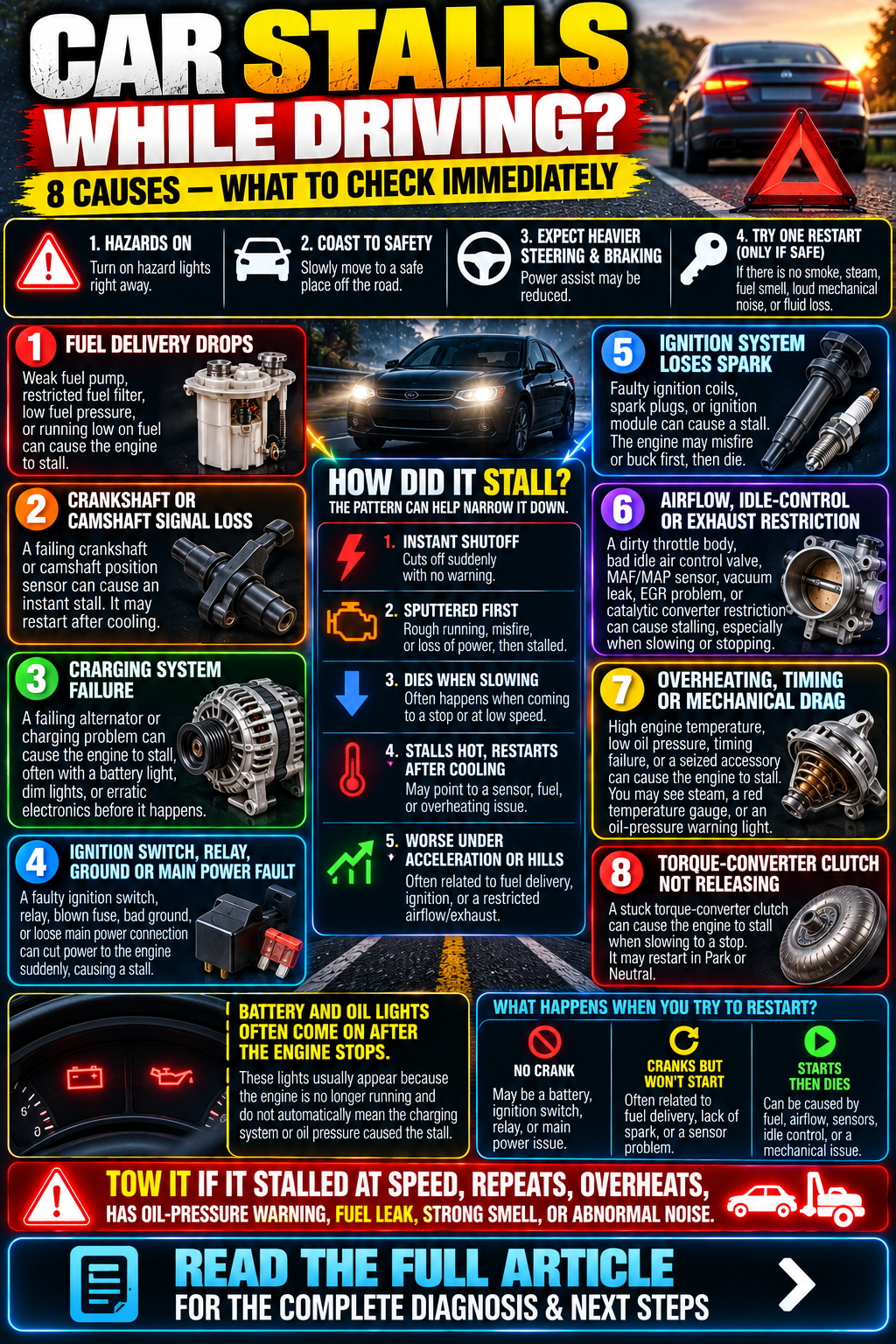
Car Stalls While Driving Causes: 8 Problems to Check
1. Fuel Delivery Drops Below What the Engine Needs
An engine cannot run if fuel pressure collapses. A weak pump may handle light cruising but fail during acceleration or a hill climb. A restricted filter, bad pump relay, faulty regulator, dirty injectors, or contaminated gasoline can act similarly.
Fuel starvation often causes hesitation, surging, or power loss before the stall. A worn pump may whine and work again after cooling. Stalling on turns with a low tank can also suggest an inaccurate gauge or fuel pickup problem.
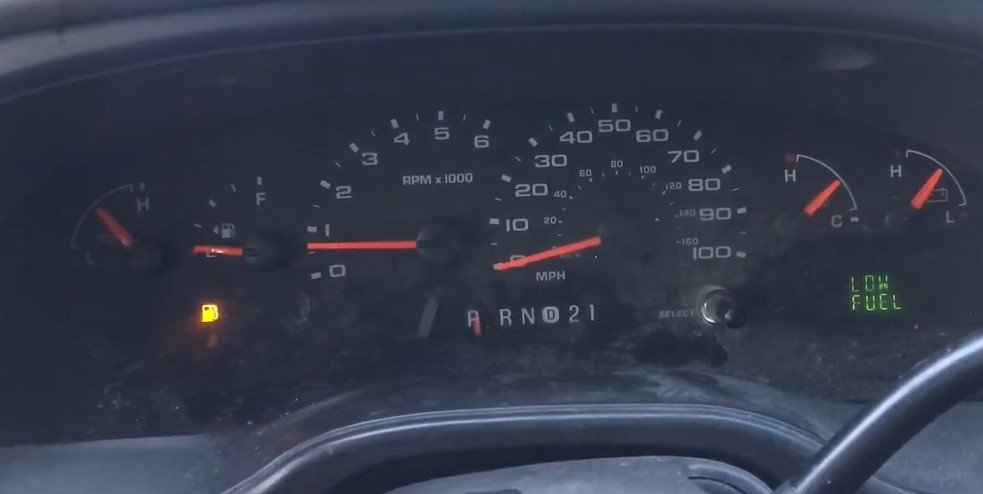
Fuel-pressure loss deserves serious attention, but replacing the pump from symptoms alone is guesswork. Test pressure under the conditions that trigger the stall; a pump that passes at idle can fail under load.
2. A Critical Engine-Position Signal Disappears
The computer uses crankshaft and camshaft signals to control spark and injection. The crankshaft signal is the critical engine-speed reference on most vehicles. If it disappears, spark and injector operation may stop immediately—just as if someone turned off the key.
Heat-sensitive sensors may work cold, fail after 20 minutes, and recover after cooling. A camshaft-sensor fault more often causes extended cranking, poor performance, or a fallback operating mode, but it can contribute to stalling on some engines. These faults may set P0335- or P0340-family codes, though an intermittent dropout may not illuminate the check-engine light.
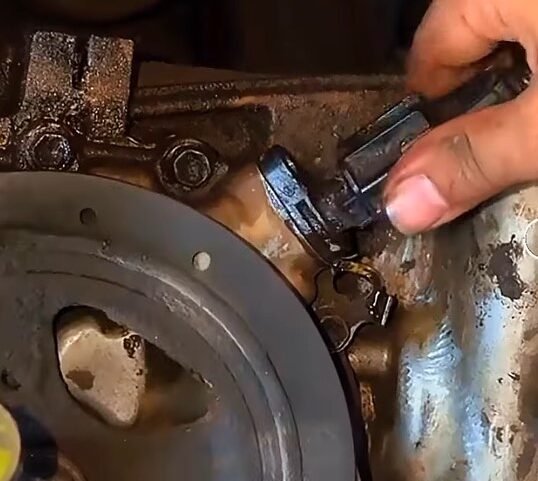
No RPM reading on a scan tool while cranking points toward the crank signal or its wiring. The connector and harness matter too; a new sensor cannot repair a broken wire.
3. The Charging System Stops Supplying Power
The battery starts the engine; the alternator supports it afterward. If output falls, the car runs on stored battery energy until voltage becomes too low for the computer, injectors, pump, and ignition.
Clues include a battery warning while running, dim lights, slow accessories, erratic gauges, or several warning messages. A broken accessory belt can cause the same charging loss and may stop a belt-driven water pump.
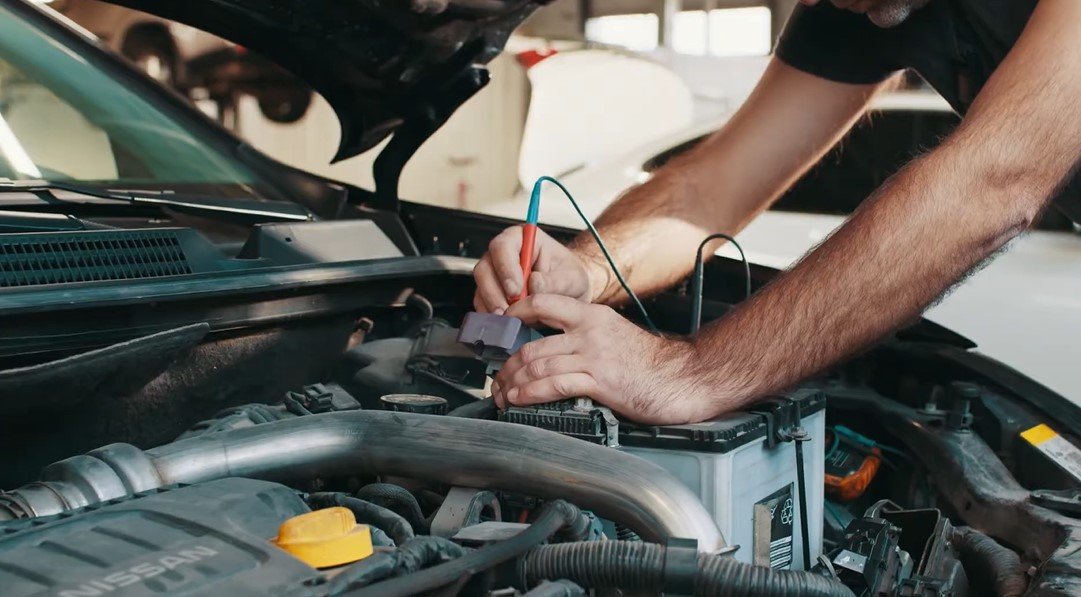
Charging-system failure belongs among car stalls while driving causes, but a battery light appearing only after the stall does not prove the alternator failed. At that point it is no longer turning. Check charging voltage, belt condition, battery state, and circuit voltage drop.
4. An Ignition Switch, Relay, Ground, or Main Power Connection Opens
A worn ignition switch, failing ECM or fuel-pump relay, loose terminal, corroded engine ground, fuse-box fault, or broken wire can interrupt engine power without warning.
These faults often react to heat or vibration. If the panel and accessories die with the engine, suspect a main connection. If the dash remains alive but RPM falls instantly, consider a relay, sensor circuit, or ignition feed.
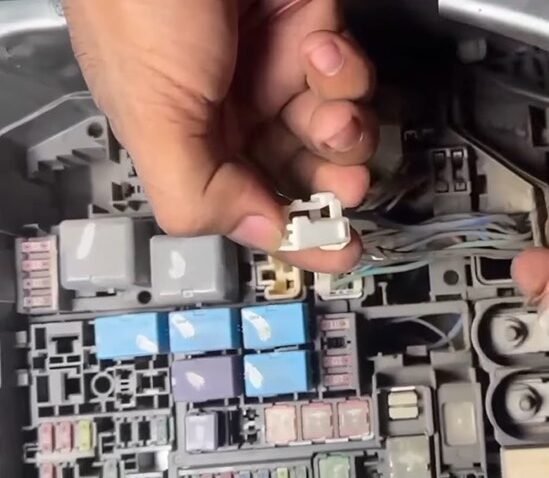
Inspect connections only after parking and switching off. Proper diagnosis may require voltage-drop testing and relay monitoring; watching a meter while driving is unsafe.
5. The Ignition System Loses Spark
A failing coil, ignition module, older distributor component, or badly worn plugs can create misfires severe enough to stall a gasoline engine.
The engine may shake, buck, hesitate under load, or flash the check-engine light first. Heat can weaken a coil or module; damp weather can expose cracked housings, plug wires, or poorly sealed connectors.
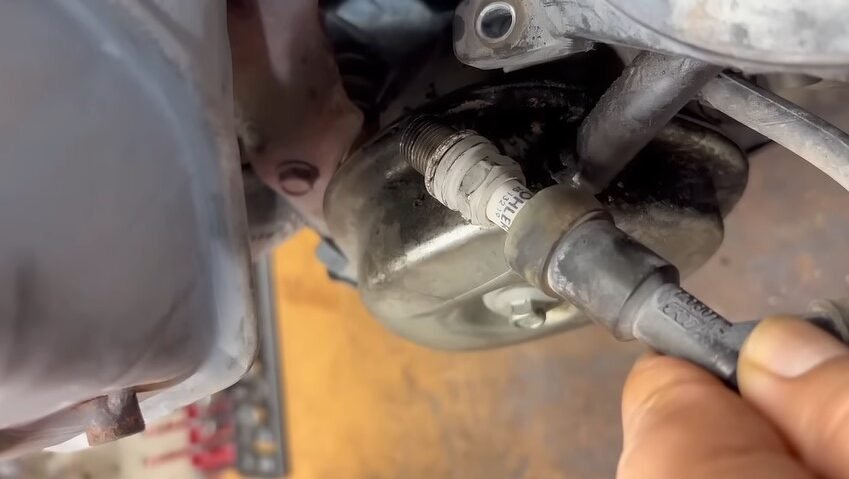
One weak plug usually causes a misfire rather than an instant shutdown. Check misfire data, spark output, coil command, and power supply before buying ignition parts.
6. Airflow, Idle Control, or Exhaust Flow Is Disrupted
If the car stalls as you release the accelerator or stop, focus on idle control. Throttle carbon, an older idle air control valve, a large vacuum leak, torn intake boot, or stuck-open EGR valve can pull RPM too low.
A faulty MAF or MAP sensor can distort the fuel calculation. Look for rough idle, hunting RPM, hesitation, hissing, or fuel-trim codes. Many of these faults appear as the throttle closes rather than at highway speed.
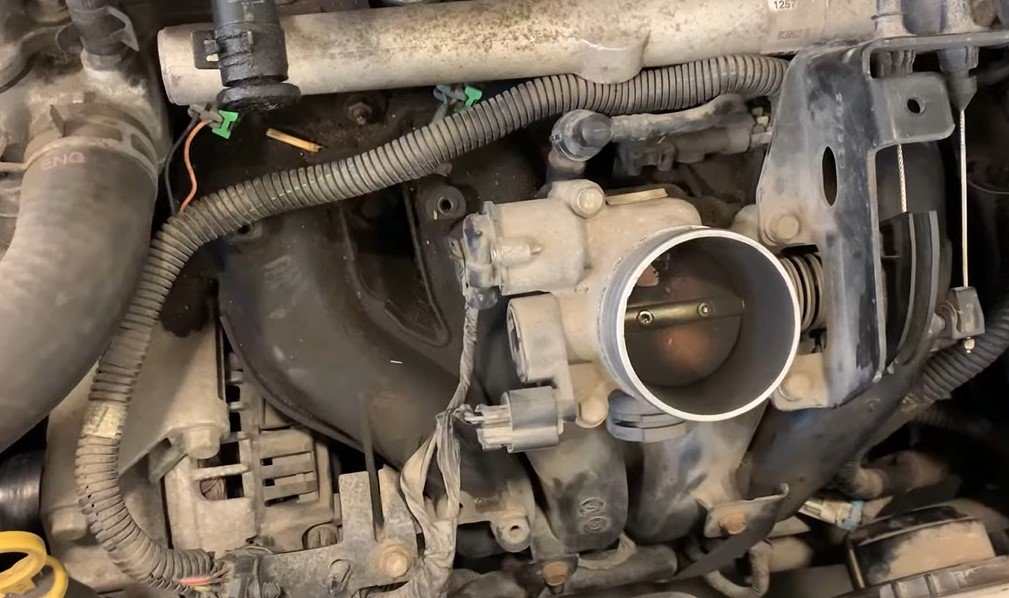
A restricted catalytic converter can instead cause worsening power loss under load. Smoke testing, fuel-trim data, throttle inspection, and backpressure testing beat replacing parts from a generic code.
7. Overheating, Timing Failure, or Mechanical Drag Stops the Engine
Steam, a red temperature gauge, knocking, sudden belt noise, or an oil-pressure warning that appeared before the stall means you should not keep restarting the engine.
Low coolant, a failed water pump, stuck thermostat, or dead fan can cause overheating. A slipped timing belt or chain can stop combustion and damage the engine. A seized A/C compressor or other accessory can also drag the crankshaft to a stop.
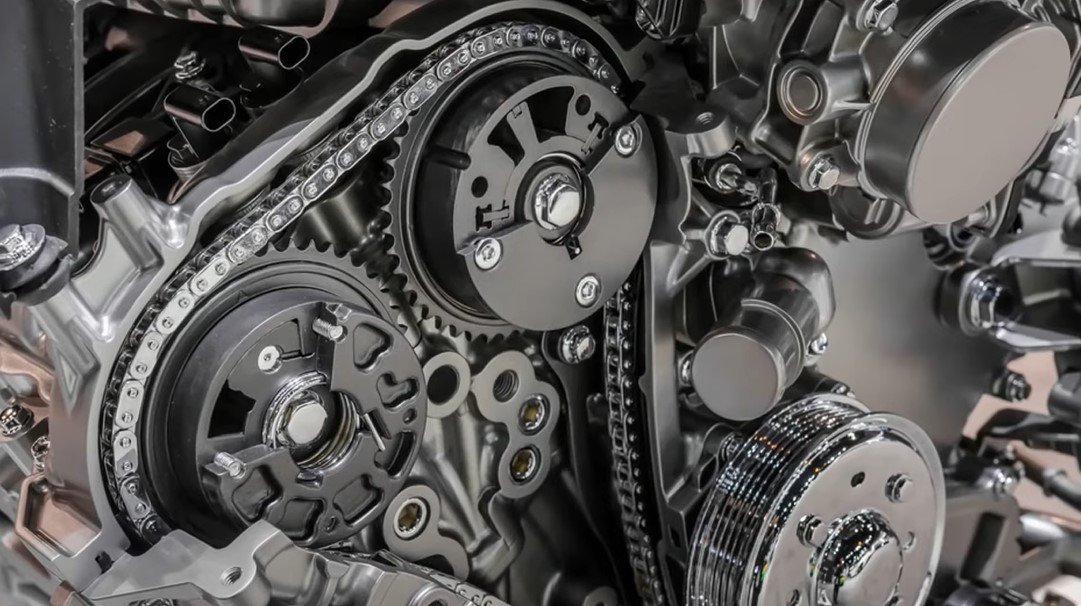
These less common car stalls while driving causes carry high repair risk. Cranking through abnormal noises, steam, or suspected timing failure may make the damage worse.
8. The Torque-Converter Clutch Does Not Release
An automatic’s torque converter lets the engine run while stopped in gear. If its lockup clutch remains applied during deceleration, the wheels drag the engine down—like stopping a manual without depressing the clutch.
The engine may run normally at speed, stall at a stop, then restart and idle in Park or Neutral. A dirty throttle body can mimic this, so timing alone does not prove transmission failure.
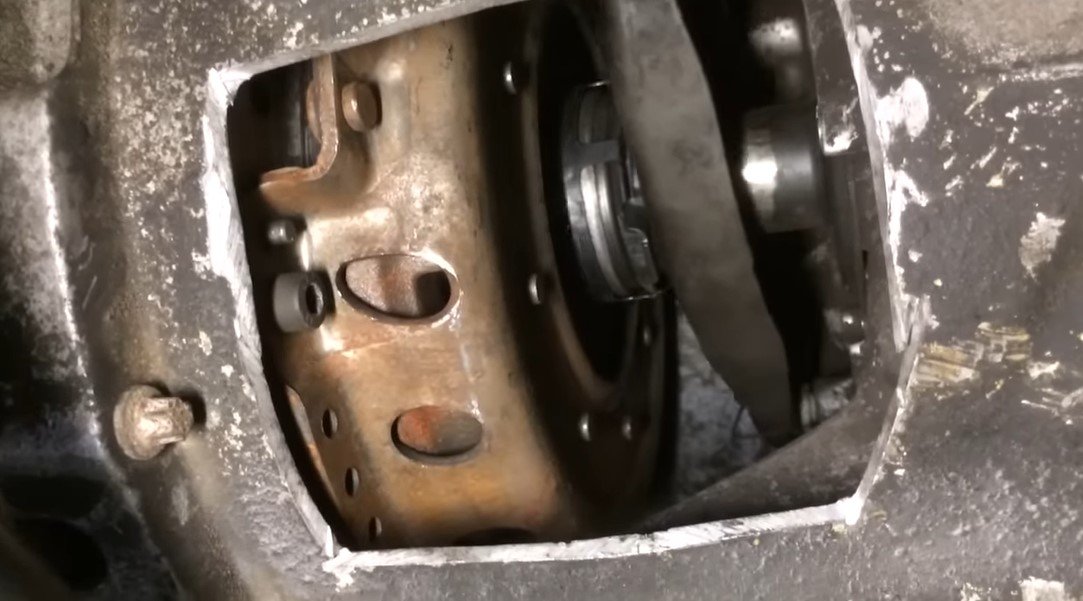
A technician can compare commanded TCC operation with converter slip. In a manual, poor clutch control can cause a one-time stall; repeated unexpected stalling deserves diagnosis.
Read the Dashboard in the Right Order
Warning-light timing matters. Battery and oil-pressure lights commonly illuminate after a stall because the alternator and oil pump stop turning. They are more meaningful if they appeared while the engine was still producing power.
A flashing check-engine light suggests a damaging misfire; a red temperature warning suggests overheating. An instant tachometer drop points toward lost crank signal or power. A black cluster points toward the main electrical feed.
The absence of a warning light does not clear the car. Several car stalls while driving causes leave only a pending or history code—or no useful code.
What the Restart Attempt Tells You
No response from the starter is a no-crank problem involving battery connections, the starter circuit, ignition or range switch, or a locked engine.
If it cranks but will not fire, check fuel pressure, spark, injector command, crank signal, compression, and timing. If it starts and dies, consider fuel pressure, idle control, a major intake leak, or immobilizer fault.
If it restarts only after cooling, record the waiting time. Heat-sensitive pumps, sensors, relays, coils, and ignition modules may recover temporarily. Among car stalls while driving causes, this is a valuable clue.
Can You Drive After It Restarts?
There is no universal safe distance. Tow the vehicle if it stalled at speed, has stalled repeatedly, runs roughly, or shows overheating, oil-pressure, fuel-leak, mechanical-noise, or charging warnings.
A clutch-control mistake in a manual is different from an automatic shutting down unexpectedly. If the cause is unknown, treat it as a safety problem. When reviewing car stalls while driving causes, the risk of reduced steering and brake assist matters more than how normal the restarted engine sounds.
Checks You Can Make Without Creating Another Risk
Once safely away from traffic with the engine off, you can:
- Confirm the fuel level, though a faulty gauge can lie.
- Photograph the display and note which warning lights appeared before the stall and which appeared afterward.
- Look for loose terminals, corrosion, a broken belt, or a detached intake hose.
- Read stored and pending OBD-II codes without clearing them.
- Check coolant only when cold; never open a hot radiator cap.
- Record speed, temperature, weather, fuel level, and restart time.
Avoid roadside spark or fuel-pressure testing. A trouble code identifies an affected circuit; it does not prove the named part failed.
How a Shop Finds the Fault Instead of Guessing
A good diagnosis recreates the stall conditions. The technician reviews codes, freeze-frame data, live RPM, fuel trims, charging voltage, and sometimes fuel pressure under load.
Next steps may include crank/cam signals, spark, injector pulse, relay control, voltage drop, intake leaks, backpressure, TCC operation, compression, or mechanical timing. Heat-soak testing can expose a part that behaves perfectly cold.
The smart approach to car stalls while driving causes is to test the failing system, then replace the confirmed part—not the one mentioned most often online.
Frequently Asked Questions
Can a bad battery make a car stall while driving?
A weak battery usually causes starting trouble. However, a loose terminal, damaged cable, internal failure, or charging fault can interrupt voltage and stall some vehicles.
Why does my car stall when slowing down?
A dirty throttle body, idle-control fault, vacuum leak, stuck-open EGR, or locked torque-converter clutch can pull RPM too low. Behavior in Park, Neutral, and Drive helps narrow it.
Why did the car stall without a check-engine light?
The fault may be too brief or outside what the computer directly monitors. Fuel-pressure loss, loose connections, switch faults, and some sensor dropouts can occur without a light.
Is a car that stalls and restarts safe to drive?
Not necessarily. An intermittent failure can return without warning. Repeated or highway-speed stalling, abnormal warnings, smells, noises, or temperature readings call for a tow.
The Important Part Is the Pattern
A stalled engine is not a diagnosis. It results from losing fuel, spark, airflow control, electrical power, timing information, or the ability to turn. Note whether the shutdown was instant, hot-related, or preceded by dashboard warnings.
Those observations turn a broad search for car stalls while driving causes into a focused test plan. Get the vehicle safely off the road, resist replacing parts on a hunch, and do not assume a successful restart means the danger has passed.
Kevin Nicholas is an automotive mechanic and editor of The Effective Guide. He writes about warning lights, car problems, and diagnostic tools, helping drivers understand what to check before replacing a part.