
Your check engine light comes on, the infotainment screen freezes, or the engine starts behaving strangely. Before spending money at a repair shop, you discover a video promising a free reset that supposedly fixes almost every car problem.
The headline sounds convincing: Mechanics HATE This Reset Trick because it fixes 95% of car problems without replacing anything.
But does it really work?
Some electronic problems can disappear after a proper reset. Others return immediately because the underlying fault hasn’t changed. And a reset won’t repair a worn spark plug, failed alternator, or damaged transmission.
Here’s what these viral reset tricks actually do, which ones are worth trying, and when resetting your car could make diagnosis harder.
Quick Answer: There is no reliable evidence that a single reset fixes 95% of car problems. Restarting a frozen electronic module or performing a manufacturer-approved relearn can solve certain issues. However, disconnecting the battery or clearing diagnostic codes cannot repair defective parts. Always identify the problem before choosing a reset method.
Mechanics HATE This Reset Trick: What Is the Viral Trick?
The most commonly promoted trick involves disconnecting the car battery, waiting several minutes, and reconnecting it to supposedly reset the engine computer.
Some videos also recommend pressing the accelerator pedal, cycling the ignition, or holding dashboard buttons in a specific sequence.
The idea is that resetting the car’s electronics will erase troublesome settings and restore normal operation.
There is a small amount of truth behind this. Removing power can restart certain electronic modules and may clear some temporary learned values on particular vehicles.
However, modern vehicles often retain important information in nonvolatile memory, even when the battery is disconnected.
More importantly, restarting a computer doesn’t repair the physical component that caused the problem.
Does It Really Fix 95% of Car Problems?
No credible automotive evidence supports that success rate.
A software-related glitch might respond to a reset. A faulty fuel pump, worn ignition coil, or leaking radiator won’t.
Professional mechanics also perform legitimate resets and relearn procedures. They’re standard diagnostic and repair tools, not secret tricks that repair shops want to hide.
What Does Resetting Your Car’s Computer Actually Do?
Modern vehicles contain multiple control modules. The engine control module, often called the ECU or PCM, manages functions such as fuel delivery, ignition timing, and emissions controls.
Other modules operate the transmission, windows, climate controls, and infotainment system.
A reset can mean several different things:
- Module restart: Turns an electronic system off and starts it again.
- Diagnostic code clearing: Erases eligible stored fault information after a repair.
- Adaptive reset: Clears certain learned operating values so the system can relearn them.
- Calibration or initialization: Restores a specific function using a manufacturer-defined procedure.
These operations are not interchangeable. A screen reboot doesn’t reset the transmission, and clearing a trouble code doesn’t fix the problem that triggered it.
7 Free Car Reset Tricks That May Actually Work
These methods can be useful when they match the problem and are supported by the vehicle manufacturer.
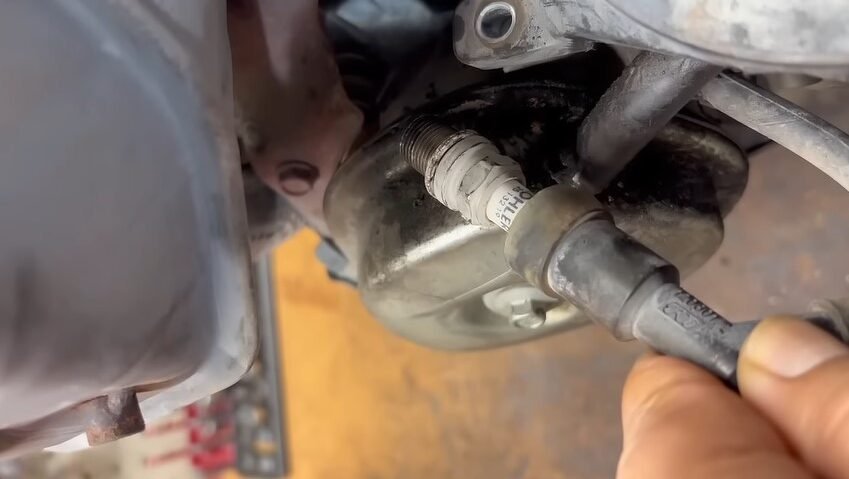
1. Ignition-Off and Module Sleep Reset
If an electronic feature temporarily stops responding, park safely, switch off the ignition, and allow the vehicle to shut down completely.
Some modules continue operating briefly after the ignition is turned off. Once they enter sleep mode, restarting the vehicle may clear a temporary software glitch.
There is no universal waiting period that applies to every car.
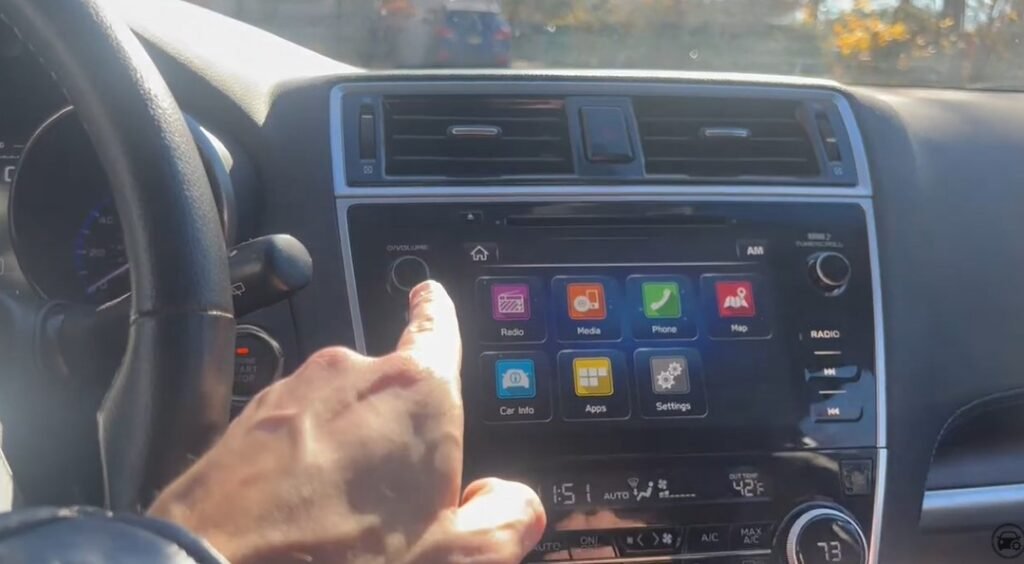
2. Infotainment Screen Reboot
A frozen touchscreen may respond to the manufacturer’s documented reboot procedure.
Some vehicles use a power-button hold or a specific combination of controls. Others provide a restart option in the settings menu.
Use the instructions for your exact model. This normally restarts the infotainment system, not the engine computer.
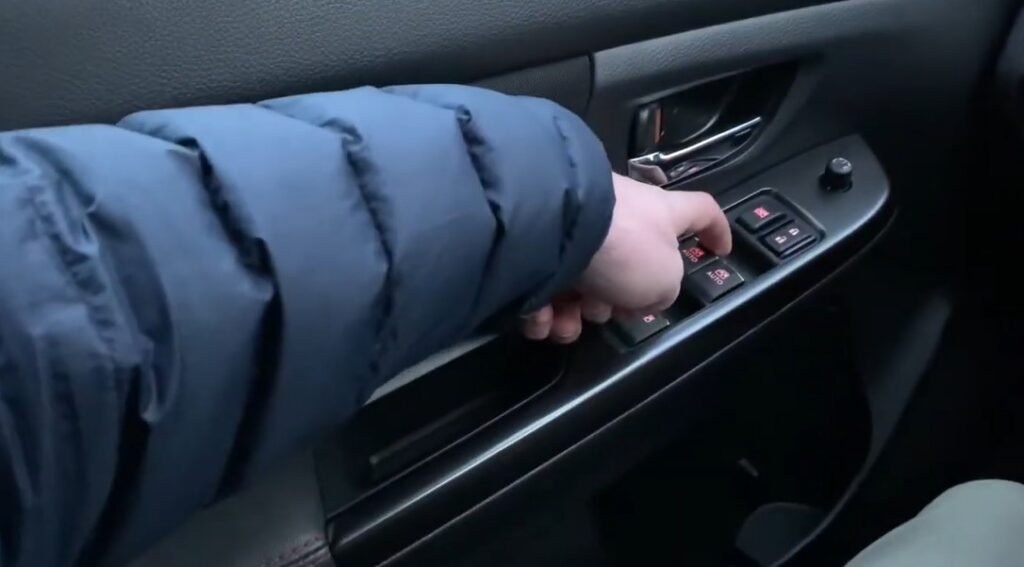
3. Power Window Relearn
After a battery replacement, some vehicles lose automatic window operation.
A manufacturer-approved initialization procedure may restore one-touch up/down and anti-pinch functionality.
Don’t use random switch sequences. Incorrect initialization can leave the feature unavailable or operating improperly.
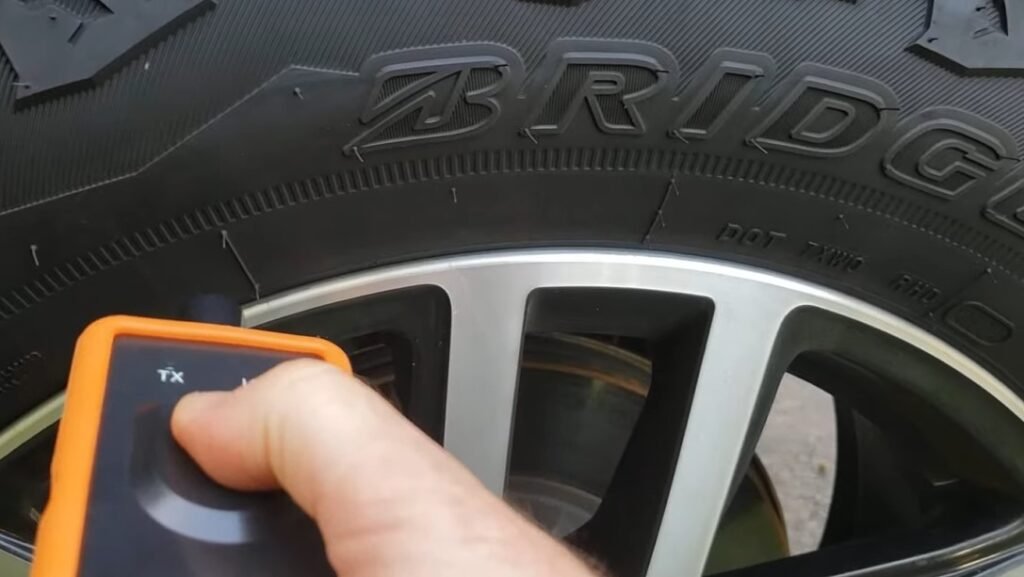
4. TPMS Reset or Relearn
A tire-pressure warning may need a reset after the tires are inflated to the specified cold pressures.
Some vehicles relearn automatically during driving. Others require a menu selection or diagnostic equipment.
Resetting the warning does not repair a leaking tire or failed pressure sensor.
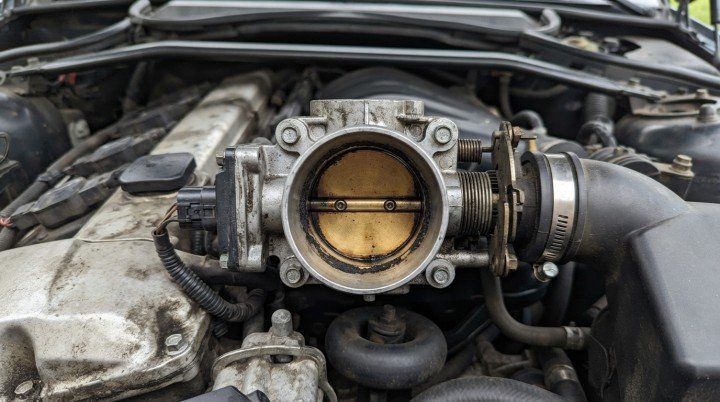
5. Throttle or Idle Relearn
Some vehicles require an idle relearn after throttle-body cleaning, battery disconnection, or certain repairs.
The correct procedure varies. Some systems relearn automatically, while others require specific steps or a scan tool.
Never assume an accelerator-pedal sequence works on every vehicle.
6. HVAC Control Recalibration
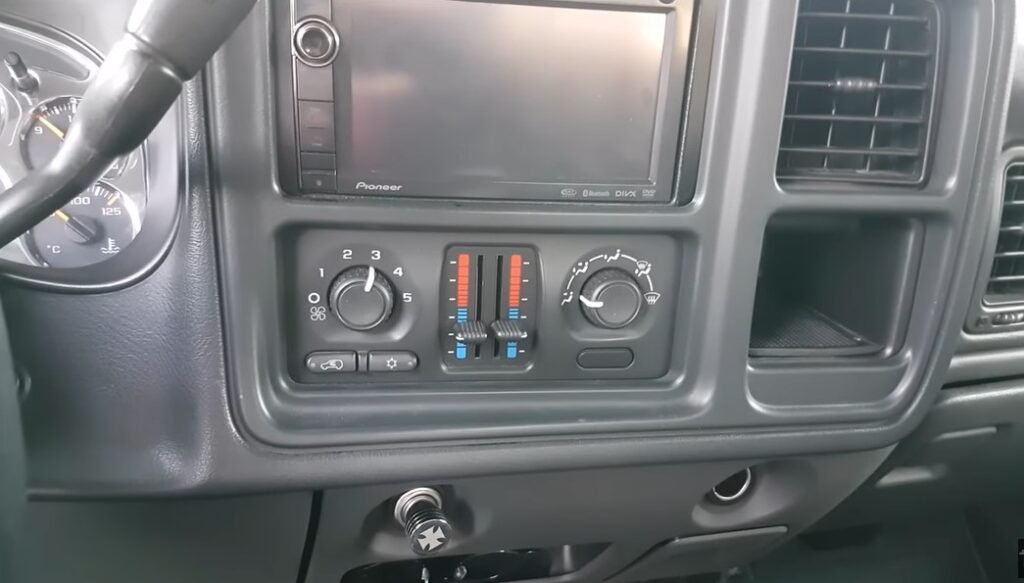
Some climate-control systems support actuator recalibration when air-direction or temperature controls behave incorrectly.
However, a reset cannot repair a broken blend-door actuator, damaged gear, or failed motor.
7. Manufacturer-Approved Battery or Module Reset
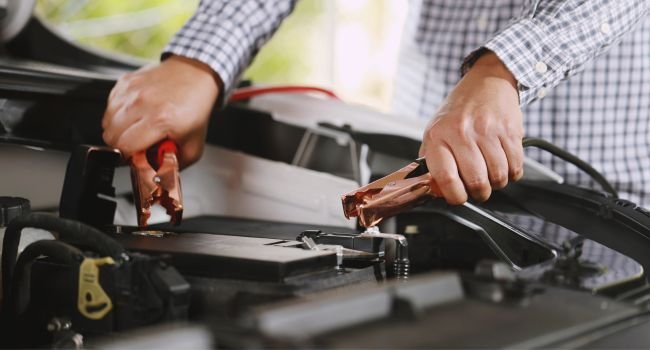
Battery disconnection may be part of an official service procedure on certain vehicles.
But it should not be the default response to an unexplained warning light.
Disconnecting power can erase useful diagnostic information and may require additional initialization afterward.
How to Reset Your Car Without Disconnecting the Battery
For many temporary electronic glitches, disconnecting the battery is unnecessary.
Start with a normal ignition-off cycle and allow the affected module to shut down.
For a frozen screen, use the documented infotainment reboot procedure. For windows or tire-pressure systems, follow the appropriate manufacturer initialization instructions.
If a repair has been completed and the check engine light remains on, a compatible OBD2 scanner may be used to clear eligible codes after recording them.
However, some resets require professional diagnostic equipment. There is no universal button sequence that can reset every computer in a modern vehicle.
Does Disconnecting the Battery for 10 or 15 Minutes Reset the ECU?
Sometimes disconnecting the battery changes certain stored values, but waiting 10 or 15 minutes doesn’t guarantee a complete ECU reset.
Older vehicles may lose some learned information when battery power is removed.
Many modern control modules retain diagnostic codes, adaptations, or other data in nonvolatile memory.
Battery disconnection can also cause:
- Lost clock or radio settings.
- Window initialization requirements.
- Temporary idle changes.
- Battery monitoring or registration complications.
- Loss of useful diagnostic information.
Important: Never disconnect a battery cable while the engine is running. Voltage disturbances can damage electronic components. For hybrids, EVs, and vehicles with advanced battery management, follow the manufacturer’s service instructions rather than using a generic reset trick.
Do Accelerator Pedal Reset Tricks Really Work?
Videos often recommend pressing the accelerator pedal several times while cycling the ignition to reset the ECU or throttle system.
Some manufacturers do specify pedal-based procedures for particular diagnostic or relearn operations.
However, those procedures depend on the exact vehicle, engine, model year, and control system.
There is no universal accelerator-pedal trick that resets every car computer.
Following an unrelated procedure may accomplish nothing, and it can distract you from diagnosing the actual fault.
What Car Problems Can a Reset Actually Fix?
A reset is most useful when the problem involves temporary software behavior, lost initialization, or a completed repair that requires electronic confirmation.
| Problem | Can a Reset Help? | What to Know |
|---|---|---|
| Frozen infotainment screen | Sometimes | Use the documented reboot procedure. |
| Temporary electronic glitch | Sometimes | A module restart may restore operation. |
| Window auto-up/down not working | Often, if initialization was lost | Follow the correct relearn procedure. |
| TPMS warning after inflation | Sometimes | Correct tire pressures first. |
| Check engine light after repair | Code clearing may help | Verify the underlying fault is fixed. |
| Bad ignition coil | No | Requires diagnosis and repair. |
| Failed alternator | No | A reset cannot restore charging output. |
| Mechanical transmission damage | No | Requires mechanical diagnosis. |
If the same problem returns after a reset, the vehicle likely needs further diagnosis.
7 Car Problems a Reset Cannot Repair
1. Weak or Failing Battery
Resetting electronics cannot restore lost battery capacity or repair damaged cells.
2. Bad Alternator or Starter
A reset won’t repair worn starter components or restore a failed alternator’s charging ability.
3. Worn Spark Plugs or Failed Ignition Coils
Ignition misfires caused by defective components require proper diagnosis and repair.
4. Faulty Oxygen or MAF Sensor
Clearing sensor-related codes won’t restore a sensor that is physically or electrically defective.
5. Fuel Pump or Injector Failure
A reset cannot repair inadequate fuel pressure or a malfunctioning injector.
6. Overheating or Coolant Loss
Software resets won’t seal coolant leaks, restore a failed water pump, or fix a cooling-system fault.
7. Engine or Transmission Mechanical Damage
Worn internal components, damaged gears, and mechanical failures cannot be corrected by restarting control modules.
Can a Free Reset Turn Off the Check Engine Light?
Yes, clearing diagnostic trouble codes may turn off the check engine light temporarily.
But that doesn’t mean the problem has been repaired.
If the underlying fault remains, the warning may return when the computer detects it again.
Clearing codes can also erase freeze-frame information and reset emissions readiness monitors, potentially preventing a vehicle from passing an emissions inspection until the required monitors complete.
Some permanent diagnostic trouble codes cannot be erased simply by disconnecting the battery or using a standard clear command. They require the vehicle to verify that the fault has been corrected under specified conditions.
If your check engine light is flashing, don’t attempt to hide the warning with a reset. A severe misfire may damage the catalytic converter.
Why Does the Check Engine Light Come Back After a Reset?
The most common reason is that the original problem still exists.
For example, clearing a misfire code won’t repair a faulty ignition coil. The warning returns once the engine computer detects another misfire.
Intermittent wiring faults, sensor problems, or operating conditions that occur only during certain drives can also delay the warning’s return.
Repeatedly clearing codes makes diagnosis harder because valuable fault history may disappear.
Record the codes, investigate the cause, repair the problem, and then verify that the warning stays off.
Can a Reset Fix Limp Mode or Transmission Shifting Problems?
Some vehicles temporarily leave a reduced-power mode after the ignition is switched off and restarted.
However, limp mode is often a protective response to a detected fault. If that fault remains, the system may restrict performance again.
Transmission adaptation resets can change learned shift behavior on certain vehicles, but they may require a specific relearn procedure or diagnostic equipment.
A reset won’t repair slipping clutches, damaged gears, or hydraulic failures.
If the transmission slips badly, the vehicle loses drive, or a critical warning appears, avoid continued driving until the problem is diagnosed.
Should You Reset the Car After Replacing the Battery?
Not every vehicle requires an electronic reset after battery replacement.
However, some modern vehicles use battery monitoring systems that require battery registration or configuration when a new battery is installed.
Other vehicles may need window initialization, idle relearning, or clock adjustments.
Battery registration is different from disconnecting the battery again. It tells the vehicle’s management system about the replacement battery when required.
Check the owner’s manual or service information for your specific vehicle before performing additional resets.
Will an ECU Reset Improve Gas Mileage or Acceleration?
Resetting adaptive values may temporarily change idle behavior, throttle response, or other operating characteristics on certain vehicles.
That doesn’t mean the engine has gained horsepower or become more fuel-efficient.
Modern engine computers continuously adjust operation using sensor feedback. After some resets, the system may need time to relearn normal conditions.
If fuel economy is poor because of worn spark plugs, incorrect fuel delivery, or a faulty sensor, resetting the ECU won’t repair the underlying cause.
There is no guaranteed MPG or acceleration improvement from a generic ECU reset.
What Happens After You Reset Your Car’s Computer?
The results depend on the system and procedure used.
You may notice a warning light disappearing, a screen working again, or temporary changes in idle behavior.
Other possible effects include incomplete emissions readiness monitors, lost settings, or required window and steering-system initialization.
Some faults return immediately. Others reappear only after the vehicle completes several operating cycles.
A successful reset should be followed by verification that the original problem has actually been resolved.
5 Mistakes to Avoid When Trying a Free Car Reset
- Clearing codes before recording them. Save diagnostic information before erasing anything.
- Disconnecting the battery while the engine runs. This can create damaging electrical disturbances.
- Using random procedures from another model. Reset sequences are often vehicle-specific.
- Ignoring critical warnings. Overheating, oil-pressure, braking, and severe misfire warnings require attention.
- Assuming the problem is fixed because the light disappeared. Confirm the repair instead of repeatedly resetting the warning.
When Should You Skip the Reset and Call a Mechanic?
Some problems are too serious for trial-and-error reset attempts.
Stop driving safely and seek professional help if you notice:
- A flashing check engine light with severe shaking.
- A low oil-pressure warning.
- Engine overheating or significant coolant loss.
- Reduced braking performance.
- Fuel leaks, smoke, or burning smells.
- Repeated engine stalling or substantial loss of power.
These conditions require diagnosis, not a computer restart. Towing may be appropriate when continued driving could be unsafe or cause additional damage.
Frequently Asked Questions
Does disconnecting the battery reset the ECU?
It may restart modules or clear certain temporary learned values, depending on the vehicle. Modern computers often retain important data even without battery power.
How long should I disconnect the battery to reset my car?
There is no universal time. The popular 10–15-minute method doesn’t guarantee a complete reset. Follow manufacturer instructions instead.
Can I reset my car computer without an OBD2 scanner?
Some systems support ignition-off restarts or manufacturer-approved button procedures. Clearing diagnostic codes or performing advanced relearns may require a compatible scan tool.
Does the accelerator pedal reset trick really work?
Some vehicles have specific pedal-based procedures, but there is no universal sequence that resets every engine computer.
Can a car reset permanently fix the check engine light?
Only if the underlying fault has been resolved or the warning resulted from a temporary condition that no longer exists. Clearing codes alone isn’t a repair.
Will an ECU reset improve engine performance?
It may change learned behavior temporarily, but it won’t create extra horsepower or repair worn components. Any improvement depends on the original problem.
Can resetting a car cause electrical problems?
Improper battery disconnection or unsupported procedures can create complications, including lost settings, relearn requirements, and electrical risks.
Do mechanics really hate free car reset tricks?
No. Mechanics regularly use legitimate resets, calibrations, and relearn procedures. The idea that a secret reset fixes nearly every car problem is misleading.
Final Verdict: Is the Viral Reset Trick Worth Trying?
The phrase Mechanics HATE This Reset Trick makes a compelling headline, but the promised 95% success rate isn’t supported by reliable evidence.
Some free, manufacturer-approved resets can restore frozen screens, lost window initialization, or temporary electronic functions.
However, clearing fault codes or disconnecting the battery won’t repair a failed sensor, worn ignition component, or mechanical problem.
Identify the symptom, choose the correct vehicle-specific procedure, and verify the result.
A useful reset can save time. A proper diagnosis can save you from replacing the wrong parts.

Kevin Nicholas is an automotive mechanic and editor of The Effective Guide. He writes about warning lights, car problems, and diagnostic tools, helping drivers understand what to check before replacing a part.