
The oil pressure light comes on and your stomach drops. You pull over, check the dipstick, and find the oil is full and clean. The engine sounds normal — no ticking, no knocking. That combination is the classic presentation of Bad Oil Pressure Sensor Symptoms. The sensor is sending a false signal while the engine itself is fine, or at least it appears fine for the moment.
Real low oil pressure can destroy an engine in minutes. A failed sensor only creates unnecessary panic or, worse, hides a genuine problem. Knowing the difference is essential. This article covers the seven most common signs that the sensor itself is at fault, how to confirm it, and what to do next.
What the Oil Pressure Sensor Actually Does
The oil pressure sensor (also called a switch or sending unit) is mounted on the engine block, usually near the oil filter or on the cylinder head. It constantly monitors the pressure of the oil circulating through the engine and reports that information to the dashboard warning light, the oil pressure gauge if the vehicle has one, and on modern cars the powertrain control module.
Two main types exist. The simpler on/off switch only triggers the warning light when pressure falls below a set threshold. The variable resistance sending unit provides a continuous signal so a gauge can display actual pressure. Both designs can fail in ways that produce false warnings, intermittent signals, or, less commonly, no warning at all when pressure really is low.
Bad Oil Pressure Sensor Symptoms: 7 Symptoms of a Bad Oil Pressure Sensor
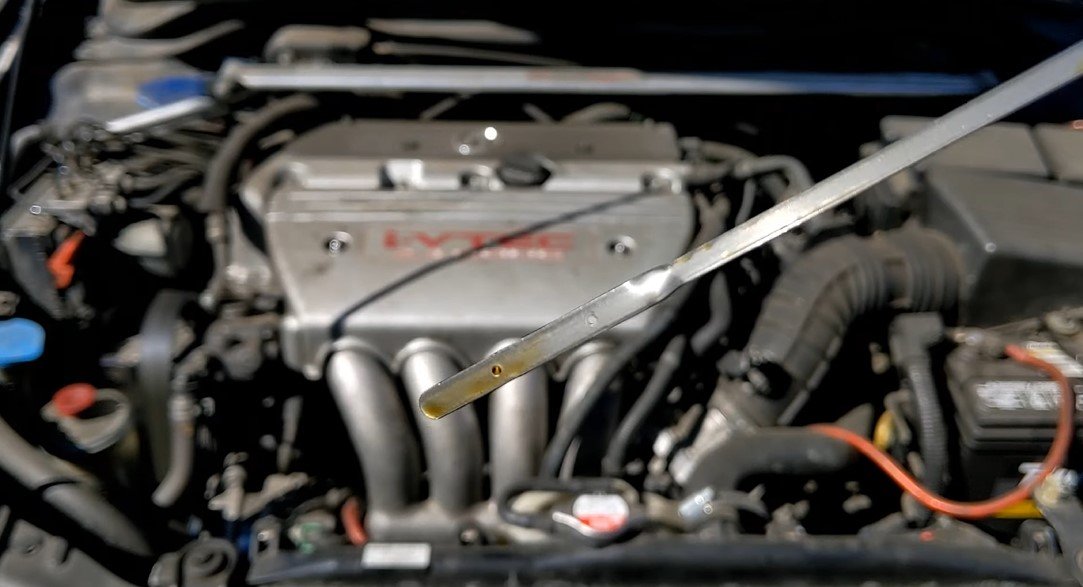
1. Oil Pressure Warning Light Stays On While Oil Level Is Full
This is the single most frequent complaint tied to Bad Oil Pressure Sensor Symptoms. The red or amber light remains illuminated even though the dipstick shows the correct level and the oil looks clean. The engine runs quietly with no unusual noise. In many cases the light appears shortly after startup or while cruising and simply will not go out.
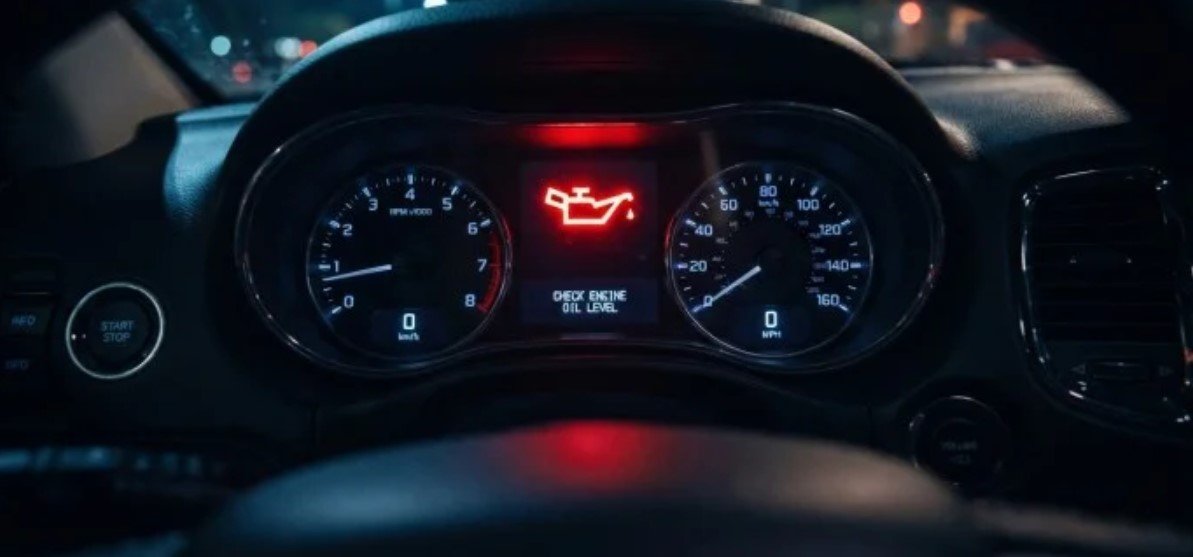
2. Oil Pressure Light Flickers or Comes On Intermittently
The light may glow at idle, flash when you hit a bump, or appear briefly when turning a corner, then disappear as engine speed rises. This intermittent behavior often points to a failing internal contact inside the sensor or a loose electrical connector rather than a steady drop in actual oil pressure.
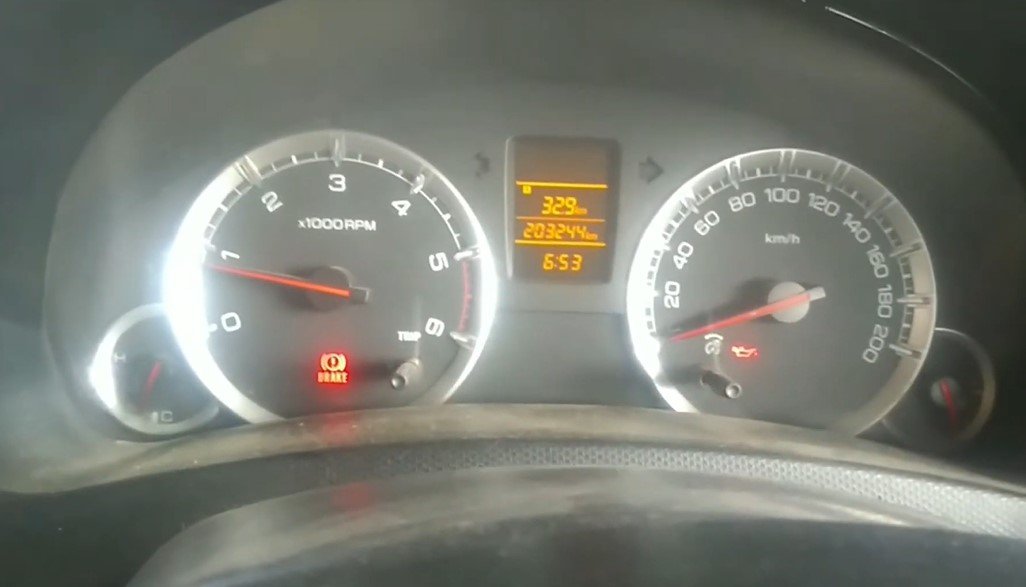
3. Oil Pressure Gauge Reads Zero, Maximum, or Jumps Erratically
On vehicles equipped with a real oil pressure gauge, a bad sensor can pin the needle at zero, peg it at the highest reading, or make it bounce randomly with no relation to RPM. These readings are physically impossible for a healthy running engine and almost always indicate a sensor or wiring fault.
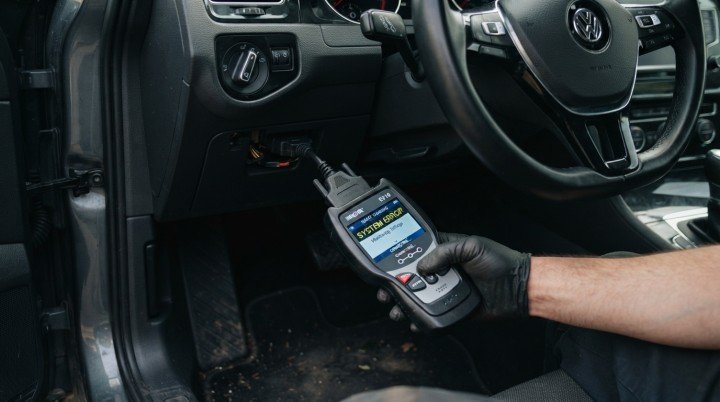
4. Check Engine Light with Oil Pressure Related Codes
Modern vehicles monitor the oil pressure sensor circuit through the powertrain control module. When the signal is out of range or missing, the check engine light illuminates and specific codes are stored. The most common are P0520 (circuit malfunction), P0521 (range or performance problem), P0522 (circuit low voltage), P0523 (circuit high voltage), and P0524 (engine oil pressure too low). Seeing one of these codes alongside a quiet engine and correct oil level strongly supports Bad Oil Pressure Sensor Symptoms rather than a mechanical lubrication failure.
5. Oil Leak Around the Sensor or Its Electrical Connector
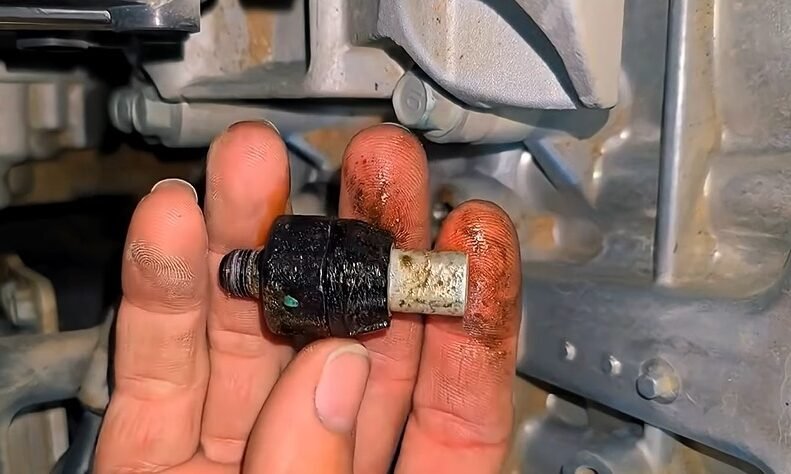
The sensor is exposed to pressurized oil at all times. When the internal seal, the threads, or the sensor body itself cracks or deteriorates, oil begins to seep out. You may notice wetness on the sensor, oil inside the electrical connector, or a small dark spot on the ground after the vehicle has been parked. A leak does not automatically mean the electrical side has failed, but it is a frequent accompanying sign and should not be ignored.
6. No Oil Pressure Warning Light During the Key-On Bulb Test
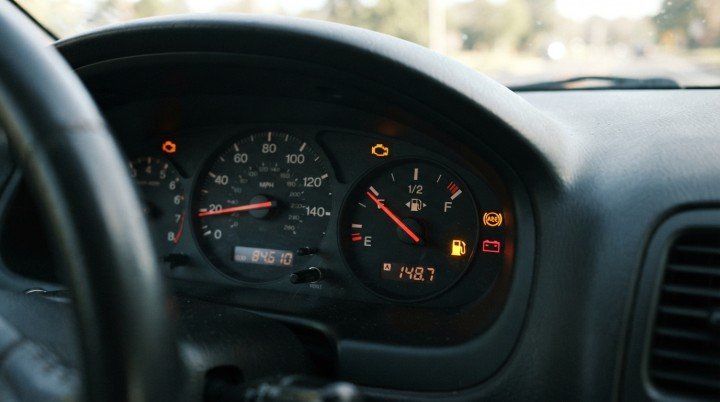
On many vehicles the oil pressure light is designed to illuminate briefly when the key is turned to the “on” position before the engine starts. This is a self-check of the bulb and the circuit. If the light never appears at all, the sensor or its wiring may have failed in the open position. In that case the dashboard can no longer warn you if real oil pressure later drops.
7. Engine Runs Completely Normally Despite the Warning
This is often the most useful clue. The engine idles smoothly, accelerates without hesitation, and produces no unusual noise — no valvetrain tick, no rod knock, no timing-chain rattle. When the dashboard is showing low pressure or an erratic gauge reading but the engine itself feels and sounds normal, the probability shifts heavily toward a faulty sensor.
How to Separate Sensor Failure from Real Low Oil Pressure
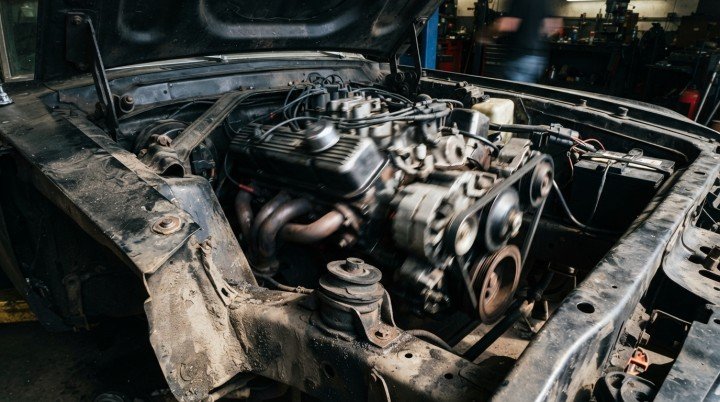
The distinction is critical because the consequences are completely different. Always begin by checking the oil level and condition on a level surface with the engine off. If the level is low, add the correct oil and recheck. If the level is correct and the engine remains quiet, the sensor becomes the leading suspect.
The most reliable confirmation is a mechanical oil pressure gauge screwed directly into the sensor port. A reading that falls within the manufacturer’s specification while the dashboard still shows a problem confirms the sensor is at fault. If the mechanical gauge also shows low pressure, stop driving immediately and investigate the oil pump, bearings, or other mechanical causes.
Any unusual engine noise changes the priority completely. Ticking, knocking, or a metallic rattle means the engine must be shut off and not restarted until the cause is identified. A bad sensor will not produce those sounds; genuine low oil pressure will.
Why These Sensors Fail and What Replacement Involves
Heat cycles, constant vibration, and contaminated or incorrect-viscosity oil are the usual reasons an oil pressure sensor fails. The internal contacts wear, the seal hardens and cracks, or the electrical connector corrodes. Lower-quality aftermarket sensors tend to fail earlier than original-equipment parts. Over time the combination of heat and pressure simply wears the component out.
Replacement is generally straightforward on most vehicles. The sensor is usually accessible from the top or side of the engine bay. Expect some oil to spill when the old unit is removed, so work with a cool engine and keep a drain pan ready. Part cost is typically modest. Total shop cost including labor usually falls in a moderate range depending on how easy the sensor is to reach and local labor rates. While the sensor is out, inspect the connector and wiring carefully — a damaged plug or corroded terminals will cause a new sensor to fail quickly.
Practical Next Steps and Prevention
Treat every oil pressure warning as real until proven otherwise. Check the oil level first, listen carefully for any unusual engine noise, and verify actual pressure with a mechanical gauge if the light or gauge reading persists. Regular oil changes using the viscosity specified for your engine help keep both the lubrication system and the sensor in good condition. A quick visual inspection of the sensor and its connector during oil changes can catch leaks or corrosion before they create dashboard false alarms.
If the engine is quiet, the oil level is correct, and diagnostic codes or gauge behavior point to the sensor, replacement is a logical next step. If there is any doubt or any abnormal noise from the engine, a professional pressure test is the safer route.
Frequently Asked Questions
Can a bad oil pressure sensor destroy the engine?
By itself, no. The danger comes when a failed sensor hides real low oil pressure or when a driver ignores a genuine low-pressure warning because previous false alarms trained them to dismiss the light.
Will the car go into limp mode?
Some modern vehicles will reduce power or enter a protective mode if the computer receives a sustained low-pressure signal. Others simply illuminate the warning light and continue operating normally until the sensor is replaced.
How long does an oil pressure sensor normally last?
Many last the life of the vehicle. Others fail earlier due to heat, vibration, or poor manufacturing quality. There is no fixed mileage interval.
Can I drive if the light is on but the engine is quiet?
Short distances at low speed are often possible when oil level is correct and the engine makes no unusual noise. Longer trips or highway speeds are not recommended until the problem is confirmed and corrected.
Is an oil pressure sensor the same as an oil pressure switch?
They are closely related. Many people use the terms interchangeably. A switch is usually a simple on/off device for the warning light; a sending unit provides a variable signal for a gauge. Both can produce the same set of Bad Oil Pressure Sensor Symptoms.
Final Thoughts
The difference between a $30 sensor and a destroyed engine is often just the time it takes to verify what the dashboard is really telling you. When the oil pressure light comes on and the oil level is full, a quiet engine is your strongest clue that you are dealing with Bad Oil Pressure Sensor Symptoms rather than a lubrication emergency. Still, only a proper check — oil level, engine noise, and preferably a mechanical pressure reading — confirms the diagnosis. Address the sensor promptly once it is identified so the warning system can once again be trusted.
Kevin Nicholas is an automotive mechanic and editor of The Effective Guide. He writes about warning lights, car problems, and diagnostic tools, helping drivers understand what to check before replacing a part.