
You are driving like normal, then a small tire-shaped warning light appears on the dashboard. It may look like a horseshoe with an exclamation point inside. Sometimes it stays solid. Sometimes it flashes first. Either way, a dashboard warning light like this is not something to ignore.
When the TPMS Light ON warning appears, your car is usually telling you one of two things: one or more tires may not have the correct air pressure, or the tire pressure monitoring system itself has a problem. The tricky part is that your tires can look perfectly normal from the outside and still be low enough to trigger the warning.
That is why guessing is a bad idea here. A quick look at the tire is useful, but it does not replace a real pressure reading. The right first move is simple: pull over safely when you can, check the tires, and use a tire pressure gauge. If all four tires are properly inflated and the light stays on, then you can start thinking about sensors, reset procedures, or system faults.
This guide breaks down the most common reasons your TPMS Light ON warning appears, what each one means, and what you should check first before spending money on parts you may not need.
TPMS Light ON: What It Usually Means
TPMS stands for Tire Pressure Monitoring System. Its job is to warn you when tire pressure becomes unsafe or when the monitoring system cannot read the tires correctly.
Most drivers see the TPMS light because a tire is low on air. That can happen from normal pressure loss, cold weather, a slow leak, a puncture, or a valve stem problem. In other cases, the tire pressure may be fine, but the system may have a bad sensor, dead sensor battery, missing sensor, or calibration issue.
The key thing to remember is this: the light is a warning, not a diagnosis. It tells you to check the tires and system. It does not always tell you exactly which tire is causing the problem, especially on vehicles that do not show individual tire pressure readings.
Some newer vehicles display the pressure for each tire on the dashboard screen. That makes the first check easier. Older or simpler systems may only show the warning light, leaving you to check each tire manually.
Either way, do not rely on how the tire looks. A tire can be 5, 6, or even 8 PSI low and still look normal when parked. That amount of pressure loss can affect handling, braking, tire wear, and fuel economy.
Solid TPMS Light vs Flashing TPMS Light
Before looking at the causes, notice how the light behaves.
A solid TPMS light usually means one or more tires are low on pressure. This is the most common situation. It may happen after the vehicle sits overnight, during colder weather, or when a tire has a slow leak.
A flashing TPMS light is different. In many vehicles, if the light flashes for about 60 to 90 seconds and then stays on, that often points to a TPMS malfunction. The tires may still need pressure checked, but the system may also have a sensor or communication issue.
Some cars use slightly different warning patterns, and some have separate messages for “low tire pressure” and “TPMS system fault.” That is why your owner’s manual matters. But as a general rule, a steady light usually points you toward tire pressure first, while a flashing light makes a system fault more likely.
Still, do not skip the pressure check. Even if the light is flashing, you should confirm that the tires are safe before driving far.
1. One or More Tires Are Underinflated
The most common reason for a TPMS Light ON warning is simple: at least one tire is low.
Tires naturally lose air over time. Even without a puncture, tire pressure can slowly drop through the rubber, valve stem, or bead area where the tire meets the wheel. If you have not checked your tire pressure in a month or two, the warning may be completely legitimate.
Underinflated tires create more heat as they roll. That heat can damage the tire, reduce tread life, and increase the chance of failure. Low tire pressure can also make the car feel heavier, less responsive, or less stable during braking and cornering.
The correct pressure is not the number printed on the tire sidewall. That sidewall number is usually the maximum pressure the tire can handle, not the recommended pressure for your vehicle.
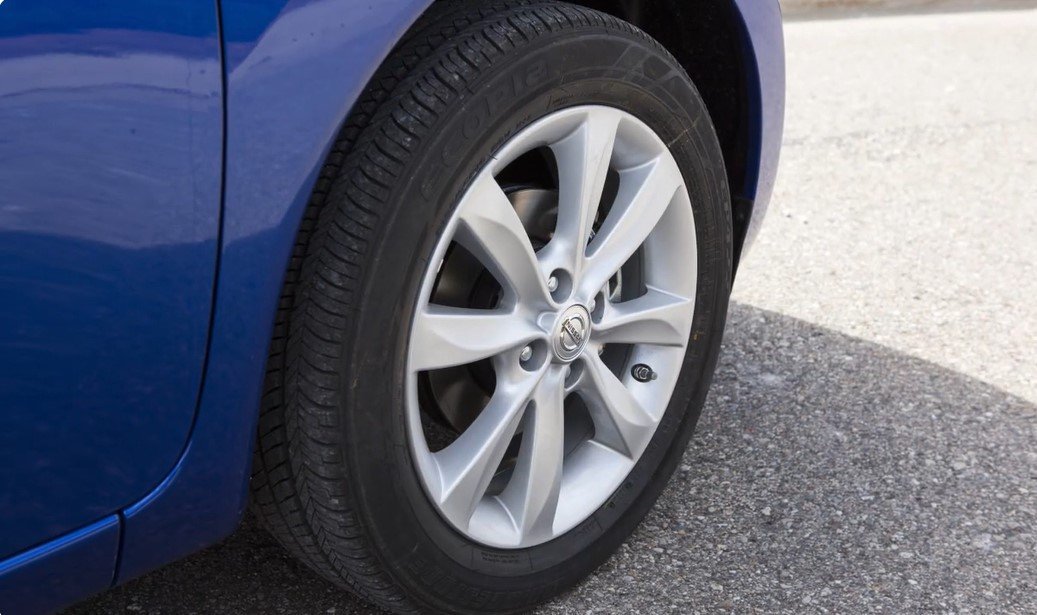
Look for the tire information placard on the driver’s door jamb. It will show the recommended PSI for the front and rear tires. Some vehicles use the same PSI on all four tires. Others use different front and rear pressures.
Check the tires when they are cold if possible. “Cold” means the car has been parked for a few hours or has only been driven a short distance at low speed. Tire pressure rises as the tire warms up, so checking hot tires can give a higher reading than the true cold pressure.
If one tire is lower than the others, inflate it to the recommended PSI and keep an eye on it. If the same tire loses air again, you probably have a leak.
2. Cold Weather Dropped the Tire Pressure
A TPMS light often appears on the first cold morning of the season. That does not always mean something is broken.
Air pressure changes with temperature. When the outside temperature drops, tire pressure drops too. That is why many drivers see the warning light in fall or winter, even if the tires were fine a few weeks earlier.
This can feel confusing because the light may turn on in the morning, then disappear later in the day after the tires warm up. But that does not mean the warning was fake. It means the tire pressure was low enough at that colder moment to trigger the system.
If your TPMS Light ON warning appears during a cold snap, check the pressure before adding air blindly. The tires may be only a few PSI low, or one tire may be much lower than the rest.
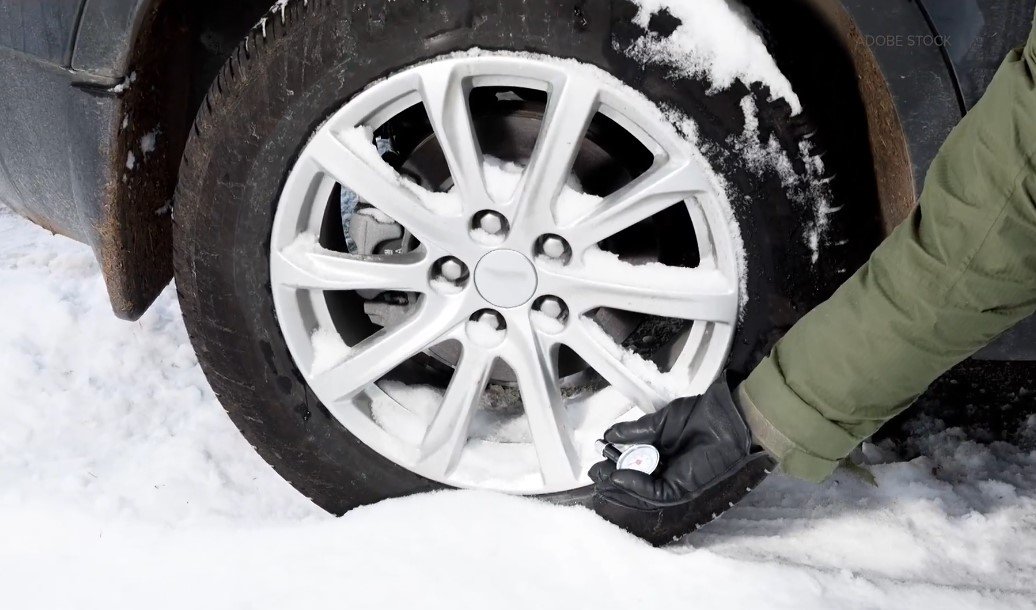
Do not release air from a warm tire just because the reading looks slightly high after driving. When the tire cools down again, it may become underinflated. The safest method is to set tire pressure when the tires are cold and match the door placard recommendation.
Cold weather can also expose an existing slow leak. A tire that held pressure in warm weather may start leaking more noticeably when temperatures drop, especially around the valve stem or bead area.
3. A Nail, Screw, Valve Stem, or Slow Leak
If one tire keeps losing air, the problem is probably not the TPMS system. It is likely a real leak.
A nail or screw in the tread is one of the most common causes. Sometimes the object stays stuck in the tire and slows the leak enough that the tire does not go flat right away. You may drive for days with only a gradual pressure loss.
That slow leak can trigger the TPMS light before the tire looks flat. This is one reason the warning should be taken seriously. It may be giving you time to fix a small puncture before it turns into a roadside problem.
The leak may also come from the valve stem. The valve stem is where you add air. If it is cracked, loose, corroded, or damaged, air can escape slowly. Valve cores can also leak, especially after age, dirt, or improper service.
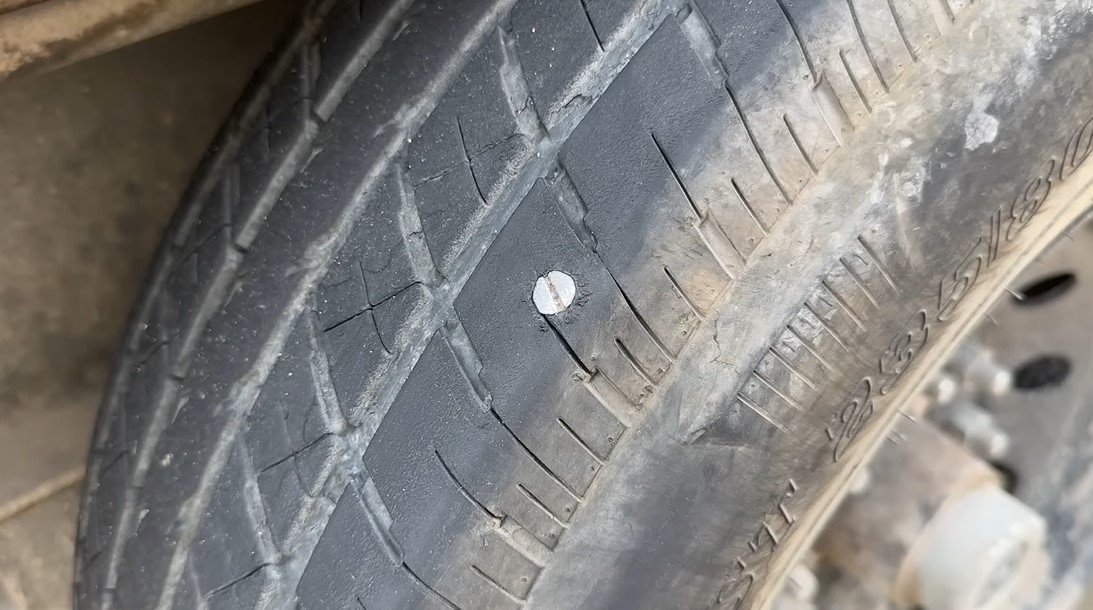
Another possible leak point is the bead seal, where the tire sits against the wheel. Corrosion, dirt, bent rims, or previous tire work can cause air to seep out around the rim.
If you add air and the TPMS light returns after a few days, do not keep topping it off without checking. Have the tire inspected. Many tread punctures can be repaired if they are in the repairable area and the tire has not been driven while dangerously low.
A tire that loses air quickly, looks visibly low, or affects handling should not be driven far. Stop safely and use the spare, roadside assistance, or a tire repair service.
4. Spare Tire or Replacement Wheel Issue
Many drivers forget about the spare tire until there is a problem. Depending on the vehicle, the spare may also be part of the TPMS system.
Some full-size spares have a TPMS sensor. If that spare is low, damaged, or missing a sensor, it may trigger a warning. Compact temporary spares are not always monitored, but they still need to be checked manually before use.
Replacement wheels can also create TPMS problems. If you recently installed winter tires, aftermarket wheels, used wheels, or a different set of rims, the sensors may not be compatible with the vehicle. In some cases, the wheels may not have TPMS sensors installed at all.
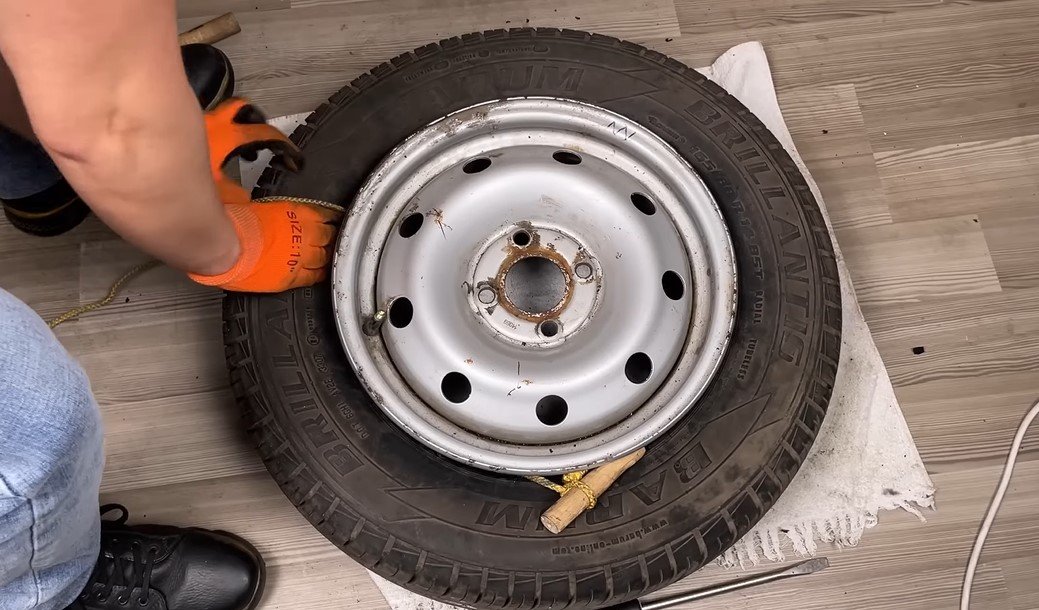
That can leave the system unable to read one or more wheels. The warning may stay on even if the tire pressure is correct.
This often happens after tire changes, seasonal wheel swaps, or buying a used car with mismatched wheels. A shop may need to scan the sensors and confirm whether each wheel has a working sensor that matches the vehicle.
If the TPMS Light ON warning started right after new tires or wheels were installed, tell the tire shop exactly when it happened. That clue can save time during diagnosis.
5. Bad TPMS Sensor or Dead Sensor Battery
Many vehicles use direct TPMS. In a direct system, each wheel has a sensor inside the tire, usually attached near the valve stem. That sensor reads tire pressure and sends the information to the vehicle.
These sensors do not last forever. They contain small batteries, and when the battery dies, the sensor usually needs replacement. In many cases, the battery is sealed inside the sensor, so the whole sensor is replaced instead of just the battery.
A sensor can also be damaged during tire mounting, tire removal, impact with debris, corrosion, or valve stem failure. If the sensor cannot send a signal, the vehicle may show a flashing TPMS light or a tire pressure system warning.
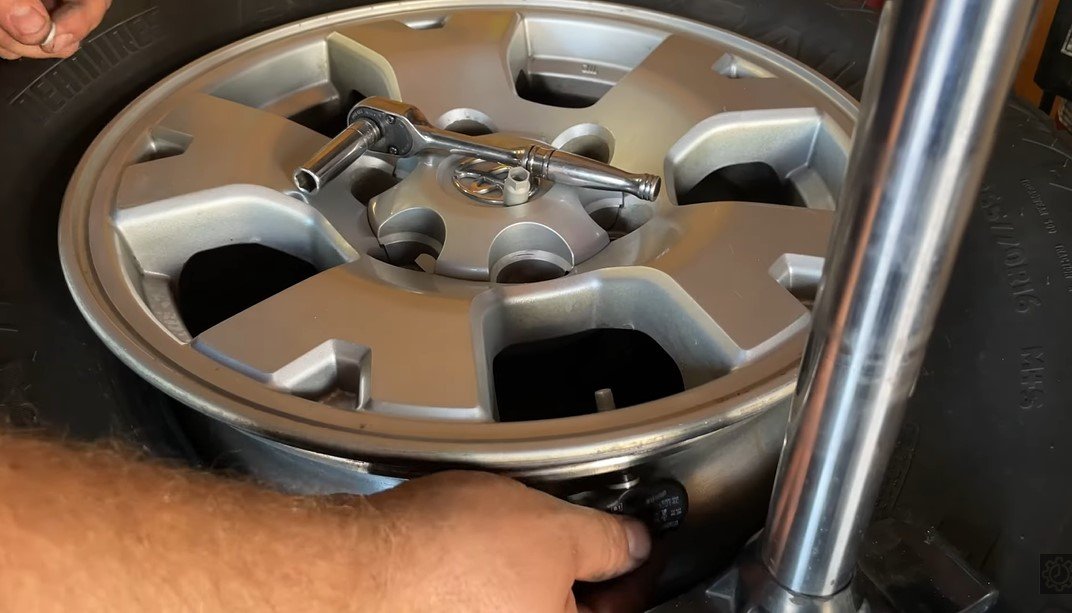
A bad sensor is more likely if the tire pressures are correct but the light still stays on, especially after the system has had time to update. It is also more likely if a scan tool shows one wheel not reporting pressure.
Not every vehicle uses direct sensors inside the wheels. Some use indirect TPMS. An indirect system does not measure tire pressure directly. Instead, it uses wheel speed data from the ABS system to estimate when a tire may be low. Because of that, indirect systems usually do not have individual pressure sensors inside each tire.
This difference matters. If your car uses indirect TPMS, replacing a wheel sensor will not fix the problem because that type of system works differently. You may need calibration, correct tire pressure, matching tire sizes, or ABS-related diagnosis.
6. TPMS Reset, Relearn, or Calibration Was Not Done
Sometimes the tires are fine, the sensors are fine, and the system still needs to be reset or relearned.
Many vehicles require some kind of TPMS reset, relearn, or calibration after tire pressure is corrected, tires are rotated, sensors are replaced, wheels are changed, or new tires are installed.
The process depends on the vehicle. Some cars update automatically after driving for a few minutes. Some have a reset button. Some use a dashboard menu. Others require a TPMS scan tool or relearn procedure at a tire shop.
This is where many people make a mistake. They press the reset button before checking the tire pressure. That can hide the real issue for a while, but it does not fix a low tire or leak.
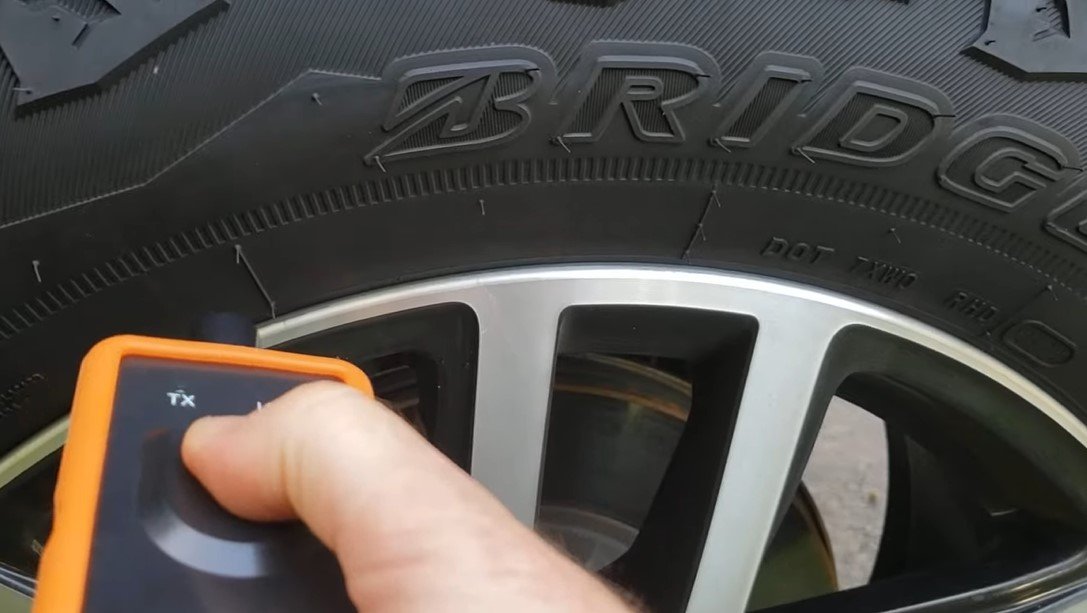
Reset should come after the tire pressures are correct. If the pressure is wrong and you reset the system, the vehicle may learn the wrong baseline and fail to warn you properly.
If your TPMS Light ON warning appeared after a tire rotation or tire service, a relearn issue is possible. For example, the vehicle may think the left front sensor is still in the old position, or it may not recognize a new sensor.
Check the owner’s manual for the correct procedure. If the light stays on after the proper reset, a shop can scan the TPMS system and identify which sensor or wheel position is causing the issue.
What You Should Check First When the Light Comes On
Start with the simple checks before assuming the worst.
First, slow down and find a safe place to look at the tires. If one tire is obviously flat, shredded, bulging, or very low, do not continue driving normally. A damaged tire can fail quickly and may also damage the wheel.
Second, check all four tire pressures with a reliable gauge. Do not check only the tire that looks suspicious. The low tire may be hard to spot visually.
Third, compare each reading with the driver door placard. Add air as needed. If one tire is much lower than the others, inspect it carefully for a puncture or leak.
Fourth, check whether the light goes out after correcting the pressure. Some vehicles update quickly. Others may need a short drive. If the light remains on, follow the vehicle’s reset or relearn process only after the pressure is correct.
Fifth, if the light flashes, stays on after proper inflation, or returns quickly, have the system scanned. Guessing at sensors can get expensive. A TPMS scan can show whether the sensors are transmitting, what pressure they report, and whether the vehicle recognizes them.
TPMS Light ON But Tires Look Fine
This situation is extremely common. A driver sees the light, walks around the car, and all four tires look normal.
That does not prove the tires are fine.
A tire can be underinflated without looking flat. Modern tires have stiff sidewalls, and a vehicle’s weight can hide pressure loss until it becomes severe. You may not notice anything from the driver’s seat until the tire is dangerously low.
If your TPMS Light ON warning appears but the tires look fine, use a gauge. If the pressure is low, inflate the tires properly. If the pressure is correct, consider cold weather changes, a sensor issue, a reset issue, or a spare/replacement wheel problem.
Also check whether the tires are all the same size and type. Mismatched tires can confuse some indirect TPMS systems because they rotate at slightly different speeds.
Is It Safe to Drive With the TPMS Light On?
It depends on why the light is on.
If the tire is visibly flat, very low, damaged, or the car pulls, shakes, or feels unstable, stop driving as soon as it is safe. Continuing can destroy the tire and may cause a loss of control.
If the light is solid and the car feels normal, you can usually drive carefully to a nearby gas station, tire shop, or safe place to check the pressure. Avoid high speeds and long highway drives until you know the tires are properly inflated. If you are unsure whether the vehicle is safe to keep moving, it helps to think through the same risk checks covered in this guide on whether it is safe to drive with a warning or symptom.
If the light is flashing and then stays on, the TPMS system may not be working correctly. The tires may still be safe, but the system may not warn you properly if pressure drops later. Check the pressure manually and schedule diagnosis.
The safest rule is simple: do not treat the TPMS light as background noise. It may be a minor pressure correction, but it may also be your early warning before a tire failure.
How to Turn Off the TPMS Light the Right Way
The right fix depends on the cause.
If the tires are low, inflate them to the recommended PSI. If one tire keeps losing air, repair the leak. If a sensor is dead, replace the sensor and perform the required relearn. If the wheels were changed, make sure the sensors are installed, compatible, and registered to the vehicle.
Do not try to turn the light off by disconnecting the battery or repeatedly pressing reset without checking pressure. That may waste time and can make diagnosis harder.
If you recently had tire work done, go back to the shop and explain that the warning appeared afterward. Ask them to check sensor communication, wheel position relearn, and tire pressure settings.
A proper fix should make the light go out and stay out. If the warning returns, the original cause was not fully solved.
How Much Does It Cost to Fix a TPMS Light?
The cost can range from nothing to a few hundred dollars.
If the tires are just low, you may only need air. If there is a small puncture in a repairable area, a tire patch or plug-patch repair may be inexpensive. If the valve stem is leaking, the repair may also be fairly minor.
A bad TPMS sensor usually costs more because the tire may need to be removed from the wheel, the sensor replaced, and the system relearned. Prices vary by vehicle, sensor type, and shop labor.
If the problem is with an indirect TPMS system, the fix may be calibration or diagnosis rather than a sensor replacement.
The most expensive mistake is replacing sensors without confirming the problem. Always check the tire pressure and scan the system before approving parts.
How to Prevent TPMS Problems
Check tire pressure at least once a month and before long trips. This one habit prevents many TPMS warnings and helps your tires last longer.
Check pressure when the tires are cold. Use the vehicle’s recommended PSI, not the sidewall maximum. Recheck when temperatures change sharply. A tire that was correct in summer may be low in winter.
Keep valve caps installed. They help keep dirt and moisture out of the valve stem area. During tire service, ask the shop to inspect the valve stems and TPMS sensors.
If you use seasonal wheels, label the set and make sure the sensors are compatible with your vehicle. After installation, confirm that the TPMS system recognizes all four wheels.
Most of all, take repeated warnings seriously. If the same tire keeps needing air, there is usually a reason.
FAQ About TPMS Light ON
Why is my TPMS light on after filling the tires?
The pressure may still be below the recommended PSI, another tire may be low, the system may need a reset, or a sensor may not be reading correctly. Check all four tires with a gauge before resetting anything.
Why does my TPMS light come on in cold weather?
Cold air lowers tire pressure. If the tires were already close to the warning threshold, a cold morning can make the light turn on. Check and adjust pressure when the tires are cold.
Can I reset TPMS myself?
On many vehicles, yes. Some cars have a reset button or dashboard menu. Others require a driving cycle or a scan tool. Always correct tire pressure first, then follow the owner’s manual.
How long can I drive with the TPMS light on?
Only long enough to safely check the tires. If the tire is visibly low or the car feels unstable, stop driving. If the car feels normal, drive carefully to a nearby place where you can check and inflate the tires.
Can overinflated tires turn on the TPMS light?
Some systems can warn about pressure outside the expected range, but many TPMS warnings are focused on low pressure. Either way, overinflation is not a fix. Use the recommended PSI on the door placard.
Final Thoughts
A TPMS Light ON warning is usually caused by low tire pressure, but it should never be dismissed without checking. Start with the basics: inspect the tires, measure cold tire pressure, inflate to the door placard PSI, and watch for repeated pressure loss.
If the pressure is correct and the light stays on, look deeper into sensor failure, replacement wheel issues, spare tire monitoring, or reset and relearn procedures. On vehicles that use wheel-speed data, an ABS-related issue can also affect how the system interprets tire behavior, so this guide on how to tell which ABS sensor is bad without a scanner may help if other ABS symptoms appear too.
The best approach is not to guess. A five-minute pressure check can separate a simple air adjustment from a real leak or TPMS system fault.
Kevin Nicholas is an automotive mechanic and editor of The Effective Guide. He writes about warning lights, car problems, and diagnostic tools, helping drivers understand what to check before replacing a part.