
An oxygen sensor code looks simple at first. The check engine light turns on, a scan tool shows an O2 sensor-related code, and it feels like the next step is obvious: replace the sensor.
But O2 Sensor Replacement is not always the right first move. An oxygen sensor often reports what is happening in the exhaust. It does not always cause the problem it is reporting.
A vacuum leak, exhaust leak, misfire, weak fuel pump, dirty MAF sensor, wiring issue, or oil and coolant contamination can all make an oxygen sensor look bad. That is why some drivers install a new sensor and still see the check engine light come back.
Before spending money on parts, it helps to understand what the O2 sensor actually does, what can fool it, and when O2 Sensor Replacement truly makes sense.
What Does an O2 Sensor Do?
An O2 sensor, also called an oxygen sensor, measures oxygen in the exhaust stream after combustion. The engine computer uses that information to adjust the air-fuel mixture.
If there is too much oxygen in the exhaust, the engine may be running lean, meaning too much air or not enough fuel. If there is too little oxygen, the engine may be running rich, meaning too much fuel or not enough air.
Most modern vehicles have more than one oxygen sensor. The upstream sensor sits before the catalytic converter and helps the engine computer adjust fuel delivery. The downstream sensor sits after the catalytic converter and mainly monitors catalytic converter efficiency.
Some modern vehicles use an air-fuel ratio sensor, also called a wideband sensor, instead of a traditional narrowband O2 sensor in the upstream position. People often call both of them “O2 sensors,” but they do not always work the same way. That matters when buying parts or reading scan data.
Before O2 Sensor Replacement, make sure you know which sensor the code is pointing to. Bank 1 Sensor 1 is not the same as Bank 1 Sensor 2. Sensor 1 usually means upstream. Sensor 2 usually means downstream. Bank 1 is the side of the engine with cylinder number 1, while Bank 2 is the opposite side on engines with two banks.
O2 Sensor Replacement: Check These 7 Problems First
A bad oxygen sensor can cause poor fuel economy, rough running, failed emissions, and check engine light problems. But many other issues can create the same codes and symptoms. Check these 7 problems before replacing the sensor.
1. Exhaust Leak Before the O2 Sensor
An exhaust leak before the O2 sensor can trick the sensor into reading lean. Fresh outside air can enter the exhaust stream near the exhaust manifold, manifold gasket, flex pipe, or pipe connection. The sensor sees extra oxygen and reports a lean condition.
The engine computer may then add more fuel to correct a problem that is not actually caused by the sensor. If the leak remains, a new O2 sensor can still report the same condition.
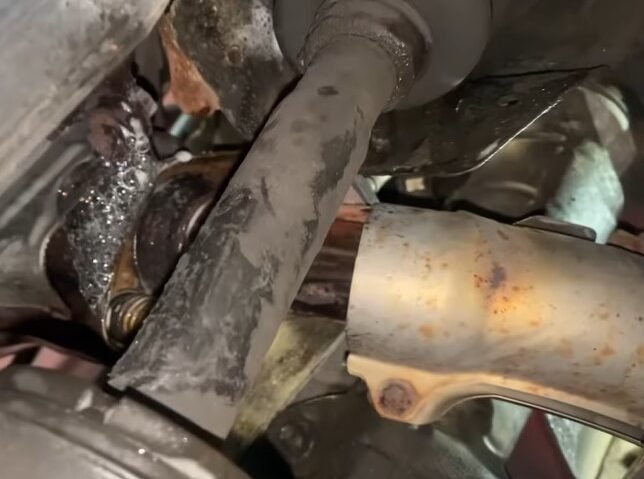
Common signs of an exhaust leak include ticking noise during cold start, exhaust smell near the engine bay, black soot around a joint, or a louder exhaust sound. Sometimes the noise gets quieter as the exhaust warms up and expands.
This is especially important if the vehicle has lean codes, slow-response codes, or low-voltage oxygen sensor codes along with exhaust noise. Before O2 Sensor Replacement, inspect the exhaust around and before the sensor.
2. Vacuum Leak or Intake Air Leak
A vacuum leak is one of the most common reasons an oxygen sensor reports a lean condition. The engine pulls in extra unmetered air that the computer did not calculate. The O2 sensor sees the result in the exhaust and reports lean.
Common leak points include cracked vacuum hoses, PCV hoses, intake boots, brake booster hoses, throttle body gaskets, and intake manifold gaskets. A loose intake tube after the mass airflow sensor can also create a similar problem.
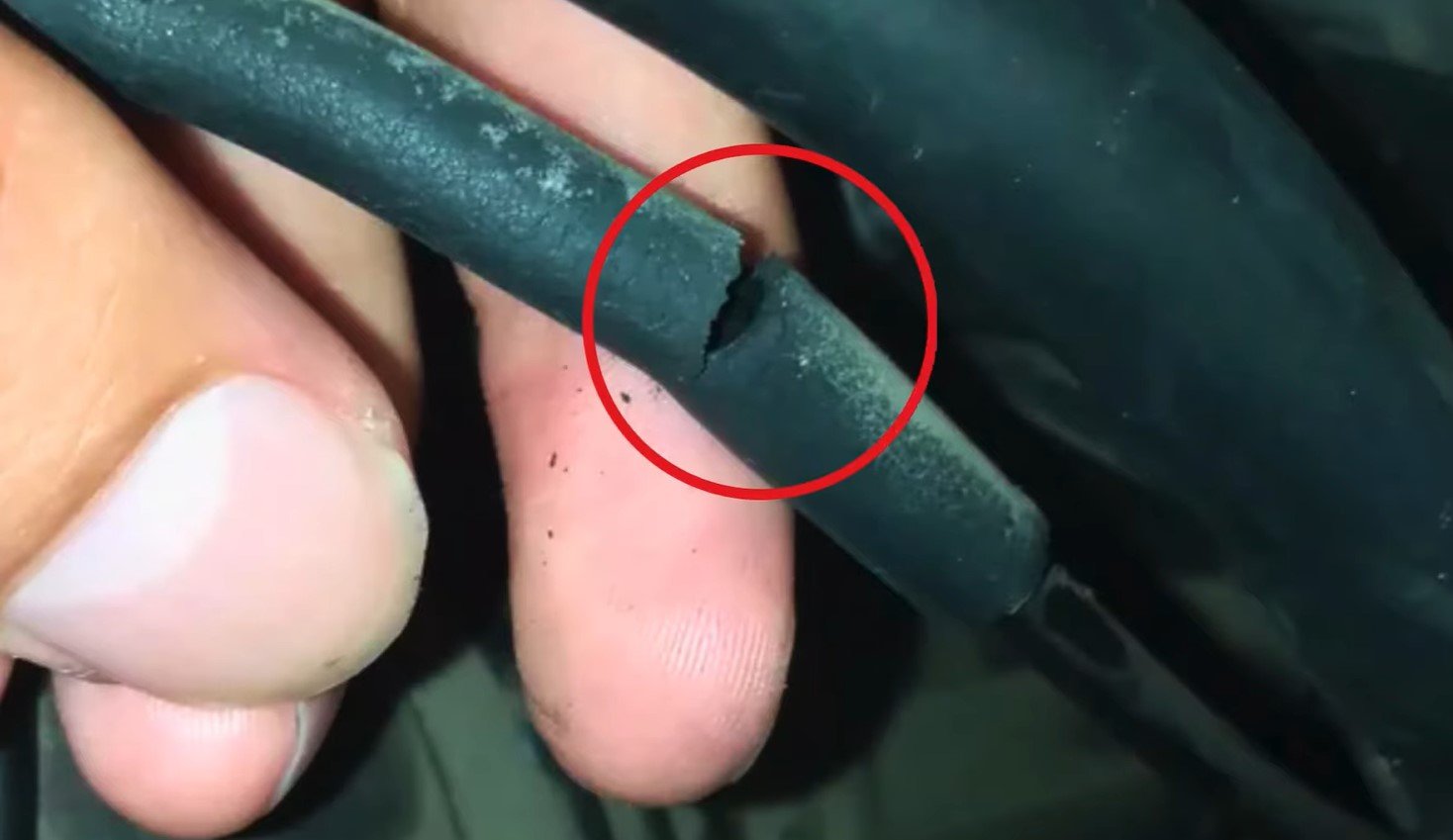
You may notice rough idle, high idle, surging RPM, hesitation, or a hissing sound. Codes like P0171 and P0174 often point to a lean condition, but they do not automatically mean the oxygen sensor is bad.
A smoke test is one of the best ways to find intake leaks. Fuel trim data can also help. If fuel trims are high at idle but improve when RPM increases, a vacuum leak becomes more likely.
Replacing an oxygen sensor without checking for vacuum leaks can easily waste money.
3. Engine Misfire
A misfire can make oxygen sensor data look strange. When a cylinder misfires, the air-fuel mixture does not burn properly. Unburned oxygen and fuel can enter the exhaust, causing abnormal readings.
This can trigger O2-related codes even though the real problem is a spark plug, ignition coil, fuel injector, compression issue, or wiring fault.
If you see P0300, P0301, P0302, or any P0300-series misfire code along with an oxygen sensor code, diagnose the misfire first. A flashing check engine light usually means an active misfire that can damage the catalytic converter.
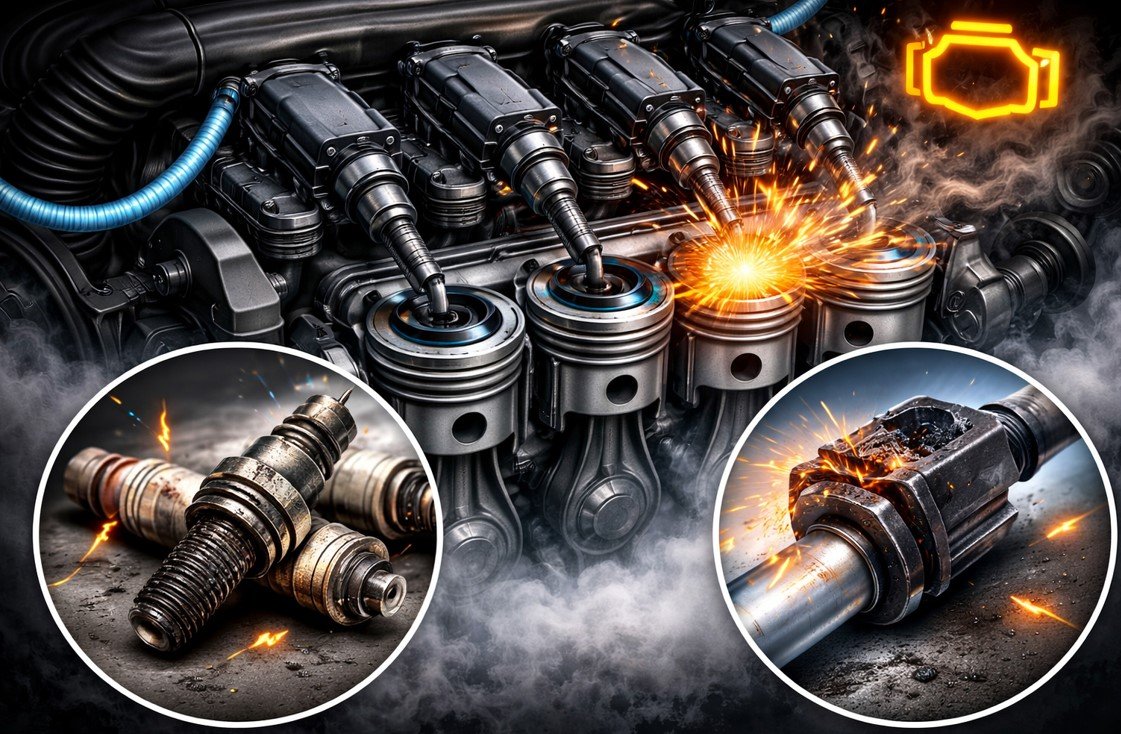
Symptoms may include shaking, rough idle, hesitation, weak acceleration, fuel smell, and poor fuel economy. In this situation, O2 Sensor Replacement should wait until the misfire is fixed or ruled out.
A healthy oxygen sensor reacts to what the engine is doing. If the engine is misfiring, the sensor data will not look normal.
4. Fuel Delivery Problem
A weak fuel pump, clogged fuel filter, dirty injector, or low fuel pressure can make the engine run lean. The oxygen sensor detects that lean exhaust condition and reports it.
Again, the sensor may be telling the truth. It is not always the failed part.
Fuel delivery problems may show up as hard starting, hesitation under load, weak acceleration, stumbling at higher speeds, or lean codes. The engine may idle normally but struggle when you ask for power.
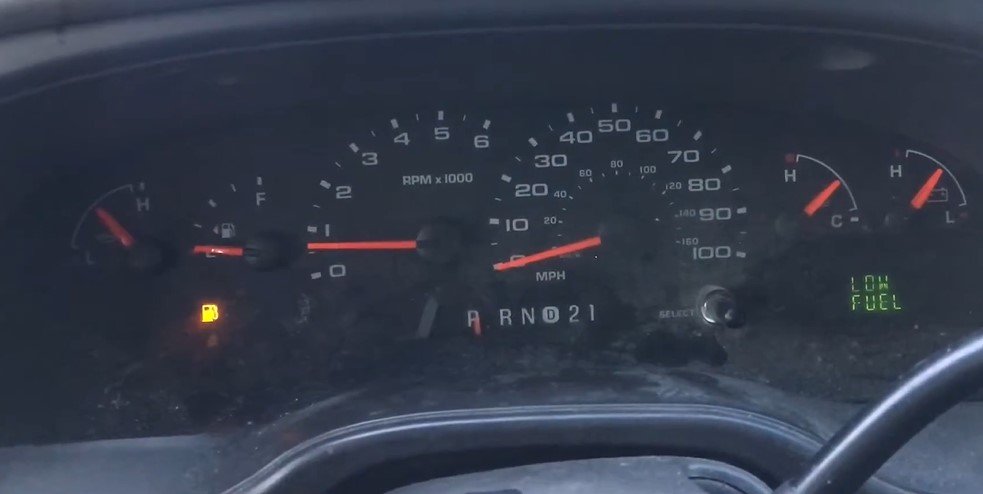
Fuel pressure and fuel volume testing can help confirm the issue. Fuel trim data can also point in the right direction. If the computer is adding a lot of fuel but the engine is still lean, fuel delivery should be checked.
Before O2 Sensor Replacement, make sure the engine is actually getting enough fuel.
5. Dirty or Failing MAF Sensor
The mass airflow sensor measures how much air enters the engine. If the MAF sensor is dirty or inaccurate, the engine computer may calculate the wrong fuel amount.
That can create rich or lean operation, and the oxygen sensor will report the result. In this case, the O2 sensor may only be reacting to bad airflow information.
Symptoms of a dirty or failing MAF sensor can include hesitation, poor acceleration, rough idle, stalling, poor fuel economy, and rich or lean codes. The air filter, intake duct, and intake clamps should also be checked. If air enters after the MAF sensor, the computer will not measure it correctly.
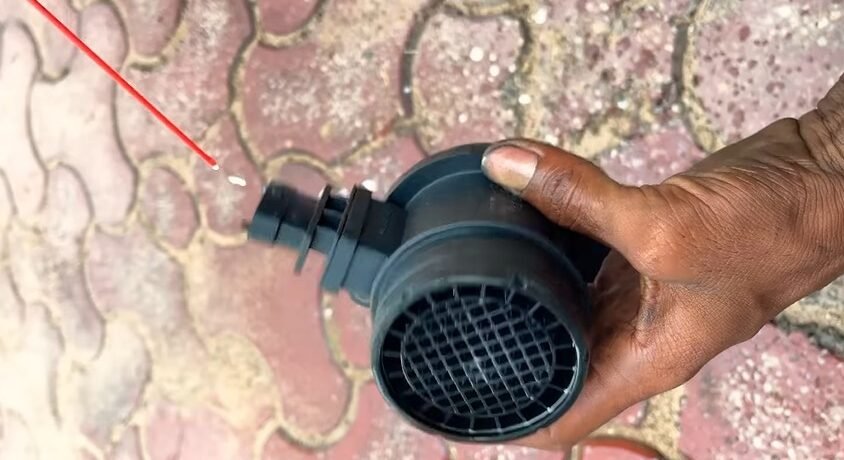
Cleaning a dirty MAF sensor with proper MAF cleaner may help, but testing is better than guessing. Do not use brake cleaner or carb cleaner on a MAF sensor.
If the MAF sensor is giving wrong information, O2 Sensor Replacement will not fix the air-fuel mixture problem.
6. Oil or Coolant Contamination
Oxygen sensors live in the exhaust stream, so they can be damaged by contamination. Oil burning, coolant burning, silicone sealers, fuel additives, or a rich-running engine can coat the sensor tip and slow its response.
If the engine is burning oil, you may see blue smoke, low oil level, oily spark plugs, or carbon buildup. If coolant is entering the combustion chamber, you may see white smoke, coolant loss, sweet exhaust smell, or overheating.
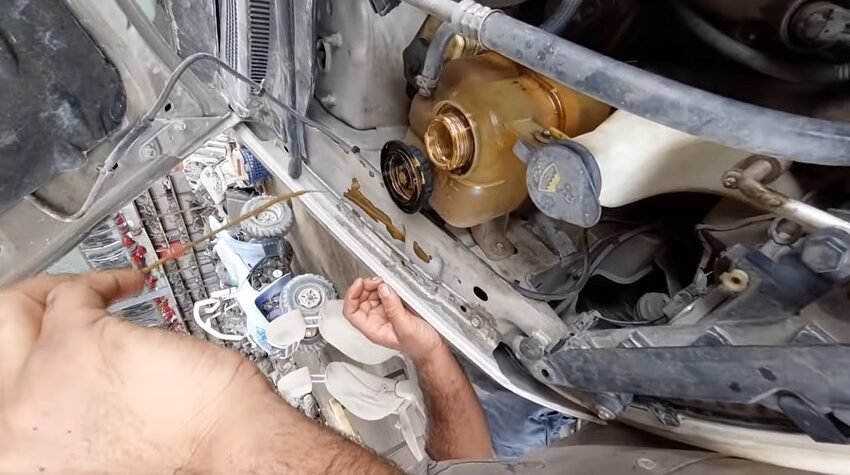
In these cases, the O2 sensor may actually become damaged, but replacing it without fixing the contamination source can make the new sensor fail too.
Possible root causes include a bad PCV valve, worn piston rings, valve seal issues, leaking head gasket, or internal coolant leak. If oil or coolant contamination is present, fix that issue before O2 Sensor Replacement.
Otherwise, the new sensor may only survive for a short time.
7. Wiring, Connector, Fuse, or Heater Circuit Problem
Not every oxygen sensor code is caused by the sensor tip. Many O2 sensors have a heater circuit that helps the sensor reach operating temperature quickly. If the heater circuit does not work, the sensor may respond slowly or set a code.
Common heater circuit codes include P0135, P0141, P0155, and P0161. These codes can mean the sensor heater failed, but they can also point to damaged wiring, a loose connector, corrosion, a blown fuse, or a poor ground. For a related heater-circuit example, see this guide on P0030 code.
Oxygen sensor wiring often sits close to hot exhaust parts. Wires can melt, rub through, or get damaged during other repairs. Connectors can also loosen or corrode.
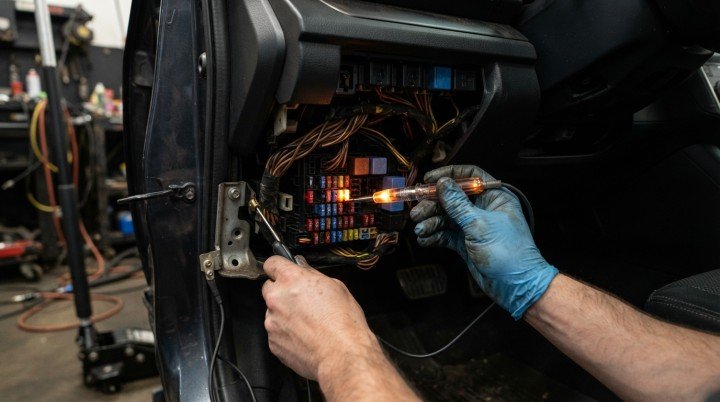
Before replacing the sensor, inspect the wiring and connector. A technician may check power, ground, resistance, and signal readings. If the wiring is damaged, a new sensor may not fix the code.
This is especially important if the code returned immediately after a previous sensor replacement.
When O2 Sensor Replacement Actually Makes Sense
There are times when O2 Sensor Replacement is the correct repair. If testing shows the sensor is slow to respond, stuck rich, stuck lean, not switching properly, or has a confirmed internal heater failure, replacing it makes sense.
High mileage can also matter. Oxygen sensors live in extreme heat and harsh exhaust gases. Over time, they can become slower and less accurate.
A confirmed bad upstream sensor can affect fuel mixture, fuel economy, drivability, and emissions. A confirmed bad downstream sensor can trigger catalyst monitoring codes or emissions test failure.
The key word is confirmed. A code is a clue, not the final answer. Live data, fuel trim readings, wiring checks, exhaust inspection, and leak testing help confirm whether the sensor is truly bad.
Common O2 Sensor Codes and What They Mean
O2 sensor codes can be confusing because some point directly to sensor circuits, while others only show that the engine is running rich or lean.
P0130 or P0150 usually points to an O2 sensor circuit problem. P0133 or P0153 suggests slow sensor response. P0135 or P0155 points toward a heater circuit issue. These codes deserve sensor and wiring checks.
P0171 and P0174 are lean condition codes. Many people replace oxygen sensors for these codes, but vacuum leaks, fuel delivery problems, exhaust leaks, and MAF issues are often more likely.
P0420 and P0430 are catalytic converter efficiency codes. These are not automatically oxygen sensor codes. A bad downstream sensor can sometimes be involved, but a weak catalytic converter, exhaust leak, misfire history, oil burning, or engine running problem can also cause these codes.
Reading the code name is not enough. You need to understand what the code is actually measuring.
Upstream vs Downstream O2 Sensor
The upstream O2 sensor is located before the catalytic converter. It helps the engine computer adjust fuel mixture. If it fails, you may notice poor fuel economy, rough running, hesitation, rich operation, or lean operation.
The downstream O2 sensor is located after the catalytic converter. Its main job is to monitor how well the catalytic converter is working. If it fails, the car may not run much differently, but the check engine light may stay on and emissions testing may fail.
Bank 1 is the side of the engine with cylinder number 1. Bank 2 is the opposite side on engines with two cylinder banks. Sensor 1 usually means upstream. Sensor 2 usually means downstream.
Before replacing anything, confirm the correct bank and sensor location. Replacing Bank 1 Sensor 2 when the code points to Bank 2 Sensor 1 is a very common mistake.
Can You Drive Before O2 Sensor Replacement?
In many cases, you can drive short-term with a bad oxygen sensor, but it should not be ignored for long. A faulty sensor can hurt fuel economy, increase emissions, and in some cases cause the engine to run too rich or too lean.
Driving too long with the wrong air-fuel mixture can damage the catalytic converter. That repair is usually much more expensive than an oxygen sensor.
A flashing check engine light is different. That usually means an active misfire, not a normal oxygen sensor issue. If the light is flashing, avoid driving and diagnose the misfire quickly.
Also avoid driving if the vehicle has strong fuel smell, severe power loss, overheating, heavy smoke, or rough misfire. Those signs suggest the problem may be bigger than the sensor. If you are unsure how risky it is to keep moving, this guide on whether it is safe to drive with a warning or symptom can help.
O2 Sensor Replacement Cost
The cost of O2 Sensor Replacement depends on the vehicle, sensor type, location, and labor time. Some sensors are easy to reach. Others are buried in tight areas or seized into the exhaust from rust and heat.
The part itself can range from affordable to expensive depending on whether it is a traditional oxygen sensor, wideband air-fuel ratio sensor, or OEM-style direct-fit sensor. Professional replacement usually costs more because of labor, diagnosis, and access difficulty.
Cheap universal sensors can cause problems if they require wire splicing or do not match the vehicle’s expected signal properly. A direct-fit OEM-quality sensor is usually the safer choice.
Rust can also raise labor cost. Oxygen sensors thread into the exhaust, and old sensors can be difficult to remove without the right socket, penetrating oil, heat, and careful handling.
Mistakes to Avoid During O2 Sensor Replacement
The first mistake is replacing an oxygen sensor only because a code mentioned oxygen. Codes point toward a system. They do not always identify the failed part.
The second mistake is replacing the wrong sensor. Always confirm bank number and sensor number before buying parts.
The third mistake is ignoring other codes. Misfire codes, fuel trim codes, MAF codes, or heater circuit codes can change the whole diagnosis.
Another mistake is replacing a sensor for P0420 or P0430 without checking the catalytic converter and exhaust system. Those codes often require more testing.
Also avoid installing the wrong sensor type. Some vehicles use wideband air-fuel ratio sensors upstream, not traditional narrowband oxygen sensors. They may look similar but work differently.
Finally, do not force a seized sensor so hard that you damage the exhaust threads. Sometimes patience, heat, penetrating oil, and the right tool save a bigger repair.
FAQs About O2 Sensor Replacement
Does an O2 sensor code always mean the sensor is bad?
No. An O2 sensor code can be caused by the sensor, but it can also be caused by exhaust leaks, vacuum leaks, misfires, fuel problems, MAF sensor issues, wiring faults, or catalytic converter problems.
Should I replace all O2 sensors at once?
Not always. If one sensor is confirmed bad, you can usually replace that sensor only. If sensors are very old or contaminated by coolant or oil, replacing more than one may make sense.
How long do O2 sensors last?
Many oxygen sensors last tens of thousands of miles, and some last well over 100,000 miles. Heat, oil burning, coolant leaks, rich running, and poor maintenance can shorten their life.
Can a bad O2 sensor damage the catalytic converter?
Yes. If a bad upstream sensor causes the engine to run too rich or too lean for too long, it can contribute to catalytic converter damage. Misfires and fuel problems can also damage the converter.
Is P0420 an O2 sensor problem?
Not always. P0420 means catalytic converter efficiency is below the expected level. A downstream O2 sensor can be involved, but the converter, exhaust leaks, misfires, and engine condition should also be checked.
What happens if I ignore a bad O2 sensor?
You may get poor fuel economy, higher emissions, rough running, failed emissions testing, and possible catalytic converter damage over time.
Final Thoughts
O2 Sensor Replacement can be the right repair, but it should not be the first guess every time an oxygen sensor code appears. The sensor may be reporting a real fuel mixture problem caused by something else.
Before replacing it, check for exhaust leaks, vacuum leaks, misfires, fuel delivery problems, MAF sensor issues, oil or coolant contamination, and wiring faults. Also confirm whether the code points to the upstream or downstream sensor, and which bank is affected.
A confirmed bad oxygen sensor should be replaced with the correct direct-fit part. But if the root cause is somewhere else, a new sensor will only give you a short break before the check engine light comes back.
The smartest repair is not just replacing the part named in the code. It is finding out why that code appeared in the first place.
Kevin Nicholas is an automotive mechanic and editor of The Effective Guide. He writes about warning lights, car problems, and diagnostic tools, helping drivers understand what to check before replacing a part.