
Last Updated on October 8, 2026
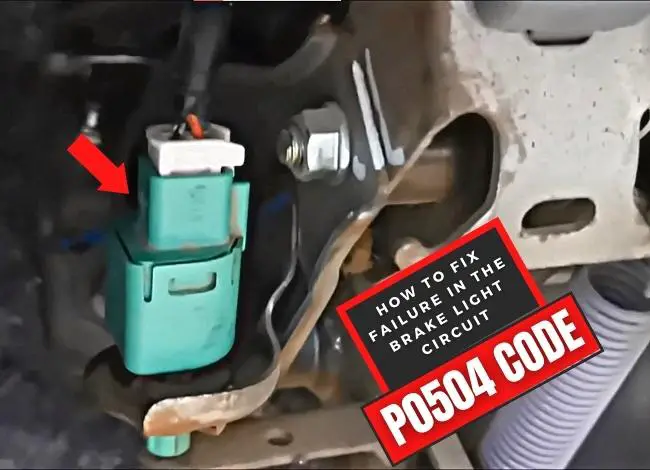
If your vehicle’s check engine light has come on and you’re seeing the P0341 code, it’s worth finding out what’s causing it.
This diagnostic trouble code (DTC) relates to the camshaft position sensor (CMP) and the signal it sends to the engine control module (ECM).
In simple terms, the engine computer has detected a camshaft position signal that is outside its expected range or isn’t behaving correctly.
You might notice rough idling, difficulty starting, engine hesitation, or even stalling. However, some vehicles show no obvious symptoms beyond the check engine light.
The important thing to understand is that P0341 doesn’t automatically mean the camshaft position sensor is bad. Damaged wiring, incorrect engine timing, or other mechanical problems can trigger the same code.
In this guide, we’ll explain the P0341 code meaning, common symptoms, possible causes, and how to diagnose and fix it without replacing unnecessary parts.
What Does the P0341 Code Mean?
The P0341 OBD2 code stands for:
“Camshaft Position Sensor ‘A’ Circuit Range/Performance (Bank 1 or Single Sensor).”
The camshaft position sensor monitors the camshaft’s position as the engine rotates.
The ECM uses this information, together with the crankshaft position sensor signal, to control functions such as fuel injection timing and engine synchronization.
When the camshaft signal becomes inconsistent, arrives at the wrong time, or doesn’t match the expected pattern, the ECM may store P0341.
Bank 1 refers to the side of the engine containing cylinder number one. On a single-bank engine, it generally refers to that engine’s only cylinder bank.
Sensor “A” identifies a particular camshaft sensor, but its exact location depends on the manufacturer and engine design.
The code indicates a signal performance problem. It does not identify the faulty component by itself.
Symptoms of the P0341 Code
A vehicle with the P0341 code may experience several symptoms, depending on the cause.
Common warning signs include:
- Check Engine Light: The most common sign is an illuminated check engine light.
- Hard Starting: The engine may crank longer than normal before starting.
- Rough Idling: Engine speed may fluctuate or the vehicle may vibrate while stopped.
- Engine Misfires: Incorrect timing information may contribute to rough running.
- Poor Acceleration: The engine may hesitate or respond slowly when you press the accelerator.
- Reduced Fuel Economy: Engine performance problems may increase fuel consumption.
- Engine Stalling: Some vehicles may stall when the sensor signal becomes unreliable.
- No-Start Condition: Severe signal or timing problems may prevent the engine from starting.
Not every vehicle will experience all these symptoms.
If the engine runs normally, the problem may be intermittent. However, the code should still be diagnosed.
If the engine also shakes, hesitates, or runs unevenly, our guide to engine misfire symptoms explains how to recognize a genuine misfire and what else may cause similar behavior.
Common Causes of the P0341 Code
Several issues can trigger the P0341 trouble code.
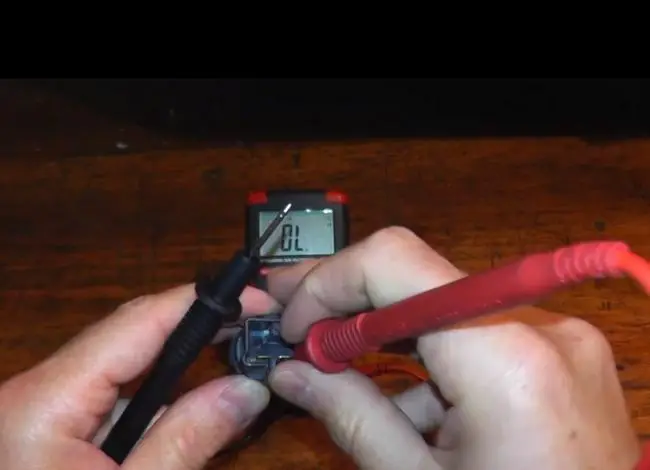
1. Faulty Camshaft Position Sensor
The camshaft position sensor may fail because of age, heat, internal damage, or contamination.
A failing sensor can produce an irregular signal or stop working under certain conditions.
For example, some sensors work normally when the engine is cold but begin failing after warming up.
However, testing is necessary before replacing the sensor.
2. Damaged Wiring or Loose Connections
The sensor depends on proper electrical connections to communicate with the ECM.
Problems may include:
- Broken or frayed wires
- Corroded connectors
- Loose electrical terminals
- Damaged insulation
- Poor electrical connections
A damaged wire may cause the signal to disappear or become inconsistent while driving.
3. Timing Chain or Timing Belt Problems
The camshaft and crankshaft must remain synchronized.
If the timing chain stretches or the timing belt slips, the camshaft may no longer be positioned where the ECM expects it.
This can trigger P0341, sometimes alongside other timing-related codes.
A rattling noise during startup may also suggest a timing system problem on certain engines.
If your scanner also reports a P0016 crankshaft-camshaft correlation code, the ECM has detected a problem with the relationship between the crankshaft and Bank 1 Sensor A camshaft positions. That makes mechanical timing and VVT operation especially important to investigate.
4. Variable Valve Timing (VVT) Problems
Many modern engines use variable valve timing to adjust camshaft operation.
A sticking camshaft phaser, faulty VVT control valve, or oil-related problem can affect camshaft timing.
If the actual camshaft position differs from the expected position, P0341 may appear.
This is why checking the engine oil level and condition can be helpful during diagnosis.
5. Damaged Camshaft Reluctor Ring
The camshaft sensor reads a rotating target, sometimes called a reluctor or trigger wheel.
If this component is damaged, loose, or incorrectly positioned, the sensor may produce an unexpected signal.
The sensor itself may still be working correctly.
6. Crankshaft Position Sensor Problems
The ECM compares camshaft and crankshaft position information.
If the crankshaft sensor produces an incorrect or intermittent signal, it may affect the ECM’s ability to interpret camshaft timing.
However, P0341 does not automatically mean the crankshaft sensor needs replacement.
7. Low Voltage or Electrical Interference
On some vehicles, electrical supply problems or interference can affect sensor signals.
Battery, charging system, and wiring checks may be necessary if other symptoms or trouble codes suggest an electrical problem.
8. ECM or Software Issues
In rare cases, a manufacturer-specific software issue or engine control module problem may contribute to the code.
These possibilities should generally be considered after the sensor, wiring, and mechanical timing have been checked.
How to Diagnose the P0341 Code
Diagnosing the P0341 code requires checking the sensor signal and determining why the ECM considers it incorrect.
Step 1: Confirm the Code with an OBD2 Scanner
Connect an OBD-II scanner and confirm that P0341 is stored.
Also check for related codes, including:
- P0340: Camshaft Position Sensor “A” Circuit
- P0016: Crankshaft/Camshaft Position Correlation, Bank 1 Sensor A
- P0017: Crankshaft/Camshaft Position Correlation, Bank 1 Sensor B
- P0365: Camshaft Position Sensor “B” Circuit, Bank 1
These codes may provide additional clues, although they do not always appear together.
For example, P0017 indicates a crankshaft-camshaft correlation problem involving Bank 1 Sensor B. Its presence may help direct testing toward the relevant camshaft timing system rather than assuming the P0341 sensor has failed.
Review the freeze-frame data if available to see the engine conditions when the fault was recorded.
This can help determine whether the code appeared during startup, acceleration, or another operating condition.
Step 2: Inspect the Sensor and Wiring
Locate the camshaft position sensor using your vehicle’s repair manual.
Its position varies by engine, but it is often mounted near the cylinder head, valve cover, or timing cover.
Inspect the connector and wiring for:
- Loose connections
- Corrosion
- Damaged insulation
- Oil contamination around electrical connectors
- Signs of previous repairs
Repair obvious wiring problems before considering sensor replacement.
Step 3: Check Battery and Charging Voltage
If you notice slow cranking, electrical problems, or multiple sensor codes, test the battery and charging system.
A digital multimeter can help identify unusual voltage readings.
However, voltage alone doesn’t confirm battery health. A battery load or conductance test may be needed.
Step 4: Test the Camshaft Sensor Signal
Camshaft sensors come in different designs, including Hall-effect and magnetic sensors.
The testing method depends on the sensor type.
A Hall-effect sensor generally requires checks of its power supply, ground, and signal.
A magnetic sensor may require different electrical tests.
Do not assume every camshaft sensor can be tested using a simple resistance measurement.
An oscilloscope is often useful because it displays the actual sensor signal while the engine is cranking or running.
Step 5: Compare Camshaft and Crankshaft Signals
The ECM expects camshaft and crankshaft signals to follow a specific relationship.
A technician can compare these signals with an oscilloscope or manufacturer-supported diagnostic equipment.
If the signals are out of synchronization, possible causes include mechanical timing problems, damaged trigger components, or sensor issues.
Step 6: Check Engine Timing and VVT Operation
If electrical tests don’t reveal the problem, mechanical timing may need inspection.
A technician may check:
- Timing chain or belt condition
- Camshaft timing alignment
- Timing chain tensioner operation
- Camshaft phaser operation
- Engine oil level and condition
Timing system inspection may require special tools and partial engine disassembly.
Step 7: Check Manufacturer Service Bulletins
Before replacing expensive components, check whether the manufacturer has issued a technical service bulletin related to P0341.
Some vehicles have known wiring, sensor, timing, or software problems with specific repair procedures.
How to Fix the P0341 Code
The correct repair depends on what caused the signal problem.
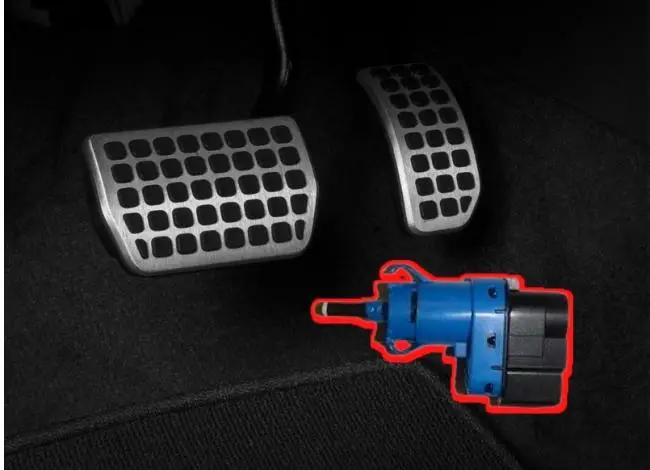
1. Replace the Camshaft Position Sensor
If testing confirms the sensor is faulty, replace it with a compatible, manufacturer-approved part.
Make sure it is installed correctly and the electrical connector is secure.
2. Repair Damaged Wiring
Fix broken wires, corroded terminals, and loose connectors.
Use suitable automotive wiring repair methods and keep the harness away from hot or moving components.
3. Address Oil or VVT Problems
If the engine has a VVT problem, check the oil level, condition, and correct viscosity.
Repair confirmed faults with the control valve, camshaft phaser, or related components.
An oil change alone will not fix every VVT problem.
4. Repair Mechanical Timing Problems
If the timing chain or belt has slipped, stretched, or suffered mechanical damage, the timing system may require repair.
This may involve replacing the chain or belt, tensioners, guides, or other damaged components.
Do not replace timing components based solely on P0341.
5. Replace Other Faulty Components
If testing identifies a damaged reluctor ring, defective crankshaft sensor, or another related component, repair the confirmed problem.
Replacing unrelated sensors will not resolve a mechanical timing fault.
6. Update ECM Software When Required
If an applicable manufacturer bulletin recommends a software update, have the procedure performed using approved equipment.
PCM or ECM replacement should be a last resort after proper diagnosis.
7. Clear the Code and Verify the Repair
After completing the repair, clear the trouble code using a compatible scanner.
Follow the recommended drive cycle and confirm that P0341 does not return.
Make sure the original symptoms have also been resolved.
How Much Does It Cost to Fix the P0341 Code?
The repair cost depends on the vehicle, the faulty component, and local labor rates.
Here are approximate U.S. estimates:
| Repair Type | Estimated Cost (Parts + Labor) |
|---|---|
| Professional Diagnosis | $100–$200+ |
| Camshaft Position Sensor Replacement | $120–$400+ |
| Wiring or Connector Repair | $100–$350+ |
| Crankshaft Position Sensor Replacement | $150–$450+ |
| VVT Control Valve Replacement | $150–$500+ |
| Timing Chain or Belt Repair | $500–$2,000+ |
| ECM Software Update | $100–$300+ |
These are general estimates rather than fixed prices. Repairs involving major engine disassembly can cost substantially more.
A proper diagnosis can save money by preventing unnecessary sensor or timing component replacement.
Is It Safe to Drive with a P0341 Code?
A vehicle with the P0341 code may still start and drive normally.
However, continuing to drive without knowing the cause isn’t a good idea.
A faulty sensor may cause intermittent hesitation or stalling, while a mechanical timing problem can be more serious.
If the check engine light is steady and the engine runs normally, carefully driving a short distance to a repair facility may be possible.
Stop driving as soon as it is safe if:
- The engine stalls repeatedly.
- The check engine light flashes.
- You hear severe timing chain rattling or knocking.
- The engine loses significant power.
- The vehicle becomes difficult to control in traffic.
Our guide to what to do when the check engine light comes on explains the difference between steady and flashing warning lights and when driving may be unsafe.
If you suspect a slipped timing chain or another serious mechanical problem, have the vehicle inspected before driving further.
Can You Prevent the P0341 Code?
Not every camshaft sensor failure can be prevented, but regular maintenance may reduce the risk of related problems.
- Follow the manufacturer’s oil change schedule.
- Use the correct engine oil specification.
- Address timing chain or belt noises promptly.
- Repair damaged wiring and leaking connectors.
- Maintain the battery and charging system.
- Replace timing belts according to the manufacturer’s schedule.
- Investigate recurring check engine lights rather than repeatedly clearing codes.
Proper maintenance cannot guarantee that P0341 will never appear, but it can help protect the engine’s timing and electrical systems.
FAQs About the P0341 Code
What Is the Most Common Cause of P0341?
Possible causes include a faulty camshaft sensor, damaged wiring, incorrect timing, or VVT problems. The most likely cause depends on the vehicle.
Will Replacing the Camshaft Sensor Fix P0341?
Only if the sensor is actually faulty. Wiring or mechanical timing problems can trigger the same code.
Can a Bad Battery Cause P0341?
Low voltage can affect engine electronics in some circumstances, but a weak battery is not a universal cause of P0341.
Can I Drive with Code P0341?
Short-distance driving may be possible if the engine runs normally. Avoid driving if the engine stalls, misfires severely, or makes unusual timing noises.
How Long Does It Take to Fix P0341?
A simple sensor replacement may take less than an hour on some vehicles. Wiring or timing system repairs may require several hours.
What Is the Difference Between P0340 and P0341?
P0340 indicates a camshaft position sensor circuit problem. P0341 indicates that the sensor signal is outside its expected range or performance.
Final Thoughts on the P0341 Code
The P0341 code indicates that the engine computer has detected an incorrect or unexpected camshaft position sensor signal.
Although replacing a faulty sensor may solve the problem, damaged wiring, VVT faults, timing chain problems, and other issues can produce similar symptoms.
Start by checking related trouble codes, inspecting the wiring, and testing the sensor signal before replacing parts.
If mechanical timing is suspected, professional diagnosis is especially important.
Finding the actual cause early can help restore reliable engine performance and prevent unnecessary repair expenses.
Russell D. Steele writes trouble-code and repair guides for The Effective Guide. His work helps drivers understand what a code means, what might cause it, and which checks to make first.
1 thought on “How to fix failure in the brake light circuit P0504 code?”
Thanks for sharing.