
Last Updated on October 14, 2026
If you are looking for the best brake pads for your car or truck, start with the type of driving you do and the pads your vehicle actually requires. A quality set can help your brakes feel consistent, limit unwanted noise, and reduce wheel dust. But even an expensive brake pad will disappoint if it is the wrong fit or installed with damaged rotors and sticking calipers.
In this 2026 guide, we compare five familiar brake pad options, explain how ceramic and semi-metallic materials differ, and show you what to check before ordering. For related parts, see our guide to choosing brake rotors.
Why Choosing the Best Brake Pads for Your Car Matters
Brake pads press against the rotors to create friction and slow the wheels. A suitable compound needs to provide reliable friction across the temperatures and conditions your vehicle experiences. Good pads also manage noise, dust, and wear. A cheap pad is not automatically unsafe, and an expensive pad is not automatically better: correct fit, appropriate formulation, and proper installation matter more than price alone.
Best Brake Pads: Three Everyday Options Compared
These three ceramic sets are worth comparing for ordinary road use, but they serve different axle applications. Choose the correct fit before comparing comfort features or price.
| Feature | Akebono ACT905A | Wagner QC465A | Bosch BC905 |
|---|---|---|---|
| Product line | ProACT Ultra-Premium | ThermoQuiet | QuietCast Premium |
| Material | Ceramic | Ceramic | Ceramic |
| Installation position | Rear | Front | Rear |
| Main focus | Quiet everyday braking with low visible dust | Noise and vibration control for daily use | OE-style ceramic rear replacement |
| Amazon ASIN | B07RN9W6F8 | B001O0U1OU | B008HZOZ2E |
| Before ordering | Confirm exact rear brake package | Confirm QC465A variation and front fitment | Confirm exact rear brake package |
Top 5 Best Brake Pads Reviews for 2026
These five products serve different needs. The comparisons below describe their intended use and listed features; they are not results from a side-by-side stopping-distance test. They are not interchangeable: a pad that fits one Nissan, Chevrolet, or Honda may not fit another trim or brake package. Use the manufacturer catalog or a trusted retailer’s vehicle selector and confirm the part number before buying.
1. Akebono ACT905A ProACT Ultra-Premium Ceramic Brake Pads
Best for quiet everyday braking. Akebono ProACT pads are designed to deliver smooth, predictable stops with relatively low dust and noise. The ACT905A is a rear pad application for specific Nissan and Infiniti vehicles, not a universal pad for every car. This is a sensible option if you value quiet operation and the part number matches your vehicle.
Technical Features of Akebono ACT905A ProACT Ultra-Premium Ceramic Brake Pads
| Feature | Details |
|---|---|
| Part number | ACT905A |
| Design focus | Quiet everyday braking |
| Important characteristics | Ceramic formula; OE-style everyday braking; vehicle-specific rear fitment |
| Vehicle compatibility | Verify exact year, make, model, axle and brake package |
| Amazon listing | B07RN9W6F8; confirm current seller, stock, and fitment |
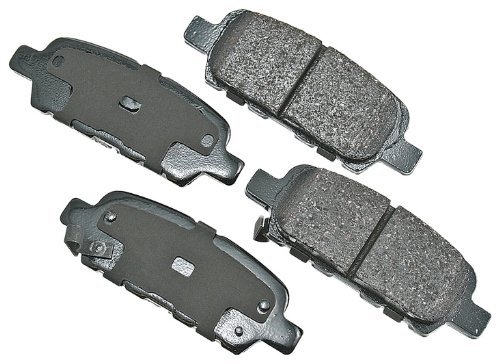
Main features: Ceramic formula, OE-style everyday braking, and vehicle-specific rear fitment.
Pros: Low dust in normal use, comfortable pedal feel, and quieter operation when installed correctly.
Things to consider: Not intended as a universal heavy-towing or track pad. Check exact fitment.
2. StopTech 309.10950 Sport Rear Brake Pads
Best for drivers wanting a performance-oriented compound. The linked StopTech 309.10950 set is a rear application from the Sport range, also described in older listings as Street Performance. It is aimed at drivers seeking a performance-oriented street pad, rather than a comfort-first ceramic replacement. Compared with comfort-focused ceramic pads, a performance compound may produce more noise or dust, depending on use and the rotor. Confirm the exact part number and availability before purchase because older listings may remain online after a product changes.
Technical Features of StopTech 309.10950 Sport Rear Brake Pads
| Feature | Details |
|---|---|
| Part number | 309.10950 |
| Design focus | Drivers wanting a performance-oriented compound |
| Important characteristics | Rear axle application; sport friction compound; shims and hardware listed |
| Vehicle compatibility | Verify exact year, make, model, axle and brake package |
| Amazon listing | B003K2AX84; confirm current seller, stock, and fitment |
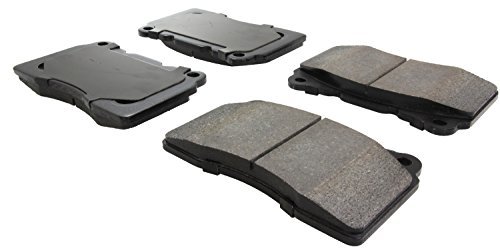
Main features: Rear axle application, sport friction compound, and listing-specified shims and hardware.
Pros: A sport-oriented alternative when this rear pad shape matches your brake system. The linked product is described as a kit with shims and hardware.
Things to consider: Dust and noise can differ from comfort-focused ceramic pads. Verify current kit contents and follow the supplied bedding instructions; do not assume suitability for sustained track use.
3. Wagner ThermoQuiet QC465A Ceramic Brake Pads
Best for comfort-focused daily driving. Wagner ThermoQuiet pads focus on controlling vibration and brake noise while maintaining ordinary street-braking performance. The linked QC465A is an application-specific ceramic front pad set. Wagner offers multiple product lines, so do not assume every Wagner pad has the same material, hardware, or fitment. You can learn more in our Wagner brake pads review.
Technical Features of Wagner ThermoQuiet QC465A Ceramic Brake Pads
| Feature | Details |
|---|---|
| Part number | QC465A |
| Design focus | Comfort-focused daily driving |
| Important characteristics | Front axle; ceramic compound; noise-control design; verify supplied hardware |
| Vehicle compatibility | Verify exact year, make, model, axle and brake package |
| Amazon listing | B001O0U1OU; confirm current seller, stock, and fitment |
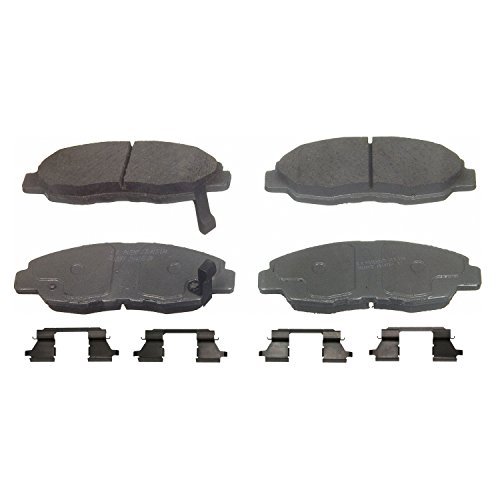
Main features: Front axle fitment, ceramic compound, and noise-control design.
Pros: Comfortable daily use, with reduced vibration and noise when the brake system is healthy.
Things to consider: Confirm QC465A is the selected variation: QuickStop and OEX alternatives on the same page have different part numbers. Check supplied hardware before installation.
4. Bosch BC905 QuietCast Premium Ceramic Rear Brake Pads
Best for an OE-style replacement. The linked Bosch BC905 is a ceramic rear brake pad set for selected Nissan and Infiniti applications. Its QuietCast design focuses on everyday braking and noise control. This makes it a useful alternative to compare with the Akebono ACT905A when both catalogs confirm compatibility with your vehicle.
Technical Features of Bosch BC905 QuietCast Premium Ceramic Rear Brake Pads
| Feature | Details |
|---|---|
| Part number | BC905 |
| Design focus | An OE-style replacement |
| Important characteristics | Rear axle; ceramic friction material; noise-control shims |
| Vehicle compatibility | Verify exact year, make, model, axle and brake package |
| Amazon listing | B008HZOZ2E; confirm current seller, stock, and fitment |
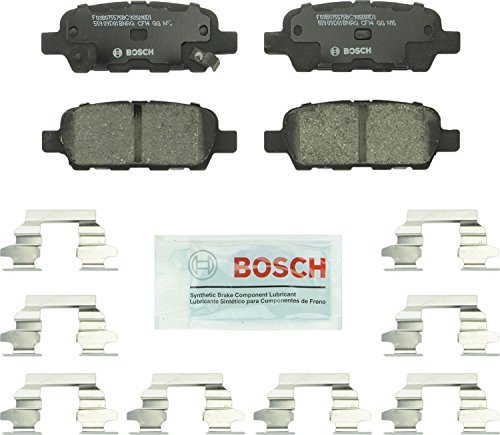
Main features: Rear fitment, ceramic friction material, and noise-control shims.
Pros: A clearly identified ceramic rear option with a focus on quiet operation. Compare package contents and price with other matching rear sets.
Things to consider: BC905 is not a front-and-rear kit. Check the vehicle’s brake package, especially where larger or performance calipers are fitted.
5. ACDelco 17D785CHF1 Gold Ceramic Disc Brake Pads
Best for a vehicle-specific ceramic replacement. The linked ACDelco set is 17D785CHF1, currently cataloged as Gold rather than Professional. Its ceramic material, shims, and mounting hardware make it an everyday replacement option for supported applications. Confirm the installation position for your exact vehicle: this pad shape can appear in different axle applications, so a blanket “front pads” description is not enough.
Technical Features of ACDelco 17D785CHF1 Gold Ceramic Disc Brake Pads
| Feature | Details |
|---|---|
| Part number | 17D785CHF1 |
| Design focus | A vehicle-specific ceramic replacement |
| Important characteristics | Ceramic friction material; included shims and mounting hardware; vehicle-specific application |
| Vehicle compatibility | Verify exact year, make, model, axle and brake package |
| Amazon listing | B09B899M39; confirm current seller, stock, and fitment |
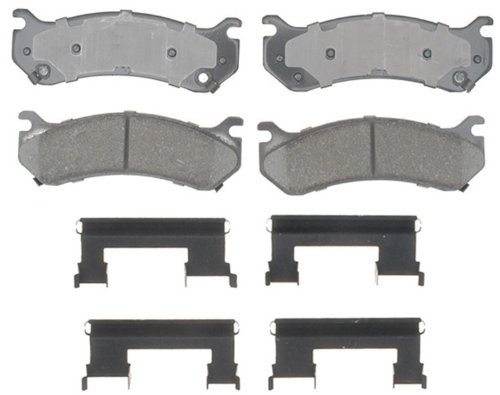
Main features: Ceramic friction material, included shims and mounting hardware, and application-specific fitment.
Pros: A ceramic replacement with noise-control features and hardware identified in GM’s current specification.
Things to consider: Order the complete 17D785CHF1 part number. Verify axle fitment, and note that GM lists brake lubricant as not included.
Types of Brake Pads
Ceramic Brake Pads
Ceramic pads are popular for ordinary commuting because many formulations control dust and noise well. They often provide smooth braking with reasonable pad life, although results vary by vehicle and manufacturer. They can cost more than basic organic pads. Do not assume that every ceramic formula is suitable for heavy towing or repeated track braking.
Semi-Metallic Brake Pads
Semi-metallic compounds contain a substantial proportion of metal along with binders and friction modifiers. Many handle heat well, which can suit heavier vehicles or demanding applications when the manufacturer specifies them. Depending on the formula, they can be noisier and create more wheel dust than some ceramic alternatives.
Low-Metallic NAO Brake Pads
Low-metallic non-asbestos organic pads use an organic base with a smaller amount of metal to adjust friction and heat transfer. They can give strong initial response, though some formulations generate extra dust and noise. Actual performance depends on the exact pad, not just the material category.
Non-Asbestos Organic (NAO) Brake Pads
Organic pads use fibers, resins, and fillers instead of asbestos. They may offer comfortable and relatively quiet braking, but some compounds wear faster under demanding conditions. Choose the friction type approved for your car rather than swapping solely on a general claim about material.
How to Choose the Best Brake Pads for Your Vehicle
Check Compatibility First
Match the model year, make, model, engine, front or rear axle, and brake package. Some vehicles use different pad shapes on trims with larger rotors or performance brakes. A product page saying that a pad fits a brand is not enough. Confirm the exact catalog application and whether installation clips or wear sensors are included.
Think About Driving and Vehicle Load
For daily commuting, an OE-style ceramic pad can be a good place to start. If you tow frequently, drive steep mountain roads, or use a high-performance vehicle, follow the vehicle manufacturer’s requirements and look for a compound rated for that heat and load. Avoid choosing a street pad for racetrack use unless the maker explicitly approves it.
Consider Noise, Dust and Rotor Condition
Shims, chamfers, clips and friction formula can help reduce squeal, but none will fix a seized slide pin or badly worn rotor. Check rotor thickness, runout, corrosion, and caliper movement. A pad that wears much faster on one wheel may indicate a sticking caliper, seized slide pin, or another brake-system fault. Fix that problem before fitting a new set.
Look at Current Environmental Requirements
Some US states restrict copper and other substances in brake friction products. California and Washington have requirements that reached the 0.5% copper threshold in 2025, with different legal wording, exemptions, and transitional provisions. Check certification for the exact part and its manufacturing date, especially when buying older stock. A “ceramic” label alone does not establish copper content or local compliance.
Compare Complete Costs, Not Just the Box Price
The least expensive pad may not be the least expensive repair after installation hardware, resurfacing or replacing rotors, and labor are included. Replace pads in axle pairs, follow the correct service procedure, and use a shop if you do not have the tools or experience to work on brakes safely.
Installing the Best Brake Pads: What Else Needs Attention?
Inspect the rotors before fitting new pads. They do not always need replacement, but they must meet the vehicle’s thickness, surface-condition, and runout requirements. Deep scoring, cracks, or below-limit thickness require attention.
Check caliper movement and use the specified hardware and lubricant only where instructed. Keep lubricant off the pad faces and rotor friction surfaces. Vehicles with electronic parking brakes may need a service mode before rear brake work.
Follow the instructions for the exact pad and rotor combination. Some pads need a particular bedding procedure; others do not require an aggressive break-in routine. Before driving, the installer should confirm a firm pedal, correct assembly, and normal brake operation.
When Should You Replace Brake Pads?
There is no single mileage interval that works for all vehicles. City traffic, hills, vehicle weight, regenerative braking and driving habits affect wear. Inspect pads at regular service visits and use the manufacturer’s minimum friction-material thickness as your primary replacement limit.
- Wear-indicator squeal: Some pads have a metal indicator that squeals as the lining gets low. Squealing can also come from other causes, so inspect before ordering parts.
- Grinding: Metal-to-metal contact may mean the friction material has worn through. Stop driving if braking performance is compromised and have the vehicle inspected promptly.
- Thin or uneven friction lining: Measure the remaining pad material, not the metal backing plate. Uneven wear can point to a caliper or slide problem.
- Longer stops or pulling: These symptoms can involve pads, tires, hydraulics or other components and deserve a full inspection.
- Vibration under braking: This can result from rotor thickness variation, runout, deposits, or suspension issues. It does not automatically mean the pads must be replaced.
If brakes grind, the pedal sinks, the car pulls sharply, or stopping power drops noticeably, do not rely on a product swap alone. Have the system diagnosed before continued driving.
Final Verdict: Which Brake Pads Are Best?
The best brake pads depend on your vehicle and priorities. Akebono ProACT and Wagner ThermoQuiet are worth considering for comfort-focused everyday driving when the part number fits. Bosch QuietCast and ACDelco provide other OE-style replacement options, while StopTech 309.10950 is a sport-oriented rear option. None is automatically the right choice for every SUV or truck.
Start with confirmed fitment, then compare friction compound, braking conditions, noise expectations and installation requirements. A carefully selected pad with a healthy rotor and caliper is more valuable than a popular brand installed on the wrong vehicle.
Best Brake Pads FAQs
1. Are ceramic or semi-metallic brake pads better?
Ceramic pads are often chosen for quiet commuting and lower visible dust. Semi-metallic pads can suit demanding heat and load conditions. Follow the vehicle maker’s requirements and choose the formula designed for your use.
2. How long do brake pads last?
Service life varies widely. Some sets last tens of thousands of miles, while heavy stop-and-go driving or towing can shorten life. Inspect thickness rather than assuming a fixed replacement mileage.
3. Can I replace only one brake pad?
No. Pads should normally be replaced as a complete axle set, with the brakes on both sides inspected and serviced as necessary.
4. Do new brake pads need bedding in?
Many pad manufacturers specify a bedding or burnishing procedure. Follow the instructions supplied with your exact pads and avoid unsafe hard stops.
5. Will better brake pads fix squealing or vibration?
Not always. Worn hardware, rotor condition, improper installation and sticking calipers can cause noise or vibration even with high-quality pads.
6. Do expensive brake pads stop a car faster?
Not necessarily. Tires, ABS operation, road surface, brake-system health and pad suitability all affect real stopping distance. Price alone is not a reliable measure of safety.
Russell D. Steele writes trouble-code and repair guides for The Effective Guide. His work helps drivers understand what a code means, what might cause it, and which checks to make first.
2 thoughts on “Best Brake Pads Review 2026: Top Picks for Cars & Trucks”
would be nice to know what brand made those Original pads, I can imagine that the standards are quite different between the different Companies
What a load of shite … Yes there are good brands , better brands and cheap brands …. so are you saying that some brands put your life at risk. If so why don’t you name them or are you just full of shite. If some brands manufacture substandard products, ie: brakes that will fail, and you know but wont say…! nothing wrong with cheap brands so long as you, as you should with all pads, check them regularly.